Living Your Best Life After 40: Essential Tips and Recommendations
Healthy Lifestyle Choices: Nutrition and Exercise
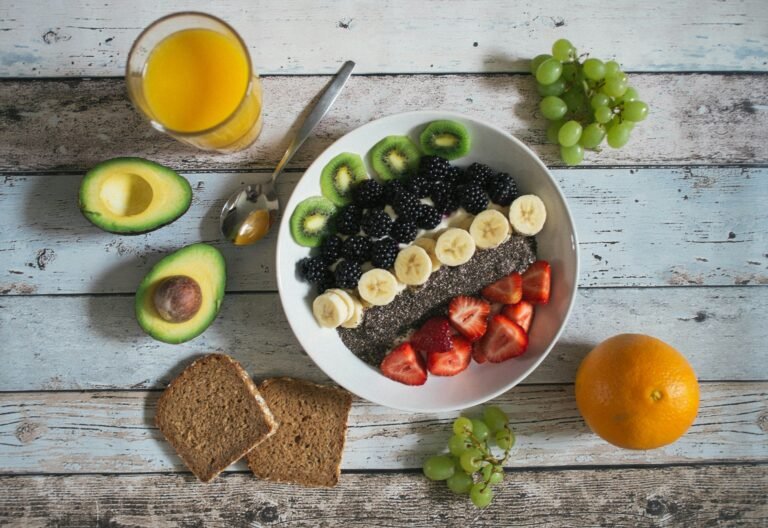
Maintaining a healthy lifestyle after the age of 40 is crucial for promoting long-term wellness and vitality. As our bodies age, our nutritional needs evolve, necessitating a balanced diet rich in essential nutrients. Foods high in antioxidants, such as berries, dark leafy greens, and nuts, play a significant role in combating oxidative stress and inflammation. Incorporating fiber-rich foods like whole grains, legumes, and vegetables aids in digestion and helps maintain a healthy weight. Additionally, ensuring an adequate intake of vitamins and minerals—such as calcium for bone health, vitamin D for immune function, and omega-3 fatty acids for heart health—is essential.
Equally important is the adoption of a consistent exercise routine tailored to the needs of those over 40. Strength training exercises, including weight lifting and resistance band workouts, are particularly effective in preserving muscle mass and bone density, which tend to decline with age. Cardiovascular activities such as brisk walking, cycling, and swimming enhance heart health and improve endurance. Flexibility exercises, including yoga and Pilates, not only increase range of motion but also reduce the risk of injuries by improving balance and coordination.
Integrating these healthy habits into a busy lifestyle requires strategic planning and commitment. Begin by setting realistic goals and gradually incorporating changes, such as substituting processed foods with nutrient-dense options and scheduling regular exercise sessions. Consider joining a fitness class or engaging in group activities to stay motivated. Moreover, staying hydrated, getting adequate sleep, and managing stress through mindfulness practices like meditation can further enhance overall well-being.
By prioritizing nutrition and exercise, individuals over 40 can significantly improve their quality of life, ensuring they remain active, healthy, and vibrant in the years to come.
Mental and Emotional Well-being: Tips and Recommendations
As individuals navigate life beyond the age of 40, mental and emotional well-being becomes increasingly significant. Many people encounter challenges such as stress, anxiety, and the need to maintain a positive outlook. Effective stress management techniques can make a substantial difference. Mindfulness practices, such as meditation and deep-breathing exercises, are invaluable tools for mitigating stress and enhancing overall emotional health. Engaging in these activities regularly can help cultivate a sense of calm and focus.
Social connections play a crucial role in fostering mental well-being. Engaging in community activities, joining clubs, or participating in group exercises can help build and maintain relationships. These interactions provide emotional support, reduce feelings of isolation, and contribute to a sense of belonging. Additionally, nurturing existing relationships with family and friends through regular communication and shared activities can greatly enhance emotional health.
Self-care practices are essential for maintaining a balanced and fulfilling life. Pursuing hobbies and interests can provide a sense of purpose and joy. Journaling is another beneficial practice; it allows for reflection and emotional expression, helping to process thoughts and feelings. Ensuring adequate sleep is also vital, as it directly impacts mood, cognitive function, and overall health. Establishing a consistent sleep routine can lead to improved mental and emotional well-being.
It is important to recognize when professional help may be necessary. Seeking guidance from mental health professionals can provide valuable support and strategies for managing mental health challenges. Finding support groups, whether in-person or online, can also offer a sense of community and understanding. Utilizing mental health resources, such as counseling services, hotlines, and therapy apps, can be instrumental in navigating difficult times and fostering long-term well-being.