Fascia, Ligaments, and Spinal Mobility: What’s Really Going On in Your Back
This post contains affiliate links. As an Amazon Associate, I earn from qualifying purchases at no extra cost to you.
Free resources — no credit card required for trial
🎧 Listen to health & wellness audiobooks free for 30 days
Start 30-Day Free Trial →
📚 Read unlimited health books free for 30 days
Try Kindle Unlimited Free →
Have you ever reached for something on a high shelf and felt that sudden, unwelcome twinge in your back? Or maybe tying your shoelaces has become more of an ordeal than it used to be? You’re in very good company. Back pain and stiffness affect millions of people, and they have a way of reminding us just how much we depend on a healthy, mobile spine for even the simplest tasks. What most people don’t realise, though, is that spinal mobility isn’t just about muscles and bones. Hidden beneath the surface is a fascinating, intricate world of connective tissue — including fascia and ligaments — plus a remarkably intelligent nervous system, all working together to keep you moving freely. Understanding this bigger picture is genuinely life-changing, because once you know what’s really going on, you can start doing something meaningful about it.
Your Spine Is More Than a Stack of Bones
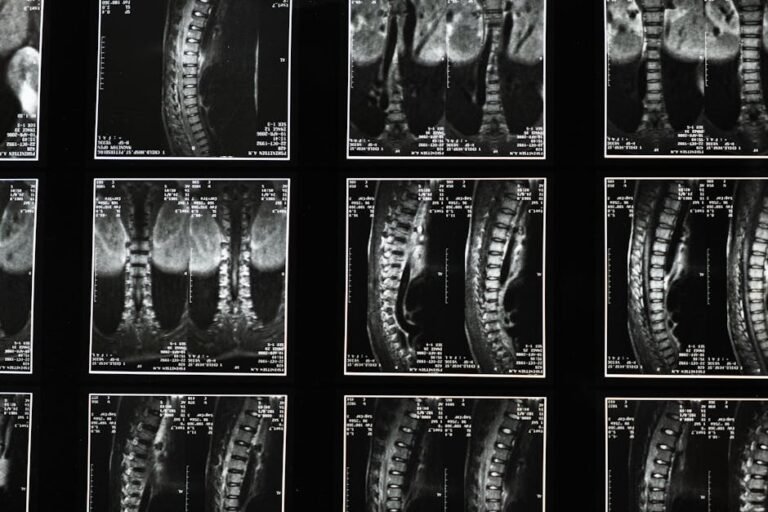
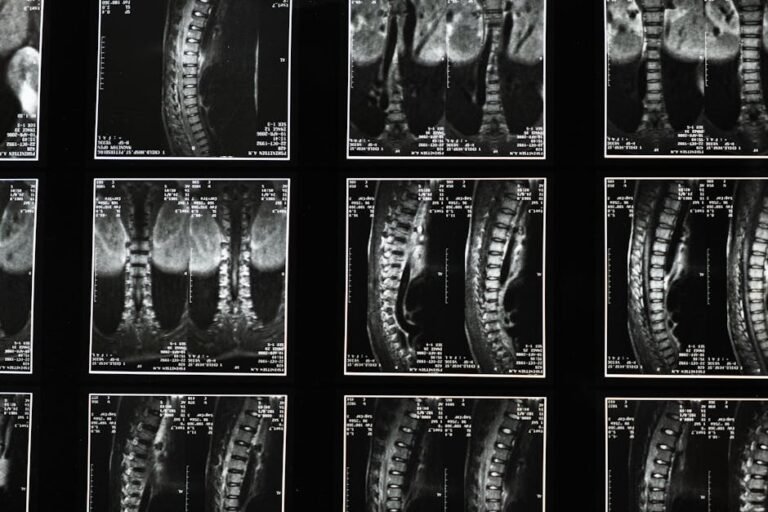
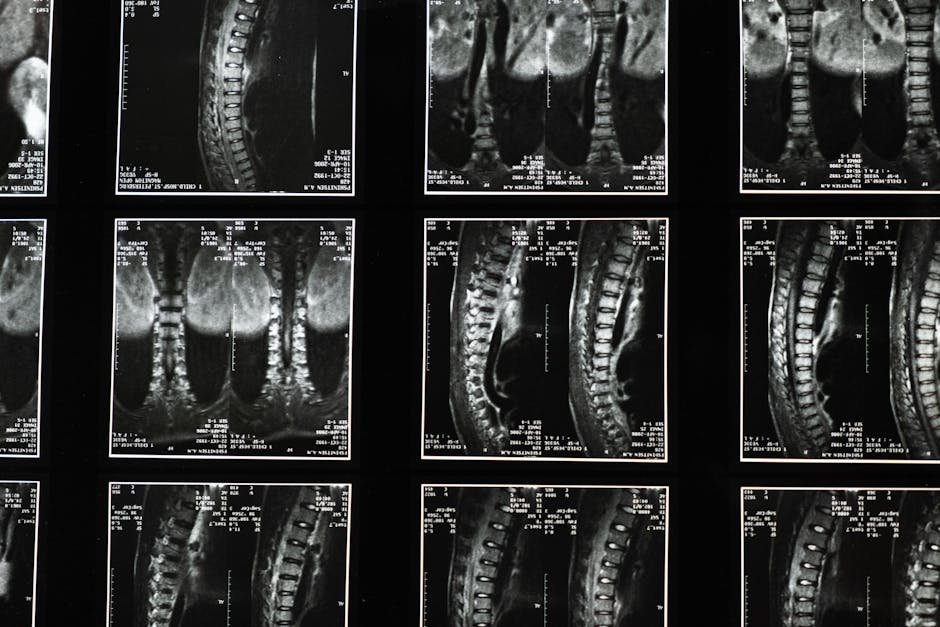
It’s easy to think of your spine as a straightforward column of vertebrae — solid, structural, and largely fixed. But that image doesn’t come close to capturing the truth. Your spine is a dynamic, living structure that juggles several vital jobs all at once. It’s the central pillar holding your body upright, enabling you to walk, carry weight, and stand tall. At the same time, it’s surprisingly flexible, capable of bending forward and backward, tilting side to side, and rotating — often all in the same fluid movement. And perhaps most importantly, it’s the protective housing for your spinal cord, the nerve superhighway that connects your brain to every part of your body.
What makes this possible is a delicate but powerful balance between two seemingly opposing forces: stability and mobility. Your spine needs to be stable enough to support you and protect those precious nerves, but mobile enough to let you move freely through life. Think of a tall, mature tree — its trunk sways gently in a storm but stays firmly rooted. That’s exactly the kind of responsive, resilient strength your spine is designed to have. Achieving that balance isn’t just the job of your back muscles. It depends on a whole supporting cast of tissues that rarely make the headlines but deserve far more attention.
The Unsung Heroes: Ligaments, Fascia, and Your Nervous System
Muscles and bones tend to get all the glory when we talk about back health. But your spinal mobility and comfort are just as dependent on three other key players: ligaments, fascia, and your nervous system. These structures aren’t passive bystanders — they’re actively involved in every single movement you make.
Ligaments are tough, fibrous bands that connect bone to bone. Think of them as the natural seatbelts of your spine. They provide stability to your spinal joints, guide your spine through its safe range of motion, and prevent excessive movement that could cause injury. When ligaments are healthy and appropriately flexible, they do their job quietly and efficiently. But when they become overly stiff or are damaged, they can either restrict your movement or, in the opposite scenario, contribute to unwanted instability.
Fascia is the tissue that’s been generating a lot of well-deserved buzz in the health and movement world lately. Picture a continuous, gossamer-thin yet incredibly strong web that wraps around every muscle, bone, organ, and nerve in your entire body — like a full-body wetsuit made of connective tissue. Healthy fascia is pliable and well-hydrated, allowing muscles to glide smoothly past each other and helping to transmit force efficiently through the body. The trouble is that injury, poor posture, chronic stress, or simply not moving enough can cause fascia to become tight, sticky, and restricted. When that happens, it can limit your range of motion and create discomfort — sometimes in places that seem completely unrelated to where the restriction actually is. For example, tightness in the fascia running down your legs can genuinely affect how freely your lower back moves.
Then there’s your nervous system — the ultimate conductor of all movement. It constantly receives sensory signals from your muscles, joints, ligaments, and fascia, then sends instructions back to coordinate everything seamlessly. When your nervous system perceives a potential threat — whether from an old injury, chronic tension, or even stress — it can effectively “lock down” certain movements as a protective measure, even when there’s no actual physical damage happening. This is why spinal mobility isn’t purely a physical challenge; it’s also deeply connected to how your brain and nerves interpret the safety of movement.
Why Smarter Stretching Gets Better Results for Spinal Mobility
Once you understand the role of fascia, ligaments, and the nervous system in spinal mobility, it becomes clear why the old approach of simply pulling on a muscle and holding it for 30 seconds often falls short. Passive stretching has its place, but on its own it misses a big piece of the puzzle. Modern, evidence-informed approaches recognise that genuine, lasting mobility requires a conversation between your brain, your nervous system, and your physical tissues — not just a tug-of-war with a tight muscle.
Here’s the key insight: your range of motion isn’t solely determined by how long your muscles are. It’s also shaped by how much your nervous system allows those muscles to lengthen. If your brain perceives a stretch as potentially threatening, it may reflexively tighten the muscle to protect you, even if the tissue itself is perfectly capable of going further. This is why some people feel chronically tight no matter how much they stretch — the issue isn’t the muscle, it’s the nervous system’s threat response.
This understanding has led to some genuinely exciting developments in therapeutic exercise and mobility training. Dynamic movement patterns — where you flow through a range of motion rather than holding a static position — help signal to your nervous system that movement is safe and welcome. Neurodynamic techniques specifically address the mobility of nerves themselves, encouraging them to glide freely through surrounding tissues rather than getting “stuck,” which can cause pain or tingling. And Proprioceptive Neuromuscular Facilitation (PNF) methods combine stretching and muscular contraction in a way that can effectively “communicate” with the nervous system, helping achieve deeper, more sustainable ranges of motion. All of these approaches share the same philosophy: optimal spinal health is about your whole body working as a coordinated, intelligent system.
Practical Tips: What You Can Do to Support Your Spinal Mobility
The good news is that you don’t need to overhaul your entire life to start feeling a difference. Small, consistent changes to the way you move — and the way you think about movement — can have a genuinely meaningful impact on your spinal mobility and comfort. Here are some practical, accessible ways to get started:
- Break up stillness regularly. Prolonged sitting or standing in one position is one of the most common culprits for back stiffness. Set a reminder to get up, walk around, and gently move your spine every 30–60 minutes throughout the day.
- Move in all directions. Most people only move their spine forward and back, but it’s designed to bend sideways and rotate too. Include gentle side bends and twists in your daily movement routine to nourish all the tissues around your spine.
- Warm up dynamically before exercise. Before any workout or physical activity, spend five minutes doing controlled, rhythmic movements — cat-cow stretches, gentle torso rotations, leg swings, and arm circles. This prepares both your body and your nervous system for what’s coming.
- Stretch mindfully, not forcefully. Focus on slow, controlled movements paired with steady breathing. Never push a stretch into pain — discomfort should be mild and manageable. Tools like foam rollers or massage balls can help gently release fascial tension in the back, hips, and legs.
- Stay hydrated. Connective tissues like fascia and intervertebral discs are highly dependent on adequate hydration to function well. Drinking enough water throughout the day genuinely supports the health of these structures.
- Eat to reduce inflammation. A diet rich in vegetables, fruits, healthy fats, and lean proteins supports tissue health and repair, while dialling down the chronic low-grade inflammation that can contribute to stiffness and pain.
- Build core awareness — not just core strength. The deep stabilising muscles around your spine need to be responsive and coordinated, not just strong. Focus on gently engaging these muscles during everyday activities like walking, lifting, and sitting, rather than only during dedicated exercise sessions.
- Get professional support when you need it. If you’re dealing with persistent pain, significant stiffness, or you’re not sure where to start, a qualified physiotherapist, chiropractor, or movement specialist can assess your individual situation and guide you through appropriate exercises, including more specialised neurodynamic or PNF techniques.
How Lifestyle Habits Shape the Health of Your Fascia and Ligaments
It’s worth taking a moment to appreciate just how much your day-to-day habits influence the condition of your fascia and ligaments — and by extension, your spinal mobility. These tissues are living, adaptable structures. They respond to the demands you place on them, both positively and negatively. Regular, varied movement keeps fascia hydrated, pliable, and functional. Prolonged inactivity or repetitive movements in only one direction can cause it to become denser and less gliding.
Chronic stress deserves a special mention here. When your nervous system is in a sustained state of tension or alertness, it doesn’t just affect your mood — it can create real, physical tightness in your muscles and fascia. People who carry a lot of stress often notice it directly in their bodies, particularly around the neck, shoulders, and lower back. This is one of the reasons that practices like yoga, tai chi, and mindful movement can be so effective for spinal mobility — they address both the physical and the neurological components of tightness simultaneously.
Posture habits matter enormously too. Spending hours hunched over a screen places sustained, uneven load on your spinal ligaments and compresses certain areas of fascia. Over time, this can cause adaptive shortening and reduced mobility. The solution isn’t to sit rigidly “perfectly straight” — it’s to vary your position frequently and build enough body awareness to recognise when you’ve drifted into positions that place unnecessary strain on your spine.
Building a Long-Term Relationship with Your Spine
One of the most empowering shifts you can make in your approach to back health is moving from a “fix it when it breaks” mindset to a “nurture it consistently” one. Your spine, with all its remarkable tissues — bones, discs, ligaments, fascia, muscles, and nerves — thrives on regular, thoughtful movement and care. It responds beautifully to consistency. You don’t need to spend hours in the gym or become a yoga master. What matters far more is making movement a regular, enjoyable part of your everyday life.
Start with what feels manageable — even five or ten minutes of gentle, mindful movement in the morning can begin to make a difference over days and weeks. Pay attention to how your body responds. Notice when certain movements feel freer, when stiffness begins to ease, when you’re able to do something you couldn’t do before. These are all signs that your connective tissues are adapting and improving. Progress in spinal mobility is often gradual, but it’s real and it’s cumulative.
Investing in your spinal health now pays dividends for decades to come. A mobile, resilient spine supports not just your physical comfort but your independence, your energy levels, and your ability to participate fully in the activities you love. That’s a goal well worth working toward.
The Bottom Line: Spinal mobility is a rich, layered topic that goes far beyond muscles and bones. Your fascia, ligaments, and nervous system all play crucial and interconnected roles in how freely and comfortably you move. By embracing smarter movement strategies — dynamic warm-ups, mindful stretching, varied daily movement, good hydration, and professional guidance when needed — you can work with all these tissues to unlock genuine, lasting improvements in the way your back feels and functions. Your spine is remarkable. With a little understanding and consistent care, it can serve you beautifully for life.
This is not medical advice. Consult your healthcare provider before starting any new health routine or using any product mentioned here.