Spinal Biomechanics: How Your Back Muscles Work Together for Stability and Mobility
This post contains affiliate links. As an Amazon Associate, I earn from qualifying purchases at no extra cost to you.
Free resources — no credit card required for trial
🎧 Listen to health & wellness audiobooks free for 30 days
Start 30-Day Free Trial →
🛒 Recommended Products
As an Amazon Associate we earn from qualifying purchases at no extra cost to you.
TruContour Lumbar Pillow for Sleeping — Adjustable Height Lower Back Support
$39.99
Branfit Shoulder and Back Brace Posture Corrector — Breathable Posture Trainer for Upper B
$24.99
Posture Corrector for Women and Men — Comfortable Effective Brace for Shoulder and Back Pa
$22.99
Bodywellness Posture Corrector for Men and Women — Adjustable Back Straightener with Clavi
$19.99
ComfiLife Lumbar Support Pillow for Sleeping — Memory Foam Triangle Wedge Pillow
$34.99
📚 Read unlimited health books free for 30 days
Try Kindle Unlimited Free →
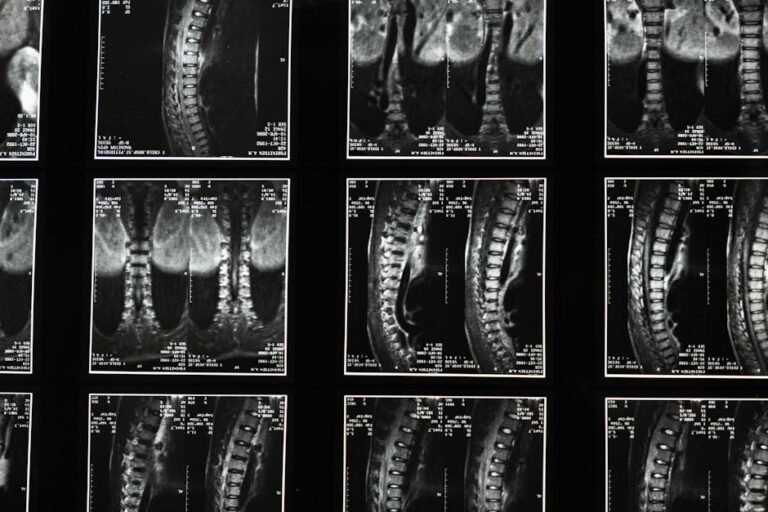
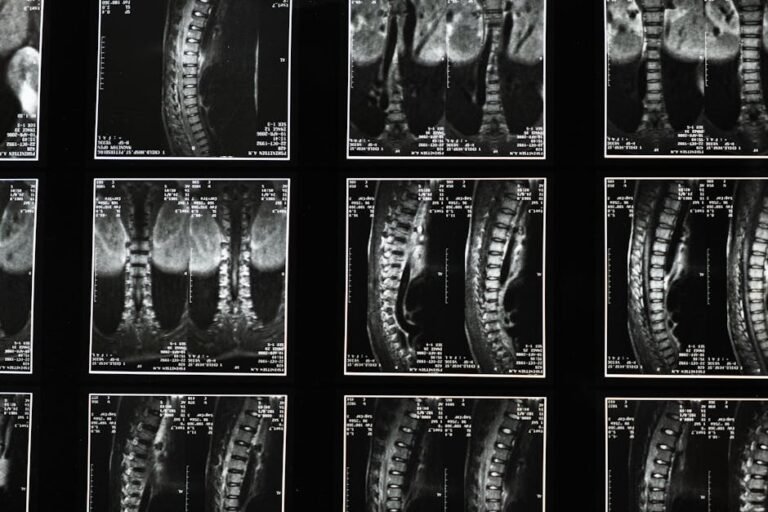
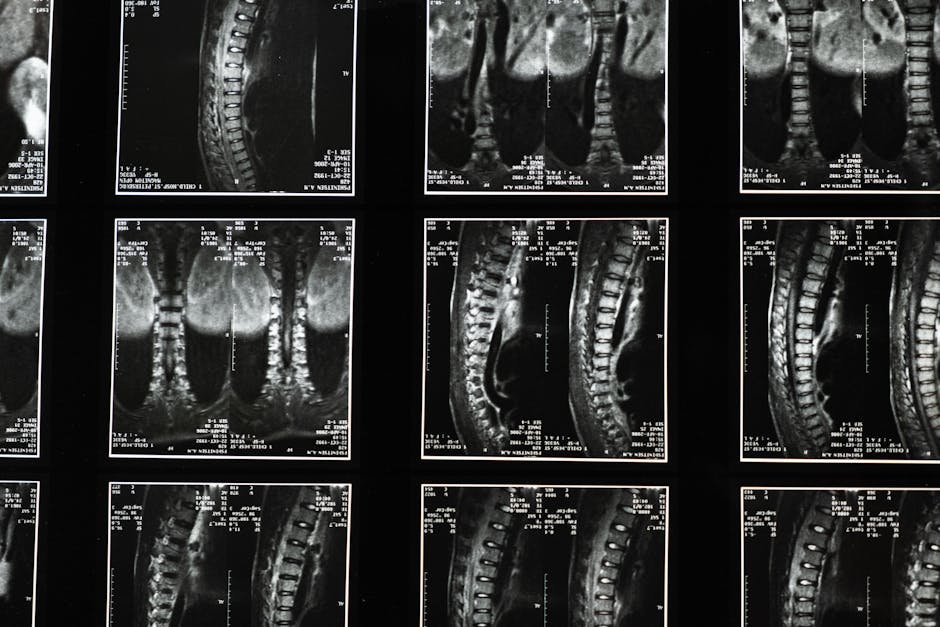
Think about everything your spine has already done for you today. You reached for your morning coffee, bent down to tie your shoes, maybe shifted position a dozen times while scrolling through your phone — and your spine made every single one of those movements possible without you giving it a second thought. That’s the quiet miracle of spinal biomechanics: the remarkable way your back balances stability and mobility at the same time. It’s only when something goes wrong — a nagging ache, a sudden stiffness, or a sharp twinge — that most of us stop and wonder what’s actually going on back there. Understanding how your spine works, and especially how its surrounding muscles coordinate to keep you upright and moving freely, is one of the most empowering things you can do for your long-term back health.
Your Spine: A Living Masterpiece of Engineering
Your spine is far more than a simple stack of bones. It’s a dynamic, living structure that has been fine-tuned by millions of years of evolution to meet some genuinely extraordinary demands. Picture a central pillar that must hold you upright against the relentless pull of gravity, allow you to bend, twist, and reach in virtually any direction, and — perhaps most critically — protect the intricate superhighway of nerves running from your brain all the way down through your body. All at the same time. That’s your spine, every single second of every single day.
This versatility is what lets you take a slow, deep breath, sprint for a bus, or sink into your sofa without a second thought. Your spine is the flexible foundation for every movement you make, from the smallest postural shift in your chair to the powerful forces generated when you lift, jump, or run. And throughout all of it, your spine maintains a precise alignment that keeps those delicate nerves safe and functioning properly. It is, without any exaggeration, one of nature’s most impressive pieces of engineering.
But your bones and discs alone can’t do all this work. The real secret to healthy spinal biomechanics lies in an intricate, layered network of muscles that surround, support, and guide your spine throughout every movement you make. These muscles aren’t simply there to make you look athletic — they are the architects of your spinal health, constantly working in coordination to provide stability, enable mobility, and protect the nerves that control everything you do. To truly understand back health, you need to understand this muscle system.
The Three Muscle Groups That Power Spinal Biomechanics
Most people think of “back muscles” as one big group, but the reality is far more sophisticated. The muscles that govern spinal biomechanics actually fall into three distinct categories, each with its own role, and each deeply dependent on the others. When all three are working well together, your spine feels strong, supple, and pain-free. When one group is out of balance, the whole system can start to struggle. Think of it like a well-rehearsed orchestra — beautiful when every section plays its part, but noticeably off when even one instrument is out of tune.
Understanding these three groups doesn’t require a medical degree. In fact, knowing the basics can completely change how you approach your back care, your workouts, and even the way you sit at your desk. Let’s meet the team.
The Intraspinal Muscles: Your Spine’s Inner Sensors
These are the small, deep muscles nestled right up against your vertebrae — the ones you’ll never see flexing in the mirror, but that are arguably the most important of the three groups. Rather than producing big, powerful movements, their job is all about precision and feedback. Think of them as the spine’s sophisticated fine-tuners, making constant micro-adjustments to keep each individual vertebra properly aligned.
Their primary role is providing what’s called segmental stability — controlling the subtle, tiny movements between each vertebra. Like the suspension system of a high-performance car, they’re absorbing and adjusting to every bump and shift before you’re even aware it’s happening. They also serve as your spine’s proprioceptive surveillance system, which is a science-y way of saying they continuously feed information back to your brain about exactly where each part of your spine is positioned in space. This constant feedback is what allows your brain to make split-second corrections to keep you balanced and safe, preventing awkward positions from turning into injuries.
The Paraspinal Muscles: The Powerhouse of Your Back
If the intraspinal muscles are the precision instruments, the paraspinal muscles are the heavy-duty workhorses. These are the muscles that run alongside your spine and form the primary architectural support system for your back — the ones most people are referring to when they talk about “back muscles.” They generate the substantial forces needed for all your major back movements: bending forward, arching back, twisting to the side, lifting a bag of groceries off the floor.
But the paraspinal muscles aren’t just about producing movement. They’re also regional stabilisers, meaning they provide structural integrity under load. When you’re carrying a heavy backpack or picking up a child, these muscles are working hard to keep your spine from buckling. They’re the brawn of the operation — powerful, robust, and essential for both movement and protection. When people throw out their back, it’s often these muscles that are in distress, sometimes because they’ve been trying to compensate for weakness elsewhere in the system.
The Extraspinal Muscles: Your Whole-Body Connection
Here’s where things get really interesting — and where a lot of back pain sufferers have a lightbulb moment. The extraspinal muscles aren’t directly attached to your spine at all, yet they have a profound influence on how your spine functions. This group includes your abdominal muscles, glutes, hip flexors, and even muscles in your shoulders and chest.
These muscles are the kinetic chain integrators — a way of saying that your body’s parts are all connected and influence one another in a continuous chain. Weak glutes, tight hip flexors, or hunched shoulders can all place extra stress on your lower back, even though those muscles aren’t “back muscles” in the traditional sense. The extraspinal group manages your overall posture, distributes load across your whole body, and connects your spine to the broader patterns of movement you make every day. When this group is strong and balanced, your spine isn’t left carrying more than its fair share of the burden.
Why Spinal Biomechanics Breaks Down — and What That Means for Your Back
The magic of your spinal muscle system lies in its coordination. All three muscle groups operate within a complex neuromuscular control network, communicating continuously and adjusting their activity based on what you’re doing, how fast you’re moving, and what loads you’re carrying. When everything is in sync, this teamwork feels effortless — you move freely and without pain.
But when one part of the team falters, the others are forced to compensate. If your deep intraspinal muscles aren’t providing accurate positional feedback, your larger paraspinal muscles may overwork and become chronically tight. If your paraspinal muscles are weak, you may develop inefficient movement habits that gradually stress your joints and discs. And if your extraspinal muscles — your core, your glutes — aren’t doing their share, your spine ends up absorbing forces it was never meant to handle alone.
This is why back pain so often seems to come out of nowhere, even when you haven’t done anything dramatic. Pain in your back is frequently a symptom of an imbalance or breakdown somewhere within this interconnected system — not necessarily at the exact spot where it hurts. Treating only the area of pain while ignoring the broader muscular picture is a bit like fixing a flat tyre without checking why it went flat in the first place. A holistic view of spinal biomechanics is what allows you to get to the real root of the problem.
What You Can Do: Practical Tips to Support Your Spinal Muscles
The encouraging news is that supporting all three muscle groups doesn’t require elaborate equipment or hours at the gym. Consistent, mindful attention to how you move, sit, strengthen, and stretch makes a genuinely significant difference. Here are some practical steps to keep your spinal dream team functioning at its best:
- Move regularly throughout the day: Prolonged sitting or standing in one position stiffens your spine and dulls the proprioceptive feedback from your intraspinal muscles. Set a reminder to stand, stretch, and move gently every 30 to 60 minutes. Even a short walk to the kitchen counts.
- Build real core strength: Core strength goes well beyond your abdominals. Exercises like planks, bird-dogs, and glute bridges target the deep stabilising muscles, the paraspinal muscles, and the extraspinal group all at once. These movements build the kind of strength that actually protects your spine day to day.
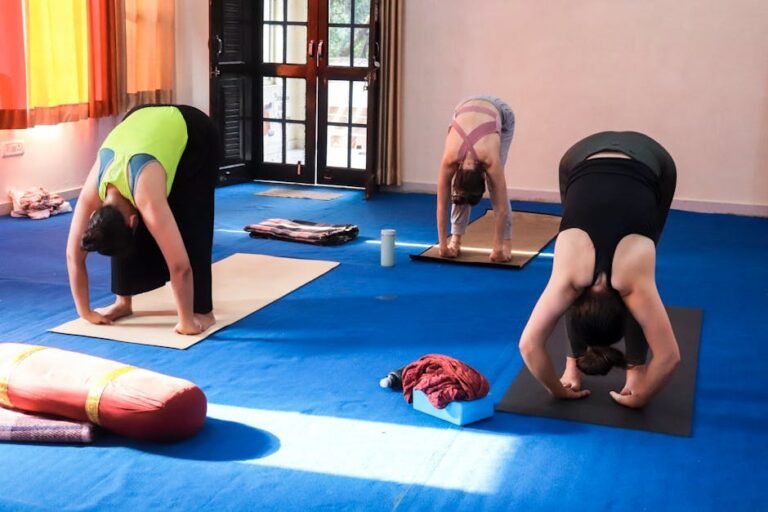
- Prioritise flexibility and mobility: Tight hips and hamstrings force your spine into compensatory positions it wasn’t designed for. Regular stretching of your hip flexors, hamstrings, and mid-back helps your extraspinal muscles support your spine more effectively. Yoga and Pilates are particularly well-suited for improving spinal mobility.
- Practice conscious posture: Good posture isn’t about rigidly holding yourself upright — it’s about efficient load distribution. Throughout the day, gently check in: ears over shoulders, shoulders over hips. This simple awareness can significantly reduce the strain on your spinal muscles over time.
- Lift smartly: The advice to “lift with your legs, not your back” is well-worn because it works. Bending your knees and engaging your glutes and leg muscles puts the extraspinal powerhouses to work and takes the pressure off your paraspinal muscles and spinal discs.
- Don’t ignore persistent discomfort: Your body communicates through sensation. A recurring ache or stiffness is a signal that something in the system is out of balance. Addressing it early — with professional guidance if needed — is far easier than managing a problem that has been left to escalate.
- Consider supportive tools: Lumbar support cushions for your office chair, foam rollers for myofascial release, and resistance bands for targeted strengthening exercises can all be helpful additions to your routine. Look for well-reviewed options that suit your specific needs and lifestyle.
The Bigger Picture: Whole-Body Health Starts with Spinal Awareness
One of the most transformative shifts in modern back care is the move away from treating the spine in isolation. Your spinal biomechanics don’t exist in a vacuum — they’re inseparable from your overall movement patterns, your fitness habits, your posture at work, and even your stress levels (which can cause muscle tension that impacts your back significantly). Recognising this interconnectedness puts you in a much stronger position to take care of yourself.
If you’re currently dealing with back pain or recurring stiffness, this understanding can help you ask better questions when you see a healthcare professional or physiotherapist. Rather than simply asking “what’s wrong with my back?”, you might ask about which muscle groups need strengthening, which areas are tight and restricting movement, and how your overall posture and movement habits might be contributing. That kind of informed conversation leads to better, more targeted care.
And if your back feels fine right now — wonderful! This is the ideal time to invest in it proactively. Building strength and mobility in all three muscle groups, moving regularly, and staying body-aware are the habits that keep spinal biomechanics running smoothly for decades. Your future self will thank you for the attention you give your spine today.
The Bottom Line: Your spine is one of the most sophisticated structures in the human body, balancing stability and mobility through the coordinated teamwork of three interconnected muscle groups — the intraspinal, paraspinal, and extraspinal muscles. When these groups work in harmony, you move freely and without pain. When one falters, the others compensate, and that’s often when discomfort or injury sets in. By understanding how spinal biomechanics actually works, and by taking consistent, practical steps to strengthen, stretch, and move mindfully, you give your spine the support it needs to carry you through life comfortably and confidently.
This is not medical advice. Consult your healthcare provider before starting any new health routine or using any product mentioned here.