The Gluteal Muscles and Spinal-Pelvic Rhythm: Why Your Glutes Are the Secret to a Healthy Back
This post contains affiliate links. As an Amazon Associate, I earn from qualifying purchases at no extra cost to you.
Free resources — no credit card required for trial
🎧 Listen to health & wellness audiobooks free for 30 days
Start 30-Day Free Trial →
📚 Read unlimited health books free for 30 days
Try Kindle Unlimited Free →
Have you ever bent down to pick something up off the floor and felt that sudden, unwelcome twinge in your lower back? Or noticed that certain movements just feel awkward, unstable, or uncomfortable — even when you’re not carrying anything heavy? You’re not alone, and the answer might surprise you. The real key to a pain-free, stable spine isn’t hiding in your abs — it’s sitting right behind you. Your gluteal muscles and the way they work in harmony with your spine through something called spinal-pelvic rhythm may be the missing piece in your back health puzzle. Understanding this connection could genuinely transform the way you move, exercise, and feel every single day.
Why “Strong Abs” Alone Won’t Save Your Back
For years, the go-to advice for protecting your lower back was simple: strengthen your core, do more sit-ups, keep those abs tight. And while there’s certainly nothing wrong with having strong abdominal muscles, this advice only tells part of the story. It’s a bit like trying to fix a wobbly table by only tightening one leg — technically helpful, but not the whole solution. Over the past few decades, researchers and health professionals have completely overhauled the way we think about core stability, and the findings are genuinely eye-opening.
The spine isn’t a rigid, static column. It’s a living, dynamic structure that constantly adapts to the forces placed on it throughout your day — whether you’re lifting a bag of groceries, sprinting for the bus, or simply sitting at your desk for hours on end. To manage all of those demands without breaking down, your spine relies on a beautifully coordinated team effort involving muscles, connective tissue, and your nervous system working together in real time. Core stability, in this modern understanding, isn’t about rigidly bracing your trunk — it’s a fluid, anticipatory system that prepares your body for movement before you even take a step.
This shift in understanding is important for anyone dealing with recurring back discomfort or simply wanting to move better and feel stronger. When we chase isolated muscle strength rather than whole-body coordination, we often miss the root cause of the problem entirely. True spinal health is about teamwork — and your gluteal muscles are some of the most important team players you might be neglecting.
Meet Your Inner Core: The Power Trio Working Behind the Scenes
Before we get to the glutes, it helps to understand what sports scientists call the “inner core unit” — a trio of deep muscles that work together to create internal stability around your spine. These muscles operate largely below your conscious awareness, firing automatically to protect your back during movement. Think of them as the foundation layer of your body’s support system.
The three key players are your transversus abdominis (TvA), your diaphragm, and your pelvic floor muscles. The TvA is your deepest abdominal muscle, wrapping around your midsection like a natural corset. Your diaphragm, the dome-shaped muscle responsible for breathing, plays a surprisingly important role in core stability. And your pelvic floor forms a supportive sling at the base of your pelvis, holding everything together from below.
When these three muscles work in sync — which happens naturally with proper breathing and movement — they generate what’s known as intra-abdominal pressure (IAP). Imagine slowly inflating a balloon inside your torso: that gentle, internal pressure acts like a built-in airbag for your spine, providing stability and support without you having to forcefully brace or hold your breath. Combined with the tensioning of a tough sheet of connective tissue in your lower back called the thoracolumbar fascia, this inner system creates a robust yet adaptable foundation for movement. It’s clever, it’s efficient, and most of us have never been taught how to tap into it properly.
The Gluteal Muscles and Spinal-Pelvic Rhythm: The Connection You Didn’t Know You Needed
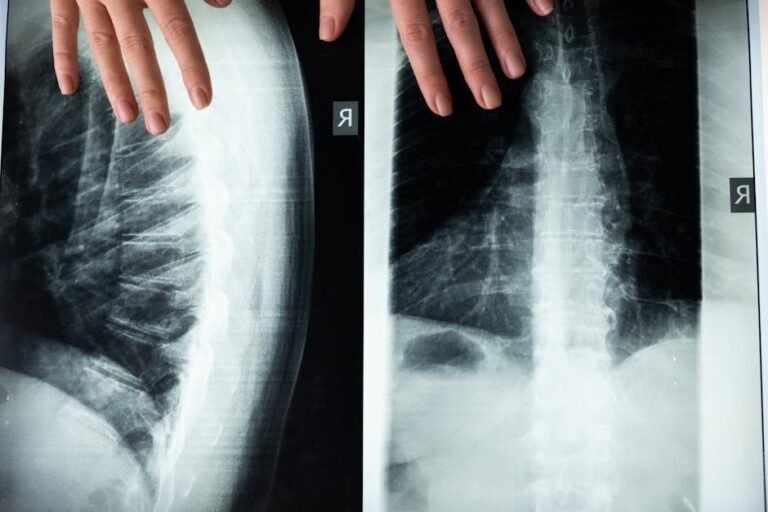
Here’s where things get really interesting. As crucial as that inner core unit is, it can’t do the job alone. Your gluteal muscles — the gluteus maximus, medius, and minimus — are not just there to fill out your jeans. They are powerful, essential partners in the larger system that keeps your spine healthy and your movement efficient. And they are central to the concept of spinal-pelvic rhythm.
Spinal-pelvic rhythm refers to the coordinated movement between your lower back (lumbar spine) and your pelvis as you go about everyday actions — bending forward, picking something up, walking, or squatting. When you lean over to grab something from a low shelf, your spine doesn’t act in isolation; your pelvis tilts forward in a carefully timed, coordinated way. This rhythm ensures that the load of movement is shared efficiently across your joints and muscles, rather than dumping all of that stress onto your lower back. When the rhythm is off — often because the glutes are weak or poorly coordinated — your lower back muscles are forced to compensate, which over time leads to strain, stiffness, and pain.
Strong, well-functioning glutes stabilise your pelvis, which in turn provides a solid, reliable base for your spine to move from. They also control hip extension (moving your leg backward), abduction (moving your leg out to the side), and external rotation (turning your leg outward) — all movements that are deeply intertwined with how your pelvis shifts and how your spine responds. In activities like squatting, lunging, or lifting, your glutes power the hip hinge that allows your spine to stay in a safe, neutral position. When your inner core unit and your glutes are working together, they create a seamless system for transferring forces through your body efficiently and safely. When either part is underperforming, something else — usually your lower back — pays the price.
Why Isolated Training Isn’t Enough: Think in Movement Patterns
One of the most common mistakes people make when trying to address back pain or build a stronger core is focusing on isolated exercises for individual muscles. Dozens of crunches to target the abs, or a few leg raises to work the glutes — these movements have their place, but they don’t teach your body how to work as a coordinated whole. And coordination, as we’ve seen, is everything when it comes to spinal health.
Your nervous system is the conductor of this entire orchestra. It sends signals to your muscles — including your deep core and your glutes — before you even consciously begin a movement, priming them to provide the right amount of support at exactly the right moment. This anticipatory function is only developed through movement patterns that challenge the whole system together, not through exercises that isolate one muscle at a time. When you train in patterns rather than in isolation, you’re essentially teaching your body better coordination habits that carry over into real life.
This is why exercises like squats, deadlifts, planks, and loaded carries are so valuable for spine health — they demand input from your breathing muscles, your deep core, your glutes, and your nervous system all at once. They train the spinal-pelvic rhythm in a way that translates directly to the movements you perform every day, from climbing stairs to lifting your kids or carrying shopping bags. Optimal core stability, in short, can’t be achieved through isolated muscle training — it requires developing neuromuscular control, proper breathing, and movement quality across your entire body.
Practical Tips: What You Can Do to Support Your Spine and Strengthen Your Glutes
The good news is that improving your spinal-pelvic rhythm and building a genuinely functional core doesn’t require a gym membership or complicated equipment. It starts with awareness, progresses through smart movement habits, and builds over time into greater strength and resilience. Here are some practical, accessible steps you can start today:
- Practice diaphragmatic breathing daily. Lie on your back, place one hand on your stomach, and breathe deeply so your belly rises and falls. This simple habit helps activate and coordinate your diaphragm, pelvic floor, and transversus abdominis — the inner core trio.
- Add pelvic floor exercises to your routine. Gentle Kegel contractions — focusing on lifting and releasing rather than just squeezing — strengthen a key part of the inner core unit. Try doing these while breathing naturally, a few times a day.
- Include glute-specific exercises regularly. Glute bridges, clamshells, squats, and lunges are all excellent options. Focus on actually feeling your glute muscles working, not just going through the motion.
- Embrace compound, whole-body movements. Squats, deadlifts, farmer’s carries, and planks all require your inner core, glutes, and nervous system to coordinate together — which is exactly how your body works in real life.
- Learn to brace smartly before lifting. Rather than sucking your stomach in, gently expand your abdominal wall in all directions (as if bracing for a light tap to the belly) just before you lift something. This engages your TvA and creates intra-abdominal pressure naturally, without holding your breath.
- Move more throughout the day. Prolonged sitting can switch off your glutes and disrupt healthy movement patterns. Take regular breaks, stretch your hip flexors, and incorporate short walks or standing intervals into your day.
- Get a professional assessment if needed. If you’re dealing with persistent back pain or feel uncertain where to start, a physiotherapist, chiropractor, or certified movement specialist can assess your individual patterns and guide you with personalised exercises.
The beauty of this approach is that small, consistent changes in how you breathe, move, and exercise can produce significant improvements over time. You don’t need to overhaul your entire lifestyle — you just need to start connecting the dots between your breath, your deep core, and those all-important gluteal muscles.
Building a Body That Moves Well for Life
There is something genuinely empowering about understanding how your own body works. When you realise that the lower back pain you’ve been experiencing might be connected to underactive glutes, or that the way you breathe actually influences how stable your spine is, it shifts the conversation from passive suffering to active, informed action. You stop chasing quick fixes and start building something that lasts.
The relationship between the gluteal muscles and spinal-pelvic rhythm is a perfect example of the body’s incredible interconnectedness. Nothing works in isolation — not your abs, not your glutes, not your breathing. It’s all one integrated system, and when you train it as such, the results go far beyond a stronger back. People often report moving more freely, feeling more confident in physical activities, experiencing less fatigue, and even carrying themselves differently as their posture improves naturally.
Whether you’re recovering from an injury, trying to prevent one, or simply wanting to feel more capable and comfortable in your body as the years go by, embracing this whole-body approach to core stability is one of the most valuable investments you can make in your long-term health. Start where you are, move with intention, and trust that your body — given the right cues and consistent practice — is remarkably good at adapting and getting stronger.
The Bottom Line: Your gluteal muscles are far more than just the largest muscles in your body — they are essential partners in the coordinated system that keeps your spine healthy, stable, and pain-free. Through the concept of spinal-pelvic rhythm, your glutes work hand-in-hand with your deep inner core muscles (the transversus abdominis, diaphragm, and pelvic floor) to distribute load efficiently, protect your lower back, and power confident, fluid movement. Moving beyond isolated ab exercises toward a whole-body approach that includes glute training, mindful breathing, and compound movement patterns is the smartest thing you can do for your spine — and for your overall quality of life.
This is not medical advice. Consult your healthcare provider before starting any new health routine or using any product mentioned here.