Spinal Injections for Back Pain: What You Need to Know About Patient Selection and Safety
This post contains affiliate links. As an Amazon Associate, I earn from qualifying purchases at no extra cost to you.
Free resources — no credit card required for trial
🎧 Listen to health & wellness audiobooks free for 30 days
Start 30-Day Free Trial →
📚 Read unlimited health books free for 30 days
Try Kindle Unlimited Free →
Back pain has a way of quietly stealing your life. One day you’re walking the dog, gardening, or simply sitting at your desk — and the next, even the smallest movements feel impossible. If you’ve been living with persistent spinal pain that refuses to respond to rest, over-the-counter medications, or physical therapy, you may have started wondering whether there’s something more targeted that could actually help. Spinal injections are increasingly recognised as a powerful option in pain management — but knowing whether they’re right for you, and understanding how modern safety protocols protect patients, can make all the difference in your recovery journey. This guide breaks it all down in plain, practical language so you can have a much more confident conversation with your doctor.
Understanding Your Spine and Why Back Pain Happens
Your spine is genuinely one of the most impressive structures in the human body. Far from being a simple stack of bones, it’s a sophisticated, flexible column that supports your entire upper body, allows you to bend, twist, and move freely, and — critically — protects the network of nerves connecting your brain to the rest of your body. It’s made up of vertebrae (the individual bones), soft cushioning discs between them, strong ligaments, powerful supporting muscles, and a complex web of nerves that are constantly relaying signals throughout your system.
When everything is working in harmony, you barely think about your spine at all. But this complexity also means there are many ways things can go wrong. Everyday wear and tear, sudden injuries, inflammation, degenerative changes like arthritis, or even poor posture over many years can all disrupt the delicate balance. When something shifts out of place — whether it’s a herniated disc pressing on a nerve, inflamed facet joints, or irritated nerve roots — the result is often pain. Sometimes it’s a dull, nagging ache in your lower back. Other times it’s a sharp, shooting sensation that travels all the way down your leg (a classic sign of sciatica). Either way, it can be exhausting and genuinely debilitating.
What makes spinal pain particularly challenging is its knock-on effect on your whole life. Chronic back pain doesn’t just hurt — it drains your energy, affects your sleep, impacts your mood, and can make you feel like you’re watching life happen around you rather than participating in it. That’s why effective pain management isn’t just about reducing discomfort. It’s about restoring your freedom to live well.
When Conservative Treatments Aren’t Enough: The Role of Spinal Injections in Pain Management
When back pain first strikes, most healthcare providers — quite rightly — start with conservative approaches. Physical therapy to strengthen the muscles supporting your spine, anti-inflammatory medications, muscle relaxants, and lifestyle changes like improving posture or managing weight are all important first steps. For a significant number of people, this combination of strategies provides enough relief to manage their condition and gradually improve over time.
But for many others, despite weeks or even months of dedicated effort, conservative treatments simply don’t deliver sufficient or lasting relief. This is where interventional pain management — particularly targeted spinal injections — becomes a serious and worthwhile consideration. These procedures aren’t about abandoning conservative care. Instead, they’re designed to work alongside it, filling a critical gap when pain remains too severe for physical therapy to be effective on its own.
Spinal injections can serve several important purposes in a broader pain management plan. They can deliver potent anti-inflammatory medication directly to the source of pain, whether that’s an inflamed nerve root, a joint, or another specific structure. Some injections work by temporarily blocking or modulating pain signals before they reach the brain, offering a crucial window of relief. Perhaps most importantly, by significantly reducing pain and inflammation, these procedures can create what specialists often call a “window of opportunity” — a period during which you can actually participate meaningfully in physical therapy and rehabilitation exercises that would otherwise be too painful to attempt. Without that pain reduction, strengthening and mobility programmes are often impossible to engage with properly.
How Modern Spinal Injection Techniques Have Evolved
The spinal injections of today look very different from those performed even a couple of decades ago. In the past, many of these procedures were performed without real-time visual guidance — relying entirely on the doctor’s knowledge of anatomy and a skilled sense of feel. While experienced practitioners achieved reasonable results, the margin for error was significantly higher than it is now.
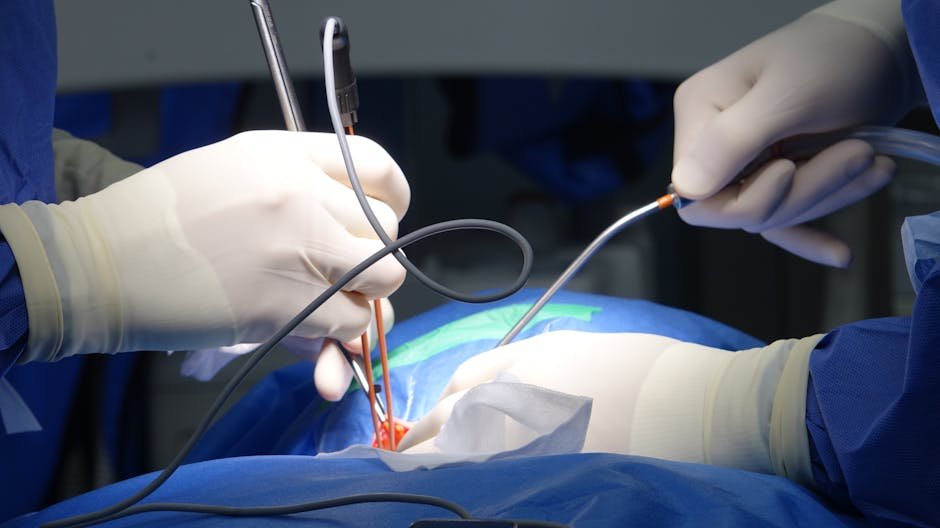
Advances in imaging technology have completely transformed the field. Today, spinal injections are almost always performed under image guidance, using technologies like fluoroscopy (a form of live X-ray), ultrasound, or CT scanning. These tools allow the treating physician to see exactly where the needle is going in real time, guiding it with precision to the specific target — whether that’s an inflamed nerve root, a facet joint, or a disc space. The difference this makes to both safety and effectiveness is enormous.
This level of precision means the medication is delivered exactly where it needs to go, directly at the source of pain. Not only does this maximise the therapeutic effect, but it also means less medication is needed overall, which can reduce the risk of side effects compared to taking oral medications that affect your entire body. Image-guided spinal injections have become a cornerstone of modern multimodal pain management, frequently serving as a bridge between conservative treatments and — in some cases — surgical interventions for those who ultimately need them.
Patient Selection and Safety Protocols: Why They Matter So Much
One of the most important aspects of spinal injections that doesn’t always get enough attention is the question of who should — and shouldn’t — have them. Patient selection is a critical part of the safety and success story of these procedures. Not everyone with back pain is a suitable candidate, and responsible practitioners take thorough steps to assess each individual before recommending an injection.
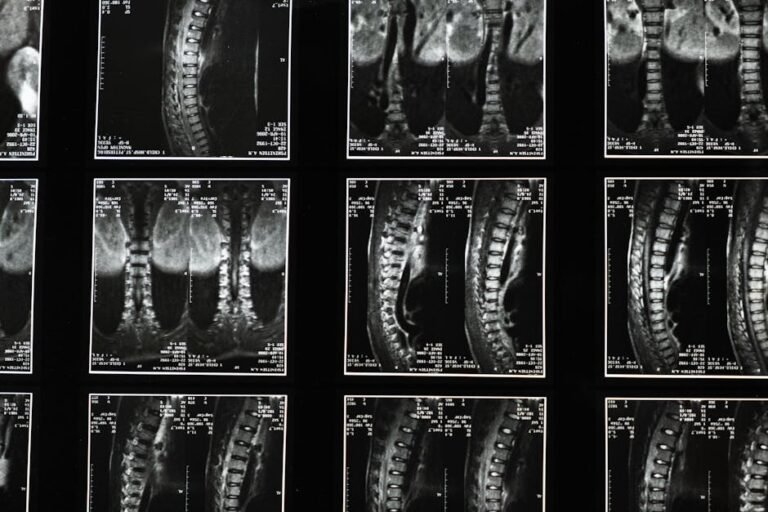
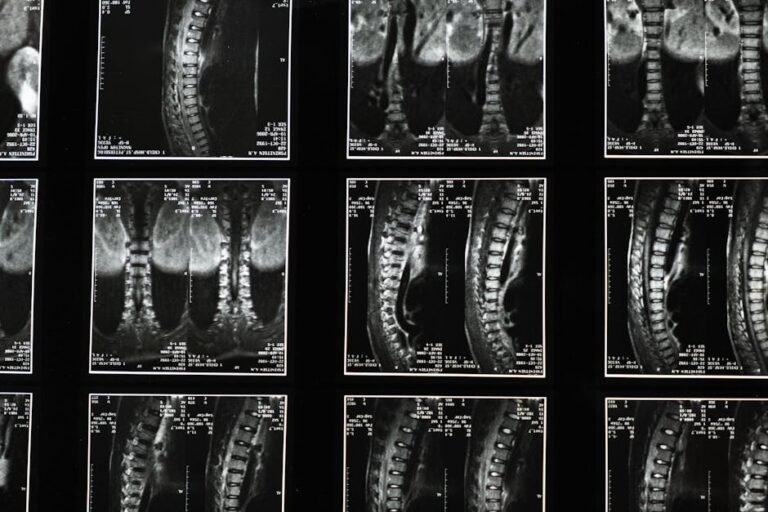
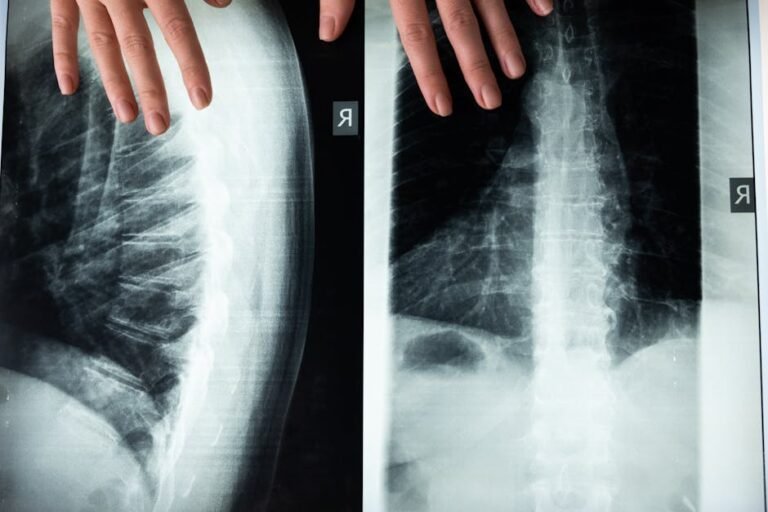
A thorough diagnostic workup is the essential starting point. Before any injection is considered, your healthcare provider should have a clear, specific understanding of the exact cause and location of your pain. This typically involves reviewing your medical history in detail, conducting a physical examination, and using imaging studies like MRI or CT scans to identify the precise structural problem driving your symptoms. Without an accurate diagnosis, even a perfectly executed injection is unlikely to provide meaningful relief — because it won’t be targeting the right structure.
Safety protocols also include a careful review of your overall health status, any medications you’re taking (particularly blood thinners, which may need to be temporarily paused), allergies, and any previous reactions to injections or contrast dye. Certain conditions — such as active infection, uncontrolled bleeding disorders, or specific allergies — may mean that spinal injections are not appropriate at a given time. Having honest, open conversations with your doctor about your full medical picture is essential to making sure these procedures are carried out as safely as possible.
What You Can Do: Practical Tips for Navigating Spinal Injection Treatment
If you’re considering a spinal injection as part of your back pain management plan, being prepared and proactive will serve you well. Here are some practical steps and questions to work through with your healthcare team:
- Insist on an accurate diagnosis first. Before agreeing to any injection, make sure your doctor can clearly explain what structure is causing your pain and why an injection is the appropriate next step. Precision in treatment starts with precision in diagnosis.
- Ask what you’ve tried and what comes next. Discuss the conservative treatments you’ve already attempted. Understanding where an injection fits in the broader treatment pathway helps set realistic expectations.
- Understand the procedure in detail. Ask your doctor to walk you through what will happen before, during, and after the injection. Will imaging guidance be used? Will you need sedation? How long will it take? What should you expect in the hours afterwards?
- Set realistic goals together. Spinal injections are rarely a permanent cure. Clarify with your provider whether the aim is to reduce pain enough to allow physical therapy, improve your daily function, or something else — and agree on how you’ll measure success.
- Have a thorough risk and benefit conversation. Every medical procedure involves trade-offs. Make sure you understand the potential risks specific to your situation, as well as the realistic benefits, so you can make a truly informed decision.
- Plan your rehabilitation pathway. Ask what comes after the injection. Will you be starting or continuing physical therapy? When can you return to normal activities? Having a clear post-procedural plan in place is key to making the most of the relief an injection can provide.
- Support your recovery at home. Consider supportive products like ergonomic lumbar support cushions, heat and cold therapy packs, or a quality foam roller for gentle mobility work — all of which can complement professional treatment between appointments.
Spinal Injections as Part of a Bigger Picture: Long-Term Spine Health
Perhaps the most important thing to understand about spinal injections is what they are — and what they aren’t. They are a powerful, targeted tool in a well-structured pain management plan. They are not a standalone solution that will eliminate back pain forever with a single shot. The most successful outcomes happen when injections are used strategically as part of a comprehensive, multidisciplinary approach to spinal health.
When an injection successfully reduces pain and inflammation, the real work begins. That window of reduced pain is your opportunity to engage fully with physical therapy, build strength in the muscles that support your spine, work on your posture and movement patterns, and develop habits that help protect your back over the long term. Many people find that after an injection, they’re able to make progress in rehabilitation that simply wasn’t possible before — and that progress is what creates more lasting improvements in function and quality of life.
Understanding the full picture — the role of patient selection, the importance of modern imaging-guided safety protocols, and the value of integrating injections into a broader recovery plan — puts you in a genuinely stronger position as a patient. You’re not passively receiving a treatment; you’re actively participating in a strategy designed to help you reclaim your comfort, mobility, and quality of life. That’s a meaningful and empowering shift in perspective, and one that tends to produce better outcomes.
For those who have been struggling with persistent spinal pain that hasn’t responded to simpler measures, targeted spinal injections — delivered with modern precision and within a carefully considered safety framework — can genuinely represent a turning point. They won’t be right for everyone, and no reputable provider will suggest otherwise. But for the right patient, at the right time, and as part of the right overall plan, they can offer something truly valuable: a path back to the activities, comfort, and quality of life that chronic pain has been quietly taking away.
The Bottom Line: Spinal injections have evolved into a precise, image-guided pain management tool that can make a real difference for people living with persistent back pain that hasn’t responded to conservative treatment. The key to success lies in thorough patient selection, rigorous safety protocols, and integrating injections into a broader rehabilitation plan rather than treating them as a quick fix. By educating yourself, asking the right questions, and working closely with a qualified healthcare team, you can make truly informed decisions about your spinal health and take meaningful steps toward lasting relief and better everyday function.
This is not medical advice. Consult your healthcare provider before starting any new health routine or using any product mentioned here.