How to Build Strong Immunity Before Travel: A Senior’s Complete Guide
This post contains affiliate links. As an Amazon Associate, I earn from qualifying purchases at no extra cost to you.
Free resources — no credit card required for trial
🎧 Listen to health & wellness audiobooks free for 30 days
Start 30-Day Free Trial →
📚 Read unlimited health books free for 30 days
Try Kindle Unlimited Free →
Free resources — no credit card required for trial
🎧 Listen to health & wellness audiobooks free for 30 days
Start 30-Day Free Trial →
📚 Read unlimited health books free for 30 days
Try Kindle Unlimited Free →
Planning a trip is one of life’s great joys — but if you’re a senior, you know that travel can also take a toll on your body. New environments, disrupted sleep, crowded airports, and changes in diet can all challenge your body’s defenses. That’s why learning how to build strong immunity before travel isn’t just smart — it’s one of the best gifts you can give yourself before you pack your bags. The good news? You don’t need drastic changes or expensive products. With a few consistent habits, some thoughtful planning, and a chat with your doctor, you can head out the door feeling prepared, energized, and genuinely ready to enjoy every moment of your adventure.
Why Building Immunity Before Travel Matters More for Seniors
As we get older, our immune system naturally changes. The two main parts of our defenses — the innate system (think of it as your body’s first responders, like your skin and mucous membranes) and the adaptive system (the specialized cells that learn to recognize and fight specific germs) — can both become a little slower and less precise with age. That means your body may take longer to identify and respond to an unfamiliar virus or bacteria, especially when you’re somewhere new.
Travel adds extra pressure on top of that. Long flights mean hours of dry, recirculated air and close contact with other passengers. Crossing time zones disrupts your sleep, which directly affects how well your immune cells function. Changes in food, water, and daily routine can also throw your digestion and energy levels off balance. None of this is meant to scare you — millions of seniors travel happily and healthily every year. But it does explain why building a strong foundation before you leave is so worthwhile.
The goal here isn’t perfection. It’s about giving your body the steady, reliable support it needs so that if you do encounter a germ along the way, you’re in the best possible position to handle it quickly and bounce back fast.
Start With Your Doctor: The Most Important First Step
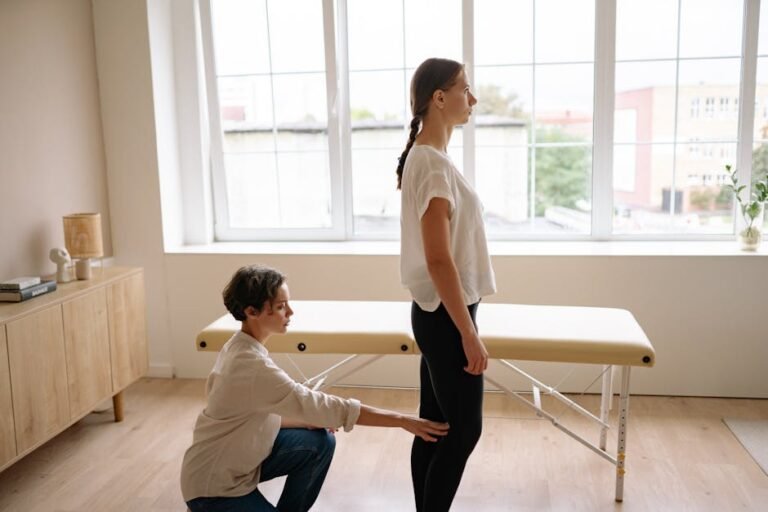
Before you do anything else, schedule a pre-travel conversation with your healthcare provider. This is especially important if you have a chronic condition like diabetes, heart disease, or kidney issues, or if you take medications that affect your immune response. Share your destination, your planned activities, and how long you’ll be away. Your doctor can give you personalized advice that no blog post — however well-intentioned — can replace.
One of the most important things to discuss is your vaccination status. Staying current with vaccines is one of the most effective ways to protect your immune health before travel. Most seniors benefit from the seasonal flu vaccine and pneumonia vaccines, and your doctor can advise you on COVID-19 boosters based on your age and health history. If you’re traveling internationally, certain destinations may also require or strongly recommend specific vaccines, so bring a list of where you’re going and ask about any destination-specific recommendations.
Also use this appointment to review your medications. Some drugs can affect how your immune system responds, and others may interact with supplements you’re considering. Knowing your starting point — and getting personalized guidance — means you can tailor every other step in this guide to fit your unique situation. Ideally, aim to have this conversation at least four to six weeks before your departure date.
Fuel Your Body: Nutrition and Hydration for Immune Health Before Travel
What you eat in the weeks leading up to your trip plays a bigger role in your immunity than most people realize. Your immune cells need protein to function properly, so aim to include a good protein source at every meal — think eggs, fish, lean meats, dairy, beans, tofu, or a handful of nuts. This isn’t about counting grams obsessively; it’s simply about making sure protein shows up regularly throughout your day.
Colorful fruits and vegetables are your next priority. Foods rich in vitamin C — like oranges, strawberries, kiwi, and bell peppers — contain nutrients that support immune function. Dark leafy greens, sweet potatoes, and berries all bring their own beneficial compounds to the table too. Don’t stress about eating perfectly; just aim to fill half your plate with produce at most meals and you’ll be on the right track.
Minerals matter as well. Zinc-rich foods like meat, seafood, beans, and fortified cereals support immune cell production. Vitamin D — found in fatty fish, fortified milks, and modest sun exposure — is also important, especially since many older adults are deficient without realizing it. If you’re concerned you’re not getting enough of certain nutrients through food alone, talk with your clinician about whether a supplement makes sense. But please don’t self-prescribe high-dose vitamins — more is not always better, and some can cause real problems at excessive amounts.
Hydration deserves its own mention. Dehydration can leave you feeling fatigued and make your body’s defenses less effective. A practical target for most seniors is around six to eight cups of fluids per day, though this varies depending on your health, climate, and any medications you take. On travel days — especially long flights where the cabin air is very dry — make a point of sipping water regularly. Hydrating foods like soups, broths, and juicy fruits count toward your total too.
Sleep, Movement, and Stress: The Lifestyle Trio for Strong Immunity
Sleep is one of the most powerful immune-supporting tools available to you, and it’s completely free. While you sleep, your body produces and releases key immune cells. Most adults do well with seven to nine hours a night, though individual needs vary. In the days leading up to travel, try to stick to a consistent sleep schedule — going to bed and waking up at roughly the same time each day. If you’re crossing time zones, start gradually shifting your bedtime a few days before you leave and use natural light exposure to help reset your body clock at your destination.
Regular, moderate movement is equally important. You don’t need to train for a marathon — a daily walk, some gentle stretching, or even seated chair exercises a few times a week can improve circulation, boost energy, and support the efficient movement of immune cells through your body. If you have chronic conditions, always tailor activity to what’s safe for you. On travel days, try to stand and stretch briefly every hour, whether you’re on a plane, train, or in a car.
Stress management is the third piece of the puzzle, and it’s easy to overlook when you’re caught up in the excitement of planning a trip. Chronic or ongoing stress can actually dampen your immune response over time. Simple techniques can make a real difference: try slow, intentional breathing (inhale for four counts, exhale for six), a short daily walk, or just ten minutes of quiet reading before bed. Maintaining familiar routines — regular mealtimes, a consistent wind-down ritual, a comfortable pace rather than an overloaded itinerary — also helps your body feel stable and supported, even in a new environment.
What You Can Do: Practical Tips to Boost Your Immunity Before Travel
Here’s a simple, actionable checklist you can start using today — no matter how far away your trip is. Think of this as your personal pre-travel wellness plan.
- Book a pre-travel doctor’s appointment at least four to six weeks before departure. Discuss vaccines, medications, and any destination-specific health risks.
- Review your vaccination records and get any recommended boosters, including flu, pneumonia, and COVID-19 as advised by your doctor.
- Include protein at every meal — eggs at breakfast, beans or fish at lunch, lean meat or tofu at dinner. Small, steady choices add up.
- Add one extra serving of colorful produce each day — a handful of berries with breakfast, a side salad at lunch, or a sliced bell pepper as a snack.
- Drink a glass of water first thing in the morning and keep a water bottle nearby throughout the day.
- Set a consistent bedtime and stick to it, even on weekends, in the weeks before travel. Dim the lights an hour before bed to signal your body that it’s time to wind down.
- Take a 15–20 minute walk each day — outside if possible, for the added benefit of natural light and fresh air.
- Practice one minute of slow breathing each morning — it takes almost no time and can genuinely calm your nervous system.
- Pack a simple medical kit with essential medications, copies of prescriptions, a list of allergies, a thermometer, rehydration salts, and your doctor’s contact information.
- On travel days, move every hour — even a brief stand and stretch in the aisle of a plane counts. Stay hydrated and consider wearing a mask in crowded spaces if you’re at higher risk.
- Wash your hands frequently — at least 20 seconds with soap and water — and use hand sanitizer when washing isn’t possible. Try not to touch your face, especially in airports and on planes.
- Check food and water safety at your destination — drink water you trust, avoid ice from unknown sources, and stick to well-cooked foods in areas where food safety standards differ from home.
A Sensible Approach to Supplements for Senior Immune Health
It’s tempting to reach for a shelf full of supplements before a big trip, hoping to give your immune system an extra boost. The reality is a little more nuanced — and that’s actually reassuring, because it means you don’t need to spend a fortune. Supplements can genuinely help when you’re deficient in a key nutrient, but they’re not a shortcut that bypasses the need for good sleep, nutrition, and hydration.
The most commonly recommended options for older adults, with a clinician’s guidance, include vitamin D (particularly if your levels are already low, which is common in seniors), zinc (useful short-term, but the dosage matters — too much can interfere with copper balance and interact with certain medications), and vitamin C (most beneficial in food form; high-dose supplements offer little extra protection and can actually cause stomach upset or other issues). Always read labels carefully and steer well clear of mega-doses.
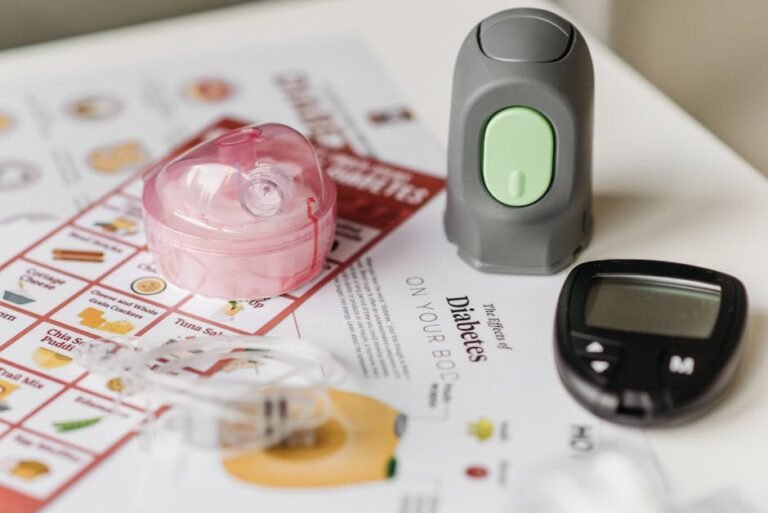
This point is especially important if you have kidney disease, gout, or take anticoagulants or diabetes medications — certain supplements can interact with these conditions or drugs in ways that are genuinely harmful. The safest approach is simple: bring a list of any supplements you’re considering to your next doctor’s appointment and ask whether they’re appropriate for you specifically. That one conversation could save you from both wasted money and unwanted side effects.
The Bottom Line: Building strong immunity before travel isn’t about doing everything perfectly or taking a handful of pills — it’s about giving your body consistent, loving support in the weeks leading up to your trip. A quick check-in with your doctor, nourishing meals rich in protein and colorful produce, reliable sleep, daily movement, stress management, and smart hygiene habits on the road all work together to help you feel your best. Start planning four to six weeks before you leave, keep your routine simple and sustainable, and remember that small, steady habits today can lead to healthier, happier travels tomorrow. You’ve earned this trip — go enjoy every moment of it.
This is not medical advice. Consult your healthcare provider before starting any new health routine or using any product mentioned here.