Senior-Friendly Mini Step Workouts: Build Strength, Balance, and Confidence to Prevent Falls
This post contains affiliate links. As an Amazon Associate, I earn from qualifying purchases at no extra cost to you.
Free resources — no credit card required for trial
🎧 Listen to health & wellness audiobooks free for 30 days
Start 30-Day Free Trial →
🛒 Recommended Products
As an Amazon Associate we earn from qualifying purchases at no extra cost to you.
TheraBand First Step to Active Health Kit — Senior Exercise Program for Balance and Fall P
$19.99
EZ Off Jar Opener for Seniors — Under Cabinet Jar Opener for Weak Hands and Arthritis
$9.99
Omron 5 Series Upper Arm Blood Pressure Monitor — 2-User 100-Reading Memory Wide-Range Cuf
$44.99
OMRON 7 Series Wireless Wrist Blood Pressure Monitor — Clinically Validated with Connect A
$69.99
Vitality 4 Life Senior Resistance Band with Instruction Guide — Specifically for Elderly F
$16.99
📚 Read unlimited health books free for 30 days
Try Kindle Unlimited Free →
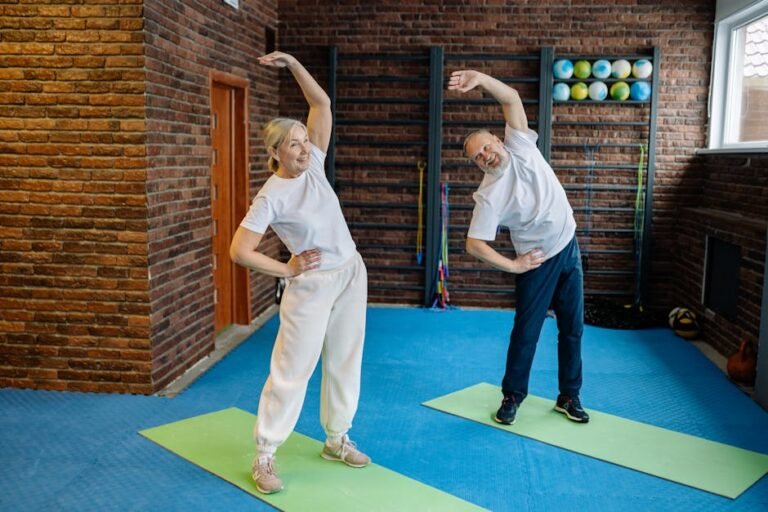
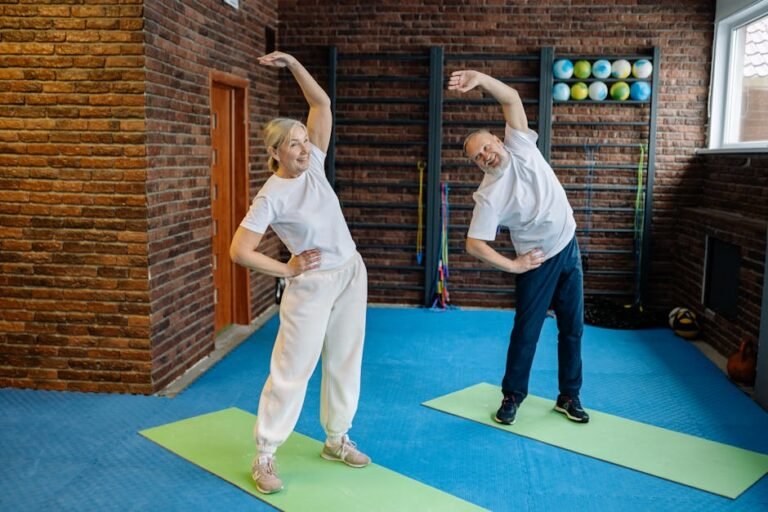
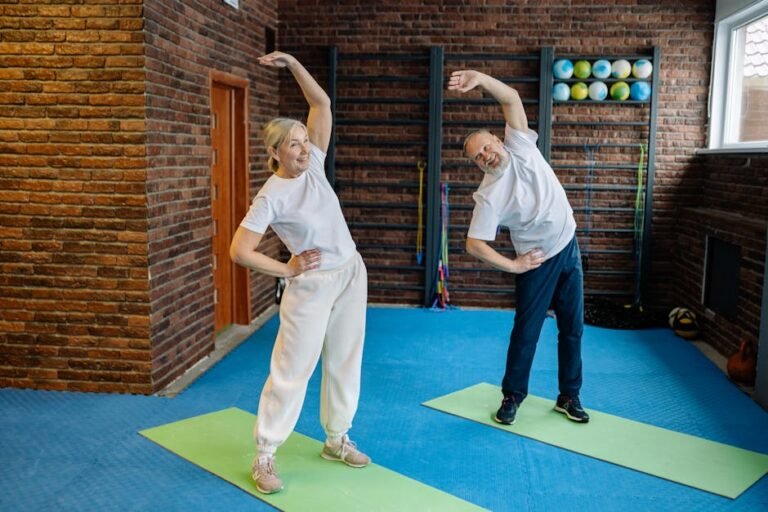
Feeling steady on your feet is one of the most powerful things you can do to protect your independence as you get older. Falls are a leading concern for older adults, but here’s the encouraging truth: you don’t need a gym membership, expensive equipment, or hour-long workout sessions to make a real difference. Senior-friendly mini step workouts — short, simple routines done on a sturdy step or the bottom stair of your home — can strengthen your legs, sharpen your balance, and give you the kind of quiet confidence that makes daily life feel safer and easier. Whether you’re stepping up to reach a shelf, climbing stairs, or just getting out of your favourite chair, these small movements add up to big benefits over time.
Why Strength and Balance Training Matters So Much for Seniors
As we age, muscle mass naturally decreases — a process called sarcopenia — and our sense of balance becomes less reliable. This combination can make everyday activities feel more effortful and, in some cases, more risky. The good news is that muscles can be trained and balance can be improved at any age. Consistent, gentle movement is the key, and you don’t have to go big to see results.
Leg strength is particularly important because your legs do the heavy lifting in almost every movement you make — standing up from a chair, navigating a kerb, stepping over a puddle. When those muscles are strong and responsive, your body is much better equipped to catch itself if you stumble. And when your ankles, hips, and core are working together with good coordination, the risk of sideways slips and unexpected trips goes down significantly.
Mini step workouts are ideally suited to this kind of training. They mimic real-life movements, they can be done safely at home, and they’re easy to scale up gradually as your strength and confidence grow. Think of them less as “exercise” and more as practice for the movements that matter most in your day.
Before You Begin: Simple Safety Tips to Keep in Mind
A little preparation goes a long way toward making your workouts safe and enjoyable. First, if you have any concerns about your knees, hips, ankles, heart, or overall health, it’s worth having a quick chat with your doctor before starting any new exercise routine. They know your individual situation best and can give you personalised guidance.
Set up your space thoughtfully. Use a sturdy step or the bottom stair of a solid staircase — nothing wobbly or slippery. Keep a chair, countertop, or wall rail within easy reach so you always have something to hold onto if needed. Wear supportive, non-slip shoes with good grip — this simple choice makes a surprisingly big difference.
Before you dive in, spend a few minutes warming up. Marching on the spot, gentle shoulder rolls, and slow arm circles help wake up your muscles and get your blood flowing. And always listen to your body. If you feel pain, dizziness, or shortness of breath during any exercise, stop, rest, and slow right down. Progress is meant to be gradual and comfortable — never painful.
Five Senior-Friendly Mini Step Workouts to Try at Home
These five routines cover a range of movements and abilities. You don’t need to do all five in one session — picking two or three that suit your current fitness level is plenty. Aim for two to three sessions per week, with at least one rest day in between.
1. Basic Step Up and Down — This is the foundation of all step workouts. Stand facing your step with a hand lightly on a chair or railing. Step up with your right foot, bring your left to join it, then step back down leading with your right foot again. Alternate leading legs. Do 8–12 steps per side for two to three sets. This movement directly mimics climbing stairs and rising from a chair, making it one of the most practical exercises you can do. Start with a lower step height (around 4 inches) and build up gradually.
2. Side Step Up — Stand beside the step, near hand on a chair for support. Step up sideways with your inside foot, bring the other foot up to join it, then step down on the opposite side. This lateral movement builds the hip stabilisers that protect you from sideways slips and stumbles — something straight-ahead exercises often miss. Keep your trunk tall and your core gently engaged, and avoid letting your knee twist inward.
3. Step-Up and March on Top — Step up onto the platform, stand tall for two to three seconds, then gently march in place on top of the step for 20–40 seconds before stepping back down. This one challenges your endurance and your ankle control at the same time. If full marching feels too intense, simply lift your toes and heels alternately, or do slow, deliberate knee raises.
4. Step-Back and Tap — Stand facing the step with one foot on it. Step the other foot back and tap the heel gently on the floor, then return. This trains safe backward movement — something we do constantly without thinking — and strengthens your calves and ankles. Keep your gaze forward rather than down at your feet; this helps your balance system do its job properly.
5. Seated Step Break — This one is perfect for days when standing feels like too much, or if you’re managing significant balance concerns. Sit tall in a sturdy chair and alternate lifting each foot toward a real or imagined step, pressing down gently and lowering back with control. You can add a light resistance band around your thighs for a gentle extra challenge, but only if it feels comfortable and your doctor is on board. This exercise keeps your legs active, supports joint mobility, and maintains healthy circulation even on lower-energy days.
What You Can Do: Practical Tips for Getting the Most Out of Your Workouts
- Start small and stay consistent. A few minutes done regularly beats a long session once in a blue moon. Even two exercises, three times a week, adds up over months.
- Progress gradually. As your strength and balance improve, try increasing the height of your step, adding more repetitions, or lengthening the marching interval on top of the step.
- Breathe steadily throughout. Inhale through your nose, exhale through your mouth. Holding your breath increases effort and can cause dizziness.
- Keep good posture. Head up, shoulders relaxed, core gently engaged. Think of standing tall like a tree — rooted and upright.
- Add balance practice on your rest days. Try standing on one foot beside a chair for 10–15 seconds, then switch. This simple habit builds ankle stability and coordination between step sessions.
- Pair your step workouts with gentle walking or stretching for a well-rounded weekly routine that covers strength, balance, and flexibility.
- Use the right equipment. A non-slip exercise step (look for adjustable aerobic steps on Amazon), supportive cross-training shoes, and a yoga mat for cushioning under your feet can all make your sessions more comfortable and safer.
- Never rush. Controlled, deliberate movement is always safer and more effective than speed. A brief pause at the top of each step-up trains stability and body awareness.
The Real-Life Benefits You Can Expect Over Time
When you stick with a gentle, consistent mini step routine, the changes you notice won’t just happen in your workouts — they’ll show up in your everyday life. Many people find that getting up from a chair becomes noticeably easier within just a few weeks. Climbing a flight of stairs feels less daunting. You feel more confident navigating uneven pavements or stepping over objects without thinking twice.
Beyond the physical changes, there’s a psychological benefit that’s easy to underestimate. Fear of falling can be just as limiting as a fall itself — it can cause people to move less, become more sedentary, and ironically increase their risk of losing balance and strength. Regular movement that builds real competence — knowing your legs can handle a step, a turn, a slight stumble — chips away at that fear in the most honest way possible. You’re not just exercising. You’re rebuilding trust in your own body.
There are bone health benefits worth mentioning too. Weight-bearing exercises like step workouts encourage bone density, which is particularly valuable for older adults managing or wanting to prevent osteoporosis. And stronger muscles mean better support for your joints, which can ease the daily aches that come with getting older. These are slow, steady gains — but they are real, and they compound beautifully over time.
How to Build These Workouts Into Your Weekly Routine
The best workout routine is one you’ll actually do, so keep it simple and realistic. Aim for two to three sessions per week with at least one rest day between each. Each session might include two or three of the mini step workouts above, depending on how you’re feeling that day. Some days you might breeze through all five exercises; other days, one or two is exactly right. Both are fine.
Try to schedule your sessions at a time of day when you naturally feel your best — whether that’s mid-morning after a cup of tea or early afternoon when your energy tends to peak. Pairing your step workout with something you already do, like after a morning walk or before your afternoon television programme, makes it easier to stay consistent without having to rely on motivation alone.
On your non-step days, a short walk, some gentle stretching, or a few minutes of single-leg balance practice beside a chair can keep your momentum going without adding stress or strain. Think of your week as a mosaic of small healthy choices rather than one big effort. Every piece counts.
The Bottom Line: Senior-friendly mini step workouts are one of the simplest, most effective tools available for building the leg strength, ankle stability, and everyday balance that protect your independence and reduce your fall risk. You don’t need much space, fancy equipment, or lots of time — just a sturdy step, supportive shoes, something to hold onto, and the willingness to show up for yourself a few times a week. Start gently, progress gradually, and be proud of every single step you take. Your body is capable of more than you might think, and consistency is everything. One step at a time, you’re building a stronger, steadier, more confident version of yourself.
This is not medical advice. Consult your healthcare provider before starting any new health routine or using any product mentioned here.