Simple Core Exercises for Better Posture: A Senior-Friendly Guide to Standing Taller and Moving with Confidence
This post contains affiliate links. As an Amazon Associate, I earn from qualifying purchases at no extra cost to you.
Free resources — no credit card required for trial
🎧 Listen to health & wellness audiobooks free for 30 days
Start 30-Day Free Trial →
🛒 Recommended Products
As an Amazon Associate we earn from qualifying purchases at no extra cost to you.
TheraBand First Step to Active Health Kit — Senior Exercise Program for Balance and Fall P
$19.99
EZ Off Jar Opener for Seniors — Under Cabinet Jar Opener for Weak Hands and Arthritis
$9.99
Omron 5 Series Upper Arm Blood Pressure Monitor — 2-User 100-Reading Memory Wide-Range Cuf
$44.99
OMRON 7 Series Wireless Wrist Blood Pressure Monitor — Clinically Validated with Connect A
$69.99
Vitality 4 Life Senior Resistance Band with Instruction Guide — Specifically for Elderly F
$16.99
📚 Read unlimited health books free for 30 days
Try Kindle Unlimited Free →
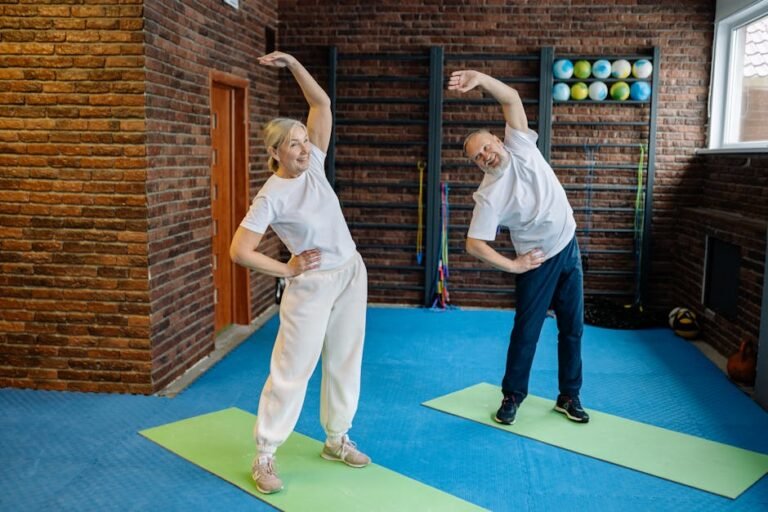
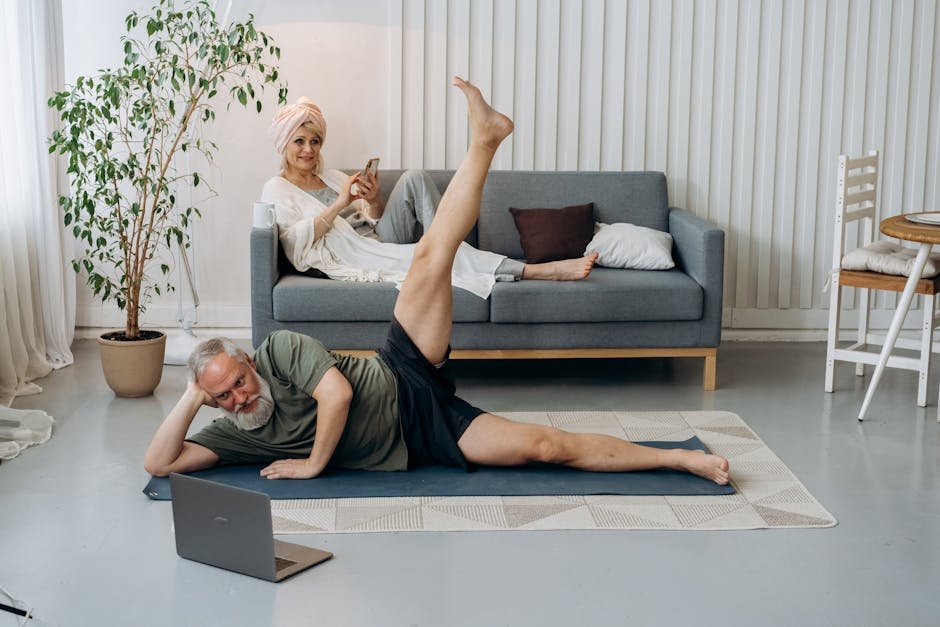
If you’ve ever caught a glimpse of yourself in a mirror and noticed your shoulders rounding forward, or felt that nagging ache in your lower back after a trip to the grocery store, you’re far from alone. As we get older, our posture naturally tends to shift — and it can quietly affect everything from how we breathe to how steady we feel on our feet. The great news? Simple core exercises for better posture can make a real, noticeable difference, and you don’t need a gym membership or fancy equipment to get started. Just a sturdy chair, a little floor space, and a few minutes a few times a week are all it takes to start building a stronger, more supported spine.
Why Core Strength Is the Secret to Better Posture as You Age
When most people hear “core,” they think of six-pack abs — but your core is so much more than that. It includes muscles in your belly, sides, lower back, and pelvis, all working together like a natural internal corset around your spine. When these muscles are strong and coordinated, they hold your spine in a safe, balanced position throughout the day, whether you’re cooking dinner, walking the dog, or reaching up to a shelf.
As we age, these muscles can weaken and our joints may stiffen, which is why many seniors start to notice a forward lean or increased back discomfort. The good news is that the body responds beautifully to gentle, consistent movement at any age. Strengthening your core helps reduce strain on the spine, keeps you more upright, and makes everyday activities feel easier and safer. Better posture also helps you breathe more efficiently, since a slumped spine can actually compress your lungs and make breathing feel more laboured.
The five exercises in this guide are specifically designed with seniors in mind — gentle on the joints, beginner-friendly, and easy to do at home. Each one comes with modifications so you can adjust to your own comfort level and build up gradually over time.
Before You Begin: Safety Tips to Keep in Mind
Starting any new exercise routine is exciting, and these moves are designed to be as safe as possible. That said, a few simple precautions will help you get the most out of your practice and protect your body along the way.
First and foremost, have a chat with your doctor before beginning — especially if you have osteoporosis, arthritis, balance problems, or any history of back pain. They can let you know if any specific movements need to be avoided or adapted for your situation. It’s always better to check in than to push through something that might cause more harm than good.
When you’re ready to start, keep these tips in mind: wear non-slip shoes and use a mat on slippery floors. Keep a sturdy chair or wall nearby for balance support. Most importantly, breathe normally throughout every exercise — a common mistake is holding the breath, which can actually increase blood pressure and make the movement harder. Inhale to relax, exhale as you engage your core. And if you ever feel sharp pain, dizziness, or numbness, stop immediately and rest.
Five Simple Core Exercises for Better Posture You Can Start Today
These five movements work together to activate the deep core muscles that support your spine and pelvis. Start slowly, choose the modification that feels right for you, and build up your repetitions as you grow stronger and more comfortable.
1. Pelvic Tilts — Start by lying on your back with your knees bent and feet flat on the floor. As you exhale, gently flatten your lower back toward the floor by tilting your pelvis, as if drawing your bellybutton toward your spine. Hold for about five seconds, then release. Aim for 8–12 repetitions. If lying down is uncomfortable, you can do this seated in a sturdy chair. This is a wonderful first move because it teaches your body how to engage the core without any strain.
2. Seated Abdominal Bracing — Sit tall in your chair with both feet flat on the floor. As you exhale, gently draw your lower belly in toward your spine — firm, but not so tight you can’t breathe. Hold for five to eight seconds, then release. Repeat 8–12 times. This is a surprisingly powerful exercise because it trains the core in an upright position, which is exactly how you use it in daily life. You can even sneak this one in while waiting for the kettle to boil!
3. Glute Bridge — Lying on your back with knees bent and feet hip-width apart, press through your heels and lift your hips a few inches off the floor. Your body should form a gentle straight line from knees to shoulders. Hold for three to five seconds, then lower slowly. Start with six to eight repetitions. This move strengthens the glutes and hamstrings, which play a crucial role in keeping the pelvis aligned and the lower back well-supported.
4. Bird Dog — Starting on hands and knees on a comfortable mat, engage your core and slowly extend your right arm forward and your left leg back, keeping them level with your body. Hold for three to five seconds, then switch sides. If balance feels tricky, rest your hands on a sturdy chair placed in front of you for support. This exercise improves coordination and trains the deep stabilising muscles along your spine.
5. Dead Bug — Lie on your back with arms raised toward the ceiling and knees bent at a 90-degree angle. Gently draw your lower belly toward your spine, then slowly lower your right arm and left leg toward the floor — stopping before your back lifts. Return and switch sides. Do six to ten repetitions per side. If your back starts to arch, simply reduce your range of motion. This is one of the most effective exercises for building deep core strength safely.
What You Can Do: Practical Tips for Building a Lasting Routine
Starting is the hardest part — but sticking with it is where the real magic happens. The good news is that consistency doesn’t have to mean long, exhausting sessions. A few short, focused practices each week will do far more for your posture than one intense session followed by a week off.
- Aim for two to three sessions per week. Even 10–15 minutes each session is enough to build meaningful strength over time.
- Pair exercises with existing habits. Try pelvic tilts right after you wake up in the morning, or practice seated abdominal bracing while watching the news or waiting for your coffee to brew.
- Start with fewer repetitions than you think you need. It’s much better to do five repetitions with good form than twelve with poor technique. Build up gradually and your body will thank you.
- Keep a simple progress journal. Jot down how you felt after each session — even just a few words. Noticing small improvements in your balance, energy, or posture can be incredibly motivating.
- Put on some music you love. Making your exercise session enjoyable means you’re far more likely to actually do it. A favourite playlist or radio station can make all the difference.
- Combine core work with other gentle activities. A short walk, some chair stretches, or a Tai Chi class can complement these core exercises beautifully and support your overall mobility and balance.
- Invest in a comfortable exercise mat. A non-slip yoga mat makes floor exercises much more comfortable and safer — look for one with extra cushioning if joint comfort is a concern.
Common Mistakes to Avoid When Doing Core Exercises
Even the most straightforward exercises can be less effective — or occasionally uncomfortable — if a few simple habits creep in. Being aware of these common pitfalls will help you get the most out of every session and keep your body safe.
Holding your breath is perhaps the most common mistake. It might feel natural to tense up and hold your breath when you’re concentrating, but this actually makes core engagement harder and can spike your blood pressure. Make a conscious effort to breathe slowly and steadily throughout every movement.
Rushing through repetitions is another temptation to resist. These exercises are not about speed — they’re about control and awareness. Moving slowly through each phase of an exercise builds far more strength and helps protect your joints. If you find yourself flying through the movements without really feeling anything, slow right down and reconnect with the muscles you’re trying to work.
Finally, avoid arching or flattening the back excessively during floor exercises. The goal is a neutral spine — where your lower back maintains its natural, gentle curve rather than pressing hard into the floor or lifting away dramatically. Take a moment before each exercise to check in with your posture and find that balanced middle ground.
The Real Benefits of Better Posture — Beyond Looking Taller
It’s easy to think of better posture as purely cosmetic — something about appearing more confident or slimmer. But for seniors, the benefits of good posture and a strong core go far deeper than appearances, and they touch nearly every aspect of daily life.
Improved balance and stability are among the most important benefits, and they directly reduce the risk of falls — one of the most serious health concerns for older adults. When your core muscles are strong and your spine is well-supported, you’re far more stable on your feet during everyday activities like navigating stairs, stepping off a kerb, or reaching for something on a high shelf.
Better posture also opens up the chest and allows the lungs to expand more fully, which can improve both breathing and energy levels. Many people find that as their posture improves, they feel less fatigued during the day — simply because their body is working more efficiently. And perhaps most importantly, moving with greater comfort and confidence brings a wonderful sense of independence and wellbeing that is genuinely priceless.
The Bottom Line: Simple core exercises for better posture are one of the most valuable gifts you can give yourself as you get older. These five gentle, beginner-friendly movements — pelvic tilts, seated abdominal bracing, glute bridges, bird dog, and dead bug — work together to build the deep muscle support your spine needs to keep you upright, balanced, and pain-free. You don’t need to do much at once; even a few minutes, a few times a week, can lead to real and lasting improvements in how you stand, move, and feel. Start small, be patient with yourself, celebrate every little win, and know that every single effort — no matter how modest — is moving you toward a stronger, steadier, more comfortable life.
This is not medical advice. Consult your healthcare provider before starting any new health routine or using any product mentioned here.