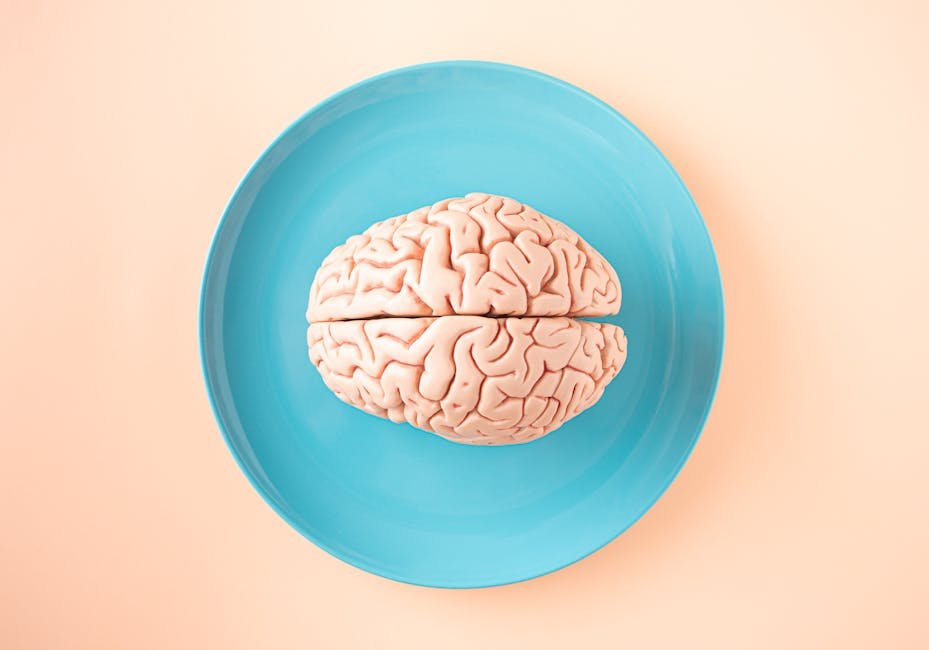
5 Daily Habits That Protect Your Brain Long-Term (And Are Easy to Start Today)
This post contains affiliate links. As an Amazon Associate, I earn from qualifying purchases at no extra cost to you.
Free resources — no credit card required for trial
🎧 Listen to health & wellness audiobooks free for 30 days
Start 30-Day Free Trial →
🛒 Recommended Products
As an Amazon Associate we earn from qualifying purchases at no extra cost to you.
TheraBand First Step to Active Health Kit — Senior Exercise Program for Balance and Fall P
$19.99
EZ Off Jar Opener for Seniors — Under Cabinet Jar Opener for Weak Hands and Arthritis
$9.99
Omron 5 Series Upper Arm Blood Pressure Monitor — 2-User 100-Reading Memory Wide-Range Cuf
$44.99
OMRON 7 Series Wireless Wrist Blood Pressure Monitor — Clinically Validated with Connect A
$69.99
Vitality 4 Life Senior Resistance Band with Instruction Guide — Specifically for Elderly F
$16.99
📚 Read unlimited health books free for 30 days
Try Kindle Unlimited Free →
What if the most powerful thing you could do for your brain health wasn’t a pill, a supplement, or an expensive programme — but simply a handful of small, daily habits? The truth is, protecting your brain long-term doesn’t require a dramatic overhaul of your life. It requires consistency, a little intention, and a willingness to tend to yourself the way you’d tend to something you love. Whether you’re in your 60s, 70s, or beyond, the daily choices you make add up in remarkable ways. Think of your brain like a garden: a little water every day, some sunlight, some gentle care — and over time, it flourishes. Here are five practical, enjoyable habits that can help support your memory, focus, and overall thinking as the years go by.
Why Daily Habits Matter More Than You Think for Brain Health
We often imagine that brain decline is simply inevitable — something that happens to us, not something we have any say in. But research increasingly points to the power of lifestyle choices in supporting long-term cognitive health. The brain is remarkably responsive to how we treat it each day. It thrives on movement, good nutrition, quality sleep, mental stimulation, and meaningful connection. Neglect any one of these areas consistently, and you may notice the effects in your thinking, mood, and memory. Nurture them, and the difference can be profound.
The beauty of focusing on daily habits is that you don’t need to do anything perfectly. You don’t need to run marathons, become a gourmet chef, or meditate for an hour each morning. Small, sustainable steps — repeated consistently — are what make the real difference over months and years. So let’s look at five habits that many seniors find genuinely doable, enjoyable, and effective for protecting the brain over the long haul.
Habit 1: Move Your Body Every Single Day
If you notice that your joints feel a little stiffer in the morning, you’re not alone — it’s one of the most common experiences for older adults. But here’s the good news: even a short walk after breakfast can help loosen things up, lift your spirits, and do something wonderful for your brain at the same time. Movement doesn’t have to mean punishing workouts or gym memberships. It means gentle, consistent activity your body can handle comfortably.
Regular physical activity improves blood flow to the brain, helps keep nerve cells healthy, supports a better mood, and — crucially — aids sleep, which is essential for memory and learning. When your heart and lungs work a little harder in a safe, gentle way, your brain receives more of the oxygen and nutrients it needs to think clearly and stay sharp. Even a modest amount of daily movement can make a meaningful difference over time.
You don’t need to do it all at once, either. Three 10-minute walks spread across your day count just as much as one 30-minute session. A chair-based exercise routine in your living room, gentle stretches before bed, or a slow stroll around the block — all of these are wins worth celebrating. The key is showing up for your body most days, even in a small way.
Habit 2: Eat Brain-Friendly Foods That You Actually Enjoy
Your grocery cart and your kitchen can become daily allies in protecting your brain. The foods you choose to eat genuinely affect the brain’s structure and how well it functions — and the good news is that brain-friendly foods also tend to be delicious, colourful, and satisfying. This isn’t about following a strict diet or giving up everything you love. It’s about making small, positive swaps and additions that add up over time.
Foods rich in antioxidants — found in fruits and vegetables — help protect brain cells from damage. Healthy fats, like those found in fish, olive oil, and nuts, support brain cell health and help reduce inflammation. Whole grains provide steady energy for thinking and concentration. Together, these food groups support attention, mood, and memory. Think vibrant colours on your plate, the satisfying crunch of walnuts, the richness of olive oil drizzled over a salad.
Simple swaps can make a big difference: choosing whole-wheat bread instead of white, adding a handful of blueberries to your morning oats, swapping a bag of crisps for a small handful of almonds. You don’t have to change everything at once. Start with one meal a day and build from there. The aim is progress, not perfection — and every colourful, nourishing plate is a genuine gift to your brain.
Habit 3: Prioritise Good Sleep for Memory and Mental Clarity
A good night’s sleep feels like hitting a reset button on your mind. When you wake up after truly restful sleep, thoughts come more easily, your mood is steadier, and you feel more capable of facing the day. That’s no coincidence — sleep is when the brain does some of its most important work. It organises memories, strengthens neural connections, and essentially clears out the mental clutter of the day before.
Poor or irregular sleep, on the other hand, can cloud thinking, slow reaction times, and make it harder to remember things you learned during the day. Over time, consistently poor sleep can take a real toll on cognitive health. The good news is that small, consistent changes to your sleep routine can make a noticeable difference — and you don’t need any special equipment or expertise to get started.
One of the most effective things you can do is set a consistent bedtime and waking time — yes, even on weekends. A regular schedule helps your body know when it’s time to wind down and when it’s time to wake up. Building a calming pre-sleep routine also helps: dimming the lights an hour before bed, taking a warm bath or shower, reading a comforting book, or listening to soft music. Your sleep environment matters too — cool, dark, and quiet tends to work best for most people. If snoring, restless sleep, or waking with breathlessness are issues, it’s worth mentioning to your healthcare provider, as these can sometimes signal sleep conditions that are very treatable.
Habit 4: Keep Your Mind Active and Keep Learning
One of the most joyful ways to protect your brain long-term is also one of the simplest: keep learning. Challenging your brain with new activities — or deepening engagement with existing ones — builds neural connections and strengthens what experts call cognitive reserve. Think of it like exercising a muscle. The more you use it, the stronger and more resilient it becomes over time.
The wonderful thing is that “keeping your mind active” can look like almost anything that engages and stretches your thinking. It might be a craft you’ve always wanted to try, a musical instrument you played years ago and want to revisit, gardening with a new technique, or learning a few phrases in a language you’ve always been curious about. It might be reading regularly and then chatting about the book with a friend — hearing ideas out loud is particularly good for memory and comprehension. It could even be trying a new recipe once a week, following steps carefully and then committing the method to memory.
Jigsaw puzzles, crossword puzzles, word games, and brain-training apps can all play a role, but don’t get too hung up on finding the “right” activity. The most beneficial brain exercise is one you genuinely enjoy and will stick with. A little time each day, spent on something that engages and delights you, is exactly what your brain is asking for.
Habit 5: Stay Connected and Manage Stress
You weren’t designed to go it alone — and your brain knows it. Social connection is one of the most powerful protective factors for cognitive health as we age. Regular, meaningful interaction with other people keeps the brain engaged, supports emotional well-being, and helps guard against the kind of isolation and loneliness that can quietly take a toll on memory and thinking over time. A warm phone call, a shared laugh, a stroll with a neighbour — these moments are genuinely nourishing for your brain.
Chronic stress is another factor worth taking seriously. When we’re under persistent stress, the brain and body produce hormones that, over time, can affect memory, concentration, and mood. Building simple stress-reduction practices into your day doesn’t require becoming a meditation expert. Slow, deliberate breathing for just a few minutes, gentle stretching, a favourite piece of music, or a mindful cup of tea with a friend can all help your nervous system settle and your mind feel clearer.
Connection and stress management go hand in hand. When you feel supported, understood, and part of something — whether that’s a family, a community group, a faith organisation, or a walking club — stress naturally eases. And your brain reaps the rewards. If you ever feel persistently overwhelmed, anxious, or low, please do reach out to someone you trust or a healthcare professional. Support is available, and asking for it is a sign of wisdom, not weakness.
What You Can Do Starting This Week: Practical Tips for Protecting Your Brain
You don’t need to adopt all five habits overnight. In fact, trying to change too much at once is often what leads people to give up. Instead, choose one habit to begin this week. Add a second next week, and so on. Here’s a simple starter list to get you going:
- Start with a 10-minute walk after one meal each day. It doesn’t have to be fast — just consistent. Morning, lunchtime, or after dinner all work well.
- Add one brain-friendly food to your next shopping trip. Blueberries, walnuts, leafy greens, salmon, or olive oil are all great starting points.
- Set a consistent bedtime this week and stick to it for seven days. Notice whether your mornings feel any different by the end of the week.
- Pick one mentally engaging activity you enjoy — a puzzle, a book, a craft, a new recipe — and commit to spending 15 minutes on it each day.
- Make one social connection today. Call a friend, send a message to a family member, or introduce yourself to a neighbour. It counts.
- Try two minutes of slow, deep breathing before bed or after a stressful moment. Inhale for four counts, hold for four, exhale for four. Simple, free, and genuinely helpful.
- Keep a small daily notebook or voice memo where you jot down one thing you learned or enjoyed each day. This simple practice reinforces memory in a lovely way.
- Make your sleep environment more inviting: consider blackout curtains, a white noise machine, or a fan if background sounds are disturbing your rest.
- Plan a “colourful plate” rule for lunch or dinner: at least three different colours on your plate. It’s a fun and visual way to eat well without overthinking nutrition.
- If you nap, keep it brief — 20 to 30 minutes — to support, rather than interfere with, your nighttime sleep quality.
Remember, the goal isn’t perfection. It’s momentum. Each small step you take is a real investment in your brain’s future — and it’s an act of genuine self-care and self-respect.
The Bottom Line: Protecting your brain long-term comes down to five steady, sustainable daily habits: moving your body gently every day, choosing brain-friendly foods that nourish and delight, prioritising consistent and restful sleep, keeping your mind engaged with learning and creativity, and nurturing the social connections and stress-management practices that keep your spirit strong. None of these require perfection — just a willingness to show up for yourself, day after day, in small and meaningful ways. Your brain is always listening, and these gentle daily choices are the tune that helps it thrive for years to come.
This is not medical advice. Consult your healthcare provider before starting any new health routine or using any product mentioned here.