Post-Meal Habits for Better Heart Health: Simple Daily Routines for Seniors
This post contains affiliate links. As an Amazon Associate, I earn from qualifying purchases at no extra cost to you.
Free resources — no credit card required for trial
🎧 Listen to health & wellness audiobooks free for 30 days
Start 30-Day Free Trial →
🛒 Recommended Products
As an Amazon Associate we earn from qualifying purchases at no extra cost to you.
TheraBand First Step to Active Health Kit — Senior Exercise Program for Balance and Fall P
$19.99
EZ Off Jar Opener for Seniors — Under Cabinet Jar Opener for Weak Hands and Arthritis
$9.99
Omron 5 Series Upper Arm Blood Pressure Monitor — 2-User 100-Reading Memory Wide-Range Cuf
$44.99
OMRON 7 Series Wireless Wrist Blood Pressure Monitor — Clinically Validated with Connect A
$69.99
Vitality 4 Life Senior Resistance Band with Instruction Guide — Specifically for Elderly F
$16.99
📚 Read unlimited health books free for 30 days
Try Kindle Unlimited Free →
Have you ever noticed how you feel a little sluggish, lightheaded, or just plain sleepy after a big meal? You’re not imagining it — and you’re certainly not alone. For older adults especially, what happens to our bodies after we eat matters more than most of us realise. The good news is that a handful of simple, gentle post-meal habits for better heart health can make a real difference in how you feel throughout the day — no gym membership or complicated routines required. Whether you’re 65 or 85, these small steps can help keep your blood flowing smoothly, your energy steadier, and your heart working just a little more happily.
Why Post-Meal Circulation Matters for Your Heart
Here’s something fascinating about your body: every time you sit down to eat, your heart quietly shifts gears. Blood rushes to your stomach and intestines to help digest and absorb all the nutrients from your meal. That’s a good thing — it’s your body doing exactly what it should. But it does mean that other parts of the body receive a little less blood flow for a short while. For many seniors, this can show up as that familiar afternoon tiredness, a touch of dizziness when standing up, or just a fuzzy, low-energy feeling after lunch.
Good circulation — the steady movement of blood around your body — keeps your muscles fuelled, your tissues nourished, and your energy more consistent. When circulation dips after a meal, you might feel it. When it flows well, you feel the difference there too. The wonderful thing is that you don’t have to accept post-meal sluggishness as just “part of getting older.” A few thoughtful habits, built gently into your daily rhythm, can genuinely support your heart and your whole sense of wellbeing.
Think of your after-meal time as an opportunity — a small window each day where a few caring choices can add up to something meaningful over weeks and months. The habits we’ll explore here are safe, practical, and designed with real life in mind. Pick what appeals to you and start there.
Gentle Movement After Meals: The Simplest Heart-Helper
One of the most effective post-meal habits for better heart health is also one of the simplest: move a little. You don’t need to power-walk around the block or do anything that feels like exercise in the traditional sense. A gentle 5-to-10-minute stroll around your home, down the hallway of your building, or even around the backyard is genuinely helpful. When you move your legs, you help blood return from your feet and legs back up to your heart — which supports circulation beautifully.
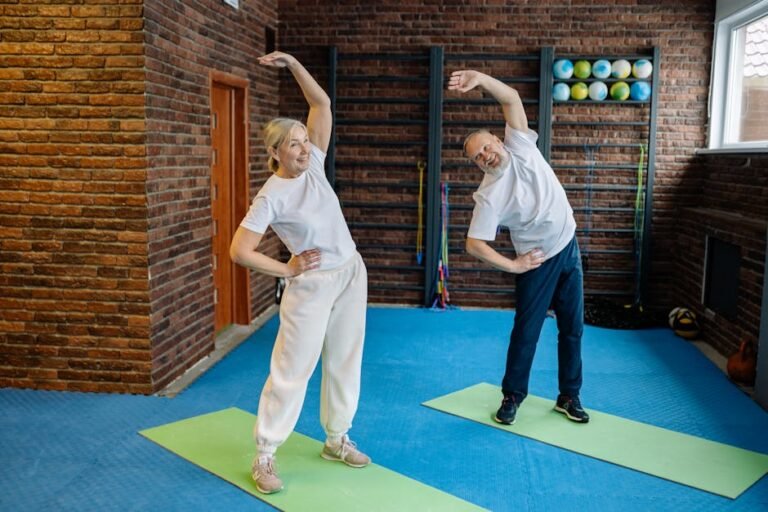
If walking isn’t always practical or comfortable, chair-based movement works just as well. Try marching your legs gently while seated, lifting your heels and then your toes off the floor, rotating your ankles in slow circles, or stretching your arms overhead. These small actions might look modest, but they get things moving in all the right ways. The key is consistency rather than intensity — a few minutes most days will serve you far better than an occasional longer effort.
Consider taking inspiration from Ruth, a 72-year-old who walks around her living room for seven minutes after lunch, then does a few chair marches while listening to her favourite music. She keeps her water bottle close and enjoys the ritual. If you have balance concerns, keep a sturdy chair or countertop within reach, and start with just two or three minutes. Any movement counts, and you can always build from there.
Breathing, Hydration, and the Art of a Calm Post-Meal Moment
After eating, your nervous system benefits from a little calm. Slow, intentional breathing is a gentle way to support your heart — it helps settle your nerves, brings more oxygen into your body, and can ease that heavy, over-full feeling after a bigger meal. Try sitting comfortably with both feet flat on the floor and taking five slow breaths: inhale through your nose for a count of four, hold briefly, then exhale through your mouth for a count of six. It sounds almost too simple, but many people find it genuinely settling.
Tom, aged 70, does exactly this after lunch each day. He sits in his favourite chair, takes five slow breaths, and notices his shoulders drop and his mind quiet. On tense days, he repeats the cycle once or twice. Breathing exercises are wonderfully portable — you can do them anywhere, they cost nothing, and they’re safe for almost everyone.
Hydration is another underrated post-meal habit. Water helps maintain blood volume, supports nutrient transport around the body, and can reduce the dizziness and fatigue that sometimes follow meals. You don’t need to gulp down a large glass all at once — gentle sipping during and after your meal is ideal. Keep a reusable water bottle or a glass right on the table so it’s always within easy reach. Choose water most often, and limit sugary drinks or alcohol, which can affect how you feel in the hours after eating. (One important note: if your doctor has given you fluid restrictions or you notice swelling in your legs, check with your healthcare provider about how much to drink.)
Eating in a Way That Supports Steady Circulation
What and how you eat plays a significant role in how your circulation feels after the meal is done. Very large meals ask a lot of your digestive system all at once, which can trigger a more dramatic shift in blood flow — and leave you feeling noticeably heavy or tired afterwards. Balanced, moderate portions are kinder to your heart. Think of your plate as a guide: aim for a palm-sized portion of lean protein like fish, poultry, or beans; plenty of vegetables; a portion of whole grains; and perhaps a small piece of fruit.
How you eat matters just as much as what you eat. Slowing down — taking smaller bites, chewing thoroughly, and pausing between mouthfuls — reduces the workload on your digestive system and can help prevent a sudden dip in blood pressure that some older adults experience after a bigger meal. John, 68, deliberately eats his lunch slowly and saves his fruit for a small dessert. He’s noticed he feels more energised in the afternoon rather than ready for a nap.
If you tend to eat more than you planned, try dividing your plate at the start and setting leftovers aside for later. Moderation with alcohol and caffeine is also worth keeping in mind — both can affect energy and circulation after meals in ways that vary from person to person. Listen to your body and notice what leaves you feeling your best.
What You Can Do: Practical Post-Meal Habits for Better Heart Health
Here’s a quick, at-a-glance summary of post-meal habits for better heart health that you can start weaving into your day. Choose one or two that feel manageable, and build gradually from there:
- Take a short, easy walk — even 5 minutes around your home makes a real difference to circulation in your legs and heart.
- Try chair exercises if walking is difficult — ankle pumps, seated leg raises, and heel-toe lifts all promote healthy blood flow without requiring you to stand.
- Do 5 slow, intentional breaths — inhale for 4 counts, exhale for 6. Repeat once or twice to calm your nervous system and support your heart.
- Sip water during and after your meal — keep a glass or bottle on the table as a gentle reminder to stay hydrated.
- Eat balanced, moderate portions — aim for a mix of lean protein, vegetables, whole grains, and a small fruit rather than one large, heavy serving.
- Slow down at mealtimes — chew thoroughly, pause between bites, and give your body time to register fullness before loading up more.
- Avoid lying flat right after eating — sit upright in a supported chair for 20–30 minutes after meals to help prevent dizziness and reflux.
- Stand up slowly — if you’ve been seated for a while after eating, rise gradually to avoid a sudden drop in blood pressure.
- Pair movement with something enjoyable — listen to music, chat with a family member, or enjoy a favourite podcast during your post-meal movement time.
- Start small and build gradually — even one new habit practised consistently is more valuable than five attempted and abandoned.
Remember: you don’t need to do everything at once. Elaine, 75, simply sits in a supportive chair after lunch for 20 minutes, reading or chatting, before moving on to a standing activity. Sarah, 80, does seated ankle pumps and leg raises on days when walking feels like too much. Every small, steady action counts.
Rest, Positioning, and Knowing When to Check In With Your Doctor
Rest after meals is perfectly natural and often just what the body needs — but the position you rest in matters more than you might think. Lying flat immediately after eating can trigger acid reflux and may also contribute to dizziness, particularly the kind caused by a temporary drop in blood pressure that some seniors experience after meals. Instead, settle into a comfortable, well-supported chair for 20 to 30 minutes. If you’d like to lie down, try elevating your head slightly with a couple of pillows to keep things comfortable and reduce the risk of reflux.
When you do get up after resting, take your time. Standing slowly and steadily — perhaps holding the arm of the chair as you rise — gives your blood pressure a moment to adjust. Rushing up from a seated position is one of the most common causes of that head-rush feeling in older adults, and a little patience here goes a long way.
It’s also worth knowing when to pause and speak with your healthcare provider. If you experience ongoing dizziness after meals, persistent shortness of breath, chest pain, or noticeable swelling in your legs, please don’t brush these off — book an appointment and mention them specifically. Similarly, if you have a history of heart disease, fainting, or you’re new to any kind of exercise routine, it’s always wise to check in with your doctor before starting something new. These habits are gentle and generally safe, but your individual health picture matters, and your doctor is your best guide.
The Bottom Line: Post-meal habits for better heart health don’t have to be complicated, expensive, or time-consuming. A short gentle walk, a few slow breaths, a glass of water, a balanced plate, and a little mindful rest — these small, consistent actions create a daily rhythm that supports your circulation, your energy, and your heart. Start with just one or two habits that feel right for you, celebrate every small win, and build from there at your own pace. Your heart works hard for you every single day. A little kindness after each meal is a wonderful way to return the favour.
This is not medical advice. Consult your healthcare provider before starting any new health routine or using any product mentioned here.