How to Support Eye Health with Daily Routines: Simple Habits Every Senior Should Know
This post contains affiliate links. As an Amazon Associate, I earn from qualifying purchases at no extra cost to you.
Free resources — no credit card required for trial
🎧 Listen to health & wellness audiobooks free for 30 days
Start 30-Day Free Trial →
🛒 Recommended Products
As an Amazon Associate we earn from qualifying purchases at no extra cost to you.
TheraBand First Step to Active Health Kit — Senior Exercise Program for Balance and Fall P
$19.99
EZ Off Jar Opener for Seniors — Under Cabinet Jar Opener for Weak Hands and Arthritis
$9.99
Omron 5 Series Upper Arm Blood Pressure Monitor — 2-User 100-Reading Memory Wide-Range Cuf
$44.99
OMRON 7 Series Wireless Wrist Blood Pressure Monitor — Clinically Validated with Connect A
$69.99
Vitality 4 Life Senior Resistance Band with Instruction Guide — Specifically for Elderly F
$16.99
📚 Read unlimited health books free for 30 days
Try Kindle Unlimited Free →
It’s surprisingly easy to take your eyes for granted — until the day reading the newspaper feels like a struggle, or the morning light starts to feel uncomfortably harsh. The truth is, supporting your eye health doesn’t require drastic changes or expensive treatments. A handful of gentle, consistent daily routines can make a real difference in how clearly and comfortably you see the world — now and for years to come. Whether you’re managing your own self-care or helping a loved one do so, this guide is packed with warm, practical steps you can start today.
Why Daily Eye Health Routines Matter More as You Age
As we get older, our eyes naturally change. The lenses inside our eyes become less flexible, our eyes produce fewer tears, and the risk of conditions like dry eye, cataracts, glaucoma, and age-related macular degeneration gradually increases. None of this means vision loss is inevitable — but it does mean being proactive pays off in a big way.
The encouraging news? Many of the things that protect your eye health are simple lifestyle habits rather than complicated medical interventions. Eating well, staying hydrated, getting regular check-ups, and managing screen time all contribute to healthier eyes. And because these routines overlap with general good health, you’re doing your whole body a favour at the same time.
Think of eye care less like a chore and more like brushing your teeth — a small daily investment that prevents much bigger problems down the road. Starting even one or two new habits this week can set you on a much better path. The goal isn’t perfection; it’s consistency.
Schedule Regular Eye Exams — and Be Prepared for Them
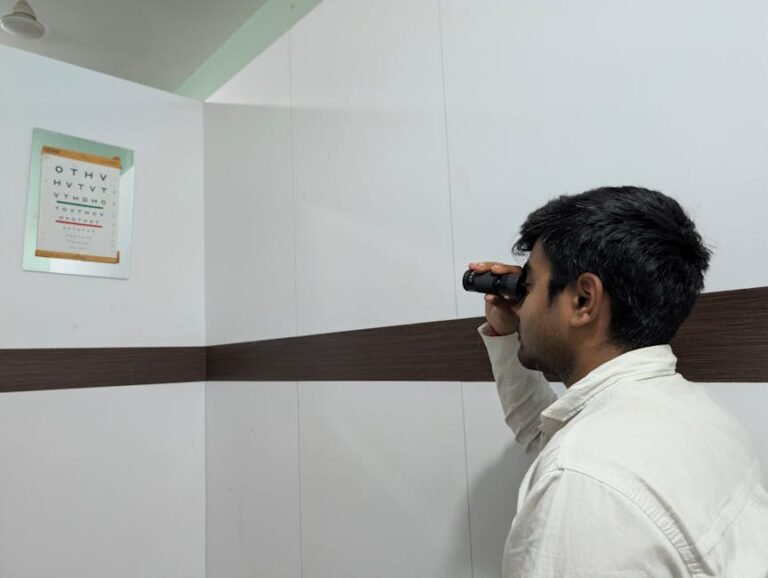
One of the most powerful things you can do for your eye health is something that only happens a few times a year: seeing your eye doctor. Regular eye exams catch problems early, often before you even notice symptoms yourself. Early detection opens up more treatment options and gives you the best chance of keeping your vision clear and stable.
Aim for a yearly eye exam, or follow whatever schedule your eye doctor recommends based on your personal health history. Put the appointment on a calendar, set a phone reminder, or ask a caregiver to help you remember. When you go, bring a list of all your current medications and supplements, and jot down any changes you’ve noticed — things like headaches, eye pain, flashes of light, or new floaters. Coming prepared means you get more out of every visit.
If getting to the appointment is tricky, don’t let transportation be the reason you skip it. Ask a family member, neighbour, or local community service for help, or check whether your clinic offers transportation assistance. Your sight is absolutely worth the effort of working out the logistics.
And please don’t wait for your next scheduled appointment if something feels wrong. Sudden vision loss, flashes of light, a curtain-like shadow across your vision, or severe eye pain are signs you should seek urgent care straight away. These symptoms can indicate serious conditions that need prompt attention.
Create Comfortable Lighting at Home — Your Eyes Will Thank You
Good lighting is one of the most underrated tools for supporting eye health at home. Poor lighting forces your eyes to work harder than they should, leading to fatigue, headaches, and unnecessary strain. Making a few simple adjustments around your living space can make everyday tasks — from reading to cooking to watching television — noticeably more comfortable.
For reading and close-up tasks, use a dedicated task light, like a small desk lamp, rather than relying solely on overhead lighting. A warm, soft colour temperature is gentler on the eyes than harsh, cool-toned bulbs. If you tend to read near a window, use blinds or light curtains to control glare, especially on bright days. Glare is a common culprit behind eye discomfort and headaches, and it’s easy to reduce with a small adjustment.
Along stairs, hallways, and entryways, make sure the lighting is bright enough to see clearly. Poor visibility in these areas is not just tiring for your eyes — it’s also a falls risk. Consider adding high-contrast tape or colour markings on step edges to help with depth perception. These small home tweaks protect both your eyes and your overall safety.
How to Support Eye Health with Daily Screen Habits
Whether you’re browsing the internet, video-calling grandchildren, or catching up on your favourite television series, screens are a big part of modern life — and they can put real strain on your eyes if you’re not careful. Prolonged screen time is one of the most common causes of eye fatigue, dry eye, and temporary blurred vision, even in people with otherwise healthy eyes.
The single most effective habit you can build is following the 20-20-20 rule: every 20 minutes, take a 20-second break and focus on something about 20 feet away. This gives the muscles inside your eyes a chance to relax and reduces fatigue significantly. It sounds simple because it is — but most of us forget to do it without a reminder. Try setting a gentle phone alarm or a small timer near your reading chair.
Blinking more consciously while using screens also helps. When we’re focused on a screen, we naturally blink less, which dries out the surface of the eye. Make a deliberate effort to blink fully and regularly. You can also increase text size and screen contrast so your eyes don’t have to strain, and keep your screen at roughly arm’s length, positioned slightly below eye level. Using “night mode” or a blue-light filter in the evening can help with comfort, though it shouldn’t replace these other good habits.
Nourish Your Eyes from the Inside Out
What you eat has a genuine impact on your eye health. A diet rich in certain vitamins, minerals, and antioxidants helps protect the delicate structures of the eye, particularly the retina. The good news is that eye-friendly foods are also just good food — colourful, flavourful, and satisfying.
Leafy greens like spinach and kale are especially valuable because they’re packed with lutein and zeaxanthin — two nutrients that support retinal health. Eggs are another great source of these same compounds. Brightly coloured vegetables like carrots and red peppers provide beta-carotene and vitamin C, while fatty fish like salmon and sardines offer omega-3 fatty acids, which help maintain the eye’s moisture levels and may reduce dry eye symptoms. Aim to include a variety of these foods across your week rather than stressing over any single meal.
Staying hydrated matters too. Drinking enough water throughout the day helps keep your eyes moist and comfortable, especially if you’re prone to dryness. If you take supplements, always check with your doctor first to make sure they’re appropriate for you and won’t interact with any medications you’re on. Good nutrition is a long game — but every colourful meal is a step in the right direction.
What You Can Do: Practical Daily Tips for Better Eye Health
Building healthy eye care habits doesn’t have to feel overwhelming. Here’s a practical starting point — pick two or three of these and begin today:
- Follow the 20-20-20 rule during any screen time — set a timer if you tend to lose track.
- Use artificial tears or lubricating eye drops if your eyes feel dry, and ask your doctor about preservative-free options if you use them frequently.
- Wear sunglasses that block 100% of UVA and UVB rays whenever you go outside, even on overcast days. A wide-brimmed hat adds extra protection.
- Drink water regularly throughout the day — set a glass of water somewhere visible as a reminder.
- Add at least one lutein-rich food (spinach, kale, or eggs) to your meals each day.
- Check the lighting in your main reading or activity space and consider adding a dedicated task lamp if needed.
- Set a calendar reminder for your next eye exam if you haven’t already scheduled one.
- Create a simple “vision kit” — keep a magnifier, large-print reading materials, your eye drops, and a bottle of water together in one handy spot.
- Use a humidifier in dry rooms to help prevent eye dryness, especially in winter months when heating systems dry out the air.
- Avoid rubbing your eyes — it can irritate the surface and introduce germs. If your eyes itch, try a cool compress instead.
- Manage chronic conditions like diabetes or high blood pressure carefully with your healthcare team, as these can directly affect eye health over time.
- Get consistent, good-quality sleep — this is when your eyes recover from the day’s strain. If you wake with dry or uncomfortable eyes, a saline spray or humidifier near the bed can help.
If you’re helping care for an older parent or relative, you can support these habits by helping set up a small daily checklist, reminding them to take screen breaks, arranging appointments, and encouraging eye-friendly meals. A gentle nudge from someone you trust can make all the difference in turning good intentions into lasting habits.
Protecting Your Eyes from Everyday Risks
Beyond screen time and nutrition, eye health is also about physical protection — both from the sun and from everyday hazards around the home. UV exposure accumulated over a lifetime is a significant risk factor for cataracts and other eye conditions, which is why sunglasses aren’t just a fashion accessory. Look for pairs that are labelled as blocking 100% of UVA and UVB rays, and wear them consistently — not just on beach days, but on regular walks and errands too.
Inside the home, falls and injuries are a real risk for older adults, and the eyes are vulnerable when accidents happen. Keep floors tidy and free of clutter, use non-slip mats in bathrooms and kitchens, and ensure all stairways are well-lit with sturdy handrails. When doing outdoor work, home repairs, or gardening, wear protective eyewear — flying debris is a surprisingly common cause of eye injury.
It’s also worth paying attention to how your medications might be affecting your eyes. Some common drugs — including antihistamines, antidepressants, and certain blood pressure medications — can cause dryness or other eye-related side effects. Let your eye doctor know about everything you’re taking, including over-the-counter products and supplements, so they can account for these in your care.
The Bottom Line: Supporting your eye health with daily routines is one of the most practical and rewarding things you can do for your long-term wellbeing. You don’t need to overhaul your entire lifestyle overnight — just start with one or two habits that feel manageable, like adjusting your lighting, adding a screen break, or booking that overdue eye exam. Small, steady steps genuinely add up. With a little consistency and the support of those around you, you can protect your vision, stay comfortable, and keep doing the things you love — clearly and confidently — for many years to come.
This is not medical advice. Consult your healthcare provider before starting any new health routine or using any product mentioned here.