Shoulder Mobility Routine for Seniors: Gentle Exercises to Move with Ease Every Day
This post contains affiliate links. As an Amazon Associate, I earn from qualifying purchases at no extra cost to you.
Free resources — no credit card required for trial
🎧 Listen to health & wellness audiobooks free for 30 days
Start 30-Day Free Trial →
🛒 Recommended Products
As an Amazon Associate we earn from qualifying purchases at no extra cost to you.
TheraBand First Step to Active Health Kit — Senior Exercise Program for Balance and Fall P
$19.99
EZ Off Jar Opener for Seniors — Under Cabinet Jar Opener for Weak Hands and Arthritis
$9.99
Omron 5 Series Upper Arm Blood Pressure Monitor — 2-User 100-Reading Memory Wide-Range Cuf
$44.99
OMRON 7 Series Wireless Wrist Blood Pressure Monitor — Clinically Validated with Connect A
$69.99
Vitality 4 Life Senior Resistance Band with Instruction Guide — Specifically for Elderly F
$16.99
📚 Read unlimited health books free for 30 days
Try Kindle Unlimited Free →
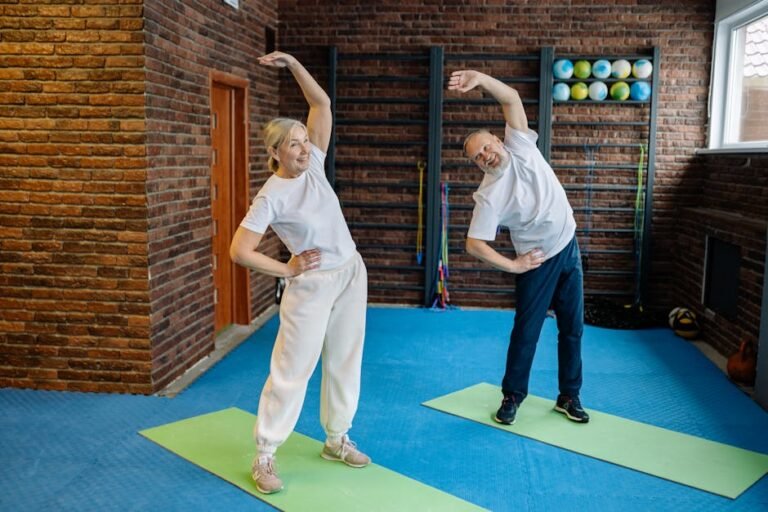
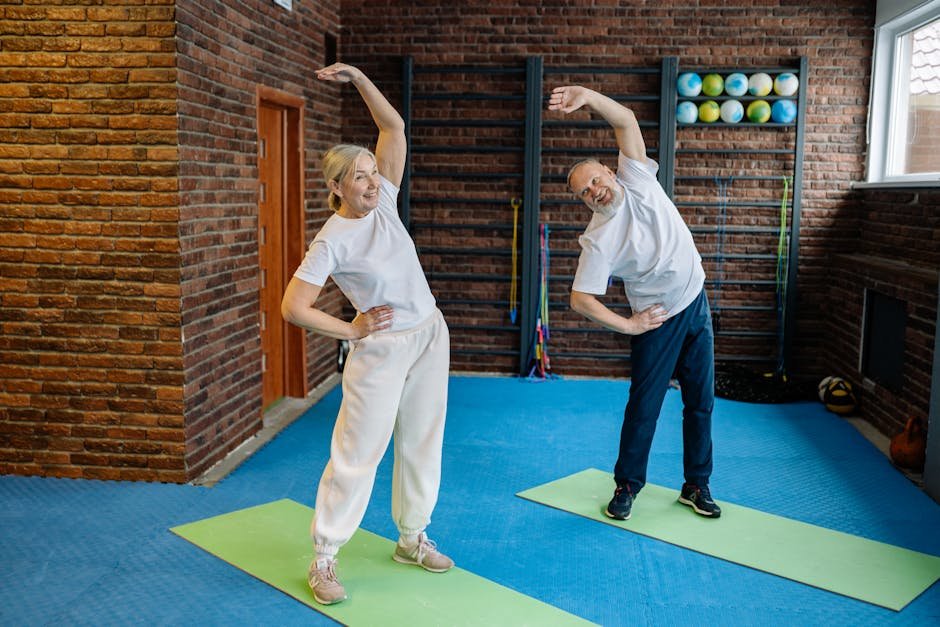
Have you noticed that reaching for something on a high shelf has gotten a little harder lately, or that getting dressed in the morning takes a bit more effort than it used to? You’re not alone — and the good news is that a simple, consistent shoulder mobility routine for seniors can make a real difference. Stiffness in the shoulders is incredibly common as we age, but it doesn’t have to be something you just put up with. With just 8 to 12 minutes a few times a week, you can help your shoulders move more freely, feel less achy, and support your independence in the everyday moments that matter most.
Why Shoulder Mobility Matters More Than You Might Think
Our shoulders are quietly working for us all day long. From stirring a pot on the stove to buckling a seatbelt, pulling on a jacket, or brushing your hair — these joints are involved in an enormous number of daily movements. When shoulder mobility starts to decline, even small tasks can feel uncomfortable or exhausting, and over time, that can chip away at your confidence and your sense of independence.
Stiffness in the shoulders can come from several sources: arthritis, years of limited movement, postural habits, or simply the natural changes that come with ageing. The joints may feel tight or achy, and you might find yourself avoiding certain movements without even realising it. This avoidance can actually make things worse, as joints tend to stiffen further when they aren’t being gently used.
The encouraging news is that gentle, consistent shoulder mobility exercises can help break that cycle. They keep the joints lubricated, improve your range of motion over time, support better posture, and can even reduce everyday pain and stiffness. You don’t need a gym, special equipment, or a lot of time. You just need a safe space, a sturdy chair, and a willingness to start slowly and listen to your body.
Safety First: What to Know Before You Begin
Before jumping into any new exercise routine, it’s worth taking a moment to set yourself up for success — and safety. This is especially true if you’ve had a recent shoulder injury, have been diagnosed with osteoporosis, or have any concerns about your balance. It’s always a good idea to check in with your healthcare provider before starting, particularly if you’re managing a specific condition.
That said, this routine is specifically designed to be gentle and gradual. The key principle is simple: if something causes sharp pain, stop. A mild sensation of stretching or effort is perfectly normal and expected, but sharp or intense pain is your body’s signal to ease back or skip that particular movement. Progress slowly, and don’t push for a bigger range of motion than feels comfortable on any given day.
A few other safety habits worth building in from the start: use a sturdy chair, wall, or table for support if you need it; breathe steadily throughout every movement rather than holding your breath; and always begin with a gentle warm-up to prepare the joints before moving into deeper stretches. These aren’t just suggestions — they genuinely make the routine both safer and more effective.
Your Shoulder Mobility Routine: Step-by-Step Exercises
This routine is designed to take around 8 to 12 minutes and works best when done 3 to 4 times per week. You can work through the exercises in order, or pick 4 or 5 that feel best for your body on a particular day. The most important thing is to move slowly and never push into sharp pain.
Shoulder Rolls and Arm Circles (Warm-Up): Start seated or standing. Roll your shoulders up toward your ears, back, and down in a smooth, slow circle — 8 to 10 times, then reverse. Follow this with small arm circles forward and backward, 8 to 10 repetitions each. This gentle warm-up helps prepare the joints and gets the blood flowing before the deeper work begins. Keep the range small if you’re feeling stiff.
Scapular Squeezes: Sit or stand tall. Gently draw your shoulder blades toward each other — imagine you’re lightly pinching a small coin between them. Hold for 3 seconds, then release. Aim for 10 to 12 repetitions. This simple movement helps activate the muscles that support good posture and shoulder alignment. Keep your neck and jaw relaxed throughout.
Doorway Stretch or Towel Stretch: For the doorway stretch, stand in a doorway with your forearms resting on the frame at about shoulder height. Step one foot forward slowly until you feel a gentle stretch across the front of your shoulders and chest. Hold for 15 to 20 seconds, relax, and repeat twice. If a doorway isn’t convenient, try the towel stretch instead: hold a towel behind your back with one hand over your shoulder and the other reaching up to grasp the other end. Gently use the top hand to pull upward, creating a mild stretch. Hold for 15 to 20 seconds on each side.
Wall Slides: Stand with your back a few inches from a wall. Place your elbows and wrists against the wall in a “goalpost” position with elbows at roughly 90 degrees. Slowly slide your forearms up the wall as far as comfortable, then slide back down. Do 8 to 10 repetitions. This exercise is wonderful for improving shoulder elevation and is easy to modify — simply make the sliding movement smaller if the full range isn’t available yet.
Pendulum Swings: Lean slightly forward, resting one hand on a chair or table for support. Let your other arm hang naturally and swing it gently in small circles — 20 to 30 seconds in one direction, then the other. This gravity-assisted movement is particularly helpful for easing stiffness without any forced effort. Switch sides and repeat.
Seated Overhead Reach: Sit tall with feet flat on the floor. Raise both arms gently overhead with palms facing each other. Inhale to lengthen your spine, then exhale as you reach a little higher — only as far as feels comfortable. Return slowly and repeat 6 to 8 times. If raising both arms at once is uncomfortable, try one arm at a time.
What You Can Do: Practical Tips for Making This Routine Stick
Knowing the exercises is one thing — building a habit around them is another. Here are some practical, real-life strategies to help you get the most from your shoulder mobility routine:
- Attach it to something you already do. Try doing your routine right after your morning cup of tea or before your evening news programme. Linking a new habit to an existing one makes it far easier to remember and stick to.
- Keep your space ready. Pull a sturdy chair into a clear area and keep a hand towel nearby for the towel stretch. Reducing the effort needed to “set up” makes it more likely you’ll actually begin.
- Aim for 3 to 4 sessions per week, not perfection. Consistency matters more than intensity. A gentle 8-minute session done regularly will deliver far better results than an occasional intense push.
- Breathe through every movement. Exhale as you move into a stretch or reach. This not only helps prevent breath-holding (which increases tension) but also helps the muscles relax more deeply.
- Track small wins. Notice when reaching for something becomes a little easier, or when dressing feels less of a struggle. These small improvements are real progress — celebrate them.
- Don’t skip the warm-up. Shoulder rolls and arm circles take less than two minutes but make every other exercise safer and more comfortable. Cold joints don’t move as freely.
- Use props if they help. A light resistance band or a stretch strap can be useful additions as your mobility improves — just search for senior-friendly options designed for gentle stretching.
- Rest when you need to. If your shoulders feel particularly sore or tired on a given day, it’s absolutely fine to rest or do just one or two gentle movements. Listening to your body is part of the practice.
The Benefits of a Regular Shoulder Mobility Routine for Seniors
You might be wondering whether such a short, gentle routine can really make a meaningful difference. The answer, for most people, is a resounding yes — especially when it’s done consistently over weeks and months. The benefits tend to build gradually, and they show up in the most practical, everyday ways.
Improved daily function is often the first thing people notice. Reaching overhead, getting dressed, lifting grocery bags, and pulling on a coat all become less of a physical negotiation. When your shoulders move more freely, your whole upper body functions more efficiently, and tasks that used to take effort start feeling natural again.
Regular gentle movement also tends to reduce stiffness and ease joint discomfort over time. While it isn’t a cure for arthritis or other conditions, keeping the joints moving through a comfortable range helps maintain their lubrication and flexibility. Many people find that consistent mobility work leads to noticeably less morning stiffness and fewer aches throughout the day.
There are also posture benefits worth mentioning. Tight shoulders often contribute to a rounded upper back and forward-head posture, which in turn can cause neck and upper back strain. By regularly working on shoulder mobility and strengthening the muscles around the shoulder blades, you can support better alignment — which has a positive ripple effect on how you carry yourself and how comfortable you feel throughout the day.
Common Mistakes to Avoid — and How to Keep Moving Forward
Even with the best intentions, it’s easy to fall into a few habits that can slow your progress or increase your risk of discomfort. One of the most common is pushing too far, too fast. It can be tempting to try to force a bigger stretch because you feel like you “should” be more flexible — but the shoulder joint responds much better to gradual, consistent work than to aggressive pushing. Stay within a range that feels like a comfortable stretch, not a strain.
Another common pitfall is poor posture during the exercises themselves. Slumping in the chair, hiking the shoulders up toward the ears, or tensing the neck and jaw all reduce the effectiveness of the movements and can even create new discomfort. Try to stay aware of your posture — sitting tall, shoulders relaxed down, chin gently tucked — and reset if you notice yourself collapsing into old habits.
Finally, skipping rest days or, at the other extreme, doing the routine too infrequently to see results can both hold you back. Three to four sessions per week is the sweet spot for most people — enough to build progress without overdoing it. If you miss a few days, simply return to the routine without guilt and pick up where you left off. This journey is about the long game, and every gentle session counts.
The Bottom Line: A shoulder mobility routine for seniors doesn’t need to be complicated, lengthy, or painful to be genuinely effective. With just 8 to 12 minutes a few times a week, these simple, gentle exercises can help you reach further, move more freely, feel less stiff, and approach everyday tasks with greater ease and confidence. Start where you are, move at your own pace, and celebrate every small improvement along the way — because your comfort, independence, and quality of life are absolutely worth the effort.
This is not medical advice. Consult your healthcare provider before starting any new health routine or using any product mentioned here.