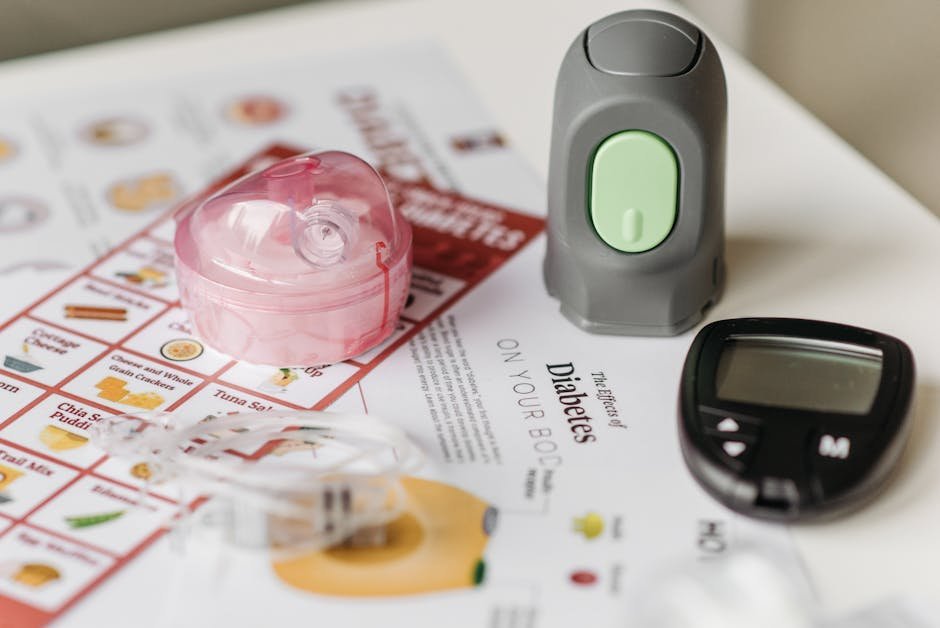
Foods Seniors with Diabetes Should Avoid: A Friendly Guide to Safer, Smarter Eating
This post contains affiliate links. As an Amazon Associate, I earn from qualifying purchases at no extra cost to you.
Free resources — no credit card required for trial
🎧 Listen to health & wellness audiobooks free for 30 days
Start 30-Day Free Trial →
🛒 Recommended Products
As an Amazon Associate we earn from qualifying purchases at no extra cost to you.
TheraBand First Step to Active Health Kit — Senior Exercise Program for Balance and Fall P
$19.99
EZ Off Jar Opener for Seniors — Under Cabinet Jar Opener for Weak Hands and Arthritis
$9.99
Omron 5 Series Upper Arm Blood Pressure Monitor — 2-User 100-Reading Memory Wide-Range Cuf
$44.99
OMRON 7 Series Wireless Wrist Blood Pressure Monitor — Clinically Validated with Connect A
$69.99
Vitality 4 Life Senior Resistance Band with Instruction Guide — Specifically for Elderly F
$16.99
📚 Read unlimited health books free for 30 days
Try Kindle Unlimited Free →
If you’re living with diabetes as an older adult, the food on your plate matters more than you might think. What you eat every single day can shape your energy levels, your heart health, your kidney function, your sleep — and how good you simply feel. The good news? You don’t need to overhaul everything at once or follow a joyless, restrictive meal plan. Understanding which foods seniors with diabetes should avoid — and why — is really the first step toward making choices that protect your independence, your comfort, and your long-term wellbeing. This guide is written to be easy to follow, easy to share with a caregiver or family member, and full of practical ideas you can start using today.
Why Diet Is Especially Important for Seniors Managing Diabetes
As we get older, our bodies change in ways that can make food choices even more significant than they were in our younger years. Digestion can slow a little, some medications interact with certain foods, taste preferences shift, and practical things like dental work can make certain textures harder to manage. These are real, everyday factors — and they’re worth acknowledging rather than ignoring.
For seniors with diabetes, these changes mean that the same foods that were just “not ideal” in your forties can become genuinely riskier in your sixties, seventies, or beyond. High blood sugar swings can leave you feeling exhausted, foggy, or unsteady on your feet. Poor food choices can add strain to your heart and kidneys over time. And older adults are also more vulnerable to foodborne illnesses, which can be especially serious when diabetes is part of the picture.
The encouraging news is that even small, consistent changes in what you eat can make a meaningful difference. This isn’t about perfection — it’s about building a gentler, more protective relationship with food, one meal at a time.
The Main Foods Seniors with Diabetes Should Avoid (or Limit)
Let’s walk through the key food categories that tend to cause the most trouble for older adults managing diabetes. For each one, we’ll explain what makes it risky and suggest some practical swaps that still leave room for enjoyment.
Sugary drinks and sweets are at the top of the list. Regular soda, sweetened fruit drinks, energy drinks, fancy coffees loaded with syrup, candy, cakes, and pastries can cause blood sugar to spike quickly — and then crash — leaving you tired and hungry all over again. They add empty calories and can contribute to weight gain and heart disease over time. Better choices include water, sparkling water with a squeeze of lemon, unsweetened tea or coffee, and small portions of fresh fruit when you want something sweet. A small square of dark chocolate or a homemade treat made with less sugar and more fiber can also satisfy a craving without the dramatic blood sugar rollercoaster.
Refined carbohydrates — white bread, white rice, regular pasta, many crackers, and sugary breakfast cereals — behave in a very similar way to sugar in your body. They digest quickly, causing a fast rise in blood sugar, and they don’t keep you feeling full for long. Swapping these for whole-grain options like whole-wheat bread, brown or wild rice, quinoa, oats, and barley is one of the most impactful changes you can make. Pairing any carbohydrate with vegetables and lean protein at mealtimes also helps slow the rise in blood sugar, keeping things more stable throughout the day.
Fried and greasy foods like fried chicken, French fries, onion rings, and fried snack chips add unhealthy fats and extra calories that can raise cholesterol and increase heart risk — which is already a bigger concern for people living with diabetes. Baked, grilled, steamed, or air-fried versions of your favourite foods can satisfy similar cravings with far less of the downside. A drizzle of olive oil and some herbs can add great flavour without the risks of deep frying.
High-sodium processed foods — including processed deli meats, canned soups with lots of added salt, salty crackers and snacks, frozen meals, and heavy gravies — can raise blood pressure, adding extra strain on the heart and kidneys. Older adults already tend to be more sensitive to sodium’s effects on blood pressure. Choosing fresh, home-prepared meals more often, seasoning food with herbs, garlic, lemon, or pepper instead of salt, and looking for low-sodium labels when buying packaged foods can all help significantly.
Fatty meats and full-fat dairy — fatty cuts of red meat, sausage, bacon, high-fat cheeses, heavy cream, and full-fat butter — can raise “bad” cholesterol levels, increasing heart disease risk. Because diabetes already raises the risk of heart problems, limiting saturated fats is a wise move. Lean proteins like skinless poultry, fish, beans, and tofu, along with low-fat dairy options and small amounts of heart-healthy fats like olive oil, avocado, and nuts, are all gentler choices.
Fruit juice and dried fruit in large amounts can catch people off guard, because fruit is healthy — and it is! But juice strips away the fibre that helps slow sugar absorption, and dried fruit is very concentrated in natural sugars and easy to overeat. Stick to whole fruit with the skin or peel on when you can, and if you enjoy juice, limit it to a small glass and consider diluting it with water. Similarly, be mindful of flavoured or sweetened dairy products like yogurts with lots of added sugar, sweetened puddings, and flavoured milks. Plain or Greek-style yogurt with fresh berries is a much better option — creamy, satisfying, and kinder to blood sugar.
Alcohol deserves a special mention. Even in modest amounts, alcohol can cause blood sugar to rise or fall unpredictably, especially if you’re taking diabetes medications or insulin. It also affects balance and coordination, which matters a great deal for fall prevention in older adults. If you choose to drink, do so only with food and speak with your doctor about what amount, if any, is safe for your situation.
Finally, if your doctor has flagged kidney concerns, you may need to limit certain high-potassium foods like large portions of potatoes, tomatoes, avocados, bananas, and some dairy products. This isn’t a universal rule for everyone with diabetes, but it’s important to follow your healthcare team’s specific guidance if it applies to you.
A Note on Food Safety for Older Adults with Diabetes
Here’s something that doesn’t get talked about enough: food safety. Older adults are more vulnerable to foodborne illnesses, and recovering from one can be harder and more complicated when diabetes is involved. This means it’s worth being thoughtful about foods like unpasteurised milk and soft cheeses, raw or undercooked eggs, raw sprouts, and raw fish — like sushi — unless you’re confident it’s been handled safely.
Choosing pasteurised dairy, fully cooked eggs, and well-cooked meats and fish is a simple, protective habit. Keeping foods at proper temperatures, refrigerating leftovers promptly, and thawing frozen food safely are also small steps that can protect your health in a meaningful way.
What You Can Do: Practical Tips for Safer Daily Eating
Making changes to the way you eat doesn’t have to be overwhelming. These practical, manageable ideas can help you get started — or go a little further if you’re already on the right track.
- Use the plate method: Fill half your plate with non-starchy vegetables (think spinach, broccoli, peppers, and green beans), one quarter with lean protein (chicken, fish, tofu, or beans), and one quarter with a whole grain or starchy food like brown rice, whole-wheat pasta, or a small sweet potato. Add a small serving of fruit or low-fat dairy on the side if you like.
- Plan your meals ahead of time. A simple weekly menu and shopping list can reduce spur-of-the-moment choices that aren’t ideal for blood sugar.
- Keep healthy staples stocked at home: frozen vegetables (without sauces), canned beans with no added salt, whole grains, nuts in small amounts, plain yogurt, and lean proteins make quick, diabetes-friendly meals much easier to pull together.
- Read nutrition labels. Look for lower added sugars, reduced sodium, and at least 3–5 grams of fibre per serving when choosing packaged foods. This one habit can make grocery shopping far more powerful.
- Practice mindful eating and portion control. Use a smaller plate, chew slowly, and wait a few minutes before reaching for seconds. Your body needs a little time to register fullness.
- Stay well hydrated. Water is your best friend most days. If you enjoy tea or coffee, keep added sugar minimal and try to have caffeine earlier in the day so it doesn’t disrupt your sleep.
- Keep a simple food and symptom log. Jot down what you eat and how you feel a couple of hours later — your energy, your digestion, or your blood sugar if you monitor it. Patterns often emerge that can help guide your choices.
- Ask for help when you need it. A registered dietitian or certified diabetes educator can tailor a plan specifically to your health status, medications, food preferences, and any other conditions you may be managing. You deserve personalised guidance — not just general advice.
- Involve your caregiver or a family member. Meal planning and preparation are so much easier — and more enjoyable — when someone who cares about you is part of the process.
Gentle Reminders About What This Journey Really Looks Like
Managing diabetes through diet is not about eating “perfectly” every single day. Life happens — there are celebrations, family gatherings, days when cooking feels like too much effort, and moments when you simply want something comforting. That’s completely human, and it’s okay. What matters most is the overall pattern of your choices over time, not any single meal.
Small, steady changes really do add up. Swapping white bread for whole grain, drinking water instead of soda most days, or choosing baked fish instead of fried chicken even a few times a week can gradually improve blood sugar control, support heart and kidney health, and lift your energy. These aren’t sacrifices — they’re investments in how good you can feel.
If mealtime feels confusing or stressful, please don’t hesitate to reach out to your healthcare team. You don’t have to figure this out alone, and getting the right support can transform diabetes management from something that feels daunting into something that genuinely supports your daily life.
The Bottom Line: Knowing which foods seniors with diabetes should avoid is a powerful first step — but it’s only half the picture. Equally important is finding delicious, satisfying alternatives that work for your taste, your lifestyle, and your health goals. By focusing on whole foods, leaning on support from your care team and loved ones, reading labels, and making one small improvement at a time, you can eat in a way that keeps your blood sugar steadier, protects your heart and kidneys, and leaves you feeling genuinely well. You know your body best — use these guidelines as a warm and practical map, and don’t be afraid to ask for help along the way.
This is not medical advice. Consult your healthcare provider before starting any new health routine or using any product mentioned here.