
Spinal Mobility and Multidirectional Movement: How to Keep Your Spine Healthy and Flexible
This post contains affiliate links. As an Amazon Associate, I earn from qualifying purchases at no extra cost to you.
Free resources — no credit card required for trial
🎧 Listen to health & wellness audiobooks free for 30 days
Start 30-Day Free Trial →
📚 Read unlimited health books free for 30 days
Try Kindle Unlimited Free →
Free resources — no credit card required for trial
🎧 Listen to health & wellness audiobooks free for 30 days
Start 30-Day Free Trial →
🛒 Recommended Products
As an Amazon Associate we earn from qualifying purchases at no extra cost to you.
TRIDUCNA Shiatsu Neck Back and Shoulder Massager with Heat — Deep Tissue 3D Kneading Pillo
$49.99
Soothio Back Massager for Pain Relief Deep Tissue — Shiatsu 4D Motion with Heat and Car Ch
$89.99
pryfey Back Massager Rolling Up and Down with Heat — 4D Kneading Shoulder Massager for Pai
$59.99
3-in-1 Electric Lumbar Support Massager with Heat Vibration and Traction for Lower Back Pa
$79.99
📚 Read unlimited health books free for 30 days
Try Kindle Unlimited Free →
Have you ever reached for something on the top shelf and felt a sharp pull across your back? Or tried to turn around quickly in the car and winced at the stiffness in your neck? These everyday moments are your body sending you a message — and that message is often about spinal mobility. Your spine is the central pillar of everything you do, from tying your shoes to playing with your kids to simply sitting comfortably at your desk. When it loses its natural ease of movement, daily life can start to feel like a battle. The good news? Understanding how your spine works — and how to support it — is one of the most empowering things you can do for your long-term health and quality of life.
Why Your Spine Is Far More Remarkable Than You Realise
Most people think of the spine as a simple stack of bones — a sturdy column that keeps us upright. But your spine is actually one of the most sophisticated pieces of biological engineering in your entire body. It’s designed to do three remarkable things at once, and it does them every single moment of every single day.
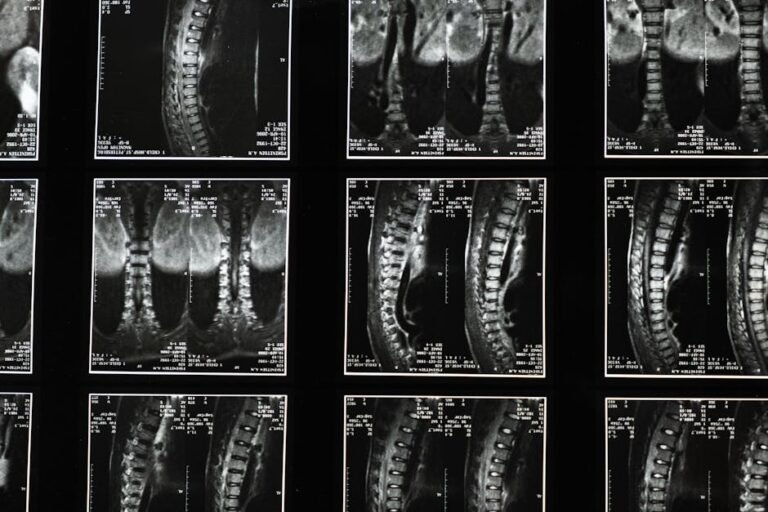
First, your spine provides axial support — it holds you upright, bears the weight of your head and torso, and distributes that load evenly so you can stand, sit, and walk with stability. Second, it facilitates multidirectional movement. Think about all the directions your spine moves: forward when you bend to pick something up, backward when you stretch, sideways when you lean over, and rotationally when you twist to look behind you. All of that incredible range of motion comes from the intricately connected segments of your spine. Third, and perhaps most critically, your spine protects your nervous system. Deep within its bony structure runs your spinal cord and the nerve roots that carry signals to and from every corner of your body.
But here’s the part many people overlook: your spine doesn’t work alone. It depends on a whole team of surrounding tissues — muscles that move and support each segment, ligaments that connect bones and provide stability, fascia (a web-like connective tissue) that wraps everything together, and a complex nervous system that coordinates all of it. The health of these tissues is what truly determines how well your spine functions. When they’re working in harmony, movement feels easy and natural. When they’re tight, weak, or poorly coordinated, that’s when stiffness and pain creep in.
The Balance Between Spinal Mobility and Stability
Here’s something that surprises a lot of people: your spine needs to be both flexible and stable at the same time. Think of a tall, well-rooted tree — its branches sway gracefully in a storm, but the trunk stays strong and grounded. That’s exactly the kind of dynamic balance your spine is designed to achieve.
Mobility means your joints and surrounding tissues can move freely through their full, natural range of motion. Your muscles, ligaments, and fascia need enough give to allow bending, twisting, and arching without restriction. If you lack mobility, everyday movements become stiff and uncomfortable, and you’re more likely to compensate in ways that put strain on other areas of your body.
Stability, on the other hand, is about control. It’s the ability of your brain and muscles to work together to keep your spine from moving too far or in an uncontrolled way that could lead to injury. It’s your body’s built-in braking system — and it’s just as important as flexibility. A spine that’s overly mobile without stability isn’t a healthy spine; it’s an injury waiting to happen.
This is why a truly effective approach to spinal health addresses both qualities together. Stretching alone won’t cut it if your stabilising muscles are weak. And strength training alone won’t help if your tissues are so tight that movement is restricted. The magic lies in developing both — flexible enough to move freely, strong enough to stay protected. Getting this balance right is key not just for preventing pain, but also for helping your spine recover if discomfort does arise.
A Smarter, More Modern Approach to Spinal Mobility
For years, the conventional advice for a stiff back was simple: stretch more. Grab your toes, hold for 30 seconds, repeat. And while static stretching certainly has its place, our understanding of how the body moves and heals has come a long way. Improving spinal mobility is far more nuanced — and far more interesting — than simply pulling on a muscle until it gets longer.
Modern approaches recognise that movement is a whole-body conversation involving your brain, your nervous system, your muscles, and all your connective tissues. It’s not about what one muscle can do in isolation; it’s about how multiple systems coordinate to produce smooth, efficient, pain-free movement. Your nervous system plays a starring role here — the way your brain signals your muscles to relax or engage is just as important as the physical length or strength of those muscles.
So what does a smarter approach actually look like in practice? It involves several different types of movement strategies working together:
Dynamic movements take your body through a range of motion in a flowing, controlled way — think gentle torso rotations or leg swings — rather than holding a static position. They’re excellent for warming up joints, increasing blood flow, and improving lubrication in the spine. Neurodynamic techniques focus on the mobility of the nervous system itself — gently encouraging your nerves to slide and glide smoothly through surrounding tissues, which can be particularly helpful for radiating pain or tingling sensations. PNF (Proprioceptive Neuromuscular Facilitation) methods combine stretching with muscle contraction to tap into your body’s natural reflexes and achieve greater range of motion more effectively than stretching alone. And mindful movement — simply paying conscious attention to how your body moves and where tension lives — can have a surprisingly powerful effect on how freely your spine functions.
Practical Tips to Improve Your Spinal Mobility Every Day
You don’t need to be an athlete, a yogi, or spend hours in the gym to make meaningful improvements to your spinal mobility. Small, consistent habits practised daily can genuinely transform how your back feels and how freely you move. The goal is simply to encourage your spine to explore all of its natural directions — safely, regularly, and without force.
Here are some practical, evidence-informed strategies you can start using right away:
- Break up long periods of sitting. Staying in one position for hours is one of the worst things you can do for spinal health. Set a timer to stand up, walk around, and gently move your spine every 30–45 minutes. Even a quick stretch or walk to the kitchen makes a difference.
- Start your day with a gentle dynamic warm-up. Before getting into your morning routine, spend five minutes doing slow, controlled movements like cat-cow stretches, gentle torso rotations, and shoulder circles. These wake up your joints, increase circulation, and prepare your spine for the day ahead.
- Move in all directions, not just one. Most of us unconsciously favour forward-bending movements. Make a point of also incorporating gentle backbends, side tilts, and rotational movements into your routine. Your spine is designed to move in all these directions, and using them keeps them functional.
- Explore your comfortable range of motion — don’t force it. Never push a stretch or movement into sharp pain. Instead, gently move to the edge of your current comfort zone and breathe. Over time and with consistency, your range of motion will naturally expand.
- Work on your core awareness. Your deep core muscles act like a natural corset for your spine, providing crucial support. Learning to gently engage these muscles — along with practising diaphragmatic (belly) breathing — can significantly improve spinal stability and help facilitate healthier, more controlled mobility.
- Try yoga or Pilates classes designed for spinal health. Both disciplines incorporate multidirectional movement, breath awareness, and the balance between mobility and stability that your spine needs. Even a beginner class once or twice a week can produce noticeable improvements over time.
- Invest in supportive tools where helpful. Foam rollers, mobility balls, and supportive pillows can all complement your movement practice by helping release tension in surrounding tissues. Look for well-reviewed options designed specifically for back and spine care.
- Listen to your body — always. Mild, temporary discomfort from exploring new movement is normal. Sharp, shooting, or persistent pain is not. If something doesn’t feel right, stop and speak with a healthcare professional.
Consistency matters far more than intensity here. Ten minutes of mindful, varied movement each day will do far more for your spinal health than an intense once-a-week session followed by six days of sitting.
When to Seek Professional Support for Your Spine
While daily movement habits are wonderfully effective for maintaining and improving spinal mobility, there are times when professional guidance is not just helpful — it’s essential. If you’re dealing with persistent stiffness that doesn’t improve with gentle movement, recurring back or neck pain, pain that radiates down your arms or legs, or any neurological symptoms like tingling or numbness, please don’t try to push through it alone.
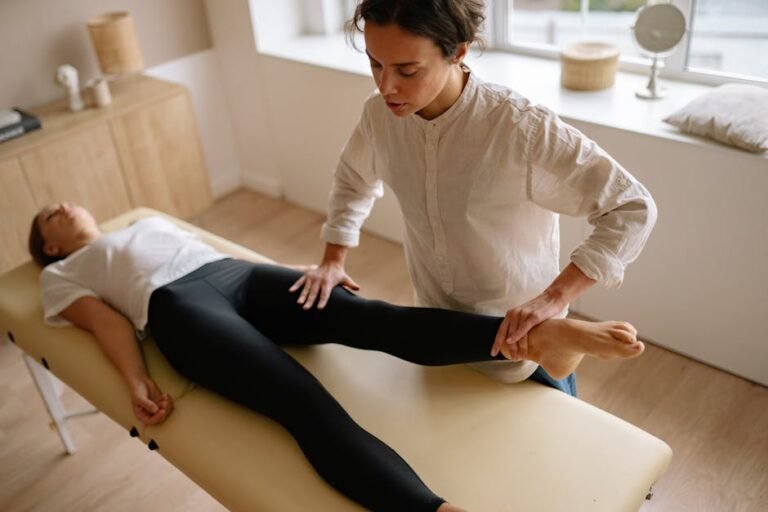
A physiotherapist or physical therapist can assess your individual spinal function and design a personalised programme that addresses your specific needs and movement patterns. They’re trained to identify the underlying reasons for restricted mobility or pain — whether that’s muscle tightness, joint restriction, nerve involvement, or a stability deficit — and they’ll guide you through targeted exercises that are safe and appropriate for your situation. Similarly, a chiropractor or certified movement specialist can offer valuable hands-on support and exercise coaching.
Seeking professional help early — rather than waiting until pain becomes severe — is always a smarter, more cost-effective approach. Think of it the same way you’d think about going to a dentist for a check-up: preventive, proactive care is always easier than waiting for a problem to become a crisis. Many physiotherapy clinics also offer telehealth appointments if getting to a clinic in person is challenging.
The Long-Term Benefits of Prioritising Spinal Mobility
It’s easy to think about spinal health only when something hurts. But investing in your spine’s mobility and stability before problems arise pays enormous dividends over the long term. A healthy, mobile, and well-supported spine doesn’t just mean less pain — it means a richer, more capable life.
When your spine moves freely in all its natural directions, you can bend, reach, twist, and carry with ease. Activities that might have been becoming limited — gardening, playing sports, picking up grandchildren, dancing, hiking — remain accessible and enjoyable for far longer. Research consistently shows that people who maintain good spinal mobility and core strength as they age experience less chronic back pain, better posture, improved balance, and a greater sense of physical confidence.
Perhaps most importantly, caring for your spinal mobility is an act of self-respect and self-investment. Your spine literally carries you through life. Every step, every breath, every movement you make depends on it. Taking even a few minutes each day to nurture its health is one of the most practical and meaningful things you can do for your body — not just now, but for decades to come.
The Bottom Line: Spinal mobility is about far more than avoiding a sore back — it’s about being able to move freely, confidently, and comfortably in every direction life throws at you. Your spine is a marvel of engineering designed for both strength and flexibility, and it thrives when you give it varied, consistent, mindful movement. By understanding the balance between mobility and stability, embracing smarter movement strategies, and building simple daily habits, you can genuinely transform the way your spine feels and functions. Start small, stay consistent, and don’t hesitate to seek professional support when you need it. Your spine will thank you for years to come.
This is not medical advice. Consult your healthcare provider before starting any new health routine or using any product mentioned here.