Global Muscles and Spinal Fluidity: How Your Back Muscles Keep You Moving with Ease
This post contains affiliate links. As an Amazon Associate, I earn from qualifying purchases at no extra cost to you.
Free resources — no credit card required for trial
🎧 Listen to health & wellness audiobooks free for 30 days
Start 30-Day Free Trial →
📚 Read unlimited health books free for 30 days
Try Kindle Unlimited Free →
Free resources — no credit card required for trial
🎧 Listen to health & wellness audiobooks free for 30 days
Start 30-Day Free Trial →
📚 Read unlimited health books free for 30 days
Try Kindle Unlimited Free →
Have you ever stopped to think about just how much your spine does for you every single day? From stretching when you first wake up, to bending down to tie your shoes, reaching for something on a high shelf, or simply sitting upright at your desk — your spine is constantly working to support you and keep you moving. But here’s something most people don’t realise: your incredible range of motion isn’t just about bones and discs. It depends enormously on a sophisticated network of muscles, especially a group known as global muscles. Understanding how these muscles — particularly the erector spinae — support spinal fluidity and movement across multiple planes can help you move better, feel better, and protect your back for years to come.
What Are Global Muscles, and Why Does Your Spine Need Them?
Think of your spine like the mast of a sailing ship — strong and central, but relying on a complex system of ropes and pulleys to stay upright and respond to changing conditions. In your body, your muscles play that role. And while there are many muscles connected to the spine, they broadly fall into two categories: deep stabilising muscles and global muscles.
Global muscles are the larger, more superficial muscles of your trunk and back. They sit closer to the surface, and you can often feel them working when you stretch, bend, or lift. Unlike the tiny deep muscles that quietly fine-tune the position of individual vertebrae, global muscles are your primary movers — they generate the large forces needed for big, sweeping movements, and they work hard to hold your entire torso upright against gravity. In short, they’re the reason you can stand tall, bend freely, and twist with confidence.
Without strong, healthy global muscles, everyday movements would feel stiff, effortful, and uncomfortable. These muscles are absolutely central to what we call spinal fluidity — the smooth, coordinated way a healthy spine moves through all directions of motion.
Meet the Erector Spinae: The Backbone of Your Back’s Global Muscle Group
The most important and well-known of the global muscles are the erector spinae. Rather than being a single muscle, the erector spinae is actually a group of long, powerful muscles running vertically along both sides of your spine — from the pelvis all the way up through the rib cage and into the neck. You can often feel these muscles subtly engaging when you sit or stand up straight.
So what do they actually do? The erector spinae are responsible for three key types of movement that allow your spine to work across multiple planes:
- Spinal extension: This is what happens when you straighten up after bending forward, arch your back, or simply hold yourself upright. Your erector spinae are constantly resisting gravity’s pull, keeping you from slumping forward throughout the day.
- Side bending (lateral flexion): When you lean sideways to pick something up, or stretch your arm overhead, the erector spinae on the opposite side contract while the ones on your bending side lengthen in a controlled way — a beautifully coordinated movement.
- Rotation: Twisting to look behind you, reaching into the back seat of your car, swinging a golf club — these all require your erector spinae to work in a coordinated, rotational pattern.
This ability to move across multiple planes — forward and backward, side to side, and in rotation — is what gives your spine its remarkable fluidity. Without the erector spinae functioning well, your back would feel like a rigid rod, making even simple tasks feel clunky and strained.
How Global Muscles and Deep Stabilisers Work Together for a Resilient Spine
Here’s where things get really interesting. Your global muscles don’t work alone — they’re always in partnership with the smaller, deeper muscles that sit close to the spine, often called local stabilisers. If you imagine a tall building, the large, visible support beams represent your global muscles — they provide the main structure and allow for large-scale movement. But inside the building, there are also intricate smaller systems that keep every level stable and secure. Those are your deep stabilisers, providing fine-tuned control at each individual spinal joint.
This teamwork between global and deep muscles is what makes your spine genuinely resilient. The global muscles generate power and enable large movements, while the deep stabilisers protect each spinal segment and prevent small, harmful movements from causing damage — especially during lifting, twisting, or quick changes in direction.
When both systems are strong and communicating well, you get the best of both worlds: stability (controlled, protective strength that prevents injury) and mobility (the freedom to move through your full, healthy range of motion without feeling stiff or restricted). This dynamic balance is what keeps your spine healthy, comfortable, and capable — whether you’re playing sport, gardening, or just getting through a busy day.
Why Strengthening Your Global Back Muscles Matters for Everyday Life
Investing in the strength of your global back muscles isn’t just for athletes or people recovering from injury — it pays dividends for absolutely everyone. Here are some of the most meaningful benefits:
Injury prevention is one of the biggest payoffs. Strong global muscles act like a protective shield for your spine, helping to distribute forces more evenly during activity and reducing strain on more vulnerable structures like discs, ligaments, and joints. This can make a real difference in your risk of common back pain and strains.
Better posture is another huge reward. Slouching is often a sign that the global back muscles are struggling to hold the body upright against gravity over time. When these muscles get stronger, standing and sitting tall becomes easier and more natural — and that can even help ease tension headaches and neck discomfort linked to poor posture.
Strong global muscles also mean greater ease in daily activities. Think about lifting groceries, playing with children or grandchildren, reaching into the back of a cupboard, or sitting comfortably for a long period. When your back muscles are working well, these tasks feel lighter, less tiring, and more enjoyable. And over time, maintaining muscular strength in your back supports long-term spinal health, helping you stay active and independent as you age.
Practical Tips: What You Can Do to Strengthen Your Global Back Muscles
The good news is that you don’t need a gym membership or special equipment to start supporting your global muscles and improving your spinal fluidity. Here are some practical, accessible steps you can take right now:
- Try bodyweight back exercises: Movements like the Superman (lying face down and lifting your arms and legs off the floor), the Bird-Dog (on hands and knees, extending opposite arm and leg), and gentle back extensions are excellent for engaging the erector spinae without any equipment.
- Build a stronger core overall: Your abdominal muscles and back muscles work as a team. Planks, side planks, and engaging your core consciously during daily movements all help create a balanced, supportive foundation for your spine.
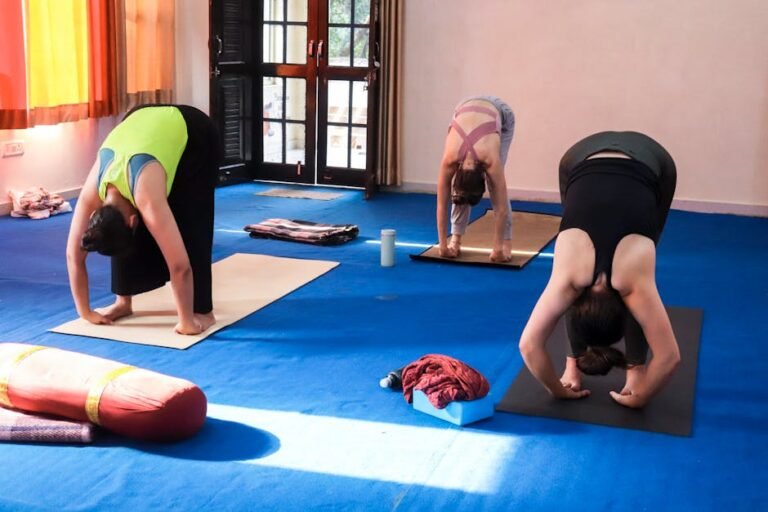
- Explore yoga and Pilates: Both disciplines are excellent for combining strength and flexibility in functional, spine-friendly ways. Many beginner-level classes are available online or in local studios, making them highly accessible.
- Move in varied ways every day: Walking, swimming, cycling, and dancing all contribute to spinal health by keeping muscles engaged and promoting healthy blood flow. The key is to avoid staying in one static position for too long.
- Be mindful of your posture: When sitting, keep your feet flat on the floor, shoulders relaxed, and back gently supported. When standing, imagine a gentle string pulling you upward from the crown of your head — it’s a surprisingly effective cue for natural alignment.
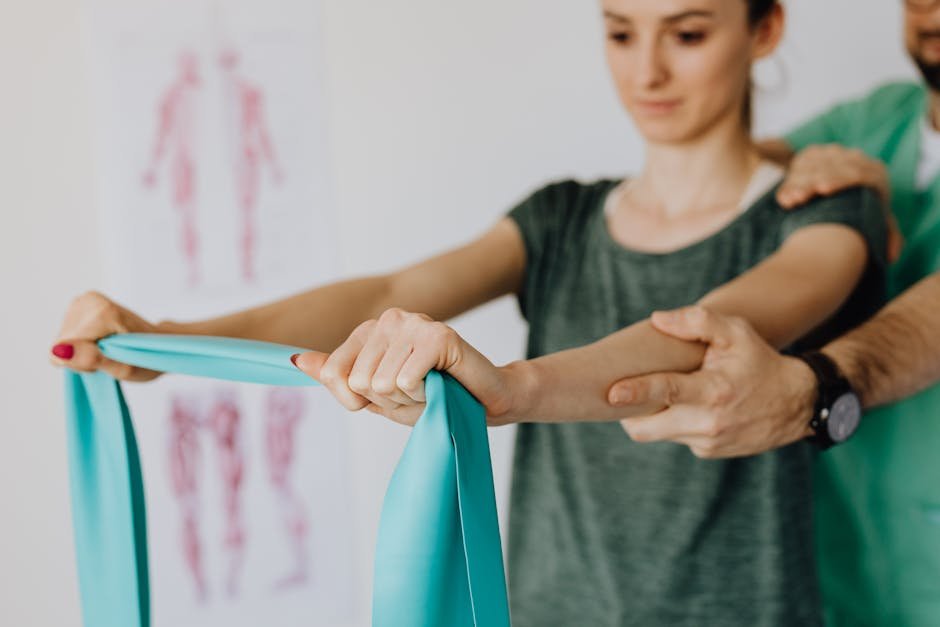
- Consider compound resistance exercises: If you’re comfortable with gym equipment, exercises like rows and deadlifts (with proper technique) are powerful ways to strengthen global back muscles. Always learn correct form first — a qualified personal trainer or physiotherapist can guide you safely.
- Listen to your body: If an exercise causes pain, stop. Start slowly, build gradually, and seek professional advice if you’re unsure. A physical therapist can design a personalised programme that matches your current fitness level and any existing back concerns.
Even small, consistent changes in how you move and exercise can make a meaningful difference to how your back feels — both now and in the future.
Building a Lifestyle That Supports Spinal Fluidity for the Long Term
Caring for your global muscles and spinal fluidity isn’t a one-time fix — it’s a long-term lifestyle habit. The wonderful thing is that it doesn’t have to be complicated or time-consuming. A few minutes of targeted movement each day, combined with awareness of how you sit, stand, and lift, can transform the way your back feels over time.
As we age, muscle mass naturally declines, and our spines can become more vulnerable to discomfort and injury. But this isn’t inevitable. By proactively strengthening your global back muscles — and keeping them flexible through regular, varied movement — you can slow that process and maintain a more active, comfortable life well into your later years. Think of it as a long-term investment in your independence and quality of life.
It’s also worth remembering that spinal health is about the whole picture. Sleep, hydration, nutrition, stress management, and overall activity levels all play a role in how well your back functions. Strengthening your global muscles is a crucial piece of the puzzle — but pairing it with a generally active, health-conscious lifestyle will deliver the best results.
The Bottom Line: Your global muscles — especially the powerful erector spinae — are essential for spinal fluidity, movement across all planes, good posture, and protection against everyday aches and injuries. By understanding their role and taking simple, consistent steps to strengthen and care for them, you’re giving yourself the gift of a back that feels strong, supple, and capable of keeping up with your life. A resilient spine isn’t just about avoiding pain — it’s about moving through the world with ease, confidence, and joy.
This is not medical advice. Consult your healthcare provider before starting any new health routine or using any product mentioned here.