Embracing Life After 40: Tips for a Healthier and Happier You
Maintaining Physical Health After 40
As we age, maintaining physical health becomes increasingly important, particularly after the age of 40. Regular exercise plays a crucial role in staying active and mobile. Engaging in cardiovascular activities such as walking, swimming, and cycling can significantly improve heart health, boost energy levels, and enhance overall stamina. These activities are gentle on the joints, making them ideal for individuals who may experience age-related joint pain.
Strength training is equally vital for those over 40. It helps in preserving muscle mass, which naturally begins to decline with age. Incorporating weight lifting or body-weight exercises like push-ups and squats into your routine can enhance muscle strength and bone density, reducing the risk of osteoporosis. Aim to include strength training exercises at least twice a week.
Flexibility exercises, such as yoga and stretching, can improve range of motion and reduce stiffness. Yoga, in particular, offers a holistic approach by combining physical postures with breathing techniques and meditation, promoting both physical and mental well-being. Consider joining a yoga class or following online tutorials to integrate these beneficial practices into your daily routine.
Integrating physical activity into daily life can be challenging, especially with common age-related issues like joint pain and decreased energy levels. However, practical tips can help overcome these obstacles. Start by setting realistic goals and gradually increasing the intensity and duration of your workouts. Incorporate physical activities into your daily schedule, such as taking the stairs instead of the elevator or walking during lunch breaks.
Regular health check-ups and screenings are essential to monitor your physical health after 40. These assessments can help detect potential issues early, allowing for timely intervention. Additionally, maintaining a healthy weight is crucial for overall well-being. Focus on a balanced diet rich in fruits, vegetables, lean proteins, and whole grains, and avoid processed foods high in sugar and unhealthy fats.
Nourishing Your Body and Mind After 40
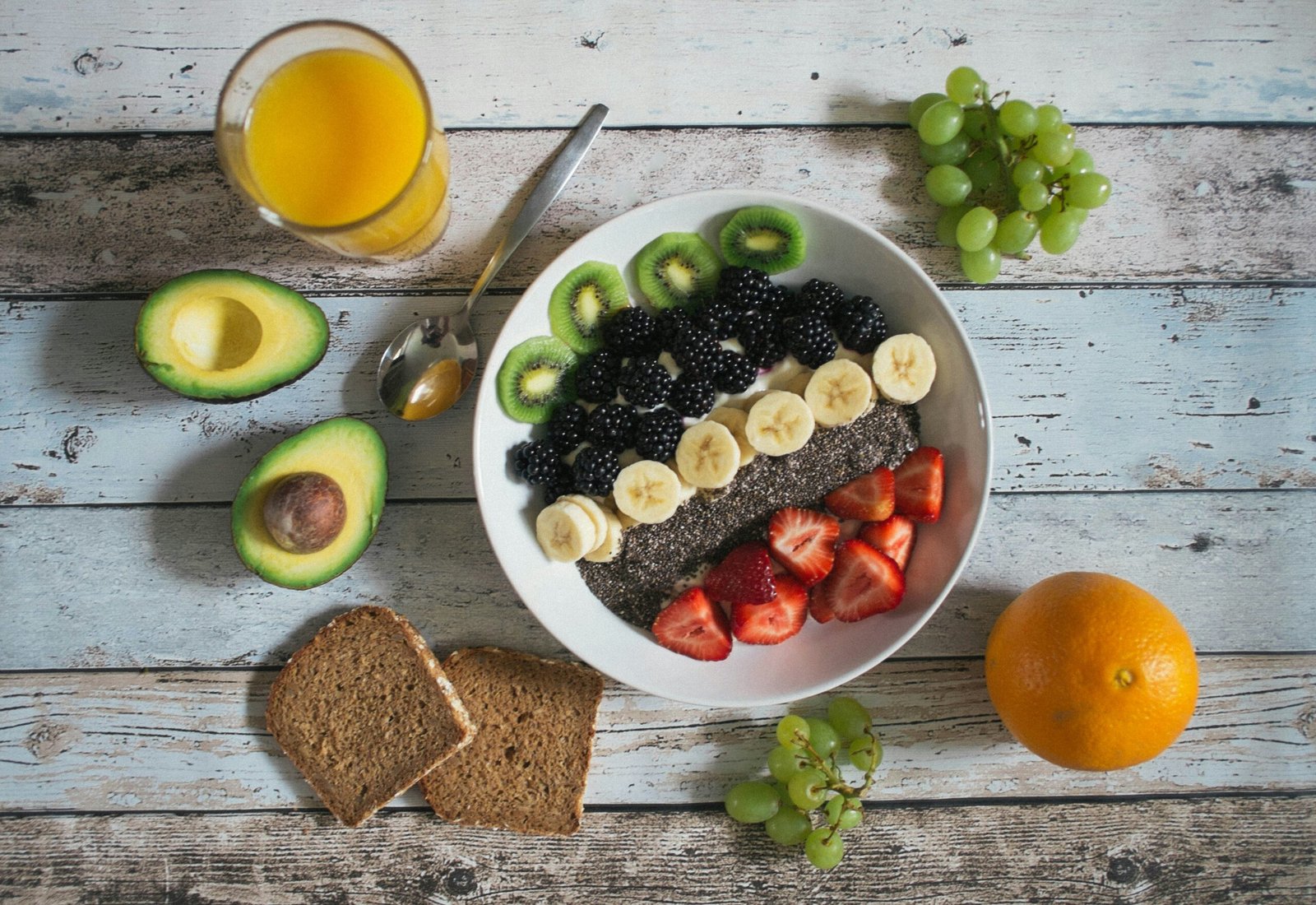
As we age, our nutritional needs evolve, making it crucial to adopt a balanced diet that supports both physical and mental well-being. For individuals over 40, incorporating meals rich in essential nutrients such as vitamins, minerals, fiber, and protein is pivotal. These nutrients not only boost energy levels but also play a significant role in maintaining bone health, muscle mass, and cognitive function.
Hydration is another key aspect of overall health. Drinking adequate water helps in digestion, nutrient absorption, and skin hydration. Aim for at least 8 glasses of water daily, and consider incorporating herbal teas and natural fruit-infused water for variety.
Reducing the intake of processed foods, sugars, and unhealthy fats can significantly enhance health outcomes. Processed foods often contain preservatives and artificial additives that may affect metabolism and increase inflammation. Instead, prioritize whole foods such as fruits, vegetables, lean proteins, and whole grains, which provide sustained energy and essential nutrients.
Effective meal planning and preparation can make healthy eating more convenient. Batch cooking, using pre-portioned containers, and creating a weekly meal plan can save time and reduce the temptation to opt for less nutritious options. Investing in ergonomic kitchen tools, such as easy-grip knives and non-slip cutting boards, can also make cooking a more enjoyable and less strenuous activity.
Mental well-being is equally important as physical health. Engaging in mindfulness practices such as meditation, deep breathing exercises, and yoga can help manage stress and enhance mental clarity. Additionally, maintaining social connections through regular interactions with friends and family can provide emotional support and reduce feelings of isolation.
To support a holistic approach to health, consider incorporating supplements that address specific needs, such as calcium and vitamin D for bone health, and omega-3 fatty acids for heart and brain function. Mindfulness apps like Headspace or Calm can guide meditation practices, while ergonomic kitchen tools can ease the physical demands of meal preparation.