
Signs of Poor Circulation Seniors Shouldn’t Ignore — And What to Do About Them
This post contains affiliate links. As an Amazon Associate, I earn from qualifying purchases at no extra cost to you.
Free resources — no credit card required for trial
🎧 Listen to health & wellness audiobooks free for 30 days
Start 30-Day Free Trial →
🛒 Recommended Products
As an Amazon Associate we earn from qualifying purchases at no extra cost to you.
TheraBand First Step to Active Health Kit — Senior Exercise Program for Balance and Fall P
$19.99
EZ Off Jar Opener for Seniors — Under Cabinet Jar Opener for Weak Hands and Arthritis
$9.99
Omron 5 Series Upper Arm Blood Pressure Monitor — 2-User 100-Reading Memory Wide-Range Cuf
$44.99
OMRON 7 Series Wireless Wrist Blood Pressure Monitor — Clinically Validated with Connect A
$69.99
Vitality 4 Life Senior Resistance Band with Instruction Guide — Specifically for Elderly F
$16.99
📚 Read unlimited health books free for 30 days
Try Kindle Unlimited Free →
Have you ever noticed your feet feeling unusually cold, your legs cramping after a short walk, or a strange tingling in your hands that just won’t go away? These might seem like minor annoyances, but they could be your body’s way of waving a red flag. Signs of poor circulation are something every senior deserves to know about — because catching them early can make a world of difference to your comfort, independence, and long-term health. The good news is that awareness is powerful, and there are practical steps you can take every single day to protect your heart and blood vessels. Let’s walk through everything you need to know, in plain, friendly language.
Why Circulation Matters More as We Age
Your circulatory system is essentially your body’s delivery network. Every heartbeat sends oxygen-rich blood through a vast web of arteries, veins, and tiny capillaries to fuel your muscles, organs, skin, and brain. When everything is working smoothly, you barely notice it’s happening. But as we get older, those pathways can gradually narrow or slow down — and that’s when symptoms start to creep in.
The changes aren’t always dramatic. Sometimes it’s a persistent chill in your toes. Other times it’s a heaviness in your legs by the end of the day, or feeling a bit lightheaded when you stand up from the couch. These are your body’s quiet signals that blood flow might not be quite as efficient as it used to be. Understanding what’s normal aging versus what warrants a chat with your doctor is one of the most valuable health skills a senior can have.
The causes of circulation slowdown vary. Atherosclerosis (plaque building up inside artery walls), high blood pressure, diabetes, high cholesterol, smoking, and carrying extra weight can all play a role. Age and family history matter too. But here’s what’s encouraging: many of these risk factors respond beautifully to lifestyle changes, and even modest improvements can help blood flow more freely through your body.
Signs of Poor Circulation You Should Know About
Recognising the warning signs early gives you the best chance of managing them before they become more serious. Here are the key symptoms to watch for:
Cold, numb, or tingly hands and feet — That “pins and needles” sensation, or persistently icy extremities even in a warm room, can mean blood isn’t reaching the outer parts of your body as well as it should. It’s easy to brush this off, but if it happens regularly, it’s worth mentioning to your doctor.
Skin colour changes — Pale, bluish, or unusually red skin on your legs, feet, hands, or fingertips can signal circulation issues. These colour shifts might come and go depending on temperature or activity, but a pattern of changes is something to take note of.
Slow-healing wounds — A cut, blister, or sore that lingers on your foot or lower leg for weeks without healing is a significant warning sign, especially if you have diabetes. Good blood flow is essential for healing, so when wounds stall, circulation may be compromised.
Leg swelling — Puffiness in the ankles, feet, or lower legs can come from heart, vein, or fluid balance issues. If swelling is new, accompanied by pain, warmth, or redness in one leg, contact your healthcare provider promptly.
Leg pain or cramping when walking (claudication) — If you notice a cramp, ache, or fatigue in your calves, thighs, or hips after walking a certain distance — and it relieves itself with rest — this pattern can signal that your arteries aren’t delivering enough blood to your leg muscles. Don’t push through it and assume it’s just “getting older.”
Leg pain at rest — Aching or heaviness in the legs while sitting or lying down, particularly at night, can indicate more significant circulation problems and deserves prompt attention.
Dizziness or lightheadedness when standing — Feeling woozy when you get up from a chair or bed can point to reduced blood flow or dehydration. It’s common but not something to normalise without discussing with your doctor, especially if it happens frequently or causes falls.
Breathlessness with everyday activities — Shortness of breath, chest tightness, or unexpected fatigue when doing simple tasks like climbing stairs or carrying groceries can be linked to heart circulation problems and should be evaluated.
Emergency warning signs — Sudden numbness or weakness on one side of the face or body, trouble speaking, severe chest or jaw pain, sudden vision changes, or a severe headache require immediate emergency services. Do not wait. Call for help straight away.
Understanding the Risk Factors Behind Poor Circulation
Knowing what puts you at higher risk helps you take smarter, more targeted steps to protect yourself. Some risk factors are things we can change; others we simply manage as best we can.
Atherosclerosis — where fatty plaque builds up inside artery walls — is one of the most common culprits behind circulation problems in older adults. High blood pressure quietly damages arteries over time, even when you feel fine. Diabetes, meanwhile, can injure the tiny blood vessels and nerves in your feet and legs, which is why foot care is so critical for anyone managing blood sugar.
Smoking is one of the most powerful drivers of poor circulation — it narrows blood vessels and forces your heart to work harder. If you smoke, quitting (or even cutting back) is one of the most impactful changes you can make. Carrying excess weight and spending long hours sitting also slow blood flow and weaken the circulation system over time.
Other conditions like varicose veins, chronic venous insufficiency, and certain heart conditions can also affect how well blood moves through your body. And while you can’t change your age or family history, knowing you have these risk factors means you can be more proactive with regular checkups and lifestyle habits.
What You Can Do: Practical Tips to Support Healthy Circulation
The great news is that many of the most effective strategies for improving circulation are things you can start today — no gym membership required, no dramatic overhaul needed. Small, consistent habits add up to real results over time.
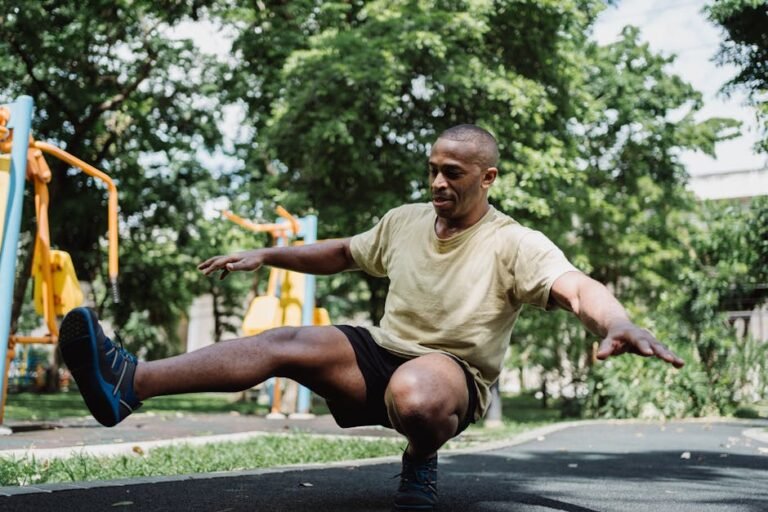
- Move gently and regularly. Aim for at least 150 minutes of moderate activity per week — brisk walking, swimming, or gentle cycling all work beautifully. If that feels like a lot right now, start with just 5–10 minutes a day and build gradually. Every bit counts.
- Do simple leg exercises. Seated marching, ankle circles, calf raises, and heel-to-toe walking help pump blood back up from your lower limbs. A few minutes several times a day can make a surprising difference.
- Break up long sits. Every hour, stand up, stretch, or take a short lap around the room. Sitting for extended periods slows circulation considerably.
- Inspect your feet daily. Check for cuts, blisters, redness, dampness, or swelling. If you have diabetes, this daily check is non-negotiable. Wear comfortable, well-fitting shoes and avoid tight socks or constrictive bands.
- Eat for your heart. Fill your plate with fruits, vegetables, whole grains, lean proteins (fish, poultry, beans), and healthy fats like olive oil and nuts. Cut back on processed foods, salty snacks, added sugars, and saturated fats.
- Stay hydrated. Drinking enough water supports healthy blood volume and flow. Unless your doctor has advised you to limit fluids for another reason, keep a glass of water nearby throughout the day.
- Manage your numbers. Have your blood pressure checked regularly. If you have diabetes, monitor blood sugar as your doctor advises. Keep a simple log of your readings and any symptoms to bring to appointments.
- Take your medications as prescribed. If you’ve been prescribed medicines for blood pressure, cholesterol, or diabetes, take them consistently and don’t stop without talking to your doctor first.
- Ask about compression stockings. These can help with certain leg circulation issues, but they’re not suitable for everyone. Only use them if recommended by your healthcare team.
- Quit smoking. Ask your doctor about support programs or medications that can make it easier. Even reducing the amount you smoke helps.
When to Seek Medical Help for Circulation Concerns
Knowing when to pick up the phone — or call emergency services — is just as important as knowing the symptoms. Not every twinge needs an ER visit, but some signs demand immediate action.
Call emergency services immediately if you experience: chest pain or jaw or arm pain with shortness of breath, sweating, or fainting; sudden weakness or numbness on one side of your body; trouble speaking or understanding speech; a drooping face; sudden vision changes; or severe leg pain with swelling, redness, warmth, and fever. These could indicate a heart attack, stroke, or blood clot — conditions where every minute matters.
Schedule a prompt appointment if you notice: new or worsening leg pain when walking that doesn’t ease with rest; persistent numbness or colour changes in your toes or fingers; wounds on your feet or legs that are slow to heal; frequent dizziness or fainting; or new shortness of breath with everyday activity. These aren’t emergencies, but they do need professional evaluation soon — don’t put them on the back burner.
Keep up with regular checkups. If you have risk factors like age, smoking history, diabetes, high blood pressure, or high cholesterol, routine visits allow your doctor to spot early changes in your circulation and adjust your care before things progress. Think of these appointments as maintenance for your body’s most vital systems — well worth the time.
Building a Supportive Mindset for Long-Term Circulation Health
It can feel overwhelming to think about circulation health, especially if you’re already managing other health conditions. But here’s a perspective shift that might help: you don’t need to overhaul your entire life overnight. The most lasting improvements come from small, steady changes that gradually become habits you barely have to think about.
Start with one or two things that feel manageable — maybe a 10-minute walk after lunch and a daily foot check before bed. Write down your symptoms, how your legs feel after activity, or any swelling you notice. Bringing this kind of simple log to your next doctor’s appointment gives your healthcare provider genuinely useful information and helps you feel more in control of your own health story.
You’re also not navigating this alone. Your GP, practice nurse, or specialist is there to answer your questions, adjust your treatment plan, and help you make sense of what your body is telling you. If something doesn’t feel right, trust that instinct. Reaching out for guidance isn’t being a burden — it’s being a smart, proactive advocate for your own wellbeing. You deserve that support.
The Bottom Line: Signs of poor circulation — from cold or numb feet to leg cramps, slow-healing wounds, or dizziness — are signals your body sends when blood flow needs attention. As a senior, knowing these warning signs and understanding what drives them puts you in a powerful position to act early. By staying gently active, eating well, managing your conditions with your healthcare team, and keeping an eye on how your legs and feet feel each day, you can take meaningful steps toward better heart and vascular health. Small choices, made consistently over time, really do add up — and your comfort, independence, and wellbeing are absolutely worth the effort.
This is not medical advice. Consult your healthcare provider before starting any new health routine or using any product mentioned here.