Posture Tips for Seniors With a Weak Core: Gentle Exercises and Daily Habits That Really Help
This post contains affiliate links. As an Amazon Associate, I earn from qualifying purchases at no extra cost to you.
Free resources — no credit card required for trial
🎧 Listen to health & wellness audiobooks free for 30 days
Start 30-Day Free Trial →
🛒 Recommended Products
As an Amazon Associate we earn from qualifying purchases at no extra cost to you.
TheraBand First Step to Active Health Kit — Senior Exercise Program for Balance and Fall P
$19.99
EZ Off Jar Opener for Seniors — Under Cabinet Jar Opener for Weak Hands and Arthritis
$9.99
Omron 5 Series Upper Arm Blood Pressure Monitor — 2-User 100-Reading Memory Wide-Range Cuf
$44.99
OMRON 7 Series Wireless Wrist Blood Pressure Monitor — Clinically Validated with Connect A
$69.99
Vitality 4 Life Senior Resistance Band with Instruction Guide — Specifically for Elderly F
$16.99
📚 Read unlimited health books free for 30 days
Try Kindle Unlimited Free →
If you’ve noticed yourself slouching in your favourite chair, leaning on the counter while you cook, or feeling a nagging ache in your lower back by mid-afternoon, you’re not alone — and it’s not just “getting older.” For many seniors, a weaker core is quietly at the root of these everyday discomforts. The good news? Posture tips for seniors with a weak core don’t have to be complicated, painful, or time-consuming. With a handful of gentle moves and some small tweaks to your daily habits, you can ease those aches, feel steadier on your feet, and move through your day with a lot more confidence and comfort.
Why Good Posture Matters More Than You Think — Especially With a Weak Core
When most of us hear the word “posture,” we picture someone being told to sit up straight at the dinner table. But for older adults, posture is actually a powerful everyday health tool — one that goes far beyond appearances. Your core muscles (the ones wrapping around your belly and lower back) act like a built-in corset for your spine. When they’re strong and working well, they keep everything lined up and supported. When they’re weak, your body compensates by slumping, leaning, or tensing up in all the wrong places.
That compensation costs you. Poor alignment puts extra pressure on your joints and soft tissues, which can turn into nagging back and neck pain over time. It also squashes your lungs a little — meaning you may not be breathing as deeply or as easily as you could be. Sitting or standing taller actually lets your lungs expand more fully, which can make breathing feel noticeably easier. And perhaps most importantly for day-to-day safety, a well-supported spine and steadier stance significantly reduces your risk of falls during routine activities like walking to the letterbox or getting up from a chair.
There’s even a mood connection. Small improvements in how you carry yourself can translate into feeling more energised and ready to take on the day. It sounds almost too simple, but the research — and plenty of lived experience — backs it up. Better posture really can make you feel better, inside and out.
Common Challenges Seniors Face With Posture and Core Strength
Before we dive into solutions, it’s worth acknowledging what you might be up against — because these challenges are real, and you deserve practical advice that actually fits your life. One of the most common hurdles is simply that weak core muscles make it hard to hold a comfortable, aligned position for long stretches. You sit tall for five minutes, and then fatigue sets in and you’re back to slouching without even realising it.
Balance concerns are another big one. If you’ve had a fall before, or you’re worried about the possibility, certain standing exercises can feel more daunting than helpful. Hip and shoulder stiffness from arthritis or old injuries can also make it feel like your body just won’t cooperate. And then there’s fatigue — when even a short walk tires you out, the last thing you want is to add an exercise routine on top of it.
These are all completely valid experiences, and none of them mean improvement is out of reach. The key is finding an approach that meets you where you are right now — gentle, safe, and genuinely doable. That’s exactly what the plan below is designed to be.
A Simple At-Home Plan: Posture Tips for Seniors With a Weak Core
Before you get started, a quick but important note: if you have osteoporosis, severe back pain, a recent surgery, or significant balance issues, please check in with your healthcare provider before beginning new exercises. Once you have the all-clear, gather a sturdy chair, clear a little floor space, and find a wall you can use for support. Move slowly, listen to your body, and if something hurts, stop and try a gentler version — or skip it for now.
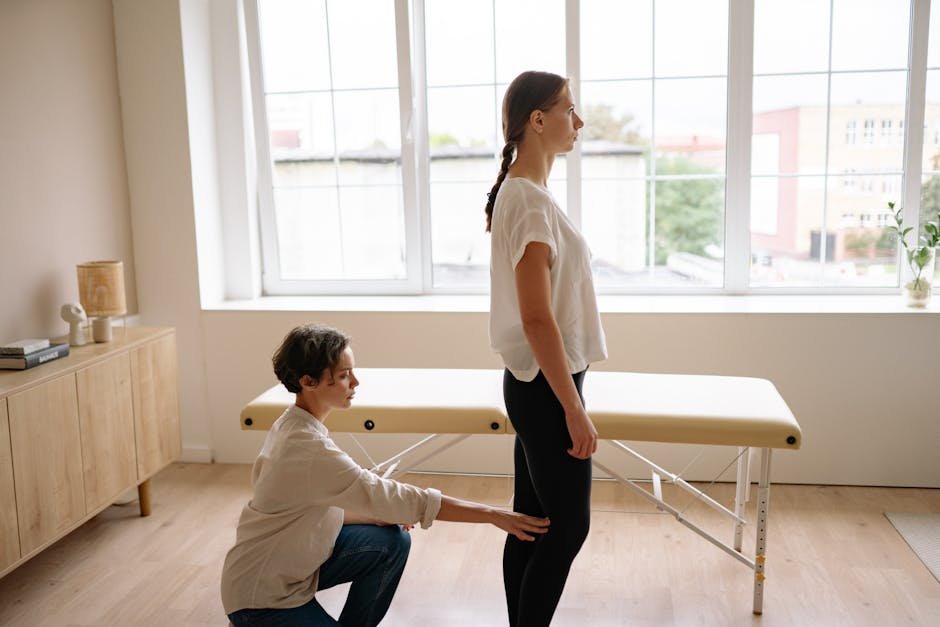
Start with a quick posture reset. This one you can do anywhere, anytime. Stand with your feet hip-width apart, weight evenly balanced. Imagine a gentle string pulling from the crown of your head toward the ceiling. Tuck your chin slightly, roll your shoulders back and down away from your ears, and keep a soft bend in your knees. Breathe normally and hold for 5–10 seconds. Repeat this 3–5 times throughout the day — at the kitchen sink, waiting for the kettle to boil, or during a TV ad break.
Try the pelvic tilt to wake up your core. Lie on your back with your knees bent and feet flat on the floor. Gently press your lower back toward the floor by tilting your pelvis — you’re flattening that small curve at the base of your spine. Hold for 5 seconds, then relax. Repeat 10–15 times. This move is brilliant because it teaches your body how the core is supposed to support the spine, and you can do it without standing up at all.
Use the wall for standing alignment practice. Stand with your back lightly against a wall, heels about 2–3 inches away. Let your head, shoulders, and buttocks touch the wall gently. Hold for 5–10 seconds, then step away from the wall and try to maintain that same tall feeling. Aim for 6–8 repetitions. Over time, your body starts to recognise what “upright” actually feels like — which makes it easier to maintain throughout the day.
Add seated leg marches for a gentle core challenge. Sit tall in your sturdy chair, feet flat on the floor. Lift one knee a few inches toward your chest, lower it, then alternate. Keep your back straight and resist the urge to lean to one side. Two sets of 10–15 marches per leg is a great starting point. This exercise looks deceptively simple but does a wonderful job of engaging the deep core muscles that support your spine.
Work up to bridges and bird-dogs when you’re ready. The bridge — lying on your back and lifting your hips gently off the floor — strengthens your glutes and core together, which is a powerful combination for spine support. The bird-dog, where you extend one arm forward and the opposite leg back, challenges your balance and coordination in a controlled way. Both can be modified to suit your current level, and both are worth working toward at your own pace.
What You Can Do Every Day: Practical Posture Habits for Seniors
Exercises are important, but the habits you practise across the whole day matter just as much — maybe even more. Here are some easy, practical changes that can make a real difference:
- Sit and stand with intention. Keep your ears over your shoulders, shoulders over your hips, and hips over your feet. It sounds simple, but practising this alignment throughout the day builds lasting muscle memory.
- Set up your chair properly. Choose a chair with a straight back and a seat height that lets your feet rest flat on the floor. A small rolled towel or lumbar cushion behind your lower back can offer helpful support during longer periods of sitting.
- Move every 30–60 minutes. If you spend much of the day seated, set a gentle alarm or use a TV programme break as a cue to stand up, stretch, and take a short walk around the room. Even one or two minutes of movement makes a difference to your spine.
- Choose your footwear carefully. Supportive, non-slip shoes with good arch support do far more for your posture and balance than worn-out slippers or flat sandals. Your feet are the foundation of your whole body’s alignment.
- Sleep smart. A firm or medium mattress works well for most people. If you sleep on your side, a pillow between your knees helps keep your spine in a neutral position. On your back? Try a pillow under your knees to reduce lower back strain.
- Bring your screen to eye level. Whether it’s a phone, tablet, or book, holding it up to eye level rather than looking down prevents that head-forward slouch that strains your neck and upper back over time.
- Stay hydrated. It might surprise you, but your spinal discs need good hydration to stay cushioned and healthy. Drinking enough water throughout the day supports joint comfort as well as general energy levels.
- Add a gentle stretch before bed or after waking. A few slow side bends, a gentle knee-to-chest stretch, and a light lower back stretch can ease morning stiffness and help you start the day feeling more mobile.
Building a Safe and Sustainable Routine
One of the most common mistakes when starting a new exercise habit — at any age — is trying to do too much too soon. When it comes to posture exercises for seniors with a weak core, starting small isn’t a compromise. It’s actually the smartest strategy. Begin with just 5–10 minutes a day, choose two or three of the exercises above, and do them consistently for a week or two before adding more. Consistency matters far more than intensity when you’re building core strength and retraining your posture.
Try to pick a time of day that works reliably for you — perhaps after your morning cup of tea, or before the evening news. Attaching your new routine to something you already do helps it become a genuine habit rather than a chore. As you grow more comfortable, gradually increase your repetitions or hold times by small amounts — two or three extra reps, or one to two extra seconds — every week or two. This kind of slow, steady progression protects your spine and helps you build real, lasting strength.
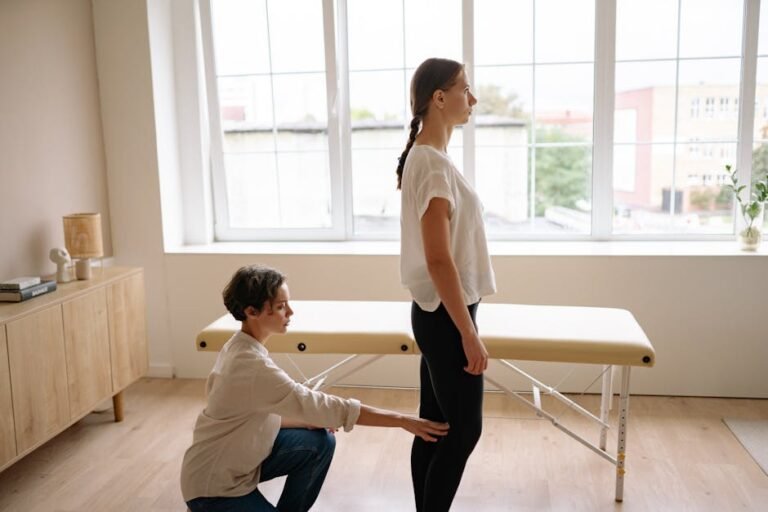
A few important safety reminders worth keeping in mind: always use support (a chair, a wall, a counter) if your balance is uncertain. Stop immediately if you feel lightheaded, short of breath, or notice any numbness or weakness in your arms or legs. And if pain persists, please speak with your doctor or consider a session with a physiotherapist who can guide you with hands-on expertise tailored to your specific needs.
The Emotional Side of Better Posture — and Why It’s Worth Celebrating
Here’s something that often gets overlooked in discussions about posture and core exercise: the emotional dimension. Feeling stronger and more upright — even a little — has a genuine impact on your mood, your confidence, and your sense of independence. When you can get out of a chair more easily, walk a little taller down the street, or bend to tie your shoes without wincing, those aren’t small victories. They’re meaningful improvements to your quality of life.
It’s also completely okay if progress feels slow, or if some days are harder than others. A weak core doesn’t develop overnight, and it won’t disappear overnight either. But every time you do a pelvic tilt, sit a little taller at lunch, or take a short walk around the house, you’re making a deposit in your body’s strength account. Over weeks and months, those deposits add up — and the results really do show.
Be patient with yourself, celebrate every small improvement, and remember that you’re doing this not to look a certain way, but to feel better, move more safely, and enjoy your daily life with greater ease and confidence. That is absolutely worth the effort.
The Bottom Line: Posture tips for seniors with a weak core don’t need to be overwhelming or intimidating. With gentle, consistent exercises like pelvic tilts, seated marches, wall stands, and bridges — combined with simple daily habits around sitting, sleeping, footwear, and movement breaks — you can gradually strengthen your core, improve your alignment, and reduce everyday discomfort. Start small, stay consistent, and give yourself credit for every step forward. A steadier, more comfortable body is well within your reach.
This is not medical advice. Consult your healthcare provider before starting any new health routine or using any product mentioned here.