Diabetes and Gum Health: What Every Senior Needs to Know to Protect Their Smile
This post contains affiliate links. As an Amazon Associate, I earn from qualifying purchases at no extra cost to you.
Free resources — no credit card required for trial
🎧 Listen to health & wellness audiobooks free for 30 days
Start 30-Day Free Trial →
🛒 Recommended Products
As an Amazon Associate we earn from qualifying purchases at no extra cost to you.
TheraBand First Step to Active Health Kit — Senior Exercise Program for Balance and Fall P
$19.99
EZ Off Jar Opener for Seniors — Under Cabinet Jar Opener for Weak Hands and Arthritis
$9.99
Omron 5 Series Upper Arm Blood Pressure Monitor — 2-User 100-Reading Memory Wide-Range Cuf
$44.99
OMRON 7 Series Wireless Wrist Blood Pressure Monitor — Clinically Validated with Connect A
$69.99
Vitality 4 Life Senior Resistance Band with Instruction Guide — Specifically for Elderly F
$16.99
📚 Read unlimited health books free for 30 days
Try Kindle Unlimited Free →
If you’re living with diabetes, you already know how much work goes into keeping your blood sugar steady — the careful eating, the regular check-ins, the medications. But here’s something that often gets overlooked: your mouth is deeply connected to the rest of your body, and the link between diabetes and gum health is stronger than most people realise. Poor gum health can actually make diabetes harder to control, and diabetes can make your gums more vulnerable to infection. It’s a two-way street that deserves your attention — because protecting your gums isn’t just about your smile, it’s about your whole-body wellbeing.
Why Diabetes and Gum Health Are More Closely Linked Than You Think
Gum disease, also called periodontal disease, is an infection of the gums and the bone that holds your teeth in place. It starts small — a sticky film of bacteria called plaque builds up along the gumline. If it’s not cleaned away regularly, it causes inflammation, redness, bleeding, and over time, can even lead to loose or lost teeth. For most people, consistent brushing and dental visits keep this in check. But for people with diabetes, the situation is a bit more complicated.
When blood sugar runs high, it creates an environment where mouth bacteria thrive. On top of that, high glucose levels slow down your body’s natural healing processes, meaning that if your gums do develop an infection, it takes longer to recover. Many people with diabetes also experience reduced saliva flow, leading to dry mouth. Saliva is actually one of your mouth’s best natural defences — it washes away food particles and bacteria — so when there isn’t enough of it, your teeth and gums are left more exposed to harm.
Here’s the part that surprises many people: the relationship doesn’t just run one way. Gum disease can actually make blood sugar harder to manage. The inflammation caused by gum infections can interfere with how your body uses insulin, which can push blood sugar levels up. This means that looking after your gums isn’t separate from managing your diabetes — it’s genuinely part of it. Better gum health supports better blood sugar control, and better blood sugar control helps your gums heal and stay healthier.
Warning Signs: What to Watch for in Your Mouth
One of the trickiest things about gum disease is that it doesn’t always hurt in the early stages. Many people don’t realise something is wrong until the condition has progressed. That’s why knowing what to look for — and checking in with your mouth regularly — makes a real difference, especially if you’re managing diabetes.
Keep an eye out for gums that look red, swollen, or feel tender. Bleeding when you brush or floss is another early signal that’s worth taking seriously, even if it seems minor. Receding gums (where your teeth start to look longer), persistent bad breath, or an unpleasant taste that won’t go away are also signs to bring up with your dentist. More advanced warning signs include teeth that feel loose or seem to have shifted, changes in how your teeth fit together when you bite, or mouth sores that last more than a few days.
Dry mouth that simply won’t go away is also worth flagging — particularly if you’re taking medications for blood pressure, allergies, or sleep difficulties, as these can reduce saliva production. If you notice any of these signs, especially if your blood sugar has been running higher than usual, don’t wait for your next scheduled appointment. Contact your dentist sooner rather than later. Catching gum problems early means treatment is simpler, less costly, and far more effective.
Practical Tips for Protecting Your Gums Every Day
The good news is that a consistent daily routine — one that’s gentle, manageable, and realistic — can make a significant difference for both your gum health and your diabetes management. You don’t need to overhaul your whole life; small, steady habits are what truly add up over time. Here are the most important things you can build into your day:
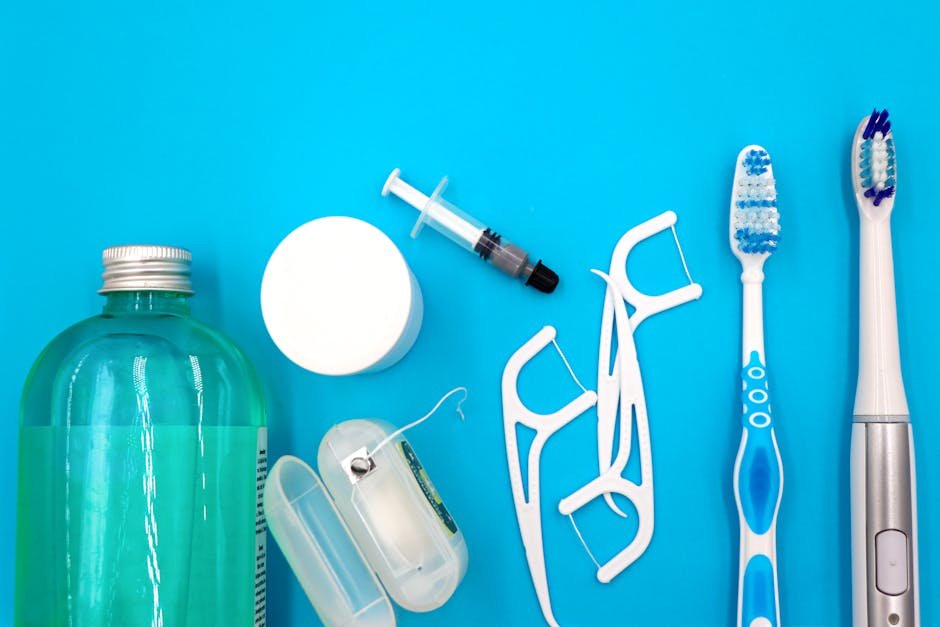
- Brush twice a day with fluoride toothpaste for about two minutes each time. Use a soft-bristled toothbrush or an electric brush with a soft setting to protect sensitive gums. Be gentle along the gumline — scrubbing too hard can actually damage gum tissue.
- Floss daily. If traditional floss is difficult to manage due to arthritis or reduced hand dexterity, try floss picks, a water flosser, or small interdental brushes. These are all excellent at clearing the plaque that hides between teeth where your toothbrush can’t reach.
- Use an alcohol-free mouthwash if your dentist recommends one. Alcohol-based rinses can worsen dry mouth, which is already a concern for many people with diabetes.
- Don’t rinse with water immediately after brushing. Letting a thin coat of fluoride toothpaste remain on your teeth for a little while gives it more time to protect your enamel.
- Stay hydrated throughout the day. Sipping water regularly helps prevent dry mouth and supports your overall health. Keep a water bottle nearby as a gentle reminder.
- Choose tooth-friendly snacks. Fresh vegetables, cheese, plain yogurt, nuts, and whole grains are satisfying options that are kinder to both your teeth and your blood sugar levels.
- Limit sugary snacks and drinks. If you have a sweet craving, pair a small treat with a protein-rich food to reduce blood sugar spikes. Always check labels — sugar hides in sauces, condiments, and drinks.
- Consider sugar-free gum or lozenges with xylitol (check with your dentist first). Xylitol is a natural sweetener that can help reduce the bacteria responsible for tooth decay.
- If you wear dentures, clean them every day and remove them at night to give your gums a rest. Make sure they fit properly — ill-fitting dentures can irritate gum tissue and make eating difficult, which affects both nutrition and blood sugar control.
- Stop smoking if you smoke. Smoking significantly increases the risk of gum disease, damages healing ability, and makes diabetes management harder. Ask your healthcare provider about quit support — you don’t have to figure it out alone.
- Manage stress and prioritise sleep. Both poor sleep and ongoing stress can raise blood sugar levels and weaken your immune response, leaving gums more vulnerable. Gentle activity, relaxing routines, and social connection all help.
How to Work With Your Dental Team When You Have Diabetes
Regular dental visits are always important, but they become even more valuable when you have diabetes. Most dentists recommend check-ups every six months as a baseline — but if you have a history of gum disease or your blood sugar has been difficult to control, your dentist may suggest visiting more frequently. These appointments aren’t just about cleaning; your dental team is also watching for early signs of gum disease, checking how well your gums are healing, and keeping an eye on anything that might need prompt attention.
One of the most helpful things you can do is make sure your dental team and your diabetes care team are communicating, even indirectly — through you. Let your dentist know about all the medications you’re taking, because some can affect your gums, your healing ability, or your saliva production. In turn, mention any oral health changes to your GP or diabetes nurse, particularly if you notice symptoms like increased bleeding, persistent swelling, or mouth sores. A coordinated approach keeps everyone on the same page and means you’re less likely to fall through the cracks.
If you experience anything more serious — severe mouth pain, swelling of the jaw, fever, or signs of infection — seek urgent dental or medical care straight away. Infections in people with diabetes can escalate more quickly than in those without the condition, so it’s always better to err on the side of caution and get checked promptly.
Building a Simple Daily Routine That Actually Works
Consistency is everything when it comes to gum health, but routines only stick when they feel manageable. The goal isn’t perfection — it’s showing up for your mouth most days, in ways that work for your life. A simple morning-to-evening structure can make this feel much less overwhelming.
In the morning, brush with fluoride toothpaste for two minutes using a soft brush, then floss or use an interdental cleaner. If your dentist has recommended a mouthwash, use it now. During the day, keep water nearby and reach for tooth-friendly snacks rather than sugary ones. If you wear dentures, give your gums a short rest when you can. In the evening, brush again — paying particular attention to the gumline and the teeth at the back — and floss once more before bed.
Once a week, take a moment to look at your gums in the mirror. Are they pink and firm, or do they look red and puffy? Do they bleed when you brush? These quick check-ins help you notice changes early and decide if it’s worth calling your dentist. For those with arthritis or reduced grip strength, adaptive tools can make all the difference: look for electric toothbrushes with large, easy-to-hold handles, or ask your dental team about tools designed specifically for people with dexterity challenges.
Why Taking Care of Your Gums Is an Act of Self-Compassion
It’s easy to think of dental care as just another item on a long to-do list when you’re already managing diabetes. But reframing gum care as something you do for yourself — rather than just another obligation — can make a real difference in how motivated you feel to keep it up. Your ability to eat comfortably, speak clearly, and smile with confidence all depend on a healthy mouth. These things matter to your quality of life and your independence as you age.
The research is clear: people who manage their gum health tend to have an easier time controlling their blood sugar, and those who keep their blood sugar steadier tend to experience fewer and less severe gum problems. Taking gentle, consistent care of your mouth is one of the most meaningful things you can do for your overall wellbeing — and you deserve that care. You don’t have to be perfect at it. You just have to keep going, one brushing at a time.
The Bottom Line: The connection between diabetes and gum health is real, significant, and works in both directions — which means caring for your gums is genuinely part of managing your diabetes well. By building a gentle daily routine, watching for early warning signs, staying in touch with both your dental and diabetes care teams, and making small but consistent lifestyle choices, you can protect your smile, support your blood sugar control, and maintain the comfort and independence that matter so much as you get older. Your mouth plays a bigger role in your overall health than most people realise — and with the right habits and the right support, keeping it healthy is absolutely within your reach.
This is not medical advice. Consult your healthcare provider before starting any new health routine or using any product mentioned here.