Easy Posture Correction Routine for Seniors: Feel Taller, Move Better, and Hurt Less
This post contains affiliate links. As an Amazon Associate, I earn from qualifying purchases at no extra cost to you.
Free resources — no credit card required for trial
🎧 Listen to health & wellness audiobooks free for 30 days
Start 30-Day Free Trial →
🛒 Recommended Products
As an Amazon Associate we earn from qualifying purchases at no extra cost to you.
TheraBand First Step to Active Health Kit — Senior Exercise Program for Balance and Fall P
$19.99
EZ Off Jar Opener for Seniors — Under Cabinet Jar Opener for Weak Hands and Arthritis
$9.99
Omron 5 Series Upper Arm Blood Pressure Monitor — 2-User 100-Reading Memory Wide-Range Cuf
$44.99
OMRON 7 Series Wireless Wrist Blood Pressure Monitor — Clinically Validated with Connect A
$69.99
Vitality 4 Life Senior Resistance Band with Instruction Guide — Specifically for Elderly F
$16.99
📚 Read unlimited health books free for 30 days
Try Kindle Unlimited Free →
If you’ve ever caught a glimpse of yourself in a shop window and thought, “When did I start stooping like that?” — you’re not alone. As we get older, it’s incredibly common for posture to gradually drift forward and downward. But here’s the encouraging news: a simple, easy posture correction routine for seniors can make a real difference in how you feel, breathe, move, and even how confident you feel walking into a room. You don’t need a gym membership, fancy equipment, or a personal trainer. You just need a sturdy chair, a few minutes, and a willingness to show up for yourself. Let’s get started.
Why Posture Matters More Than You Might Think
Most of us were told to “stand up straight” as kids, but good posture is about so much more than appearances. For older adults especially, the way you hold your body has a direct impact on your health and day-to-day comfort. When your spine is upright and balanced, your joints work more efficiently, your lungs have more room to expand, and your organs sit where they’re supposed to. That means lighter breathing, easier digestion, and less strain on your muscles and joints.
Poor posture, on the other hand, can contribute to back and neck pain, reduced balance, and even an increased risk of falls — which is a serious concern for many seniors. Slumping forward compresses the chest and makes it harder to take a full, satisfying breath. It also puts extra load on the muscles of your neck and lower back, which leads to that familiar end-of-day ache.
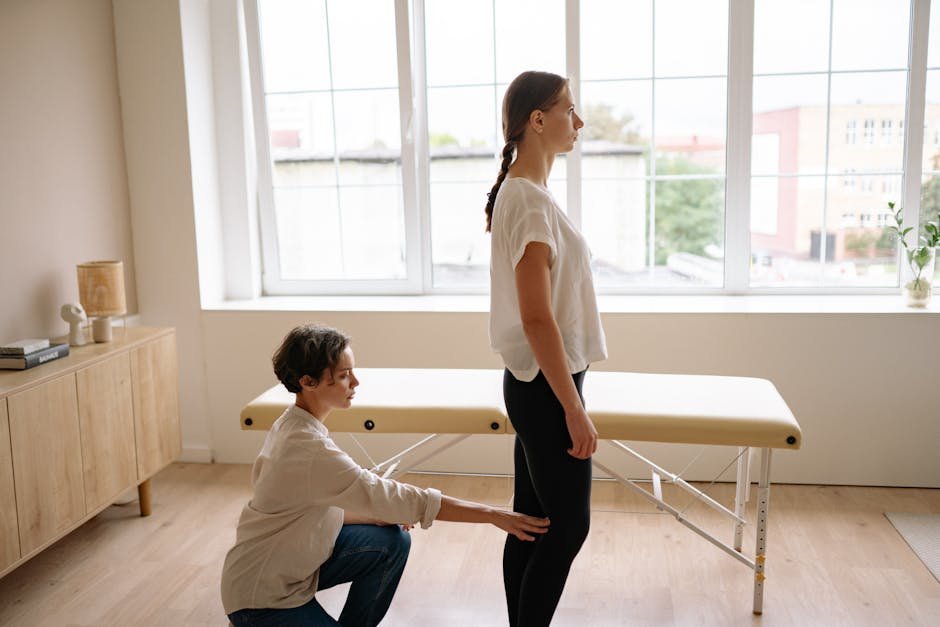
The good news is that your posture isn’t set in stone. With gentle, consistent practice, you can retrain the muscles that support your spine, open up your chest, and find a more upright, comfortable way of moving through your day. Whether you’re cooking, cleaning, walking to the mailbox, or sitting at the table for a meal, better posture makes every one of those activities a little easier.
Before You Begin: A Few Simple Preparations
One of the best things about this posture correction routine for seniors is that it was designed with real life in mind. There’s nothing extreme here — just safe, gentle movements you can do at home. Still, a little preparation goes a long way toward making your practice comfortable and effective.
Start by wearing comfortable, loose clothing that lets you move freely. Choose supportive shoes with good grip, especially for any standing exercises. You’ll want a sturdy chair with a straight back — a dining chair works perfectly. If you have balance concerns, position yourself near a wall so you can reach out if you need steadying. And if you have any existing health conditions, recent surgery, or experience pain that’s already affecting your movement, it’s worth a quick check-in with your doctor or physical therapist before you dive in.
Once you’re set up, take a slow breath in and out through your nose. This small act of mindfulness helps release tension before you begin, and it’s actually part of the routine itself — a reminder that posture and breathing are deeply connected.
Your Easy Posture Correction Routine: Step-by-Step Exercises
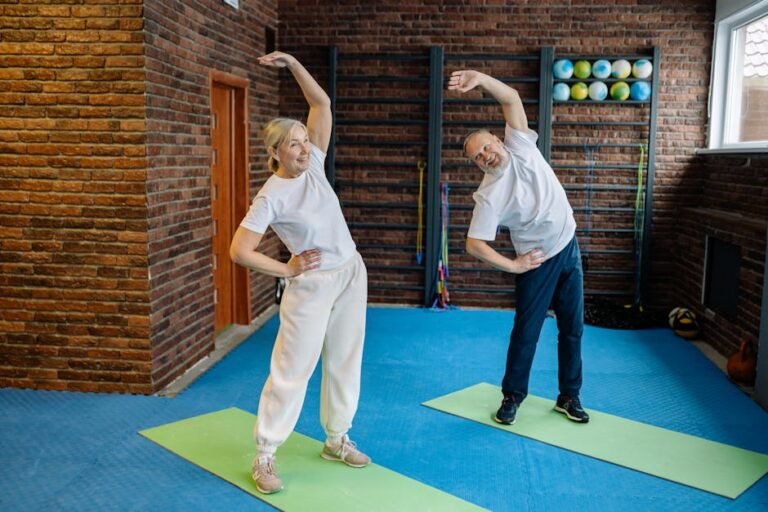
This routine moves through eight gentle exercises, starting with a warm-up and finishing with calming breathwork. You don’t have to do all eight in one go when you’re just starting out. Begin with the first three or four and add more as you feel ready. Most people find the whole routine takes between eight and fifteen minutes.
Neck and Shoulder Looseners (Warm-Up): Sit tall or stand with your feet hip-width apart. Slowly roll your shoulders up toward your ears, then back and down — five circles in each direction. Follow this with gentle head tilts from side to side, four to six on each side, feeling a light stretch rather than any pain. Finish with two slow nose breaths.
Sit Tall Spine Stretch: Sit with feet flat on the floor and your back against the chair. Place one hand on your lower ribs and the other on your thigh. As you inhale, imagine a string gently lifting the top of your head toward the ceiling. As you exhale, press your lower back lightly into the chair and sit a little taller. Repeat six to eight times, slowly and comfortably.
Shoulder Blade Squeeze: Sitting or standing, squeeze your shoulder blades together as if you’re holding a small pencil between them. Hold for five seconds, then release. Aim for eight to twelve repetitions, keeping your shoulders away from your ears and your breathing steady. This one is a game-changer for that rounded-forward feeling.
Gentle Chest Opener: Clasp your hands behind your back or rest them at the small of your back. Gently lift your chest and feel a mild stretch across the front of your shoulders and chest. Hold for five to ten seconds, then relax. Repeat six to eight times. If clasping behind your back is uncomfortable, simply rest your hands on your lower back and focus on lifting the chest.
Hip Hinge for Neutral Spine: Stand behind a sturdy chair, hands resting on the back. With a soft bend in your knees and a long, straight back, hinge forward slightly from the hips — maybe ten to twenty degrees — then slowly stand back up. Do eight to twelve repetitions, and never round your lower back. This builds awareness of a neutral spine, which is essential for good posture.
Pelvic Tilt: Either seated or lying on your back with knees bent, gently tilt your pelvis forward slightly (creating a small arch in your lower back), then tilt it back (pressing your lower back toward the chair or floor). Move slowly through eight to twelve repetitions. This exercise helps you feel the connection between your core and your spine — the foundation of upright posture.
Chin Tuck: Sitting tall with relaxed shoulders, gently draw your chin back as if you’re trying to make a double chin. You should feel a gentle lengthening at the back of your neck. Hold for five seconds, then release. Repeat eight to ten times. If you have neck arthritis or pain, keep the movement very small and stop if anything feels sharp.
Calming Breathing Finish: Sit or stand tall. Place one hand on your belly and the other on your chest. Breathe in slowly through your nose, letting your belly rise like a balloon. Exhale slowly, letting the belly fall. Do five to six breaths like this. Notice how it feels to sit tall and breathe fully — this is the posture you’re working toward.
Adapting the Routine for Common Senior Health Concerns
No two bodies are the same, and this routine is designed to be adapted, not followed rigidly. If you have knee pain or limited bending, keep a slight bend in your knees throughout and rely on the chair for support during all standing movements. If you have back discomfort or osteoporosis, use very small ranges of motion and stop immediately if any movement causes sharp pain — staying seated and skipping deeper bends is perfectly fine.
For those with balance issues, always perform standing exercises close to a wall or with a sturdy chair within arm’s reach. Moving a little slower and keeping your feet slightly wider than hip-width apart gives you a broader base of support. If shoulder stiffness makes the chest opener uncomfortable, simply rest your hands on your hips and gently lift the chest from there — you’ll still get the benefit. And if arthritis in your hands makes gripping uncomfortable, just let your hands rest on your thighs. The goal here is posture improvement, not perfect hand position.
What You Can Do to Make Posture Practice a Daily Habit
Doing this routine once won’t transform your posture, but doing it consistently over weeks and months absolutely can. The key is making it feel manageable and even enjoyable. Here are some practical tips to help you build a lasting habit:
- Start small and build gradually. Aim for three days a week in your first two weeks. Once that feels easy, add another day. Over time, try to work up to a short daily practice — even eight to twelve minutes a day adds up quickly.
- Pair it with something you already do. Do your routine after your morning coffee, after a bath, or right before bed. Attaching a new habit to an existing one makes it much easier to remember.
- Increase repetitions slowly. Add two more repetitions every one to two weeks, or hold positions for a few extra seconds as your comfort allows. Gradual progress is safe progress.
- Track your small wins. Keep a simple notebook and jot down when you notice easier breathing, less neck stiffness, or a longer, steadier stride. These small signs of progress are worth celebrating.
- Use visual reminders. Post a sticky note on your bathroom mirror or set a gentle phone alarm to prompt your practice time.
- Be kind to yourself on harder days. Some days your body will feel stiffer or more tired. Do what you can, even if it’s just a few shoulder rolls and some deep breaths. Consistency matters more than perfection.
- Consider a supportive prop. A lumbar cushion for your chair, a posture support brace for gentle reminders, or a non-slip yoga mat for floor exercises can all make your practice more comfortable and effective.
Safety First: What to Watch For During Your Routine
This routine is gentle by design, but your body always has the final say. Stop any exercise immediately if you feel sharp or shooting pain, dizziness, numbness, or tingling. These are signals worth paying attention to, and if any discomfort persists after resting, it’s time to check in with a healthcare professional. The goal is gradual, comfortable improvement — there’s no benefit to pushing through pain here.
Always keep your movement space free of clutter so you have room to move safely and nothing to trip over. Stay hydrated, breathe steadily throughout every exercise, and keep a gentle pace. If you’re using a chair, make sure it’s on a non-slip surface. Wearing closed-toe shoes with good grip is also strongly recommended for any standing exercises.
Remember that change takes time, and every single effort you make is worthwhile — even on the days when it doesn’t feel like much. Gentle repetition, patience, and kindness toward yourself are the real ingredients of lasting improvement. You are investing in your own comfort and independence, and that is always worth the effort.
The Bottom Line: An easy posture correction routine for seniors doesn’t need to be complicated, painful, or time-consuming to be genuinely effective. With eight simple, gentle exercises — from shoulder rolls and spine stretches to chin tucks and calming breathwork — you can gradually strengthen the muscles that support your spine, open up your chest, and stand a little taller every day. Start with just a few minutes, three days a week, and build from there. Over time, better posture means better breathing, less pain, improved balance, and more confidence in everything you do. Be patient with yourself, listen to your body, and keep going — one gentle step at a time.
This is not medical advice. Consult your healthcare provider before starting any new health routine or using any product mentioned here.