
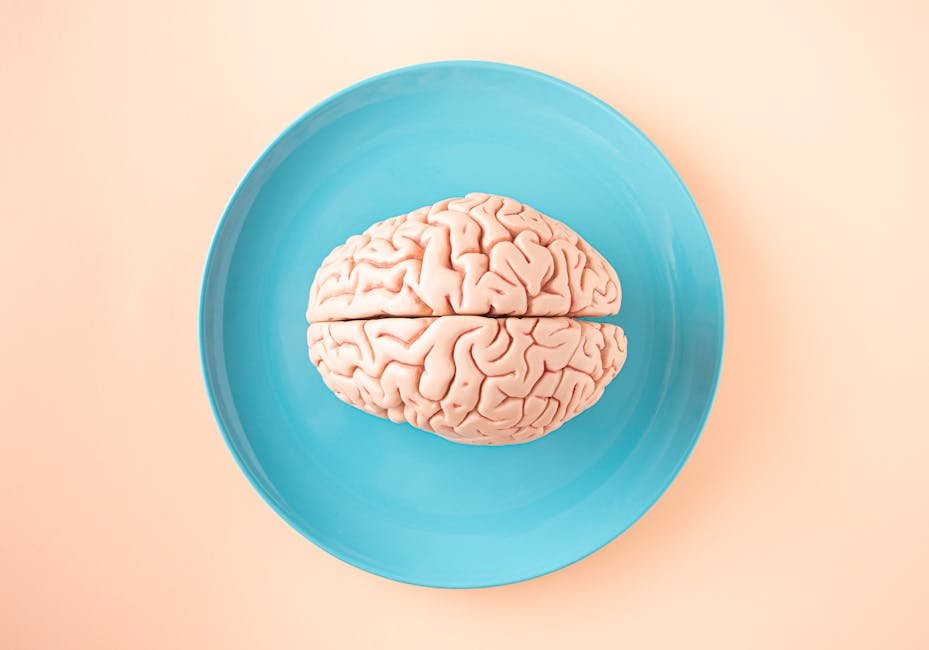
How to Create a Memory-Boosting Environment at Home: Simple Changes That Make a Real Difference
This post contains affiliate links. As an Amazon Associate, I earn from qualifying purchases at no extra cost to you.
Free resources — no credit card required for trial
🎧 Listen to health & wellness audiobooks free for 30 days
Start 30-Day Free Trial →
🛒 Recommended Products
As an Amazon Associate we earn from qualifying purchases at no extra cost to you.
TheraBand First Step to Active Health Kit — Senior Exercise Program for Balance and Fall P
$19.99
EZ Off Jar Opener for Seniors — Under Cabinet Jar Opener for Weak Hands and Arthritis
$9.99
Omron 5 Series Upper Arm Blood Pressure Monitor — 2-User 100-Reading Memory Wide-Range Cuf
$44.99
OMRON 7 Series Wireless Wrist Blood Pressure Monitor — Clinically Validated with Connect A
$69.99
Vitality 4 Life Senior Resistance Band with Instruction Guide — Specifically for Elderly F
$16.99
📚 Read unlimited health books free for 30 days
Try Kindle Unlimited Free →
Have you ever walked into a cluttered room and immediately felt your mind go a little fuzzy? Or noticed how much easier it is to think clearly in a tidy, well-lit space? It turns out, your home is doing a lot more for your brain than you might realise. Learning how to create a memory-boosting environment is one of the most practical, empowering steps you can take for your cognitive health — and the good news is, you don’t need to overhaul your entire living space to see results. Small, thoughtful changes can meaningfully support your memory, focus, and independence, day after day.
Why Your Living Space Has a Big Impact on Memory Health
Your home isn’t just a place to sleep and eat — it’s an active partner in how well your brain functions. The way a room is organised, how much light floods through your windows, the colours on your walls, and the routines you follow each day all influence how hard your brain has to work just to get through basic tasks. When your environment is unpredictable or overly stimulating, your mental energy gets eaten up by small stresses and distractions. That leaves fewer resources for the things that matter, like remembering where you put your keys, following a recipe, or staying on top of appointments.
When your surroundings are calm, familiar, and well-organised, your brain can relax and do what it does best. Memory encoding — the process of taking in new information and storing it — works better when you’re not overwhelmed. Retrieval, or actually finding that memory when you need it, also improves when there are clear, consistent cues around you. Think of a memory-friendly home as giving your brain a helpful set of signposts rather than a maze to navigate every day.
The changes we’re talking about here are gentle, practical, and entirely achievable. Whether you’re looking after your own brain health or helping a loved one stay sharp and independent, these strategies are worth exploring — one small step at a time.
Decluttering and Organising: Create a Clearer Stage for Your Memory
A tidy, organised space is one of the most straightforward ways to support memory health. When your surroundings are predictable — when the same things are always in the same places — your brain doesn’t have to work overtime locating items or filtering out visual noise. Less clutter means less mental effort spent on the basics, which frees up cognitive resources for everything else.
One of the most effective strategies is creating what some experts call “memory stations.” This simply means designating a specific spot near your front door for the items you use every day — your keys, glasses, phone, wallet, and medications. A labelled basket or a row of hooks does the job beautifully. When these items always live in the same place, you stop using mental energy searching for them.
You don’t need to declutter your whole home in a weekend. In fact, trying to do too much at once can feel overwhelming and discouraging. Instead, try spending just 10 to 15 minutes a day on one focused area — a kitchen drawer, a bathroom cabinet, a pile of papers on the table. Use clear bins, labelled folders, and a single dedicated file for important documents. Keep surfaces as clear as you reasonably can. Less visual noise really does help your brain encode and hold onto new information more easily.
Lighting and Colour: Set the Right Mood for a Memory-Boosting Environment
Good lighting is about so much more than being able to see clearly — though that matters too. Proper, layered lighting improves attention, reduces the likelihood of mistakes, and makes it easier to notice and remember details. Poor lighting, on the other hand, strains the eyes and the mind, creating unnecessary cognitive load.
Aim for what’s called layered lighting: a ceiling light for general visibility, a task lamp for reading, hobbies, or cooking, and a gentle night light to guide you safely in the dark. Natural daylight is particularly valuable — it supports mood and alertness, both of which are closely tied to how well we form and retrieve memories. Where possible, open your curtains during the day and position your favourite chair near a window.
Colour can also serve as a memory cue. Soft, neutral tones are soothing and reduce mental fatigue, but you can use colour accents strategically to highlight important items. A red mug for your daily medications, a blue bookmark for your to-do list, or colour-coded tags on key documents — these simple visual prompts give your brain quick, reliable signals without requiring active thought. It’s a clever, low-effort way to support everyday recall.
Routines and Sensory Cues: Let Familiarity Do the Heavy Lifting
Predictable routines are genuinely one of your brain’s best friends. When a habit becomes truly routine, you rely less on active memory and more on built-in cues that tell you what comes next. This is hugely valuable as we get older, because it reduces the mental effort required for everyday tasks and creates a comforting sense of control and confidence.
Start by posting a large, easy-to-read calendar in a prominent spot in your home — your kitchen or living room is ideal. Include meals, medications, appointments, and leisure activities. Create short checklists for your morning and evening routines, written clearly and kept somewhere you’ll see them. Checking items off as you complete them gives your brain a satisfying sense of progress and ensures nothing gets missed.
Sensory experiences can be powerful memory aids too. A favourite playlist of songs from your younger years doesn’t just lift your mood — music can actually cue memories and improve focus. Fresh flowers or a small plant near your daily spaces gently engage your senses and boost alertness. Familiar scents like lavender or citrus can be calming and grounding. Displaying photos of loved ones and meaningful places near where you spend your time creates warm, emotional memory prompts that reinforce recall in a joyful, personal way.
What You Can Do: Practical Tips to Start Building Your Memory-Friendly Home Today
The best part about creating a memory-boosting environment is that you can start right now, with what you already have. Here’s a collection of practical, actionable steps drawn from each area we’ve covered:
- Set up one memory station today. Choose a spot near your front door and designate it for keys, glasses, phone, and medications. A small labelled basket or a row of hooks works perfectly.
- Add a task light to your favourite reading chair. Better light means less eye strain and more focused attention — both of which support memory.
- Let in more natural daylight. Open blinds or curtains during the day, especially in rooms where you spend the most time.
- Use colour-coded tags or containers. Assign a colour to medications, important documents, and safety equipment so your brain gets a visual cue at a glance.
- Create a morning checklist. Write down your key daily tasks — taking medications, meals, watering plants — and tick them off as you go.
- Post a large, easy-to-read monthly calendar in a common area and update it weekly.
- Build a calming playlist of favourite songs from your past and play it during morning routines or quiet activities.
- Try habit-stacking. Attach a new memory-friendly habit to something you already do — for example, review your day’s schedule while enjoying your morning coffee.
- Introduce one simple tech tool. A pill organiser with an alarm, a voice assistant, or a reminder app can gently prompt you for medications, meals, and appointments without feeling overwhelming.
- Keep walkways clear. Remove cords, small rugs, and clutter from the floor to create safer, easier-to-navigate spaces.
- Use non-slip mats in bathrooms and kitchens, and check that lighting on stairs and in hallways is bright enough.
- Review your setup weekly. Notice what’s working and what feels cumbersome, then make small tweaks so your environment truly works for you.
Remember, you don’t need to do everything at once. Pick one or two items from this list and start there. Small changes, consistently applied, are what create lasting improvements.
Technology as a Gentle Memory Ally
Technology often gets a reputation for being complicated or frustrating, but when chosen thoughtfully, the right tools can act as a wonderfully supportive memory partner. The key is to start with just one device or app, learn it well, and only add more when you feel comfortable.
A large-display tablet with simple, easy-to-navigate icons is a great starting point for many older adults. Medication reminder apps that speak the time and medication name aloud take the pressure off remembering schedules. A voice assistant — the kind you simply speak to — can read your daily plan, set timers, and answer questions without needing to type or tap anything. Digital photo frames loaded with labelled pictures of family and favourite memories can serve as gentle, joyful prompts throughout the day.
When choosing any device, look for straightforward privacy settings, clear instructions, and accessible support. Set up devices in common living spaces, and make sure cords are safely tucked away to prevent trips. If you have a family member or friend who’s comfortable with technology, ask them to help you get started — sometimes all it takes is one good demonstration to make a new tool feel manageable and even enjoyable.
The Bottom Line: Creating a memory-boosting environment at home is one of the most empowering things you can do for your brain health and daily independence. By decluttering thoughtfully, improving your lighting, using sensory cues and colour prompts, building consistent routines, and embracing simple technology tools where they help, you give your brain the support it needs to form, hold, and recall memories more easily. You don’t have to transform everything at once — just start with one small, deliberate change today. A brighter lamp, a memory station by the door, a favourite playlist playing in the background — each step adds up. Your home can become one of your greatest allies in staying sharp, confident, and independent for years to come.
This is not medical advice. Consult your healthcare provider before starting any new health routine or using any product mentioned here.