The Benefits of Lifelong Learning for Brain Health and Memory as You Age
This post contains affiliate links. As an Amazon Associate, I earn from qualifying purchases at no extra cost to you.
Free resources — no credit card required for trial
🎧 Listen to health & wellness audiobooks free for 30 days
Start 30-Day Free Trial →
🛒 Recommended Products
As an Amazon Associate we earn from qualifying purchases at no extra cost to you.
TheraBand First Step to Active Health Kit — Senior Exercise Program for Balance and Fall P
$19.99
EZ Off Jar Opener for Seniors — Under Cabinet Jar Opener for Weak Hands and Arthritis
$9.99
Omron 5 Series Upper Arm Blood Pressure Monitor — 2-User 100-Reading Memory Wide-Range Cuf
$44.99
OMRON 7 Series Wireless Wrist Blood Pressure Monitor — Clinically Validated with Connect A
$69.99
Vitality 4 Life Senior Resistance Band with Instruction Guide — Specifically for Elderly F
$16.99
📚 Read unlimited health books free for 30 days
Try Kindle Unlimited Free →
What if one of the best things you could do for your brain health and memory didn’t involve a prescription, a complicated diet, or an expensive programme? What if it was as simple as learning something new — a recipe, a few words in another language, or a fascinating fact about local history? Lifelong learning is one of the most enjoyable, accessible, and powerful tools older adults have for keeping their minds sharp, their spirits lifted, and their lives rich with purpose. And the good news is, it’s never too late to start.
Why Lifelong Learning Is So Good for Your Brain Health
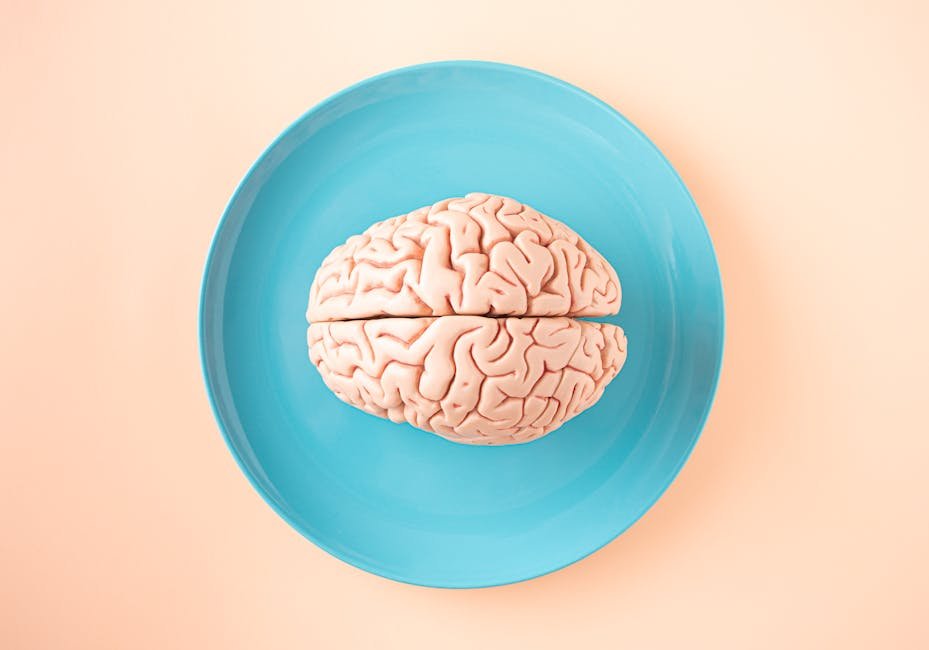
Think of your brain a little like a muscle. When you challenge it regularly with new information, unfamiliar problems, and fresh skills, it responds by forming new connections between brain cells. This process helps build what scientists call cognitive reserve — essentially a kind of mental savings account that supports thinking and memory as the years go by. The more you deposit through learning, the more your brain has to draw on when it needs it most.
Every time you pick up a new hobby, puzzle over an unfamiliar topic, or practise a skill you’ve never tried before, you’re giving your brain a meaningful workout. It doesn’t have to be dramatic. Trying a new cooking style, exploring local history, or even learning how to use a new app on your phone all count. These small, consistent acts of curiosity add up to something significant over time — a more agile, flexible, and resilient mind.
Research suggests that mentally stimulating activities can help maintain cognitive function and may slow the pace of age-related memory changes. While learning is not a cure for any condition, it is a wonderfully enjoyable strategy for supporting your brain health across the years. That’s a pretty compelling reason to dust off a long-forgotten interest or finally try something you’ve always been curious about.
How Learning Supports Memory, Mood, and Connection
When you engage regularly with new information, you’re actively strengthening your memory systems. Activities like learning a few phrases in a foreign language, memorising a new set of recipes, or picking up a simple instrument all require focused attention, repetition, and mental association — and those are exactly the kinds of exercises that help your brain encode and retrieve information more efficiently. It’s like giving your memory a gentle, enjoyable training session every time you sit down to learn something new.
Beyond the purely cognitive benefits, learning is genuinely uplifting. There’s a quiet joy that comes from mastering something new, no matter how small. That sense of accomplishment — “I did it, I learned that!” — boosts your mood and gives you a real feeling of purpose. Over time, this positive emotional momentum can reduce feelings of frustration, loneliness, or disconnection that sometimes creep in during later life.
And then there’s the social side of learning, which is easy to overlook but enormously valuable. Classes, book clubs, discussion groups, online communities, and study partners all bring people together around shared curiosity. Regular social interaction supports emotional health and helps protect against isolation — something that many older adults quietly struggle with. When you learn alongside others, you’re not just gaining knowledge; you’re building friendships and staying meaningfully connected to the world around you.
Lifelong Learning Builds Confidence and Independence
There’s something quietly powerful about discovering that you can still learn, adapt, and grow at any age. Whether you’re figuring out a new piece of technology, understanding a health topic more deeply, or exploring a subject you’ve always been curious about, every new piece of knowledge strengthens your confidence in your own abilities. That confidence has real, everyday benefits — it helps you participate more fully in family conversations, make informed decisions about your own health, and feel more capable and self-reliant in daily life.
Learning also promotes independence in a very practical sense. When you know how to use a smartphone’s video call feature, you can stay in close touch with grandchildren even when they live far away. When you understand the basics of nutrition, you can make better choices at the supermarket. When you learn a few safety tips for your favourite hobby, you can pursue it with greater confidence and fewer worries. Small knowledge gains add up to a noticeably richer, more empowered daily life.
This sense of capability and forward momentum is one of the most encouraging aspects of lifelong learning. It sends a clear message to yourself and to others: you are still growing, still engaged, still full of potential. That is a beautiful thing at any age.
What You Can Do: Practical Tips for Getting Started with Lifelong Learning
The best learning plan is one you’ll actually enjoy and stick with. Here are some warm, practical ways to weave lifelong learning into your everyday life — no pressure, no exams, just curiosity and small, satisfying steps forward.
- Start with what you already love. Gardening, cooking, birds, art, history, music — if it already interests you, it’s the perfect place to begin. Learning feels effortless when it connects to genuine passion.
- Set small, realistic goals. Try something like “learn five new recipes this month” or “spend 15 minutes with a language app three times a week.” Pop it on your calendar and celebrate every milestone, no matter how modest.
- Mix up your learning methods. Read a short article, then chat about it with a friend. Listen to a podcast on a morning walk. Watch a documentary and jot down three things that surprised you. Use hands-on projects to practise new skills. Variety keeps things fresh and helps information stick.
- Use memory-friendly techniques. Visualise new ideas as pictures in your mind. Link new facts to things you already know by telling yourself a little story about them. Break information into small chunks of three to five items. Review new material after a day, then again after a few days — this “spaced repetition” is one of the most effective memory strategies there is.
- Learn with others whenever you can. A local class, a book club, an online group, or even a learning buddy makes the experience more enjoyable and keeps you accountable. If getting out is difficult, look for friendly online communities or virtual courses with small, supportive groups.
- Try a family learning project. Learn a few phrases in a language your grandchildren speak and use them in conversation. Ask a younger family member to teach you a skill they love. Learning together creates wonderful moments of connection.
- Explore technology at your own pace. Language apps, online courses, virtual museum tours, and digital photo editing can all be brilliant learning tools. Start with user-friendly platforms, use large text settings and captions where available, and don’t hesitate to ask a trusted friend or family member for a little technical support.
- Fit learning into your daily routine. Listen to a short lesson during breakfast, watch an educational video while you rest after lunch, or practise a new skill as part of a hobby you already enjoy. Learning doesn’t need a separate slot in your day — it can slide gently into the life you’re already living.
Adapting Lifelong Learning to Your Needs and Staying Safe
Every person’s situation is unique, and lifelong learning works best when it’s tailored to fit your current health, energy, and lifestyle. If you’re beginning a new activity or changing your daily routine, it’s always a good idea to have a quick conversation with your doctor — especially if you’re managing any health conditions or taking medications that might affect your memory, attention, or balance. Your wellbeing always comes first.
If vision makes reading small print difficult, look for large-print books, audiobooks, or resources with adjustable text sizes. Enable captions on any videos you watch, and if hearing is a challenge, a good pair of headphones or a hearing aid can make a real difference to your learning experience. Set up your learning space with good lighting, minimal background noise, and whatever comfort items help you focus and relax.
Don’t be tempted to overload yourself, especially at first. Short sessions of 15 to 20 minutes are perfectly effective and much kinder to your concentration and energy levels than marathon study sessions. Give yourself extra time if your processing speed has slowed — there’s no race here. Break tasks into manageable chunks, use written notes or sticky reminders to support your memory, and plan your learning for the time of day when you feel most alert and energised.
If technology is part of your learning journey, take sensible precautions. Use trusted platforms, protect your personal information with strong passwords, and if you’re ever unsure about a website or course, ask someone you trust before signing up. Online learning is a wonderful resource, but it’s always worth approaching new platforms with a little healthy caution.
Simple Starter Ideas to Try This Week
Feeling inspired but not quite sure where to begin? Here are a few gentle, no-fuss ideas that can get you started almost immediately — all of them drawn from the practical wisdom of lifelong learners who’ve discovered how transformative a single small step can be.
Try a four-week “explore one new topic” experiment. Choose something you’re curious about, find one short article and one brief video on the subject, and spend just 15 minutes with each resource once or twice a week. By the end of the month, you’ll have genuinely learned something new — and you might just find yourself hungry for more. Alternatively, take a hobby you already love and learn a related skill: a new recipe if you enjoy cooking, a fresh painting technique if you love art, or a fascinating fact about plant care if gardening is your thing.
You could also start a social learning loop by joining — or creating — a simple monthly discussion group. Invite a friend, pick a topic, share what you discover, and enjoy the conversation. It doesn’t need to be formal or structured; the joy is in the sharing. Or try a family learning project: pick up a few phrases in the language your grandchildren speak and use them next time you’re together. Watch their faces light up. Learning has a way of bringing people closer, and that connection is one of its greatest gifts of all.
The Bottom Line: Lifelong learning is one of the most joyful, accessible, and genuinely effective ways to support your brain health and memory as you age. By staying curious, challenging your mind regularly, and learning alongside others, you build cognitive reserve, lift your mood, strengthen your social connections, and deepen your sense of confidence and independence. You don’t need to enrol in a university or master a new skill overnight — all it takes is one small step, one curious question, one new thing to explore. Your brain is ready. Your heart will thank you for it. Start today.
This is not medical advice. Consult your healthcare provider before starting any new health routine or using any product mentioned here.