
How to Improve Speech Recognition: Practical Tips for Older Adults Who Want to Stay Connected
This post contains affiliate links. As an Amazon Associate, I earn from qualifying purchases at no extra cost to you.
Free resources — no credit card required for trial
🎧 Listen to health & wellness audiobooks free for 30 days
Start 30-Day Free Trial →
🛒 Recommended Products
As an Amazon Associate we earn from qualifying purchases at no extra cost to you.
TheraBand First Step to Active Health Kit — Senior Exercise Program for Balance and Fall P
$19.99
EZ Off Jar Opener for Seniors — Under Cabinet Jar Opener for Weak Hands and Arthritis
$9.99
Omron 5 Series Upper Arm Blood Pressure Monitor — 2-User 100-Reading Memory Wide-Range Cuf
$44.99
OMRON 7 Series Wireless Wrist Blood Pressure Monitor — Clinically Validated with Connect A
$69.99
Vitality 4 Life Senior Resistance Band with Instruction Guide — Specifically for Elderly F
$16.99
📚 Read unlimited health books free for 30 days
Try Kindle Unlimited Free →
Have you ever found yourself nodding along in a conversation, quietly hoping nobody notices you missed half of what was said? You are far from alone. For many older adults, improving speech recognition — the ability to clearly understand spoken words — becomes one of the most meaningful things they can do to stay connected, confident, and engaged in everyday life. Whether it’s a grandchild chattering at the dinner table, a doctor explaining something important, or a friend catching up over coffee in a noisy café, following conversations can feel like hard work some days. The great news is that there are simple, practical strategies you can start using right now — no medical degree required.
Why Speech Recognition Gets Harder As We Age (And Why It’s Not Just About Hearing)
It’s tempting to assume that difficulty understanding speech is purely about the ears — but the reality is a little more layered than that. Yes, age-related changes in hearing play a role, but so does the brain’s speed at processing sounds, which naturally slows down a little over time. Background noise that once seemed easy to filter out — a television in another room, a busy restaurant, a group conversation — can start to feel genuinely overwhelming.
Fatigue is another underrated factor. By the end of a long day, listening takes real mental energy, and when that energy runs low, following along becomes noticeably harder. Some medications can also affect how clearly you hear, and issues like a build-up of earwax can create unnecessary barriers to understanding. Recognising all these contributing factors is actually empowering — because it means there are multiple points where small changes can make a real difference.
The bottom line here is that struggling with speech recognition does not mean your mind is failing you. It means your listening system is facing some everyday challenges, and those challenges can be addressed thoughtfully and practically.
Start With Your Ears: Hearing Health Basics That Matter
Caring for your ears is one of the most foundational things you can do to support better speech recognition. Regular hearing check-ups with an audiologist or your family doctor should be part of your health routine, especially if you’ve noticed any changes in how clearly you follow conversations. Catching hearing loss early means more options and better outcomes.
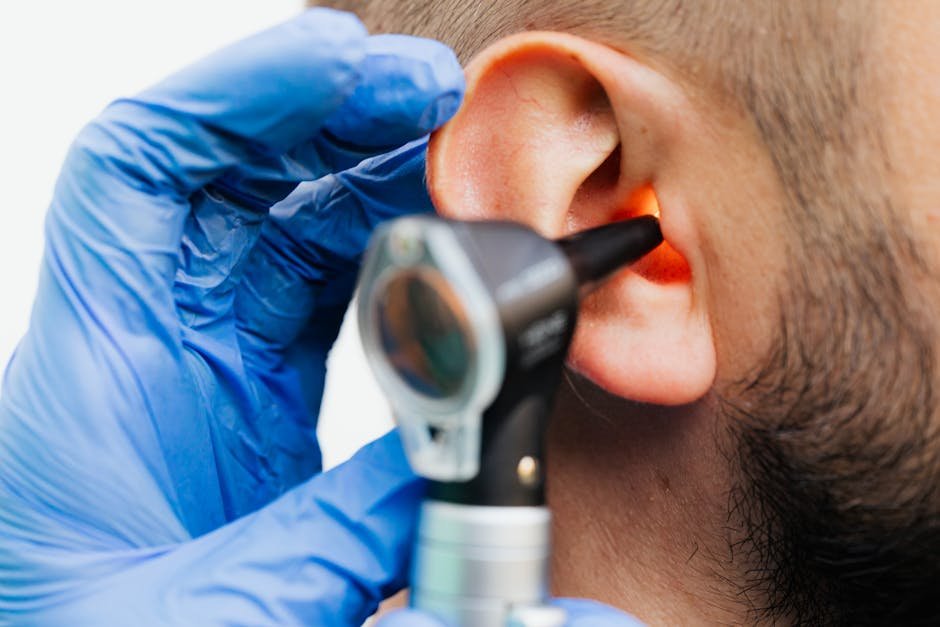
Earwax build-up is surprisingly common and surprisingly easy to overlook. Excess wax can muffle sounds and make speech harder to understand — yet it’s entirely treatable. If you’re not sure whether wax could be a factor for you, ask a healthcare professional to take a look rather than attempting to remove it yourself with cotton swabs, which can push wax deeper.
Protecting your ears from loud noise is equally important. This means using earplugs at concerts or noisy events, keeping the television at a reasonable volume, and being mindful that repeated exposure to loud sounds causes cumulative damage over time. If you’ve recently started a new medication and noticed a change in your hearing, mention it to your doctor — some medicines can affect hearing, and your doctor may have alternatives.
If a hearing test reveals that you would benefit from hearing aids, try not to put it off. Modern hearing aids are discreet, powerful, and far more comfortable than older generations of devices. Getting a proper fitting from an audiologist — and having your aids adjusted for the specific environments you spend time in, whether that’s your home, your place of worship, or your favourite restaurant — can make an enormous difference to your daily quality of life.
Creating Environments Where Listening Is Easier
One of the most effective and often overlooked strategies for improving speech recognition is simply making your environment work for you rather than against you. Background noise is one of the biggest barriers to understanding speech clearly, and the good news is that you often have more control over your surroundings than you might think.
When you have an important conversation planned — whether with a family member, a healthcare professional, or a friend — try to choose a quiet, well-lit space. Good lighting might sound unrelated to hearing, but it allows you to see the speaker’s face clearly, read their lips if needed, and pick up on facial expressions and gestures that add meaning to their words. Soft furnishings like curtains, rugs, and cushioned chairs help absorb echo in a room, making speech sound clearer and less muddled.
When you’re out and about, don’t be afraid to advocate for yourself. Ask to be seated away from the kitchen, the door, or the speakers when you’re at a restaurant. Request a quieter meeting room at the doctor’s office. These are reasonable, simple adjustments that most people and establishments are happy to accommodate. Turning off the television or radio during conversations at home is another quick win — it costs nothing and can immediately improve how much you understand.
Practical Tips for Improving Speech Recognition Every Day
Here is a collection of tried-and-tested strategies you can weave into your daily life to make conversations clearer and less exhausting. Think of these as tools in your toolkit — you don’t have to use every one of them all at once. Start with the ones that feel most relevant to your life right now.
- Ask people to face you when they speak. Seeing someone’s lips and facial expressions gives your brain valuable extra information that helps fill in the gaps.
- Request a comfortable speaking pace. It’s perfectly reasonable to say, “Could you speak a little more slowly?” or “Could you pause between sentences?” Most people are happy to help.
- Don’t guess — ask for repetition or rephrasing. If you miss something, say so. Asking “Could you say that another way?” often works better than “Could you repeat that?” because rephrasing can make the meaning clearer.
- Focus on one speaker at a time. In group settings, gently ask that people speak one at a time. This is a reasonable request that benefits everyone in the conversation.
- Listen for keywords and context. Names, numbers, places, and action words carry a lot of meaning. Focus on catching those, and your brain can often fill in the rest.
- Allow yourself a processing pause. Before you reply, count silently to two. Your brain may simply need a moment to catch up — and that’s completely normal.
- Confirm what you’ve heard. Repeat back key points to check your understanding: “So our appointment is at three o’clock on Thursday?” This simple habit prevents misunderstandings.
- Use and watch for body language. Nodding, gestures, and facial expressions are part of communication. Staying tuned into these cues helps you follow the flow of a conversation even when you miss a word or two.
- Reduce distractions before conversations. Silence your phone, turn off background music, and close the door to noisy hallways before settling into an important chat.
- Take breaks when you need them. Listening intensely is genuinely tiring. It’s okay to say, “Could we continue this in a few minutes?” when a conversation feels overwhelming.
Assistive Technology That Can Help You Hear More Clearly
Technology has come a long way, and there are now some genuinely brilliant tools available to support speech recognition for older adults — many of them simple enough to set up with a little help from a family member or friend. Captioned telephone services, for example, display the words of the person you’re speaking with on a screen in real time, making phone calls far less stressful. Some smartphones have built-in captioning features that work during live conversations too.
Television captioning is another straightforward option that can significantly reduce the effort of following news programmes, dramas, and documentaries. If you’re not currently using subtitles on your TV, it’s worth switching them on and giving them a try. Many people find they quickly wonder how they ever managed without them.
Real-time transcription apps on smartphones and tablets can be helpful in face-to-face settings as well. These apps listen to speech and display it as text on your screen — particularly useful in environments like medical appointments where you don’t want to miss important information. For those with more significant hearing loss, cochlear implants and advanced hearing aid features — including Bluetooth connectivity to phones and televisions — are worth discussing with your audiologist if they haven’t already been explored.
The key with any assistive technology is not to feel overwhelmed by the options. Start with one simple tool that addresses your biggest day-to-day challenge, and build from there at a pace that feels comfortable.
Looking After the Whole You: Sleep, Nutrition, and Daily Habits That Support Better Listening
Here is something that often surprises people: your overall wellbeing has a direct impact on how well you can follow and understand speech. Fatigue is one of the most common reasons that listening feels harder on some days than others. When you’re tired, your brain has fewer resources to dedicate to the complex task of processing sound and making sense of speech. Prioritising good sleep — aiming for seven to nine hours of restful rest each night — is one of the kindest things you can do for your hearing and your mind.
Staying well hydrated and eating balanced, nourishing meals supports brain function in general, which in turn helps with listening and processing. Gentle, regular exercise — even a short daily walk — has been shown to improve focus, energy, and cognitive function. You don’t need to run marathons; consistency matters far more than intensity.
Managing stress is equally important. When we’re anxious or overwhelmed, our ability to concentrate narrows and listening becomes much harder work. If social situations involving a lot of conversation feel stressful because of hearing difficulties, that stress itself can become a barrier. Building in moments of calm — whether through gentle breathing exercises, time in nature, or simply giving yourself permission to step away from noisy environments when needed — can make a meaningful difference to how you experience and manage conversations.
When to Seek Professional Help for Speech Recognition Difficulties
While many of the strategies in this post can be put into practice on your own, there are times when professional support is genuinely important — and knowing when to reach out is part of taking good care of yourself. If you notice a sudden change in your hearing rather than a gradual one, seek medical advice promptly, as sudden hearing loss can sometimes indicate an underlying issue that needs attention.
If you experience persistent ringing in the ears (known as tinnitus), dizziness, or ear pain alongside hearing difficulties, these are signs to discuss with your doctor sooner rather than later. And if you’re already using hearing aids but still struggling significantly to follow conversations, it’s worth going back to your audiologist for a re-fit or tune-up — aids often need to be adjusted as your hearing or lifestyle changes, and different environments may require different settings.
For particularly important conversations — medical appointments, legal matters, financial discussions — it’s a good idea to bring along someone you trust who can take notes and help confirm that you’ve understood everything correctly. Asking for written summaries or instructions is also entirely reasonable and is something most healthcare providers are glad to offer.
The Bottom Line: Improving speech recognition as an older adult is absolutely achievable, and you have more power over it than you might think. By caring for your ears, creating listening-friendly environments, using smart communication strategies, embracing helpful technology, and looking after your overall wellbeing, you can make conversations noticeably clearer and more enjoyable. Small, consistent changes add up to a big difference. You deserve to stay connected to the people and conversations that matter most — and with a little patience and the right tools, you can.
This is not medical advice. Consult your healthcare provider before starting any new health routine or using any product mentioned here.