What to Eat After Gentle Exercise: A Senior’s Guide to Smart Post-Workout Nutrition
This post contains affiliate links. As an Amazon Associate, I earn from qualifying purchases at no extra cost to you.
Free resources — no credit card required for trial
🎧 Listen to health & wellness audiobooks free for 30 days
Start 30-Day Free Trial →
📚 Read unlimited health books free for 30 days
Try Kindle Unlimited Free →
You’ve just finished your morning walk, a calming chair yoga session, or a short balance routine — and you feel good. But what you do next, specifically what you eat and drink after gentle exercise, could make a real difference in how energised, strong, and comfortable you feel for the rest of the day. Post-exercise nutrition isn’t just for athletes at the gym. For older adults, the right snack or meal after activity can support muscle health, replenish energy, keep you well hydrated, and help you feel ready to enjoy everything else your day has to offer. The good news? It doesn’t have to be complicated at all.
Why Post-Exercise Nutrition Matters More Than You Might Think
Even after gentle activity like a stroll around the block or a light stretching class, your body has been working. Your muscles have been contracting, your heart has been pumping, and your system has been using up stored energy. Giving your body a little nutritional support afterwards helps it recover, rebuild, and stay strong — and that matters enormously as we get older.
Protein is the key player in muscle repair and maintenance. As we age, we naturally lose a little muscle mass, which can affect our balance, mobility, and independence. Eating a small amount of protein after exercise helps counteract this process. Carbohydrates are equally important — they top up the energy stores in your liver and muscles (called glycogen), so you don’t feel drained or sluggish for the rest of the afternoon. And fluids? Staying hydrated supports your heart, your digestion, and your general wellbeing, even after a light sweat.
You might notice that your appetite after exercise feels different than it used to. Maybe you feel only mildly hungry, or perhaps certain foods feel heavy and uncomfortable. That’s completely normal and something many seniors experience. The aim isn’t to eat a large meal straight away — it’s about steady, gentle fuelling that works with your body rather than against it.
The Best Foods to Eat After Gentle Exercise
The ideal post-exercise snack or meal brings together a little protein, some carbohydrates, healthy fats, and plenty of fluid. The good news is that there’s a wide variety of delicious, easy-to-prepare options to choose from, and many of them are soft, light, and gentle on digestion.
For protein, some wonderfully satisfying choices include Greek yogurt topped with fresh berries, a small omelette or scrambled eggs on whole-grain toast, cottage cheese with pineapple or melon, or a smoothie made with milk or lactose-free milk, yogurt, and a banana. These options are creamy, easy to chew, and packed with the quality protein your muscles need. If you prefer something a little more substantial, a small tuna or chicken salad on whole-grain crackers works beautifully — and if sodium is a concern, simply rinse the canned tuna and look for low-sodium varieties.
To replenish your energy, reach for carbohydrate-rich foods like a ripe banana, a small bowl of warm oatmeal made with milk, whole-grain crackers with hummus or avocado, or a comforting bowl of lentil soup with soft vegetables. Sweet potato rounds or a small baked potato with a dollop of yogurt are another wonderfully satisfying option. Pair these with a small amount of healthy fat — a quarter of an avocado, a light drizzle of olive oil, or a small handful of nuts — to help you feel fuller for longer and support the absorption of important nutrients.
Hydration After Gentle Exercise: Don’t Overlook This Step
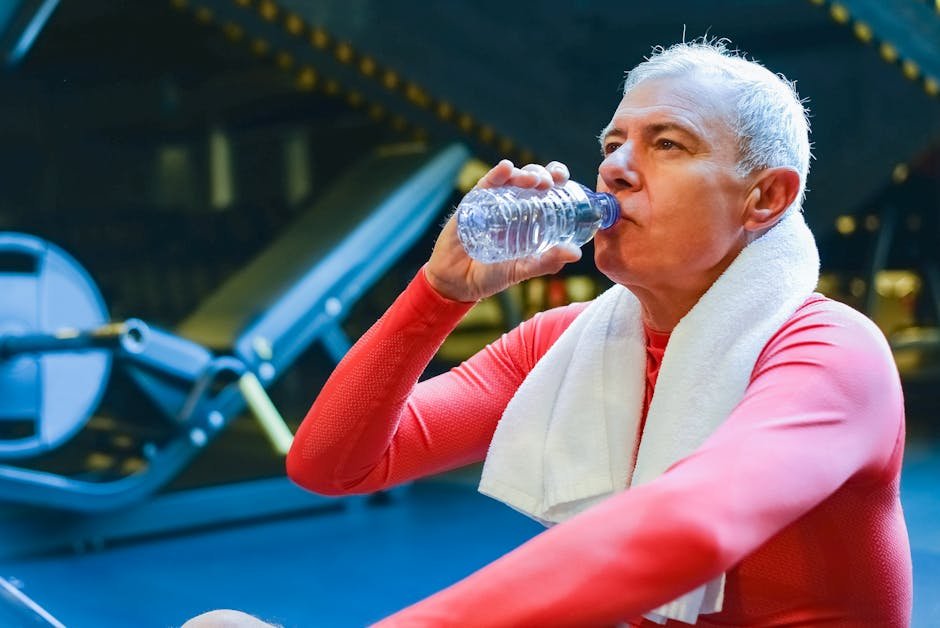
It’s easy to forget about fluids, especially after a gentle activity where you might not feel very sweaty. But dehydration can creep up quietly and leave you feeling fatigued, foggy, or even a little lightheaded — symptoms that are easy to mistake for something else. Sipping water regularly after exercise is one of the simplest and most powerful things you can do for your recovery and your energy levels.
Water is always the top choice. Aim to start with a cup of water straight after your activity, then continue to sip small amounts every 15 to 20 minutes for the next hour or so. If plain water feels a bit bland, a warm herbal tea, a glass of low-fat milk, or a fortified plant-based milk can be both hydrating and nourishing. On warmer days or if you’ve been perspiring more than usual, a simple homemade electrolyte drink can help: try water with a squeeze of lemon and a small pinch of salt, or dilute a little 100% fruit juice with water for a gentle energy boost.
If you have kidney disease or any condition that requires careful management of fluid intake, always follow the guidance of your healthcare team. For most healthy seniors, though, staying well-hydrated after activity is simply a matter of making it a regular habit.
Timing, Texture, and Making It Easy on Your Digestion
One of the most common questions people ask about post-exercise nutrition is: when should I eat? A good general guide is to have a light snack within 30 to 60 minutes of finishing your activity, then follow up with a more balanced meal about two to three hours later. If your appetite is low right after exercise, start with something very light and easy to digest — a small smoothie, a few crackers, or a cup of yogurt — and save a fuller meal for when hunger arrives.
As we age, digestion can become a little more sensitive, so it’s worth paying attention to texture and portion size. Warm or room-temperature foods are often gentler on the stomach than very cold items right after activity. If you have dental issues or gum sensitivity, lean towards softer choices like yogurt, smoothies, well-cooked oats, cottage cheese, or warm soups. Eating slowly and chewing thoroughly also makes a real difference — it supports digestion and helps you tune in to how full you actually feel.
If you tend to feel full quickly, there’s no need to force a large portion. Start with a smaller amount — half a cup of yogurt, a small piece of fruit, half a slice of toast — and add a little more if you feel comfortable after a few minutes. The goal is nourishment, not obligation.
What You Can Do: Practical Tips for Post-Exercise Eating After Gentle Activity
Here are some simple, actionable ideas you can start using today to support your recovery after gentle exercise:
- Keep easy snacks ready to grab. Stock your fridge with single-serving containers of Greek yogurt, pre-washed berries, and small pots of hummus with cut vegetables. The easier it is to reach for something nourishing, the more likely you’ll do it consistently.
- Try a simple post-exercise plate. After your activity, aim for a balanced plate: half filled with colourful vegetables, a quarter with lean protein (chicken, fish, eggs, or beans), and a quarter with whole grains like brown rice, quinoa, or whole-grain pasta.
- Prep in advance on good energy days. Cook a pot of soup, a batch of beans, or a pan of roasted sweet potato when you’re feeling well. Portion it out and refrigerate or freeze for quick, ready-to-heat meals on days when cooking feels like too much.
- Build a shelf-stable snack kit. Keep a small basket with nut butter packets, whole-grain crackers, and dried fruit for days when fresh produce isn’t available. It takes the guesswork out of reaching for something healthy.
- Choose low-sodium options where possible. If you have high blood pressure or fluid retention concerns, flavour your food with lemon juice, herbs, or a splash of vinegar instead of salt, and choose low-sodium versions of canned goods.
- Listen to your body, not the clock. If you’re not hungry immediately after exercise, that’s okay. Start with something light — a small smoothie, a piece of fruit, or a cup of herbal tea — and eat a fuller meal once your appetite returns.
- If dairy causes discomfort, swap it out. Lactose-free yogurt or milk, or fortified plant-based alternatives like oat milk or soya milk, work just as well and provide similar protein and calcium benefits.
- Drink before you feel thirsty. Thirst signals can become less sharp as we age. Make hydration a habit by keeping a glass of water nearby and sipping regularly throughout the day, not just after exercise.
Safety Considerations to Keep in Mind
Post-exercise nutrition for seniors is mostly about making nourishing, enjoyable choices — but there are a few important safety points worth keeping in mind. Avoid eating a very heavy, high-fat, or high-sodium meal straight after activity. Rich food can be tough on the digestion and may leave you feeling sluggish. A lighter snack first, followed by a balanced meal later, is a much kinder approach for most people.
Food safety is also something to be mindful of. Perishable items like yogurt, eggs, and dairy-based snacks should be kept refrigerated and consumed promptly. If you’re unsure whether something has been left out too long, it’s always better to be cautious and discard it rather than risk an upset stomach.
For those living with diabetes, kidney disease, or other chronic health conditions, it’s worth working with your healthcare provider or a registered dietitian to tailor your post-exercise eating plan to your specific needs. Portion sizes, timing, and food choices can all be adjusted to help keep your energy and health steady. What works brilliantly for one person may need tweaking for another, and personalised guidance makes all the difference.
The Bottom Line: What you eat after gentle exercise — whether it’s a morning walk, a chair yoga class, or a balance workout — genuinely supports how well your body recovers, how energised you feel, and how strong you stay over time. Aim for a small, satisfying mix of protein, carbohydrates, and fluid within an hour of finishing your activity, choose foods that are soft, easy to digest, and enjoyable, and follow up with a balanced meal when you’re ready. Keep portions gentle, stay hydrated, and listen to what your body is telling you. These are small, consistent habits — but for seniors committed to staying active and independent, they can make a truly meaningful difference to everyday vitality and wellbeing.
This is not medical advice. Consult your healthcare provider before starting any new health routine or using any product mentioned here.