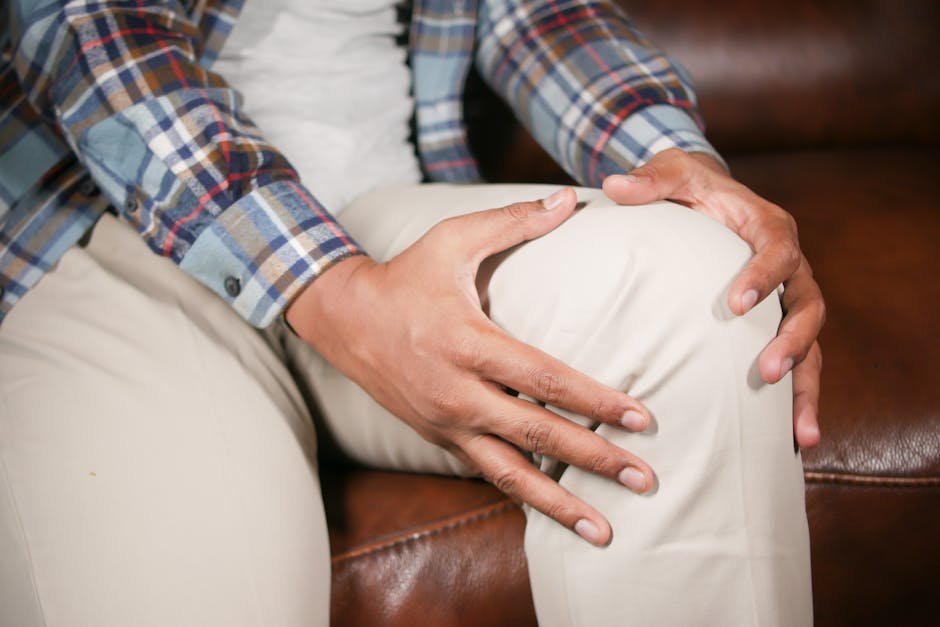
Heat vs. Cold for Joint Pain: A Senior’s Guide to Getting It Right
This post contains affiliate links. As an Amazon Associate, I earn from qualifying purchases at no extra cost to you.
Free resources — no credit card required for trial
🎧 Listen to health & wellness audiobooks free for 30 days
Start 30-Day Free Trial →
🛒 Recommended Products
As an Amazon Associate we earn from qualifying purchases at no extra cost to you.
TheraBand First Step to Active Health Kit — Senior Exercise Program for Balance and Fall P
$19.99
EZ Off Jar Opener for Seniors — Under Cabinet Jar Opener for Weak Hands and Arthritis
$9.99
Omron 5 Series Upper Arm Blood Pressure Monitor — 2-User 100-Reading Memory Wide-Range Cuf
$44.99
OMRON 7 Series Wireless Wrist Blood Pressure Monitor — Clinically Validated with Connect A
$69.99
Vitality 4 Life Senior Resistance Band with Instruction Guide — Specifically for Elderly F
$16.99
📚 Read unlimited health books free for 30 days
Try Kindle Unlimited Free →
If you wake up most mornings with stiff, achy joints — or find yourself wincing after a long walk or afternoon in the garden — you’re far from alone. Joint pain is one of the most common challenges that comes with aging, and it can make even simple daily activities feel like a chore. The good news? Two of the most effective tools for managing joint pain are probably already in your home: heat and cold. Knowing when to use heat vs. cold for joint pain is a small but powerful piece of knowledge that can genuinely change how you feel from day to day. This guide will walk you through everything you need to know, in plain, practical language — no medical degree required.
Why Temperature Therapy Works for Joint Pain
Joints are the places where your bones meet — your knees, hips, shoulders, ankles, wrists, and fingers. Over time, thanks to aging, arthritis, or old injuries, these joints can become stiff, swollen, or just plain painful. It’s frustrating, but temperature therapy — using warmth or coolness on the affected area — offers a gentle, non-invasive way to get some relief without always reaching for a pill bottle.
Here’s the basic idea: heat and cold work in opposite ways, and that’s exactly why you need both in your toolkit. Heat therapy increases blood flow to an area, which helps soft tissues loosen up, eases muscle tension, and coaxes a stiff joint back to life. Think of it as a warm, comforting wake-up call for your body. Cold therapy, on the other hand, slows blood flow, reduces swelling, numbs sharp pain, and calms down an irritated, inflamed joint. When you use the right one at the right moment, the results can be surprisingly effective.
A quick note on a few terms you’ll see throughout this post: inflammation means swelling and irritation in a joint — it often feels warm, tight, or tender to the touch. Stiffness is that difficulty moving a joint smoothly, especially after resting or first thing in the morning. And a flare-up is a temporary period when pain and swelling are worse than usual. Keeping these in mind will help you make the right call about which therapy to reach for.
When to Use Heat for Joint Pain
Heat is your go-to when your joints feel stiff, tight, or slow to get moving — but there’s no obvious swelling or redness. It’s particularly helpful first thing in the morning, when many people with arthritis or chronic joint issues feel like their body just needs a little coaxing before it’s ready to cooperate. A warm bath, a heating pad, or even a hot water bottle can make a real difference in those first slow hours of the day.
Heat is also a great way to prepare your body before gentle activity or exercise. If you’re planning a short walk, a stretch session, or some light gardening, spending 15 minutes warming up a stiff hip or knee beforehand can reduce your risk of discomfort during the activity itself. Some common situations where heat tends to shine: your knees feel stiff after a night’s sleep, your shoulders and neck are tense after sitting for a long time, or your hips and legs feel tight before a planned walk.
The most important safety rule with heat? Warm, not hot. You should feel a pleasant, soothing warmth — never burning or intense heat. Always place a towel or cloth between the heat source and your skin to protect yourself. Start with 15 minutes, and if you’re comfortable, you can repeat later in the day — but don’t exceed 45 to 60 minutes of heat total across the day. And please, never fall asleep with a heating pad or hot water bottle still in place. It’s an easy accident waiting to happen.
When to Use Cold for Joint Pain
Cold therapy is the one to reach for when a joint is swollen, red, warm to the touch, or throbbing with sharp pain — especially after a recent injury or a sudden flare-up. Cold slows blood flow to the area, which brings down swelling and inflammation, and the numbing effect can take the edge off pain quickly. If you’ve twisted your ankle and it’s already puffing up, or your knee has swollen after a long day on your feet, a cold pack is your best friend in that moment.
Think of cold therapy as your “calm down” tool. After overdoing an activity — spending too long weeding the garden, carrying heavy bags, or even just walking more than usual — if a joint becomes painful and swollen afterward, applying a cool pack can help settle the irritation and prevent the discomfort from getting worse. A proper gel cold pack works well, but a bag of frozen peas wrapped in a kitchen towel is a perfectly good substitute if that’s what you have handy.
Safety with cold therapy is just as important as with heat. Never apply ice or a cold pack directly to bare skin — always use a cloth or towel as a barrier. Limit sessions to 10 to 15 minutes at a time, and check your skin when you remove the pack. If the skin looks very pale, bluish, or feels numb, stop immediately and let the area warm back up naturally. Wait at least an hour before applying cold again. If you have poor circulation, diabetes, or a condition like Raynaud’s phenomenon (where your extremities are very sensitive to cold), check with your doctor before using cold therapy.
Practical Tips: How to Use Heat and Cold Safely at Home
You don’t need fancy equipment to make temperature therapy work for you. Here’s a straightforward guide to putting it into practice day to day:
- Morning stiffness? Start your day with a warm bath or shower, spending a few minutes letting the warmth soak into stiff joints. Follow up with some slow, gentle movements or a short walk to keep the momentum going.
- Before exercise or activity: Apply a warm pack or heating pad to stiff areas for 15 to 20 minutes before you head out. This helps prepare muscles and joints for movement and can reduce the chance of discomfort during activity.
- After overdoing it: If a joint is swollen or throbbing after activity, use a cloth-wrapped cold pack for 10 to 15 minutes. Elevate the limb if you can and give it a rest.
- Chronic pain without swelling: If a joint aches most days but isn’t swollen or inflamed, heat is generally your best option. Try 15 to 20 minutes of warmth before activity, then gentle movement afterward.
- Always use a barrier: Whether it’s heat or cold, place a towel or cloth between the therapy device and your skin. This one simple step prevents burns and frostbite.
- Set a timer: It’s easy to lose track of time. Set a timer on your phone or a kitchen timer to make sure you don’t overdo a session.
- Follow up with gentle movement: After either heat or cold, gently move the joint through its comfortable range of motion. This helps maintain flexibility and keeps things from stiffening up again.
- Keep a simple log: Jot down which therapy you used, for how long, and how you felt afterward. This can be genuinely useful when talking to your doctor or physical therapist about your joint health.
- Stay hydrated: Drink a glass of water after your session and give your body a moment to settle before jumping back into activity.
- Quick cheat sheet: Stiff and slow? Reach for heat (15–20 min, up to 3 times per day). Swollen and sharp? Reach for cold (10–15 min, up to 2–3 times per day with at least 1 hour between sessions).
Special Considerations for Seniors Using Temperature Therapy
While heat and cold therapy are generally safe and accessible, there are a few important things to keep in mind if you’re an older adult — particularly if you have other health conditions alongside your joint pain. As we age, our skin can become more sensitive and our ability to sense temperature changes can become less reliable. This means that burns or frostbite can happen more easily, even when you don’t feel like the temperature is dangerously extreme. This is why the barrier rule — always a cloth between the device and your skin — is non-negotiable.
If you have numbness, tingling, or reduced sensation in any part of your body — whether from diabetes, neuropathy, or any other cause — please talk to your doctor or a physical therapist before using heat or cold therapy on those areas. Without reliable sensation, you simply can’t tell when something is becoming dangerous. Similarly, if you have poor circulation, a history of skin ulcers, or Raynaud’s phenomenon, get personalised guidance before diving in.
It’s also worth knowing that some medications can affect how safe temperature therapy is for you. Certain blood thinners and pain relievers, for example, can influence your risk of bruising or skin damage. If you’re on regular medications, a quick check with your pharmacist or healthcare provider about using heat and cold is a smart move. And if you have limited hand strength or dexterity, look for heating pads with simple, large controls and automatic timers — or ask a family member or caregiver to help you set up sessions safely.
When to Skip Home Remedies and See a Professional
Heat and cold therapy are wonderful tools for everyday joint management, but they’re not a substitute for professional care when something more serious is going on. If you notice persistent swelling that doesn’t go down, a joint that is consistently red and warm to the touch, a fever alongside joint pain, or pain that has continued for two to three weeks despite consistent home care — it’s time to make an appointment with your doctor.
A physical therapist can be an especially valuable resource if joint pain is affecting your mobility or quality of life. They can create a safe, personalised plan that combines temperature therapy with specific gentle exercises tailored to your needs and limitations. If you have a known condition like osteoarthritis or rheumatoid arthritis, prior injuries, or a history of falls, getting professional input before starting any new treatment routine is always a wise step.
The goal of all of this, ultimately, is to help you move more freely, feel more comfortable, and stay as independent as possible. Temperature therapy is a simple, affordable, empowering tool — but it works best as part of a broader approach to looking after your joints that includes staying gently active, maintaining a healthy weight where possible, staying hydrated, and keeping up with regular healthcare check-ins.
The Bottom Line: Understanding when to use heat vs. cold for joint pain is one of the most practical things you can do for your daily comfort and mobility. Reach for warmth when joints are stiff and slow to move, especially in the mornings or before activity. Reach for cold when a joint is swollen, hot, or sharp with pain — particularly after a flare-up or a small injury. Always protect your skin with a barrier, keep sessions short, and listen to your body’s feedback. With these simple habits in your routine, you can take meaningful control of your joint health and keep doing the things you love.
This is not medical advice. Consult your healthcare provider before starting any new health routine or using any product mentioned here.