Strengthening Calves for Better Balance and Fall Prevention: A Senior’s Guide to Safer, More Confident Steps
This post contains affiliate links. As an Amazon Associate, I earn from qualifying purchases at no extra cost to you.
Free resources — no credit card required for trial
🎧 Listen to health & wellness audiobooks free for 30 days
Start 30-Day Free Trial →
🛒 Recommended Products
As an Amazon Associate we earn from qualifying purchases at no extra cost to you.
TheraBand First Step to Active Health Kit — Senior Exercise Program for Balance and Fall P
$19.99
EZ Off Jar Opener for Seniors — Under Cabinet Jar Opener for Weak Hands and Arthritis
$9.99
Omron 5 Series Upper Arm Blood Pressure Monitor — 2-User 100-Reading Memory Wide-Range Cuf
$44.99
OMRON 7 Series Wireless Wrist Blood Pressure Monitor — Clinically Validated with Connect A
$69.99
Vitality 4 Life Senior Resistance Band with Instruction Guide — Specifically for Elderly F
$16.99
📚 Read unlimited health books free for 30 days
Try Kindle Unlimited Free →
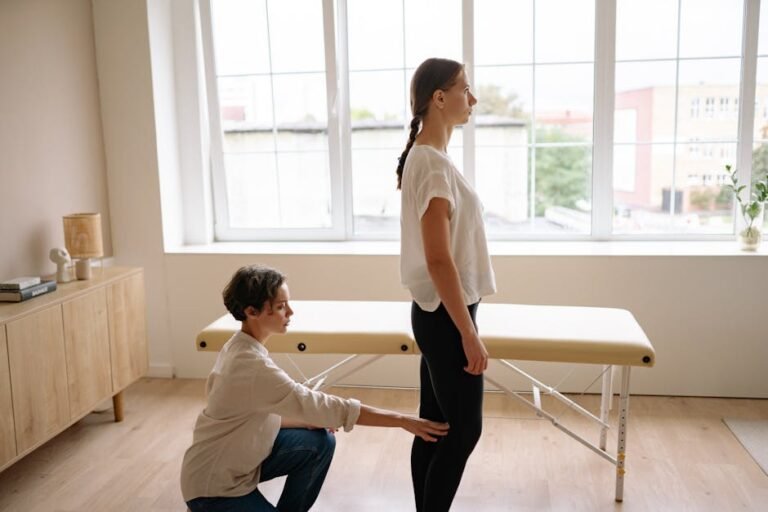
Falls are one of the biggest concerns for older adults — and one of the most preventable. Whether you’ve had a close call on the stairs or simply want to feel steadier on your feet, the solution might be closer to the ground than you think. Strengthening your calves is one of the most practical, accessible steps you can take to improve your balance and dramatically reduce your risk of falling. Strong calf muscles help you push off with confidence when you walk, catch yourself when you stumble, and recover gracefully from a wobble before it becomes a tumble. The best part? You don’t need a gym, expensive equipment, or a personal trainer to get started. This guide walks you through everything you need to know — in plain language, at your own pace.
Why Your Calves Play Such a Crucial Role in Balance
When most people think about balance, they picture their core muscles or their inner ear. But the unsung heroes of everyday stability are actually much further down — your calves. The calf area is made up of two key muscles: the gastrocnemius, the larger, two-headed muscle you can see at the back of your lower leg, and the soleus, a broader, flatter muscle sitting underneath it. Both of these attach to your heel via the Achilles tendon. When they contract, they allow you to rise up on your toes and push your foot downward — a movement that happens hundreds of times every day without you even realising it.
Your ankle acts as a kind of “security anchor” when you’re standing or moving. Even tiny shifts in your body weight — like leaning slightly to one side or stepping onto an uneven surface — are constantly being corrected by your ankle and the muscles controlling it. This is what movement specialists call the “ankle strategy.” Strong calves give you a faster, more reliable response when your body needs to self-correct. When calf muscles are weak, your body tends to compensate by relying more heavily on your hips and torso to manage balance, which can actually be less efficient and less stable.
The practical impact of this is real and meaningful. Stronger calves help you navigate stairs and curbs more safely, step off a bus without gripping for dear life, and even rise from a chair with more ease and control. Building calf strength isn’t just an exercise goal — it’s an investment in your independence.
Safe and Effective Calf-Strengthening Exercises You Can Do at Home
You don’t need a gym membership or any complicated equipment to strengthen your calves. A sturdy chair, a low step, and optionally a resistance band are all you need. The key is to move slowly, stay near a wall or chair for support, and wear non-slip shoes throughout. Start with whatever feels manageable and build gradually from there.
Standing Calf Raises are a wonderful starting point. Stand behind a sturdy chair, feet hip-width apart, and hold the back of the chair lightly for support. Keep your knees soft — not locked — and your core gently engaged. Slowly rise up onto the balls of your feet as high as is comfortable, pause for one or two seconds, and then lower your heels back down with control. Aim for 8 to 12 repetitions, rest for about 60 seconds, and repeat for 2 to 3 sets. If standing feels too challenging at first, seated calf raises are a brilliant alternative. Simply sit tall in a sturdy chair with your feet flat on the floor, press the balls of your feet down, and lift your heels by squeezing your calf muscles. Hold briefly, then lower slowly. This version is just as effective and much gentler if your balance feels uncertain.
Step Calf Raises take things a little further when you feel ready. Standing at the bottom of a staircase and holding a railing for support, place the balls of your feet on the edge of the step with your heels hanging slightly off. Slowly lower your heels toward the floor until you feel a gentle stretch, then press back up. This fuller range of motion gives your calves an excellent workout — but only do this one if you have a safe, stable step and feel confident with the other variations first. Finally, resistance band calf exercises — where you loop a light band around the ball of your foot and press downward against the resistance — are a great way to add a little extra challenge without any impact on your joints.
Strengthening Calves Safely: Progression and Smart Guidelines
One of the most important things to keep in mind as you begin any new exercise routine is that slow and steady genuinely wins the race. Start with just one or two sets of 8 to 12 repetitions, two days per week. Give your muscles a day of rest between sessions, especially in the early weeks. Mild muscle soreness — the kind that feels like you’ve done some work — is completely normal and actually a good sign. Sharp pain, swelling, or a feeling of joint instability are different things entirely, and those are signals to stop and check in with your doctor or physiotherapist.
As you grow stronger over several weeks, you can gradually increase your repetitions, add an extra set, or introduce a firmer resistance band or light ankle weights. The progression should feel manageable, not overwhelming. There’s no rush. What matters most is consistency over time, not intensity in a single session. Think of it as adding small deposits to a savings account — each workout builds on the last, and the cumulative benefit is significant.
If you have any existing health conditions — diabetes with neuropathy, poor circulation, a recent ankle or foot injury, or significant swelling in your legs — please have a conversation with your healthcare provider before beginning. They can help you tailor these exercises to suit your specific situation and make sure you’re working within safe limits.
What You Can Do: Practical Tips for Getting Started and Staying Consistent
Starting a new habit is often the hardest part. The good news is that calf exercises are short, simple, and easy to fit into your existing day. Here are some practical strategies to help you make this a lasting routine:
- Tie your exercises to an existing habit. Do your calf raises while the kettle boils, during the commercial break of your favourite show, or right after brushing your teeth in the morning. Linking a new habit to something you already do consistently is one of the most effective ways to make it stick.
- Warm up first. Spend a few minutes marching gently in place or doing slow ankle circles before you begin. This gets blood flowing to the muscles and reduces the risk of discomfort or injury.
- Keep a simple log. Even a small notebook or a few ticks on a calendar can be surprisingly motivating. Seeing your progress — even something as modest as “did 2 sets today” — builds momentum and keeps you going.
- Start with a two-week mini challenge. Commit to doing just one set of calf raises every day for two weeks. Once the habit is established, building on it feels much easier.
- Make it enjoyable. Exercise with a friend, put on a song you love, or invite a family member to join you. The more pleasant you make the experience, the more likely you are to keep it up.
- Wear the right footwear. Always wear supportive, non-slip shoes during your exercises, and check that your laces are tied securely. Practise on a dry, flat surface and keep the area clear of clutter or rugs that could trip you up.
- Modify when needed. If balance is limited, use both hands on a stable surface and keep movements small. If you have knee or hip problems, stick with seated variations. Always choose the version that feels safe and comfortable for your body on that particular day.
Adapting These Exercises for Different Needs and Abilities
No two bodies are exactly alike, and the beauty of calf-strengthening exercises is that they can be adapted to suit a wide range of abilities and health situations. If your balance feels quite shaky right now, that’s completely okay — begin with seated calf raises while sitting in a high-backed chair, keeping both feet firmly on the floor at all times. You can still get meaningful muscle activation without any risk of losing your footing. As your strength and confidence grow, you can gradually introduce the standing variation with two hands on a support surface, then eventually try it with just one hand, or even fingertips only.
If you have knee or hip problems, the seated version is your best friend. It eliminates most of the load on those joints while still working the calf muscles effectively. For those dealing with varicose veins or leg swelling (oedema), it’s worth speaking with your doctor before increasing the frequency or intensity of any leg exercise — they may recommend keeping sessions shorter, avoiding standing exercises initially, or elevating your legs after activity to support circulation.
People with diabetes, particularly those who have some loss of sensation in their feet due to neuropathy, should take extra care with footwear and surface awareness, and ideally work through these exercises with guidance from a physiotherapist or a fitness professional who has experience working with older adults. The exercises themselves are gentle and well-suited to many health situations — the key is making sure they’re tailored appropriately to yours.
The Bigger Picture: Calf Strength as Part of Your Fall Prevention Routine
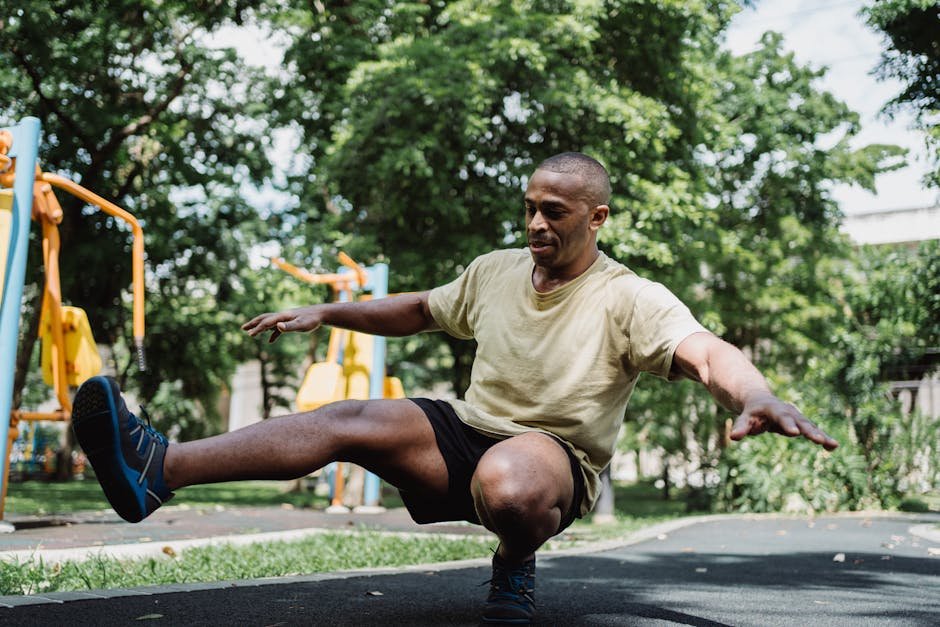
Strengthening your calves is a powerful piece of the fall prevention puzzle, but it works best when it’s part of a broader approach to staying active and mobile. Alongside calf exercises, activities like gentle walking, tai chi, yoga, and balance-focused exercises (such as standing on one foot near a wall) all contribute to keeping you stable and confident on your feet. Many community centres, GP surgeries, and physiotherapy practices offer group balance and strength classes specifically designed for older adults — these can be a wonderful way to get expert guidance while enjoying the social benefits of exercising with others.
It’s also worth thinking about your home environment. Small adjustments — removing trip hazards like loose rugs, improving lighting in hallways and stairwells, installing grab bars in the bathroom, and wearing supportive footwear rather than loose slippers around the house — can make a meaningful difference to your safety day to day. Stronger calves give your body the tools to respond when the unexpected happens, and a safer environment reduces how often those unexpected moments arise in the first place.
The most encouraging thing to hold onto is this: improvement is genuinely possible at any age. Muscle strength responds to exercise throughout life, and even modest gains in calf strength can translate into real, noticeable differences in how you move, how steady you feel, and how confidently you go about your day. Every calf raise you do is a small but meaningful step toward a safer, more independent future.
The Bottom Line: Strengthening your calves is one of the most practical and accessible things you can do to improve your balance and reduce your risk of falling. By understanding how these muscles support your everyday movement, starting with safe and simple exercises at home, and building consistency over time, you can make real progress toward steadier, more confident steps. Whether you begin with seated raises in your favourite chair or step calf raises on the staircase, the important thing is that you start — and that you keep going. Your mobility matters, and small, thoughtful efforts today can protect your independence for many years to come.
This is not medical advice. Consult your healthcare provider before starting any new health routine or using any product mentioned here.