Senior Heart Myths Debunked: What Older Adults Really Need to Know About Heart Health
This post contains affiliate links. As an Amazon Associate, I earn from qualifying purchases at no extra cost to you.
Free resources — no credit card required for trial
🎧 Listen to health & wellness audiobooks free for 30 days
Start 30-Day Free Trial →
🛒 Recommended Products
As an Amazon Associate we earn from qualifying purchases at no extra cost to you.
TheraBand First Step to Active Health Kit — Senior Exercise Program for Balance and Fall P
$19.99
EZ Off Jar Opener for Seniors — Under Cabinet Jar Opener for Weak Hands and Arthritis
$9.99
Omron 5 Series Upper Arm Blood Pressure Monitor — 2-User 100-Reading Memory Wide-Range Cuf
$44.99
OMRON 7 Series Wireless Wrist Blood Pressure Monitor — Clinically Validated with Connect A
$69.99
Vitality 4 Life Senior Resistance Band with Instruction Guide — Specifically for Elderly F
$16.99
📚 Read unlimited health books free for 30 days
Try Kindle Unlimited Free →
When it comes to heart health for seniors, there’s no shortage of outdated ideas floating around — some passed down through generations, others simply misunderstood. These myths can be genuinely harmful, either causing unnecessary fear or, worse, leading people to dismiss real warning signs. The good news? The truth about senior heart health is far more encouraging than you might think. With the right information and a few steady, doable habits, most older adults can take meaningful steps to protect and even improve their heart health — starting today. Let’s bust some of the most common senior heart myths and replace them with facts you can actually use.
Myth #1: Heart Disease Is a Man’s Problem — Senior Heart Health Affects Everyone
This is perhaps one of the most persistent — and dangerous — myths about heart disease. Many women grow up believing that heart problems are something men worry about, and that as a woman, they’re largely in the clear. Unfortunately, that couldn’t be further from the truth. Heart disease is the leading cause of death for both men and women, and the risk rises significantly with age regardless of gender.
What makes this myth particularly tricky is that heart disease symptoms can look quite different in women and older adults. Rather than the dramatic, Hollywood-style chest clutch, symptoms may include unusual fatigue, shortness of breath, nausea, or discomfort in the back, jaw, or arm. These subtler signs are easier to brush off — which is exactly why awareness matters so much. If something feels “off,” it’s always worth checking out, no matter who you are.
The takeaway here is simple: treat your heart health as a priority, just as you would your blood pressure or cholesterol levels. Ask your doctor about your personal risk profile, and don’t assume that because you’re female, or because heart disease “doesn’t run in your family,” you’re automatically protected. Everyone deserves a personalised heart health conversation with their healthcare provider.
Myth #2: High Blood Pressure and High Cholesterol Are Just Part of Getting Older
It’s easy to see why this myth sticks around. As we age, blood pressure and cholesterol levels do tend to creep upward, and it can feel like an inevitable part of the process. But here’s the important distinction: while aging increases your risk, high blood pressure and high cholesterol are not conditions you simply have to accept. They are manageable — often significantly so — through lifestyle changes and, when needed, medication.
Think of it this way: just because something is common doesn’t mean it’s harmless or unchangeable. Leaving high blood pressure or elevated cholesterol unchecked puts real strain on your heart and arteries over time, increasing the risk of heart attack and stroke. On the flip side, bringing those numbers into a healthier range — even gradually — can improve your daily energy levels, protect your arteries, and give your heart a much easier job to do.
The good news is that small changes genuinely add up. Eating a little less sodium, moving your body more regularly, maintaining a healthy weight, and reducing stress can all have a meaningful impact on your numbers. And if lifestyle changes alone aren’t enough, your doctor can discuss medication options that suit your situation. The key message: don’t give up before you’ve even tried. You have more influence over these numbers than you might think.
Myth #3: You’ll Always Know When Something Is Wrong With Your Heart
Many people assume that if their heart were in trouble, they’d know it immediately — a sudden, unmistakable pain that sends them straight to the hospital. In reality, heart problems can be far quieter than that, especially in older adults. Symptoms like lightheadedness, unusual tiredness, trouble sleeping, mild nausea, or a vague sense that something “isn’t quite right” can all be signs worth paying attention to.
In some cases, heart events cause very few symptoms at all, or symptoms that come and go, making them easy to dismiss as just “getting older.” That’s why it’s so important to know your own body well — your typical energy levels, how you usually breathe during light activity, what your normal looks like. When something shifts from that baseline, even subtly, it’s worth mentioning to your doctor rather than waiting to see if it passes.
Sudden chest discomfort, new shortness of breath, fainting, or a persistent feeling of pressure are signs to act on immediately by calling emergency services. But beyond those dramatic signals, learning to notice the quieter changes in how you feel day to day is one of the most powerful things you can do for your heart. Keep a simple diary if it helps — jot down anything unusual and bring it to your next appointment. It’s a small habit that could make a big difference.
Myth #4: Exercise Is Too Risky for an Aging Heart
This is one myth that holds a lot of seniors back from one of the best things they could do for themselves. The fear makes sense on the surface — if your heart is already under pressure, why add more? But the science tells a different story. Gentle, regular physical activity actually strengthens your heart muscle, improves circulation, helps manage blood pressure and cholesterol, and boosts your mood and energy levels. Being sedentary, on the other hand, is genuinely hard on the cardiovascular system.
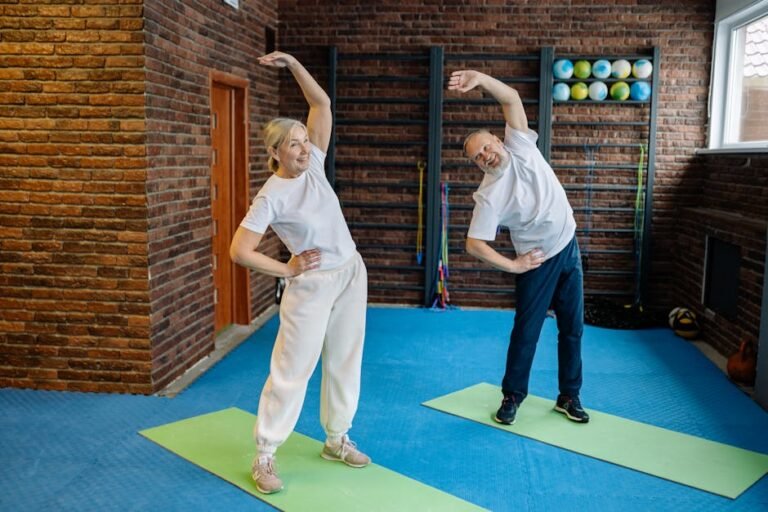
The important word here is “gentle.” Nobody’s suggesting you train for a marathon. With your doctor’s guidance and a sensible, gradual approach, most seniors can safely increase their activity levels and feel genuinely better for it. The goal isn’t intensity — it’s consistency. Even 10 to 15 minutes of movement a day is a meaningful start, with a longer-term aim of building up to around 150 minutes of moderate activity per week as you feel comfortable and able.
There are so many enjoyable, low-impact options to explore: a short walk around the neighbourhood, chair-based exercises, swimming, water aerobics, tai chi, or gentle cycling. The best exercise is the one you’ll actually do. Always warm up and cool down, listen to your body, and pause if you feel dizzy, experience chest pain, or become very short of breath. Talk to your doctor about any concerns before starting something new — they’re there to help you find what works safely for you.
Myth #5: If You Already Have Heart Disease, There’s Nothing You Can Do
Perhaps the most discouraging myth of all is the belief that a heart disease diagnosis is the end of the road — that once your arteries are damaged or your heart is weakened, you’re simply stuck with it. This simply isn’t true, and accepting it can prevent people from taking steps that could genuinely improve and extend their lives.
The reality is that even after a heart disease diagnosis, you have real power to slow its progression, ease symptoms, and reduce the risk of future events. A combination of lifestyle choices, appropriate medications, and regular check-ins with your healthcare team can make a substantial difference. People live well and actively for many years after a heart disease diagnosis — not despite taking action, but because of it.
Focus on what you can change: blood pressure, cholesterol, physical activity, diet, weight, smoking, and alcohol consumption. Work with your care team to build a practical, realistic plan that fits into your daily life. And celebrate every small win along the way — every healthy meal, every short walk, every medication taken on time. These aren’t minor things. They add up to real, meaningful protection for your heart.
What You Can Do: Practical Senior Heart Health Tips to Start Today
Now that we’ve cleared up the myths, here’s a practical, encouraging list of steps you can begin right now. None of these require a gym membership, a perfect diet, or medical expertise — just a willingness to take small, consistent actions that your heart will thank you for.
- Move a little every day. Choose activities you enjoy and can do safely — short walks, gentle stretching, chair exercises, or water aerobics. Gradually increase your time and pace as you feel comfortable. Even 10–15 minutes is a great start.
- Eat with your heart in mind. Fill half your plate with vegetables and fruit, choose whole grains and lean proteins like fish, beans, or poultry, and opt for healthy fats like olive oil and nuts. Limit processed foods, added sugars, and high-sodium items.
- Keep a consistent daily routine. Regular meal times, steady sleep hours, and a calm evening wind-down routine all support heart health and general wellbeing more than most people realise.
- Track your numbers. Have your blood pressure, cholesterol, and blood sugar checked as recommended by your doctor. Keep a simple notebook of your readings and bring it to every appointment.
- Prioritise sleep and manage stress. Aim for quality, restorative sleep and practise relaxation techniques that work for you — deep breathing, gentle stretching, short walks in nature, or whatever helps you unwind.
- Take your medications faithfully. Use a pillbox or reminder app if it helps. Report any side effects to your doctor or pharmacist, and never stop a medication without talking to your healthcare provider first.
- Quit smoking and moderate alcohol. If you smoke, ask your doctor about support options — quitting at any age benefits your heart. If you drink alcohol, keep it modest and discuss your habits with your care team.
- Build a simple emergency plan. Know the warning signs of a heart problem, keep emergency numbers easily accessible, and let a trusted family member or caregiver know what to do if you’re unwell.
- Stay connected with your health team. Regular check-ups, honest conversations about how you’re feeling, and a shared care plan make a real difference to long-term heart health outcomes.
- Celebrate your progress. Every healthy choice counts. Acknowledge the small wins — they’re not small at all when it comes to your heart.
Heart Medications: They’re Not the Enemy
One more myth worth addressing on its own: the idea that heart medications will inevitably make you feel worse or disrupt your daily life. This fear stops many people from taking medications that could genuinely protect them, or leads them to quietly stop taking a prescription without telling their doctor. Both can be dangerous decisions.
The reality is that many people tolerate heart medications very well, and for most, the benefits far outweigh any side effects. Side effects do exist, but they’re not universal — and if you do experience them, there are often alternative medications or dosage adjustments that can help. The most important thing is to keep the lines of communication open with your doctor and pharmacist. They want to find the right solution for you, but they can only help if they know what’s going on.
Store your medications safely, take them as prescribed, and use a weekly pill organiser if remembering doses is a challenge. If cost is a barrier, speak with your pharmacist or doctor — there are often generic options or assistance programmes available. Your medications are part of your heart health toolkit, not something to fear or work around.
The Bottom Line: Senior heart health is surrounded by myths that can cause unnecessary worry or, just as dangerously, lead people to ignore real warning signs. The truth is far more empowering: heart disease is not inevitable, its progression can be slowed, symptoms aren’t always dramatic, and exercise — done gently and consistently — is your heart’s friend, not its enemy. By understanding the facts, knowing what to watch for, and taking small, steady actions each day, you have genuine power to protect your heart and feel stronger, more energetic, and more confident in your everyday life. You are not powerless here. Talk to your doctor, build a simple plan, and take pride in every healthy step you take — your heart is absolutely worth it.
This is not medical advice. Consult your healthcare provider before starting any new health routine or using any product mentioned here.