How Caregivers Can Help Manage Diabetes: A Practical Guide for Everyday Care
This post contains affiliate links. As an Amazon Associate, I earn from qualifying purchases at no extra cost to you.
Free resources — no credit card required for trial
🎧 Listen to health & wellness audiobooks free for 30 days
Start 30-Day Free Trial →
🛒 Recommended Products
As an Amazon Associate we earn from qualifying purchases at no extra cost to you.
TheraBand First Step to Active Health Kit — Senior Exercise Program for Balance and Fall P
$19.99
EZ Off Jar Opener for Seniors — Under Cabinet Jar Opener for Weak Hands and Arthritis
$9.99
Omron 5 Series Upper Arm Blood Pressure Monitor — 2-User 100-Reading Memory Wide-Range Cuf
$44.99
OMRON 7 Series Wireless Wrist Blood Pressure Monitor — Clinically Validated with Connect A
$69.99
Vitality 4 Life Senior Resistance Band with Instruction Guide — Specifically for Elderly F
$16.99
📚 Read unlimited health books free for 30 days
Try Kindle Unlimited Free →
When someone you love is living with diabetes, it can feel like you’ve both stepped into a whole new world — one full of blood sugar charts, medication schedules, and carefully planned meals. But here’s the reassuring truth: caregivers can help manage diabetes more effectively than many people realise, and you don’t need a medical degree to do it well. With the right knowledge, a few steady routines, and a whole lot of compassion, you can make an enormous difference in your loved one’s health, safety, and quality of life — one day at a time.
Why Caregiver Involvement in Diabetes Management Truly Matters
Diabetes isn’t just a condition that affects one person — it affects the whole household. From the food that gets cooked to the daily routines that keep life ticking along, almost every aspect of home life touches diabetes management in some way. That’s why a caring, attentive caregiver is one of the most powerful tools in a diabetic person’s corner.
Research and clinical experience consistently show that regular monitoring, timely medications, balanced meals, gentle physical activity, and emotional support can prevent serious complications, reduce emergency hospital visits, and help someone with diabetes maintain their independence for longer. These aren’t small things — they’re life-changing. And the good news is, you don’t have to do everything perfectly or all at once. Small, consistent routines built with patience and mutual respect truly move the needle.
One golden rule to carry with you always: involve the person with diabetes in every decision. Respecting their preferences, listening to their concerns, and adapting tasks to their abilities isn’t just kind — it’s essential for sustainable, dignified care. Your role is to be a partner, not a manager.
Monitoring Blood Sugar: What to Check and When
Keeping an eye on blood sugar levels is one of the most important ways caregivers can help manage diabetes day to day. Regular blood glucose checks reveal how meals, activity, and medications are working together — and they give you and the healthcare team the information needed to make smart adjustments.
A practical starting point is agreeing on a testing schedule together. Common check-in times include first thing in the morning before eating (fasting), before main meals, one to two hours after meals, and at bedtime. Your loved one’s doctor or diabetes nurse may suggest specific target ranges, so always follow their guidance. Keeping a written log or using a smartphone app to record each reading — along with the time, what was eaten, and any symptoms — makes it much easier to spot patterns over time. A single high or low reading might not mean much, but several in a row is important information worth discussing with the healthcare team.
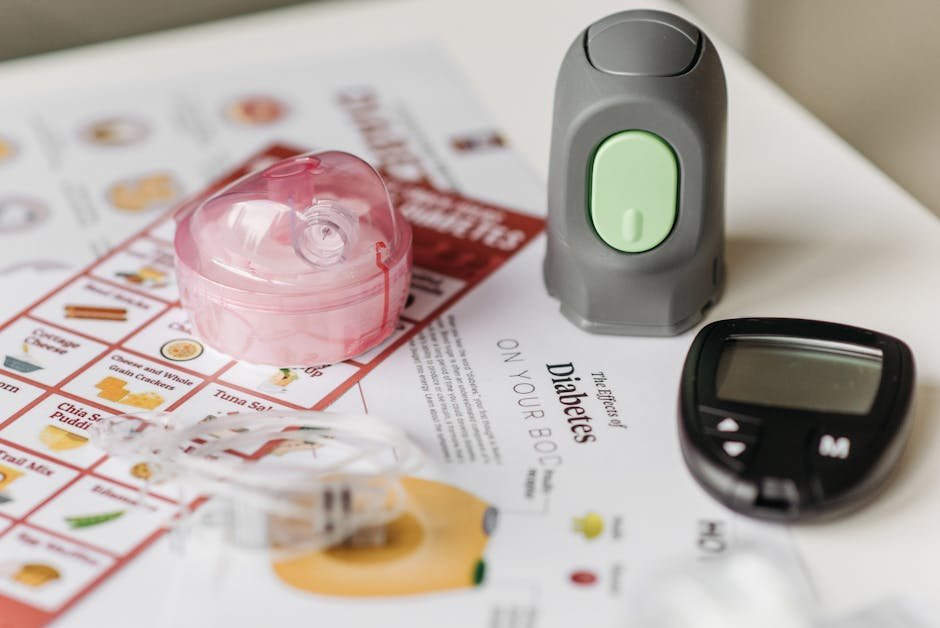
Learning the basics of finger-prick testing is simpler than it sounds. Wash hands before testing, use a fresh lancet each time, and rotate fingers to avoid soreness. Keep all supplies — the meter, test strips, lancets, alcohol wipes, and spare batteries — in one accessible, organised spot. If readings fall outside the expected range, knowing how to respond calmly is crucial. For low blood sugar (hypoglycemia), offer 15 grams of fast-acting carbohydrate, such as half a cup of fruit juice or four glucose tablets, then recheck after 15 minutes. For persistently high readings or any signs of confusion or unresponsiveness, don’t hesitate — call for medical help immediately.
Medication Management: Keeping It Safe and Consistent
Medications are the backbone of diabetes care, and taking them correctly and consistently is non-negotiable. As a caregiver, your role is to help make that as straightforward and stress-free as possible — for both of you.
Start by getting familiar with every medication your loved one takes: the name, dose, timing, and whether it needs to be taken with food or on an empty stomach. Some insulins must be refrigerated until opened; others can sit at room temperature for a limited period. Always check labels and expiry dates, and never mix or dilute medications unless a clinician has specifically instructed you to. A current, up-to-date medication list — including the name of each drug, its dose, its purpose, who prescribed it, and any known allergies — is an invaluable document to keep on hand and bring to every medical appointment.
Creating a daily checklist for medications, using a pill organiser, or setting reminder alarms on a phone or clock can help prevent missed doses without turning every day into a stressful exercise. If an injection is part of the routine, make sure to rotate the injection site (abdomen, thigh, upper arm, or buttock) to protect the skin. If you’re new to giving injections, ask a nurse or clinician to demonstrate the technique and supervise you a few times until you feel confident. There’s no shame in asking for that support — it’s exactly what healthcare teams are there for.
Meal Planning and Physical Activity: The Dynamic Duo of Blood Sugar Control
What someone eats — and how much they move — has a profound impact on blood sugar levels. As a caregiver, you’re in a powerful position to make healthy choices easier and more enjoyable, rather than feeling like a chore or a restriction.
When it comes to meals, the “plate method” is a wonderfully simple visual guide: fill half the plate with non-starchy vegetables, a quarter with lean protein, and a quarter with whole grains or starchy vegetables. Add a small serving of fruit or dairy if permitted. The key with carbohydrates is consistency — choosing steady, wholesome sources like whole grains, legumes, fruits, and vegetables, and keeping portion sizes similar from meal to meal to avoid big blood sugar swings. For older adults specifically, it’s worth thinking about softer, easier-to-chew options when needed, staying mindful of hydration, and being aware of any swallowing difficulties.
Physical activity deserves just as much attention, because moving the body helps it use insulin more effectively, supports a healthy weight, and lifts mood. The important thing is to start gently and build gradually. Even ten minutes of walking a few times a week is a meaningful beginning. Chair exercises, gentle tai chi, or water-based activities are all excellent options for older adults. Always check feet daily for cuts or sores before and after activity, keep water nearby, and have a small carbohydrate snack on hand in case blood sugar dips during exercise.
What You Can Do: Practical Tips for Caregivers Managing Diabetes Day to Day
Sometimes what helps most is simply having a clear, practical checklist to come back to. Here are some of the most effective, everyday strategies for caregivers supporting someone with diabetes:
- Set up a consistent testing routine — choose times that work naturally around daily life, such as before breakfast and after the evening meal, and keep the log updated.
- Use a pill organiser and visual reminders — a weekly pill box kept in a visible spot (like next to the kettle or on the breakfast table) takes the guesswork out of medication management.
- Prep meals in advance — write a simple weekly menu, shop with a list, and batch-cook basics like grains and proteins to make balanced meals quicker to put together.
- Keep a quick-carb snack accessible at all times — glucose tablets, a small juice box, or a few jelly sweets should always be within reach at home and when going out.
- Encourage the use of a medical ID bracelet — this small step can be genuinely life-saving in an emergency when the person can’t communicate for themselves.
- Build activity into the daily rhythm — pair a short walk with a favourite part of the day, like a morning coffee or an afternoon TV programme, so it becomes a comfortable habit.
- Bring a summary to every healthcare appointment — a short written note of recent blood sugar readings and any patterns you’ve noticed helps the doctor make better decisions faster.
- Watch for mood changes — stress, anxiety, and depression are common in people with chronic conditions and can make self-care much harder. If you notice persistent low mood or withdrawal, mention it to the healthcare team.
- Build a wider support network — involve other family members, look into local diabetes education classes or support groups, and remember that asking for help is a sign of strength, not weakness.
- Use plain, kind communication — speak clearly, slow down if needed, and occasionally ask your loved one to repeat back key steps to make sure they’ve landed.
Recognising Warning Signs and Supporting Emotional Wellbeing
Knowing how to spot a problem before it becomes a crisis is one of the most valuable things a caregiver can do. Low blood sugar (hypoglycemia) can come on quickly and may show up as shakiness, sweating, confusion, dizziness, or a racing heartbeat. The response is simple but needs to be fast: offer 15 grams of a fast-acting carbohydrate, wait 15 minutes, recheck, and repeat if needed. If the person can’t swallow safely or becomes unresponsive, call emergency services without delay.
High blood sugar (hyperglycemia) tends to build more slowly and may cause frequent urination, increased thirst, fatigue, or blurry vision. If readings stay elevated or the person feels unwell, contact their doctor. During times of illness or stress — both of which can raise blood sugar — keep fluids up, encourage rest, check blood sugar more frequently, and don’t hesitate to call the healthcare team if you’re unsure what to do. Having a written emergency plan you’ve both agreed on in advance makes these moments far less frightening.
Finally, never underestimate the emotional side of diabetes care. Living with a chronic condition can be exhausting and demoralising, and the caregiver’s role in providing warmth, patience, and encouragement is every bit as important as the practical tasks. Allow your loved one as much independence as possible, celebrate the small wins, and make space for honest conversations about how they’re feeling. And please — look after yourself too. Caregiver burnout is real, and taking time to recharge isn’t selfish; it’s what makes sustainable, loving care possible over the long term.
The Bottom Line: Caregivers who help manage diabetes play a truly vital role in keeping their loved one healthier, safer, and more independent. From monitoring blood sugar and managing medications to planning nourishing meals, encouraging gentle movement, and providing emotional support, every small daily action adds up to something significant. You don’t need to be perfect — you just need to show up with consistency, compassion, and a willingness to learn. With the right routines in place and good communication with the healthcare team, you can help your loved one live well with diabetes while preserving dignity, confidence, and joy in everyday life. If you’re ever unsure about anything, reach out to their doctor, pharmacist, or a diabetes educator — you are not in this alone, and the help is there for you.
This is not medical advice. Consult your healthcare provider before starting any new health routine or using any product mentioned here.