Balance Mistakes That Increase Fall Risk — and What You Can Do About Them Today
This post contains affiliate links. As an Amazon Associate, I earn from qualifying purchases at no extra cost to you.
Free resources — no credit card required for trial
🎧 Listen to health & wellness audiobooks free for 30 days
Start 30-Day Free Trial →
🛒 Recommended Products
As an Amazon Associate we earn from qualifying purchases at no extra cost to you.
TheraBand First Step to Active Health Kit — Senior Exercise Program for Balance and Fall P
$19.99
EZ Off Jar Opener for Seniors — Under Cabinet Jar Opener for Weak Hands and Arthritis
$9.99
Omron 5 Series Upper Arm Blood Pressure Monitor — 2-User 100-Reading Memory Wide-Range Cuf
$44.99
OMRON 7 Series Wireless Wrist Blood Pressure Monitor — Clinically Validated with Connect A
$69.99
Vitality 4 Life Senior Resistance Band with Instruction Guide — Specifically for Elderly F
$16.99
📚 Read unlimited health books free for 30 days
Try Kindle Unlimited Free →
Balance is one of those things we rarely think about — until something goes wrong. It quietly works in the background every time you rise from a chair, walk down the hallway, or reach for something on a shelf. But here’s the truth: even small, everyday habits can chip away at your balance over time and quietly raise your fall risk. The good news? Most of these mistakes are completely fixable. This guide walks you through the most common balance mistakes that increase fall risk, explains why they matter, and gives you simple, practical steps you can start using today — no gym membership or fancy equipment required.
Why Balance Matters More Than Most People Realise
Falls are one of the leading causes of injury among older adults, but they are rarely random accidents. Most falls happen because of a combination of small factors that build up quietly — worn-out shoes, a cluttered hallway, weakened leg muscles, or simply moving too fast. The reassuring part is that once you can see these factors clearly, you have real power to address them.
Good balance protects your independence. It lets you move through your home with confidence, stay active in the activities you love, and feel secure in your own body. The goal here isn’t perfection — it’s progress. Small, steady improvements add up to a meaningful difference in your daily safety and quality of life. Let’s look at what might be holding your balance back right now.
Common Balance Mistakes That Increase Fall Risk in Daily Movement
One of the biggest culprits behind falls is something almost everyone does: rushing. When you hurry through a movement — getting up from a chair, turning a corner, walking while talking on the phone — you divide your attention and make it harder for your body to respond to unexpected changes. Multitasking while moving is particularly risky because your brain can only fully focus on one complex task at a time.
Another surprisingly common mistake is always relying on walls, furniture, or railings to stay steady. While using supports is absolutely appropriate in certain situations, leaning on them for every single movement can actually work against you over time. Your balance muscles — particularly in your legs, hips, and ankles — need regular practice to stay strong and responsive. If they never get a chance to work independently, they gradually lose the ability to catch you when you really need them.
Poor posture and looking down while walking are also habits that quietly increase your fall risk. When you drop your head to stare at the floor, it throws off your centre of gravity and makes it harder for your brain to process where you are in space. Looking ahead — even just a few steps in front of you — gives your body better information and helps you spot hazards before you reach them.
Your Home Environment and Fall Risk
Your living space plays a huge role in your daily fall risk, and a few small changes can make your home dramatically safer. Clutter is one of the most overlooked hazards — a stray shoe, a loose rug edge, or a power cord running across a doorway can catch a foot in an instant. You don’t need to rearrange your entire home, but a quick daily safety walk through your main living areas can help you catch and fix small hazards before they become a problem.
Lighting is equally important. Dim hallways, shadowy stairs, and dark pathways to the bathroom during night-time trips are common settings for falls. Adding night lights along key routes — especially from your bedroom to the bathroom — is a simple, inexpensive change that can make a real difference. If you wear glasses, keeping them clean and within easy reach (especially first thing in the morning) is another small habit that pays big dividends for your safety.
Footwear is another area worth taking seriously. Loose slippers, socks on slick floors, and shoes with worn soles are far more dangerous than most people realise. Choosing shoes with non-slip soles, a low heel, and a snug fit — even when you’re just moving around the house — gives your feet a stable foundation for every step you take.
Building Strength and Balance: Practical Tips You Can Start This Week
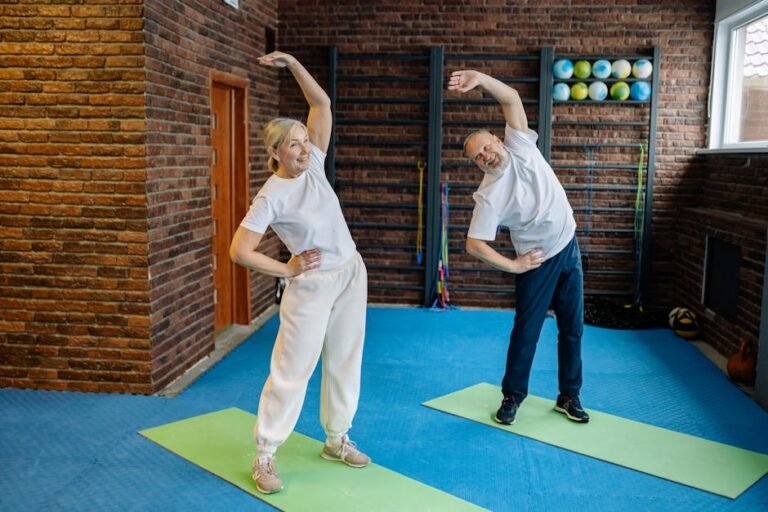
You don’t need a formal exercise programme to start improving your balance and leg strength. Short, consistent practice built into your daily routine is actually more effective than occasional longer sessions. The key is to start where you are and progress gradually as you feel steadier.
Here are simple exercises and habits you can incorporate right away:
- Sit-to-stand drill: Sit in a sturdy chair with your feet flat on the floor. Use your arms to help you stand, then try the next repetition with less arm support. Aim for 5–10 repetitions. This builds the leg strength needed for one of the most common daily movements.
- Two-leg balance hold: Stand near a stable counter or chair back with your feet together. Hold for 10–15 seconds, keeping your arms relaxed at your sides. Rest and repeat 3 times. As you get steadier, try lifting one foot slightly off the floor for 3–5 seconds.
- Calf raises: Stand behind a sturdy chair with feet hip-width apart. Rise up onto your toes slowly, then lower back down. Do 10–15 repetitions for 2–3 sets. Strong calves and ankles are essential for catching yourself when you stumble.
- Ankle circles: Lift one foot and rotate the ankle slowly — 10 circles in each direction — then switch feet. Healthy ankle mobility improves your ability to adjust to uneven ground.
- Side steps: Stand tall and take small steps sideways for 10 steps, then return. Do 2 rounds. Side-to-side movement trains the muscles that stabilise you when you change direction.
- Five-second rule when standing: After you stand up from a chair, count silently to five before you start walking. This gives your blood pressure time to adjust and your body time to find its balance.
- Morning safety walk: Each morning, walk through your main living areas and check for any hazards — cords, clutter, rugs — and fix them as you go. It takes two minutes and builds a powerful protective habit.
- Wear your shoes at home: Put on a stable everyday shoe or a non-slip slipper as part of your morning routine, rather than walking in socks or bare feet on smooth floors.
Remember to always practise new balance exercises near a sturdy chair or counter. If you feel dizzy or unsteady at any point, sit down and rest. Progress at your own pace — there is no rush, and every small improvement genuinely counts.
When to Ask for Help and Use Supportive Aids
There is real strength in knowing when to ask for help or use a supportive aid. Using a cane, walker, or grab bars isn’t a sign of weakness — it’s smart, proactive self-care. Grab bars in the bathroom, a sturdy handrail on the stairs, and a reaching tool for high shelves are all practical investments in your daily safety and independence.
If you have recently had a fall, have noticed increasing unsteadiness, feel dizzy when you stand up, or have started a new medication, it’s a good idea to speak with your healthcare provider. A fall-risk assessment can help identify specific contributing factors — including medication side effects, vision changes, and muscle weakness — and your provider can help you build a personalised plan. You might also benefit from a referral to a physiotherapist who specialises in balance and fall prevention.
If you live with a family member or a friend, consider sharing your balance practice with them. Inviting someone to join you for a short daily walk or a few minutes of simple exercises adds an extra layer of safety, makes the routine more enjoyable, and keeps you both accountable. Social connection and movement go together beautifully.
Putting It All Together: A Simple Plan for a Safer, More Confident Day
Improving your balance doesn’t require overhauling your life all at once. The most effective approach is to pick one small change and build from there. Start with something concrete — decluttering your main hallway, adding a night light to your bathroom route, or switching to safer footwear at home. Once that feels natural, add a simple daily balance exercise like the two-leg hold or ankle circles.
Over time, these small habits layer on top of each other and create a meaningful shift in how steady and confident you feel on your feet. The balance mistakes that increase fall risk are real, but so is your ability to address them — one step at a time, at your own pace, in the comfort of your own home.
Create a simple daily checklist for yourself: clear path from bedroom to kitchen, lights on, shoes on, one balance exercise done, and a mental note of where your chair or counter is if you need support. That’s it. Simple, consistent, and genuinely protective.
Celebrate every safe day. Celebrate the fact that you’re paying attention, making changes, and choosing to protect your independence. That matters enormously — for today and for all the tomorrows ahead of you.
The Bottom Line: Balance mistakes that increase fall risk are surprisingly common, but they are also remarkably fixable. Rushing through movements, relying too heavily on supports, wearing unsafe footwear, having poor lighting, ignoring home hazards, and neglecting strength and balance exercises all quietly contribute to fall risk over time. By recognising these patterns and replacing them with simple, practical habits — better shoes, a daily safety walk, a few gentle exercises, good lighting, and a willingness to ask for help — you can significantly reduce your risk of falling and move through each day with greater confidence and independence. You have more control over your balance than you may realise. Start small, stay consistent, and keep moving.
This is not medical advice. Consult your healthcare provider before starting any new health routine or using any product mentioned here.