How to Strengthen Hip Muscles to Support the Spine: A Gentle Guide for Older Adults
This post contains affiliate links. As an Amazon Associate, I earn from qualifying purchases at no extra cost to you.
Free resources — no credit card required for trial
🎧 Listen to health & wellness audiobooks free for 30 days
Start 30-Day Free Trial →
🛒 Recommended Products
As an Amazon Associate we earn from qualifying purchases at no extra cost to you.
TheraBand First Step to Active Health Kit — Senior Exercise Program for Balance and Fall P
$19.99
EZ Off Jar Opener for Seniors — Under Cabinet Jar Opener for Weak Hands and Arthritis
$9.99
Omron 5 Series Upper Arm Blood Pressure Monitor — 2-User 100-Reading Memory Wide-Range Cuf
$44.99
OMRON 7 Series Wireless Wrist Blood Pressure Monitor — Clinically Validated with Connect A
$69.99
Vitality 4 Life Senior Resistance Band with Instruction Guide — Specifically for Elderly F
$16.99
📚 Read unlimited health books free for 30 days
Try Kindle Unlimited Free →
If your lower back has been feeling stiff, achy, or just not quite right lately, the answer might be closer to your hips than you think. Learning how to strengthen hip muscles to support the spine is one of the most practical — and often overlooked — steps older adults can take for lasting back comfort. Strong hips keep your pelvis balanced, ease everyday movements like sitting down and standing up, and even help protect you from falls. The best part? You don’t need a gym membership or fancy equipment to get started. Just a sturdy chair, a safe space, and a few minutes a few times a week can genuinely make a difference.
Why Your Hip Muscles Matter So Much for Spine Health
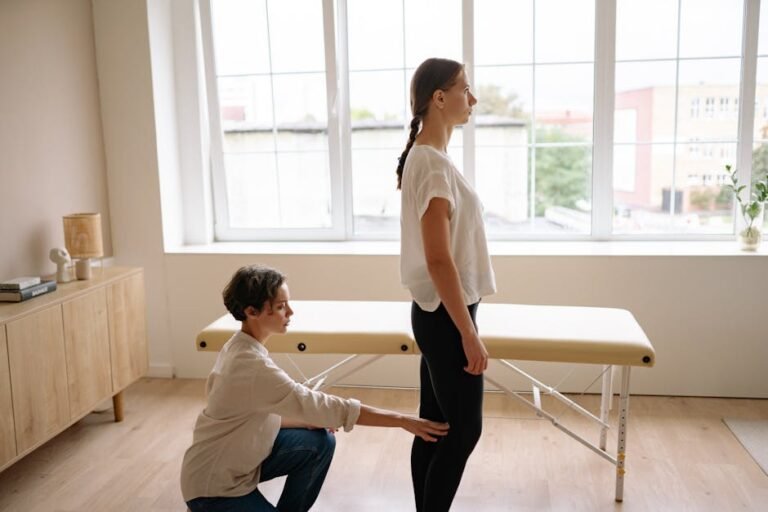
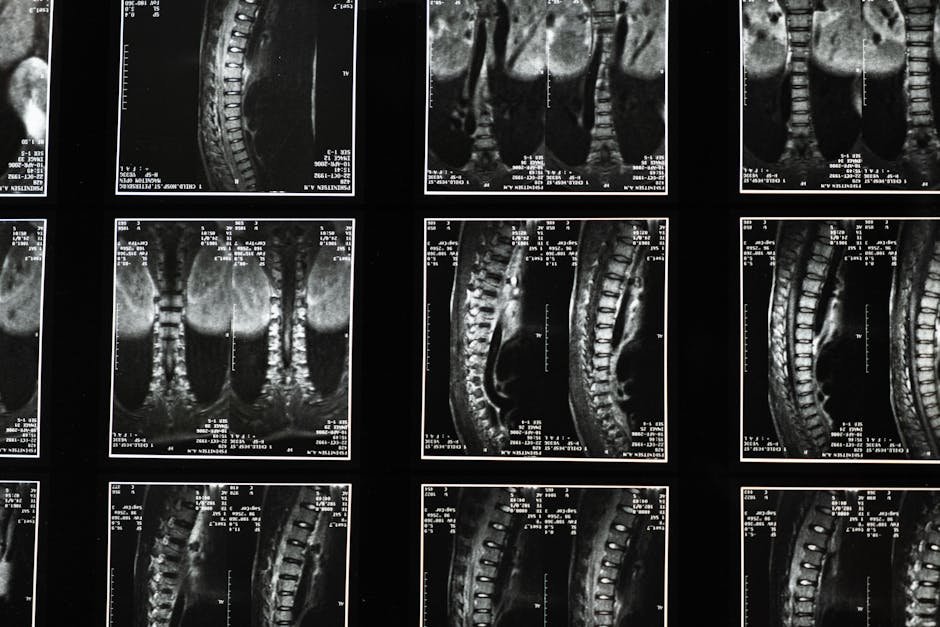
Your hips and spine are more connected than most people realise. When your hip muscles are strong and working well, they act like a natural support system for your lower back. They keep your pelvis in a balanced, neutral position — and when the pelvis is stable, the spine doesn’t have to overwork to compensate. But when those hip muscles are weak or tight, the back ends up picking up the slack, which often shows up as stiffness, soreness, or fatigue by the end of the day.
Strong hip abductors — the muscles on the outer hip that move your leg away from the centre of your body — and strong glutes also play a big role in how you walk and stand. They help you move with an upright, steady posture rather than shifting or swaying in ways that put extra pressure on the lower back. In other words, investing in your hip strength is a direct investment in your spine’s comfort and long-term health.
There’s also a real safety benefit worth mentioning: better hip strength means better leg and core stability, which significantly lowers your risk of falls. A fall that leads to a back injury can set you back considerably, so prevention really does matter here. Building hip strength is one of the most proactive things you can do for your independence and confidence as you move through daily life.
Common Challenges — and Why They’re Not Roadblocks
It’s completely understandable if the idea of starting an exercise routine feels daunting. Many older adults deal with arthritis, joint stiffness, or lingering pain that makes movement feel risky. Some people have experienced a fall or a back flare-up and have become understandably cautious. Others worry about balance or have conditions like osteoporosis or osteoarthritis that require a gentler approach. These are real concerns — and they deserve real acknowledgement, not dismissal.
The encouraging truth is that most of these challenges don’t mean you can’t strengthen your hips. They simply mean you need a thoughtful, modified approach. The exercises covered in this post are specifically chosen to be joint-friendly, low-impact, and adaptable. Many can be done seated or with the support of a chair. The goal is never to push through pain — it’s to find movements that feel manageable, safe, and gradually empowering. If you’ve had surgery, a recent fracture, or a diagnosed back condition, it’s always wise to check with your doctor or a physical therapist before beginning, so they can tailor the plan to your specific needs.
How to Strengthen Hip Muscles to Support the Spine: Six Practical Exercises
These six movements cover the key hip muscle groups that support your spine and pelvis. They’re designed with seniors in mind — gentle, controlled, and effective. Start with 1 set of 8–10 repetitions per exercise, 2–3 times per week, with at least a day of rest in between. As you build confidence over 2–3 weeks, you can gradually add a second set, increase your reps to 12, or introduce a light resistance band for added challenge.
Sit-to-Stand with Hip Emphasis: Sit toward the edge of a sturdy chair with feet hip-width apart. Lean slightly forward from the hips, press through your heels, and slowly stand using your glutes rather than your arms. Lower back down with control. This everyday movement is one of the best ways to build glute and hip extensor strength, and it directly trains the motion you use dozens of times a day.
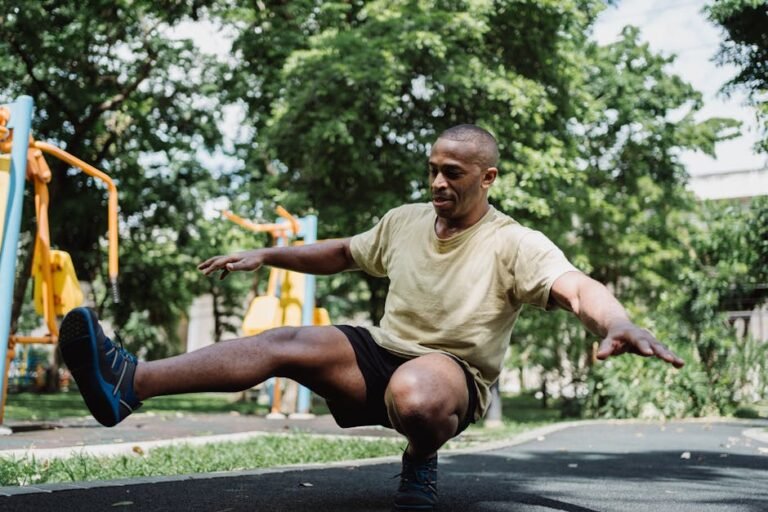
Standing Hip Abduction: Stand behind a chair and hold the back for support. Keeping your torso upright, slowly lift one leg out to the side, toes pointing forward, then lower with control. Do 2–3 sets of 8–12 repetitions per leg. This targets the hip abductors that stabilise your pelvis when you walk and stand.
Glute Bridge: Lie on your back with knees bent and feet flat on the floor. Press through your heels to lift your hips until your shoulders, hips, and knees form a straight line. Squeeze your glutes at the top, then lower slowly. This builds the glutes and hamstrings — key muscles for supporting the spine during transitions and lifts. Keep your lower back neutral throughout; don’t let it sag or over-arch.
Clamshell with a Light Resistance Band: Lie on your side with knees bent and hips stacked. Place a light resistance band around your thighs just above the knees. Keeping your feet together and your pelvis still, lift the top knee away from the bottom, then slowly lower. This targets the gluteus medius, a vital stabiliser for pelvic alignment and balance. Move slowly and keep your spine from twisting.
Hip Hinge with Countertop Support: Stand with feet hip-width apart, hands resting on a stable surface. With a soft bend in the knees and a neutral spine, gently push your hips back as if reaching your bottom toward the wall behind you, then return to standing. This practises the hip hinge movement used when picking things up — protecting your back by teaching you to move from the hips rather than rounding the spine.
Standing Donkey Kicks: Stand beside a chair for balance. Keeping a slight bend in the standing knee, lift one leg straight back without twisting your torso, then lower with control. Avoid arching your lower back — keep your core gently engaged and your gaze forward. This strengthens the glutes and hip extensors that support spine stability during walking.
Stretches and Mobility Work to Pair With Strengthening
Strength exercises work best when paired with some gentle mobility and stretching. Tight hip flexors — the muscles at the front of the hip — can tilt the pelvis forward and contribute to lower back discomfort. Taking a few minutes to stretch after your strengthening session can release that tension and help you maintain the flexibility that makes movement feel easier.
A gentle hip flexor stretch can be done standing: step one foot forward into a small, supported lunge, keep your back tall, and gently push your hips forward until you feel a mild stretch in the front of the rear hip. Hold for 15–30 seconds per side. For a seated glute stretch, sit tall in a chair, cross one ankle over the opposite knee, and gently lean forward to feel the stretch in your buttock. Hold 15–30 seconds, then switch sides. If you’re comfortable on the floor, a lying figure-four stretch — ankle crossed over the opposite knee, gently drawing the thigh toward your chest — is wonderfully effective for releasing hip tightness.
Always stretch after you’ve warmed up a little, never on a cold muscle. Gentle walking in place for a minute or two before you begin your session is a simple and effective warm-up. And never force a stretch to the point of sharp pain — you should feel a gentle pull, not discomfort.
What You Can Do: Practical Tips for Staying Safe and Making Progress
Getting started is the hardest part. These practical tips will help you build a consistent, safe routine that actually sticks — and helps you avoid the common mistakes that slow progress or lead to injury.
- Get medical clearance first if you have osteoporosis, a recent fracture, a diagnosed back condition, or if you’re recovering from surgery. Share your plans with your healthcare provider so they can offer personalised guidance.
- Use stable support. A sturdy chair, countertop, or the back of a sofa gives you the confidence to move safely. There’s no medal for going unsupported before you’re ready.
- Wear supportive, non-slip shoes and exercise on a surface that won’t slide beneath you. A yoga mat on a hard floor works well.
- Breathe naturally. Exhale during the effort phase of each movement, inhale as you relax. Never hold your breath.
- Control is everything. Slow, deliberate movements protect your joints and back far better than rushing through reps. Quality over quantity, always.
- Stop if you feel sharp pain. Mild muscle soreness after a session is normal and expected. Sharp, pinching, or worsening pain is a signal to stop and rest — and to check in with a healthcare professional if it doesn’t settle.
- Track your small wins. Note when you can do an extra rep, hold a stretch a few seconds longer, or stand from a chair without using your arms. These milestones matter.
- Schedule your sessions. Tie them to an existing daily habit — after your morning coffee, before dinner — so they become part of your routine rather than an afterthought.
- Increase gradually. Once a routine feels manageable for 2–3 weeks, add one small challenge at a time: a second set, a couple more reps, or a light resistance band. Never jump ahead too quickly.
- Consider working with a physical therapist if you’re unsure about form, have had a recent fall, or deal with dizziness. A professional can personalise your plan and help you progress safely.
Building a Routine That Lasts
Consistency is the real secret to strengthening hip muscles and supporting the spine over the long term. It’s not about doing a perfect workout once — it’s about showing up regularly, even when it’s just a short session. Aim for 2–3 days per week, with each session lasting around 15–20 minutes including your warm-up and stretches. Rotate through the exercises so you’re working different hip muscle groups across the week and giving your body time to recover.
It helps to keep your expectations realistic and kind. Progress in strength training — especially when you’re starting gently and prioritising safety — is often gradual. You might not feel a dramatic difference after the first week. But after a month of consistent effort, many people notice they’re getting up from chairs more easily, walking with more steadiness, or feeling less stiffness in the morning. Those are meaningful, life-improving changes worth celebrating.
If motivation dips (and it will at some point — that’s completely normal), remember your “why.” Perhaps it’s wanting to keep up with grandchildren, take pain-free walks, or simply feel more confident in your own body. Keep that reason somewhere visible. And don’t hesitate to rope in a friend, family member, or fellow senior to join you — movement is always more enjoyable with company.
The Bottom Line: Strengthening your hip muscles is one of the most effective and practical ways to support your spine, ease lower back discomfort, and move through daily life with greater confidence and stability. By starting gently with chair-supported exercises, pairing strength work with light stretching, and progressing at a pace that respects your body, you’re building a genuine foundation for better spine health and long-term wellbeing. Small, consistent steps really do add up — and your spine will thank you for every single one.
This is not medical advice. Consult your healthcare provider before starting any new health routine or using any product mentioned here.