TENS Units for Pain Relief: A Senior’s Guide to Safe, Drug-Free Comfort
This post contains affiliate links. As an Amazon Associate, I earn from qualifying purchases at no extra cost to you.
Free resources — no credit card required for trial
🎧 Listen to health & wellness audiobooks free for 30 days
Start 30-Day Free Trial →
🛒 Recommended Products
As an Amazon Associate we earn from qualifying purchases at no extra cost to you.
TheraBand First Step to Active Health Kit — Senior Exercise Program for Balance and Fall P
$19.99
EZ Off Jar Opener for Seniors — Under Cabinet Jar Opener for Weak Hands and Arthritis
$9.99
Omron 5 Series Upper Arm Blood Pressure Monitor — 2-User 100-Reading Memory Wide-Range Cuf
$44.99
OMRON 7 Series Wireless Wrist Blood Pressure Monitor — Clinically Validated with Connect A
$69.99
Vitality 4 Life Senior Resistance Band with Instruction Guide — Specifically for Elderly F
$16.99
📚 Read unlimited health books free for 30 days
Try Kindle Unlimited Free →
If you’re tired of reaching for the medicine cabinet every time your back aches, your knees throb, or that old nerve pain flares up, you’re not alone — and there’s good news. A small, portable device called a TENS unit has been quietly helping millions of people, especially older adults, manage everyday pain without relying solely on medication. Whether you’ve heard of TENS units before or this is the first time the term has crossed your path, this guide will walk you through everything you need to know: what they are, how they work, how to use one safely, and whether it might be the right addition to your own self-care routine.
What Is a TENS Unit and How Does It Work for Pain Relief?
TENS stands for Transcutaneous Electrical Nerve Stimulation — which sounds very technical, but the idea is beautifully simple. A TENS unit is a small, battery-powered device that connects to a set of sticky pads (called electrodes) that you place on your skin. Once switched on, the device sends gentle electrical pulses through those pads and into the nerves just beneath the skin’s surface.
Those tiny pulses do two helpful things: they interrupt pain signals that are traveling toward your brain, and they encourage your body to release its own natural pain-relieving chemicals. Think of it like a gentle “distraction” for your nervous system — giving it something else to focus on so the pain doesn’t dominate the conversation.
What makes TENS units especially appealing for older adults is that they are a non-drug option. For anyone managing multiple medications — which is very common as we age — the idea of finding relief without adding another pill to the mix is genuinely appealing. TENS units are compact enough to use at home, at your own pace, in your favorite armchair. Many people find them to be a practical, empowering tool for staying comfortable and more active day to day.
What Types of Pain Can a TENS Unit Help With?
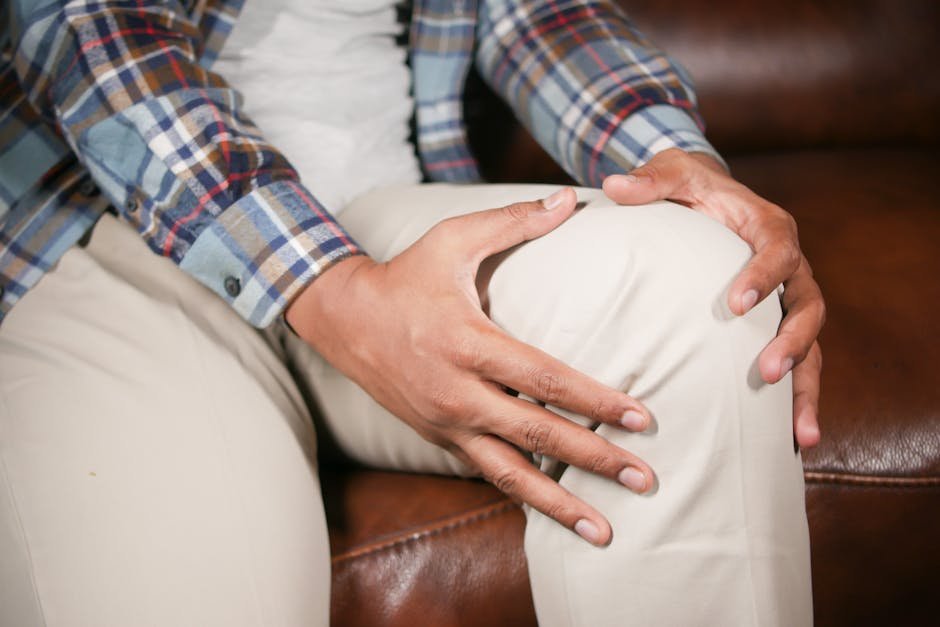
TENS units are most commonly used for the kinds of everyday aches and pains that are so familiar to many seniors. Arthritis discomfort, lower back and hip pain, nerve-related pain such as neuropathy, and the general stiffness that often follows physical therapy sessions are among the most frequently mentioned uses. If you’ve been dealing with persistent, nagging pain that chips away at your quality of life, a TENS unit could be a useful part of your relief toolkit.
It’s worth being honest about what TENS can and cannot do, though. TENS does not fix the underlying cause of your pain. It won’t repair a worn joint, heal a nerve, or resolve an injury. What it can do is help you feel more comfortable — and that comfort matters enormously. When pain is more manageable, it’s easier to stay active, sleep better, and maintain your independence. Used as part of a broader plan that might include gentle movement, heat or cold therapy, rest, and any medications your doctor has prescribed, TENS can be a genuinely valuable piece of the puzzle.
Always talk with your healthcare provider about how TENS might fit into your personal care plan. Your doctor, nurse, or physical therapist can help you figure out whether it’s appropriate for your specific type of pain and health history — and that conversation is always worth having before you get started.
Is TENS Safe for Older Adults? What You Need to Know
For many older adults, TENS is considered generally safe when used correctly and with the right precautions in place. That said, “safe for many” doesn’t mean “safe for everyone,” and there are some important health situations where TENS should either be avoided or only used under close medical supervision.
You should always check with your healthcare provider before using a TENS unit — especially if any of the following apply to you: you have a pacemaker or an implanted defibrillator, you have epilepsy, you have severe nerve or skin conditions, or you are pregnant. These are not small caveats — they are genuine safety concerns, and your clinician is the right person to guide you.
Beyond those key health conditions, there are everyday placement precautions to keep in mind. Never place the pads on your eyes, mouth, throat, or across your skull. Don’t place them on broken skin, wounds, rashes, or areas that are infected. Avoid placing pads directly over areas where you have reduced sensation or numbness unless your clinician specifically says it’s okay. And please — don’t use the device while driving, operating machinery, or sleeping, unless your healthcare provider has confirmed it’s safe for you to do so. If at any point you feel dizziness, heart palpitations, vision changes, or severe skin irritation while using a TENS unit, stop immediately and contact your healthcare provider.
How to Use a TENS Unit Safely and Effectively: Step by Step
Getting started with a TENS unit is not complicated, but doing it right from the beginning will help you get the most benefit while keeping your skin and body comfortable. The very first step — before you even open the box — is to talk with your doctor or physical therapist so you know exactly what you’re working with and where to place the pads for your specific pain.
When you’re ready to use the device, start by cleaning and thoroughly drying the skin where you plan to place the pads. This helps the pads stick properly and ensures good contact. Position the pads near — but not directly on — the most painful spot. For back pain, for example, pads are typically placed along the sides of the spine rather than directly on the bones. Make sure the pads lie flat against the skin without any folds or wrinkles, which can cause irritation.
Always begin at the lowest comfortable intensity setting. You should feel a gentle tingling or tapping sensation — not sharp pain or strong jolting. If it hurts or feels overwhelming, turn the intensity down or reposition the pads. Start with a short session of around 10 to 20 minutes to see how your skin and body respond. If all feels well, you can gradually work up to 20 to 30 minutes per session. When you’re finished, always turn the device off before removing the pads — this prevents any sudden shocks to the skin. Check the skin afterward for any redness or irritation, and give it time to rest before your next session if needed.
Practical Tips for Getting the Most from Your TENS Unit
A few thoughtful habits can make a real difference in how effective and comfortable your TENS experience is. Here are some practical tips to help you get started on the right foot:
- Start low and go slow. Always begin with the lowest intensity setting and build up gradually. Comfort is the goal — a gentle tingling is ideal, not a strong or painful sensation.
- Keep a simple pain diary. Note where you placed the pads, what settings you used, how long the session lasted, and how you felt afterward. This helps you and your clinician track what works best for you.
- Combine TENS with other gentle therapies. TENS works well alongside gentle stretching, prescribed exercises, warm or cool compresses, and rest — as part of an overall care plan.
- Have someone nearby for your first few sessions. Until you’re comfortable with the device, it’s reassuring to have a family member or caregiver close by in case you need assistance.
- Take care of your skin. Give the pad placement areas time to rest between sessions if you notice any redness. Keep the skin clean and moisturised (but dry before applying pads).
- Replace pads when needed. Reusable pads lose their stickiness over time. If they’re no longer adhering well to the skin, it’s time to replace them — poor contact can mean reduced effectiveness and skin irritation.
- Keep the device away from water. Never use a standard TENS unit in the bath or shower, and keep it dry and away from moisture during use.
- Wear comfortable, accessible clothing. Loose-fitting tops or trousers make it much easier to reach the skin areas you’re treating without any fussing or discomfort.
One more thing worth mentioning: if TENS starts to feel less effective over time, don’t just crank up the intensity and hope for the best. Instead, talk to your clinician. They can help you adjust placement, try different settings, or explore complementary therapies that might work even better alongside TENS.
Common Myths About TENS Units — Cleared Up
There are a few common misconceptions floating around about TENS units, and it’s worth addressing them directly so you can approach this tool with realistic expectations and genuine confidence.
The first myth is that “TENS will cure my pain.” It won’t — and it’s important to understand that clearly. TENS is a comfort and relief tool, not a cure. It can meaningfully reduce how much pain you feel, which can help you stay more active and independent, but the underlying cause of your pain still needs to be addressed with your healthcare team. Think of TENS as one valuable player on a broader team of strategies.
Another common misconception is that “if it doesn’t feel intense, it isn’t working.” In fact, the opposite is often true. Stronger is not better with TENS. The most effective sessions tend to involve a comfortable, gentle tingling — not a strong or even slightly painful sensation. The right combination of pad placement, settings, and session length matters far more than intensity. Trust the gentle approach.
Finally, some people worry about becoming dependent on a TENS unit. The reassuring truth is that TENS is not addictive. It’s a physical device — much like using a heating pad or an ice pack — and there’s no chemical dependency involved. If you find yourself relying on it heavily, that’s simply a sign it’s helping, and worth discussing with your clinician to make sure it’s still the right approach for your needs.
The Bottom Line: TENS units offer a gentle, drug-free way to manage everyday pain — and for many older adults, they can be a genuinely empowering addition to a self-care routine. The key is to approach them thoughtfully: have a conversation with your healthcare provider first, follow the device instructions carefully, start with low settings and short sessions, and listen closely to how your body responds. TENS won’t solve the root cause of your pain, but it can meaningfully reduce your discomfort, help you stay more active, and give you back a little more control over how you feel each day. If you’re curious, bring this guide to your next appointment and ask your clinician whether TENS might be a good fit for you.
This is not medical advice. Consult your healthcare provider before starting any new health routine or using any product mentioned here.