How to Create a Diabetes-Friendly Meal Plan: A Practical Guide for Seniors
This post contains affiliate links. As an Amazon Associate, I earn from qualifying purchases at no extra cost to you.
Free resources — no credit card required for trial
🎧 Listen to health & wellness audiobooks free for 30 days
Start 30-Day Free Trial →
🛒 Recommended Products
As an Amazon Associate we earn from qualifying purchases at no extra cost to you.
TheraBand First Step to Active Health Kit — Senior Exercise Program for Balance and Fall P
$19.99
EZ Off Jar Opener for Seniors — Under Cabinet Jar Opener for Weak Hands and Arthritis
$9.99
Omron 5 Series Upper Arm Blood Pressure Monitor — 2-User 100-Reading Memory Wide-Range Cuf
$44.99
OMRON 7 Series Wireless Wrist Blood Pressure Monitor — Clinically Validated with Connect A
$69.99
Vitality 4 Life Senior Resistance Band with Instruction Guide — Specifically for Elderly F
$16.99
📚 Read unlimited health books free for 30 days
Try Kindle Unlimited Free →
If you or someone you love is managing diabetes, you already know that what you eat makes an enormous difference — not just in your blood sugar numbers, but in how you feel, how much energy you have, and how confidently you go about your day. Creating a diabetes-friendly meal plan might sound like a big task, but it doesn’t have to be complicated or restrictive. In fact, with a few simple strategies, eating well with diabetes can be genuinely enjoyable — full of real, delicious food that keeps your body steady and your spirits high. Whether you’re newly diagnosed or have been managing diabetes for years, this guide is here to help you build a meal plan that fits your life, your taste, and your budget.
Why a Diabetes-Friendly Meal Plan Matters as You Age
As we get older, our bodies handle food a little differently. Digestion slows down, medications can affect how we process certain nutrients, and our energy needs shift. For seniors living with diabetes, these changes make thoughtful meal planning even more important. A well-structured diabetes-friendly meal plan helps keep blood sugar levels stable throughout the day, which means fewer energy crashes, better mood, and a lower risk of serious complications like heart disease and kidney problems.
But there’s another, equally important reason to pay attention to what’s on your plate: freedom. When your meals are well-planned and your blood sugar is well-managed, you feel more confident going out with friends, taking a walk in the park, or simply enjoying a quiet dinner at home. A good meal plan doesn’t take away your choices — it gives you more of them. Think of it less as a set of restrictions and more as a roadmap to feeling your best every single day.
The good news is that the foundation of a diabetes-friendly diet is simply good, wholesome food. Most of the principles — eat more vegetables, choose whole grains, include quality protein — are the same ones that benefit everyone. You’re not eating a “special diet.” You’re eating well, and doing so with a little extra intention.
The Best Foods to Build Your Diabetes-Friendly Meal Plan Around
A great diabetes-friendly meal plan starts with knowing which foods are your best friends. The goal is to choose foods that nourish your body, keep blood sugar steady, and support your heart, kidneys, and muscles — all things that deserve extra care as we age.
Vegetables are the real stars of the show. Non-starchy vegetables like leafy greens, broccoli, peppers, zucchini, tomatoes, and cucumbers are packed with fibre, vitamins, and minerals — and they won’t send your blood sugar soaring. Aim to fill at least half your plate with these at every meal. Whole grains like oats, brown rice, quinoa, and barley are far better choices than white bread or white rice because their fibre content slows down how quickly sugar enters your bloodstream. Lean proteins — think salmon, tuna, chicken, eggs, beans, lentils, and tofu — help you feel full and protect your muscle mass, which naturally decreases with age.
Don’t forget healthy fats from sources like olive oil, avocados, nuts, and seeds. These are satisfying, heart-friendly, and help slow the digestion of carbohydrates. Whole fruits (not juice) can absolutely be part of your plan — a small apple, a handful of berries, or a peach are all great choices, especially when paired with a little protein or fat to slow sugar absorption. For drinks, water is your best companion. If you enjoy milk or dairy, opt for unsweetened, low-fat versions or fortified plant-based alternatives with minimal added sugar.
Foods to Limit When Managing Diabetes
Knowing what to dial back is just as useful as knowing what to eat more of. You don’t need to feel deprived — this is about making smart swaps, not giving up everything you enjoy. The foods most worth limiting are those that cause rapid spikes in blood sugar or put extra strain on your heart and kidneys.
Added sugars are the big one. Candy, cookies, pastries, and sweetened beverages can cause blood sugar to spike quickly. That doesn’t mean you can never have a treat, but sweets work best as an occasional pleasure rather than a daily habit. Refined carbohydrates — white bread, white rice, many packaged crackers and snacks — act a lot like sugar in your body, so swapping them for whole-grain versions is a simple win. High-sodium foods like canned soups, salty sauces, processed meats, and fast food can raise blood pressure, which is already a concern for many people with diabetes.
Watch out for hidden sugars, too. Many sauces, condiments, and even seemingly savoury packaged foods contain surprising amounts of added sugar. Reading labels is a habit worth developing — look for “sugar,” “corn syrup,” or anything ending in “-ose” in the ingredients list. Saturated fats from fatty cuts of meat, full-fat dairy, fried foods, and certain baked goods are best kept to a minimum, especially if you’re also watching your heart health. And if you drink alcohol, have an honest conversation with your doctor about safe limits, particularly if you take insulin or other diabetes medications.
How to Create a Diabetes-Friendly Meal Plan Using the Plate Method
One of the simplest and most effective tools for building a diabetes-friendly meal plan is the plate method. Here’s how it works: imagine dividing your plate into sections. Fill half with non-starchy vegetables, one quarter with lean protein, and the remaining quarter with a whole grain or starchy side. Add a small portion of healthy fat for flavour and satisfaction. That’s it — no calorie counting, no complicated formulas.
Portion awareness is another gentle skill to develop. A serving of protein is roughly the size of your palm — about three to four ounces for most adults. A serving of cooked grains or starchy vegetables is about half a cup, or roughly the size of a small cupped hand. A tablespoon or two of olive oil or a small handful of nuts is plenty for healthy fat. These “hand-sized” guides travel with you everywhere — no measuring cups needed.
Meal timing matters too. Try to eat at roughly the same times each day, which helps your body manage glucose more predictably. Skipping meals can cause blood sugar to swing too high or too low, especially if you’re on medications. Including protein at every meal helps keep you feeling full and slows down how quickly carbohydrates affect your blood sugar. If you need a snack between meals — especially if you’re more active or on blood-sugar-lowering medications — a small, balanced option like apple slices with cheese, carrots and hummus, or a small handful of almonds works beautifully.
Simple, Real-Life Meal Ideas to Get You Started
One of the most common barriers to healthy eating is not knowing what to actually cook. Here are some straightforward, tasty meal ideas that follow the plate method and can be easily mixed and matched throughout the week. Remember to adjust portions based on your appetite and your healthcare team’s advice.
For breakfast, try oatmeal made with rolled oats topped with a handful of berries and a spoonful of almond butter — or scrambled eggs with spinach, tomatoes, and a slice of whole-grain toast alongside a small orange. Both options give you fibre, protein, and slow-burning energy to start the day right. For lunch, a mixed greens salad with grilled chicken, chickpeas, cucumber, and an olive oil and lemon dressing with a side of quinoa is filling and flavourful. Lentil soup with a whole-grain roll and steamed broccoli is another winner — warming, easy to make in batches, and naturally diabetes-friendly.
For dinner, baked salmon with roasted Brussels sprouts and a small serving of brown rice hits all the right nutritional notes. Tofu stir-fry with colourful vegetables like peppers, snap peas, and mushrooms served over half a cup of brown rice is another great option, especially if you’re looking for plant-based protein. And for snacks? Apple slices with a little cheese, a plain yogurt cup, or a small handful of almonds are all quick, satisfying, and blood-sugar-friendly.
Practical Tips for Making Your Diabetes-Friendly Meal Plan Work Every Day
Knowing the theory is one thing — making it work in real life is another. Here are some practical, down-to-earth strategies to help you stay on track without feeling overwhelmed:
- Build a simple grocery list: Focus on fresh vegetables, whole grains, lean proteins, fruit, low-fat dairy or plant-based alternatives, healthy fats, legumes, and canned fish in water for quick, easy meals.
- Batch cook on a calm day: Prepare a few meals or components on a weekend or whenever you have energy — cook a pot of brown rice, roast a tray of vegetables, or make a big batch of soup. Refrigerate or freeze in portions to make weekday meals effortless.
- Start with simple recipes: Five-ingredient meals and one-pot dishes reduce steps and washing up. You don’t need fancy cooking skills to eat well.
- Read labels with a purpose: Look for at least three to five grams of fibre per serving and as little added sugar as possible. Keep an eye on sodium levels, too.
- Adapt to your tastes and traditions: Your favourite cuisine can absolutely be part of a diabetes-friendly meal plan — it just might need a few small adjustments. Enjoy the flavours you love while keeping portions and ingredients in balance.
- Involve a helper: If a family member or caregiver can join you for grocery shopping or cooking, the process becomes easier, safer, and often a lot more fun.
- Keep a simple food log: A small notebook or a notes app on your phone can help you track what you eat, your portion sizes, and how you feel afterwards. This information is genuinely useful when you review your plan with your doctor or dietitian.
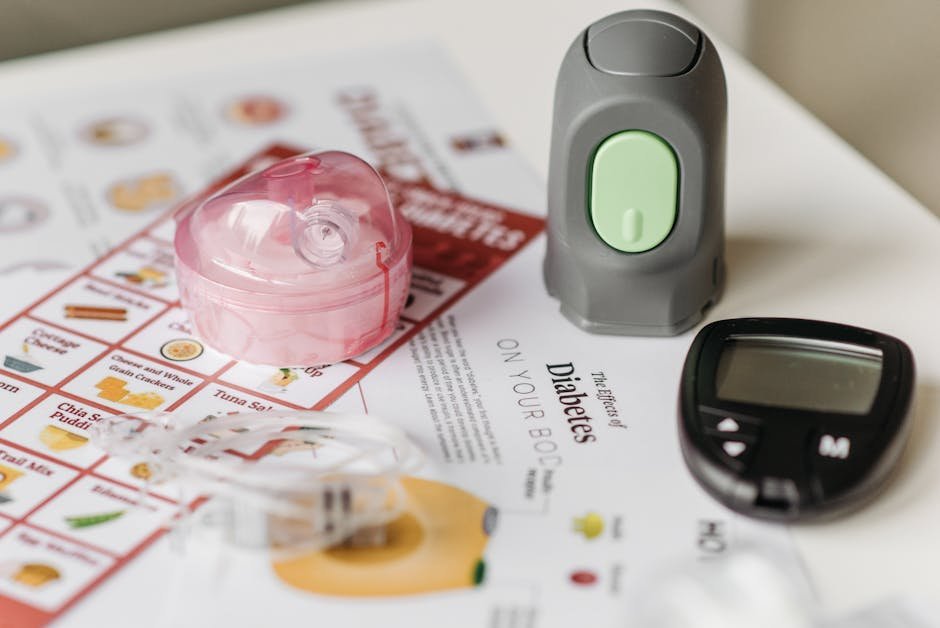
- Monitor your blood sugar: If you use a glucose meter, check your levels as advised by your healthcare team and share the patterns you notice at your next appointment.
- Stay hydrated: Drink water regularly throughout the day. Good hydration supports blood sugar management and overall wellbeing.
If you have additional health considerations — like kidney disease, high blood pressure, or dental issues that make chewing difficult — talk with your healthcare team about tailoring your meal plan further. These adjustments are completely manageable with the right support, and your doctor, a diabetes educator, or a registered dietitian can help you navigate them confidently.
Starting Your Diabetes-Friendly Meal Plan: A Step-by-Step Approach
If you’re wondering where to begin, keep it simple. Start by picking one breakfast that includes both protein and fibre — like eggs on whole-grain toast or oatmeal with nuts and berries. That single change sets a positive tone for the rest of the day. From there, build your lunches and dinners around the plate method: lots of vegetables, a lean protein, and a modest serving of whole grains.
Add a small, balanced snack if hunger strikes between meals or if your activity level changes. Pay attention to how you feel after eating — more energy, steadier mood, and comfortable blood sugar levels are all signs that your plan is working. If something doesn’t feel right, adjust it. A good meal plan is a living document, not a rigid contract.
Most importantly, don’t try to overhaul everything at once. Small, steady changes are far more sustainable than dramatic overnight shifts. Celebrate the wins — each healthy meal is a genuine achievement — and be gentle with yourself on harder days. You’re doing something important and positive for your health, and that deserves recognition.
The Bottom Line: Creating a diabetes-friendly meal plan as a senior doesn’t have to be stressful or restrictive. By building your meals around vegetables, lean proteins, whole grains, and healthy fats — while keeping an eye on portions, meal timing, and hidden sugars — you give your body exactly what it needs to keep blood sugar steady and energy levels up. Use the plate method as your guide, batch cook when you can, and lean on the support of your healthcare team, a diabetes educator, or a registered dietitian to personalise your approach. With a little practice, eating well with diabetes becomes second nature — and one of the best gifts you can give yourself for a healthier, more independent life.
This is not medical advice. Consult your healthcare provider before starting any new health routine or using any product mentioned here.