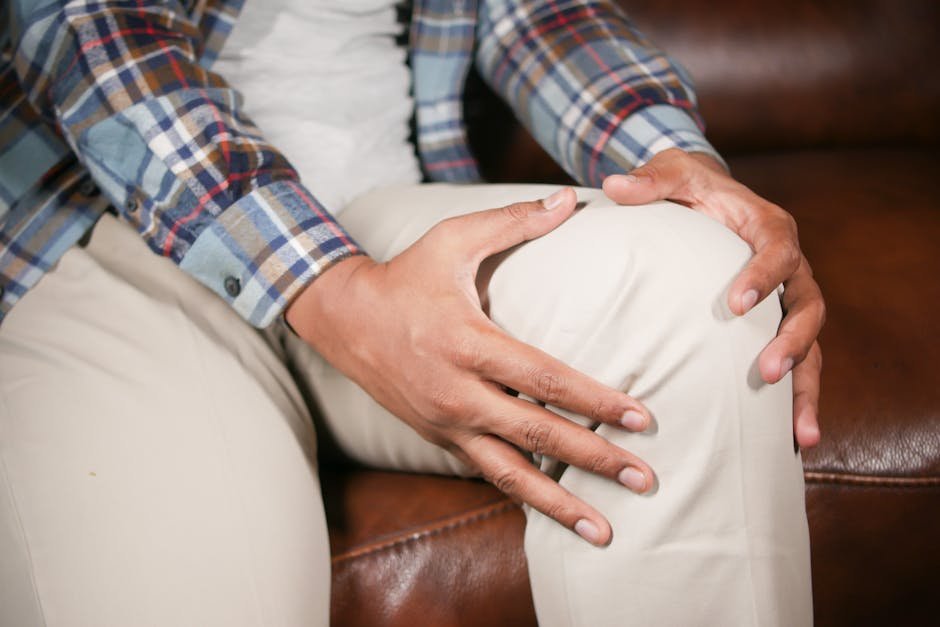
Simple Hand Mobility Exercises for Seniors: Keep Your Fingers Flexible and Your Independence Intact
This post contains affiliate links. As an Amazon Associate, I earn from qualifying purchases at no extra cost to you.
Free resources — no credit card required for trial
🎧 Listen to health & wellness audiobooks free for 30 days
Start 30-Day Free Trial →
🛒 Recommended Products
As an Amazon Associate we earn from qualifying purchases at no extra cost to you.
TheraBand First Step to Active Health Kit — Senior Exercise Program for Balance and Fall P
$19.99
EZ Off Jar Opener for Seniors — Under Cabinet Jar Opener for Weak Hands and Arthritis
$9.99
Omron 5 Series Upper Arm Blood Pressure Monitor — 2-User 100-Reading Memory Wide-Range Cuf
$44.99
OMRON 7 Series Wireless Wrist Blood Pressure Monitor — Clinically Validated with Connect A
$69.99
Vitality 4 Life Senior Resistance Band with Instruction Guide — Specifically for Elderly F
$16.99
📚 Read unlimited health books free for 30 days
Try Kindle Unlimited Free →
Think about everything your hands do for you before breakfast is even over — buttoning a shirt, pouring a cup of coffee, turning the bathroom tap. These small actions feel effortless until they don’t. For many adults, especially as the years go by, stiff fingers and achy wrists can quietly chip away at the everyday moments we take for granted. The good news? Simple hand mobility exercises — done gently and consistently at home — can make a real, noticeable difference. No gym membership, no special equipment, and no fitness experience required. Just a few mindful minutes a day, and your hands will thank you for it.
Why Hand Mobility Matters More Than You Might Think
Our hands are remarkably complex — packed with small joints, tendons, and muscles that all need regular movement to stay supple and strong. As we age, joints can become stiffer, tendons less flexible, and grip strength tends to gradually fade. This is completely normal, but it doesn’t have to be inevitable — or at least, it doesn’t have to go unchallenged.
When hand mobility declines, even small daily tasks can start to feel frustrating. Writing a note, fastening a zip, opening a jar, or holding a book can become surprisingly difficult. Over time, that frustration can affect your confidence and your sense of independence — two things that matter enormously to overall wellbeing.
Here’s the encouraging part: regular, gentle movement really does help. It increases blood flow to the joints, keeps tendons gliding smoothly, and helps maintain the range of motion you already have — while gradually building a little more. You don’t need to do anything dramatic. Simple, consistent exercises are all it takes to start feeling the difference.
Getting Started: What You Need (It’s Very Little)
One of the best things about hand mobility exercises is how accessible they are. You don’t need to buy anything special or carve out a chunk of your day. All you really need is a comfortable chair or a flat, stable surface, and a warm, relaxed environment — warmth genuinely helps loosen stiff joints, so a cosy room or even a brief soak of your hands in warm water beforehand can be a lovely way to prepare.
Optionally, grab a small towel or washcloth. It can be used for a gentle supplementary stretch described later in this post, but it’s entirely optional. The exercises themselves require nothing at all.
The golden rule before you begin: the goal is gentle, comfortable movement — not pushing through pain. If anything causes sharp discomfort, numbness, or significant swelling, stop and check in with your healthcare provider. Otherwise, move at whatever pace feels right for your body today. Some days will feel easier than others, and that’s perfectly okay.
Simple Hand Mobility Exercises: Step-by-Step Guide
Here are six easy, proven exercises you can do at home. Work through them in order, or pick the ones that feel most relevant to you. Aim for 5–10 minutes on most days — consistency counts far more than intensity.
1. Finger Lifts. Place your hand palm-down on a flat table. One at a time, gently lift each finger off the surface as high as feels comfortable, hold for 1–2 seconds, then slowly lower it. Repeat 8–10 times per finger on both hands. This exercise promotes finger control and helps your tendons glide more freely — which translates directly to better dexterity in everyday tasks.
2. Finger Bends and Extensions. Start with your hand open and resting flat. Gently bend each finger toward your palm one at a time, keeping your thumb relaxed, then return and fully straighten. Work through all fingers on both hands, 8–10 repetitions per finger. Use slow, controlled movements — this is especially important if your fingers are stiff. Bend only as far as feels comfortable; even a small range of motion done consistently will improve over time.
3. Thumb Opposition. With your hand relaxed, touch the tip of your thumb to the tip of each finger in sequence — index, middle, ring, pinky — holding for 1–2 seconds at each touch before releasing. Do 6–8 rounds on each hand. This exercise is fantastic for improving the coordination needed for gripping utensils, turning a key, or fastening buttons.
4. Palm Press (Prayer Stretch). Sit with your elbows bent and press your palms gently together in front of your chest in a prayer-like position. Keep your elbows slightly outward and hold the gentle press for 5–10 seconds, feeling a mild stretch across the inside of your hands. Release and rest, then repeat 6–8 times. If you have arthritis in your fingers, keep your hands a little further apart to reduce joint compression.
5. Finger Spreads and Gentle Squeezes. Place your hand flat on the table and spread your fingers as wide as comfortably possible. Hold for 3 seconds, then relax. Then curl your fingers gently into a soft fist, hold for 2–3 seconds, and open wide again. Repeat 8–12 times per hand. This lovely combination keeps your fingers flexible while building modest grip strength — all without needing any equipment.
6. Wrist Circles. Rest your forearm on a table with your hand hanging off the edge. Slowly rotate your wrist in a smooth circle, moving as far as comfort allows. Do 8–10 circles in one direction, then switch direction. Repeat on the other hand. Wrists often get neglected, but maintaining their range of motion is crucial for tasks like turning a doorknob, pouring a kettle, or using cutlery.
As an optional bonus, you can use a small towel for a gentle stretch. Lay it flat, place both hands over it with fingers spread, and gently pull in opposite directions with your fingertips while keeping your wrists straight. Hold for 5–10 seconds and repeat 5–8 times. Skip this one entirely if you have any finger or tendon pain — the other six exercises are more than enough.
Practical Tips: How to Make Hand Mobility Exercises Work for You
Knowing the exercises is just the beginning. Making them a sustainable part of your routine is where the real magic happens. Here are some practical ways to set yourself up for success:
- Warm up first. Warm your hands with a warm (not hot) towel before you begin, or soak them briefly in warm water. Heat helps joints move more easily and makes exercises feel more comfortable from the start.
- Always sit down. Performing these exercises seated in a sturdy chair with your feet flat on the floor is perfectly fine — and often safer and more relaxing than standing.
- Keep movements smooth and slow. Avoid any quick, jerky motions. Controlled, deliberate movements protect your joints and tendons and are far more effective.
- Start small and build gradually. If you’re new to this or have arthritis, start with fewer repetitions and shorter holds. Build up gradually as your comfort increases — there’s absolutely no rush.
- Pair exercises with something you already do. Do a quick set while watching TV, listening to a podcast, waiting for the kettle to boil, or sitting in the morning quiet. Attaching new habits to existing ones makes them far easier to stick with.
- Track small wins. Notice when a finger moves a little more freely, when morning stiffness eases sooner, or when your grip feels steadier. These small improvements are worth celebrating — they’re real progress.
- Listen to your body every session. On a tough day, reduce your repetitions or take a short break. On a good day, try an extra repetition or hold a stretch a moment longer. Let how you feel guide you.
- If you have specific conditions, such as diabetes, neuropathy, or arthritis, check your hands regularly for any changes or irritation, and consider speaking with a hand therapist who can tailor these exercises specifically for you.
The Real-Life Benefits of Keeping Your Hands Moving
It’s one thing to know that hand exercises are “good for you” — it’s another to understand exactly how they improve your day-to-day life. Regular practice of simple hand mobility exercises offers several meaningful benefits that go well beyond the exercises themselves.
Improved finger dexterity means everyday tasks — from buttoning a coat to writing a shopping list or handling a smartphone — feel easier and more natural. You may find yourself doing things with more confidence and less frustration. Enhanced hand strength, even the modest kind that gentle exercises build, supports fatigue-free use of your hands throughout the day, whether you’re cooking, gardening, or pursuing a favourite hobby.
Movement also increases blood flow to the hands, which helps joints stay more supple and comfortable, and can reduce that familiar morning stiffness that many people experience. Over time, maintaining good hand mobility contributes to something even more precious: greater independence. Being able to manage self-care tasks, enjoy hobbies, and navigate daily routines without help is deeply connected to a sense of confidence and control.
There’s also a surprisingly calming effect to these exercises. Slow, focused movements can be quietly grounding and soothing — a small mindful moment in an otherwise busy day. Some people find that building a gentle hand exercise routine into their evening winds them down beautifully before bed.
Staying Consistent: Small Efforts Add Up to Big Results
The most important thing about any exercise routine — especially one focused on joint health — is consistency over intensity. A gentle 5–10 minute session most days will do far more for your hand mobility than an occasional longer session. Think of it like watering a plant: a little, regularly, is what helps it thrive.
Finding the right moment in your day matters. After a warm shower is ideal, since your hands are already warmed up. A quiet moment in the afternoon, or during an evening TV programme, works just as well. The point is to find a slot that feels natural and sustainable for your life.
If you miss a day or two, don’t be hard on yourself. Just start again when you can. These exercises are here to support you, not stress you. Every session — even a short one, even an imperfect one — is a meaningful investment in your hand health and your independence.
The Bottom Line: Your hands do incredible things for you every single day, and they deserve a little dedicated care in return. Simple hand mobility exercises require no equipment, no fitness background, and just a few minutes of your time — yet they can genuinely improve your finger flexibility, grip strength, and joint comfort over time. By weaving these gentle movements into your daily routine, you’re investing in your independence, your confidence, and your quality of life. Start small, be consistent, celebrate every small improvement, and above all, be kind to yourself. Your hands are worth it.
This is not medical advice. Consult your healthcare provider before starting any new health routine or using any product mentioned here.