
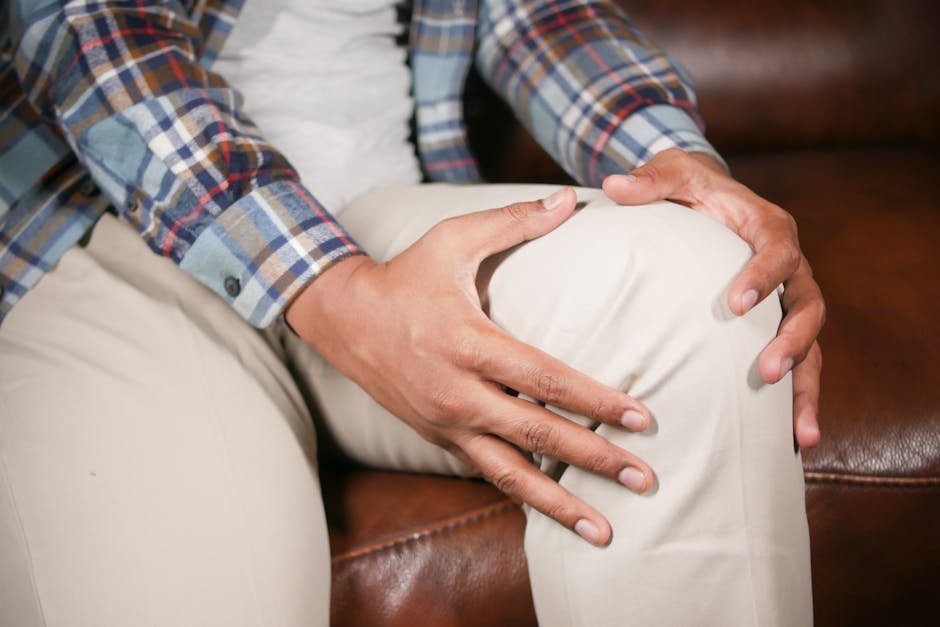
How Weather Changes Affect Joint Pain: A Practical Guide for Seniors
This post contains affiliate links. As an Amazon Associate, I earn from qualifying purchases at no extra cost to you.
Free resources — no credit card required for trial
🎧 Listen to health & wellness audiobooks free for 30 days
Start 30-Day Free Trial →
🛒 Recommended Products
As an Amazon Associate we earn from qualifying purchases at no extra cost to you.
TheraBand First Step to Active Health Kit — Senior Exercise Program for Balance and Fall P
$19.99
EZ Off Jar Opener for Seniors — Under Cabinet Jar Opener for Weak Hands and Arthritis
$9.99
Omron 5 Series Upper Arm Blood Pressure Monitor — 2-User 100-Reading Memory Wide-Range Cuf
$44.99
OMRON 7 Series Wireless Wrist Blood Pressure Monitor — Clinically Validated with Connect A
$69.99
Vitality 4 Life Senior Resistance Band with Instruction Guide — Specifically for Elderly F
$16.99
📚 Read unlimited health books free for 30 days
Try Kindle Unlimited Free →
Have you ever woken up on a grey, rainy morning and felt your knees or hips aching before you even got out of bed? Or noticed that your hands felt stiff and sore just before a big storm rolled in? If you have, you’re in very good company. Millions of older adults notice that weather changes affect joint pain in very real, very uncomfortable ways. The good news is that you’re not imagining it — and, better still, there are plenty of warm, practical things you can do to feel more comfortable no matter what the forecast says. This guide will walk you through exactly why weather messes with your joints and, most importantly, what you can do about it today.
Why Do Weather Changes Affect Joint Pain?
It can feel a little mysterious — how can a shift in the weather outside make your knees ache inside your home? But there are some straightforward, well-recognised reasons why this happens, and understanding them can actually help you feel more in control.
First, cold air causes muscles and tendons to stiffen up. Think of them a little like a rubber band that’s been left in the fridge — less stretchy, less comfortable to move. This is especially noticeable first thing in the morning or after you’ve been sitting or resting for a while. When your joints are stiff, your range of motion decreases, and even simple movements can feel achy and slow.
Damp, humid air is another factor. For many people, moist, rainy conditions make the tissues around joints feel swollen or more sensitive than usual. There’s also the mood connection — grey, wet days can affect how we feel emotionally, and when we feel low or tired, we tend to notice pain more acutely. It’s not weakness; it’s just how our minds and bodies work together.
Perhaps the most talked-about weather trigger is barometric pressure — essentially, the weight of the air around us. When a storm is approaching, barometric pressure often drops. For some people, this causes the soft tissues around their joints to expand slightly, pressing on nearby nerves and creating that familiar pre-storm ache or stiffness. Add in wind chill on cold days, and the sensation of pain can feel even sharper. So when you say your joints “predict the weather,” there’s a real physiological reason behind it.
Getting to Know Your Own Body’s Weather Patterns
One of the most empowering things you can do is start noticing your own personal patterns. Not everyone’s joints respond to weather in the same way — some people find cold the worst trigger, while others struggle more with humidity or sudden temperature swings. Your joints are as individual as you are.
Ask yourself a few questions over the coming weeks: Do you notice more stiffness in the morning on cold or damp days? Are certain joints — your knees, hips, hands, or lower back — more affected than others depending on the weather? Are there particular activities, like walking outside on a cold morning or shovelling snow, that make things significantly worse on certain days?
A simple pain and weather journal can be a genuinely useful tool here. Jot down the temperature, humidity, and whether it’s rainy or stormy, alongside a quick note on how your joints feel and what you did that day. Even two weeks of notes can reveal patterns that are incredibly helpful — both for your own understanding and for conversations with your doctor or physiotherapist. You might discover, for example, that your knees always flare up the day before rain arrives, which can help you plan ahead and take care of yourself proactively.
Keeping Warm and Moving Gently — Your Two Best Friends
When weather changes affect joint pain, warmth and gentle movement are two of your most reliable allies. Keeping joints warm helps maintain flexibility and reduces that deep, slow stiffness that cold air brings on. On chilly or wet days, dress in layers — a warm base layer close to your skin, a comfortable middle layer, and a wind- and rain-resistant outer layer. Don’t forget your hands and feet, which are often the first places to feel the cold. Supportive footwear with a solid, grippy sole is especially important in winter, helping you walk steadily and confidently on slippery surfaces.
If your doctor has suggested it, a light compression sleeve or brace on a vulnerable knee or wrist can offer extra support and warmth during daily activities. And before you start any movement — even just a trip to the kitchen — give yourself a few minutes to warm up. A short walk around the room, some slow arm circles, or gentle ankle pumps can make a remarkable difference in how your joints feel during the rest of the day.
Daily movement, even gentle movement, is genuinely one of the best things you can do for joint health. It keeps your joints flexible, supports circulation, and lifts your mood — which, as we mentioned, influences how you experience pain. You don’t need to run a marathon. Chair-based exercises like seated leg extensions, shoulder rolls, neck tilts, and hip circles near a sturdy counter are all excellent options. The key is consistency over intensity. Moving a little every day does far more good than doing a lot on one day and nothing for the rest of the week.
Heat Therapy, Cold Therapy, and Finding What Works for You
Heat and cold therapy are time-tested, practical tools that can make a real difference when weather changes affect joint pain — as long as you use them safely and correctly.
Heat therapy is wonderful for stiffness. A warm shower in the morning, a moist heat wrap, or a heating pad on a low setting for around 15 to 20 minutes can help loosen up joints and ease that deep, achy feeling. Many people find that starting the morning with warmth — before they even attempt much movement — sets them up for a far more comfortable day. Always check your skin when using a heating pad, and never fall asleep with one switched on.
Cold therapy works differently — it’s best used after activity, when a joint feels swollen or inflamed rather than just stiff. A cold pack wrapped in a cloth (always protect your skin!) applied for 10 to 15 minutes can help reduce swelling and calm an irritated joint down. The simple rule to remember: heat for stiffness, cold for swelling. If you have diabetes, nerve problems, or poor circulation, do check with your doctor before using either therapy regularly, as these conditions can affect how safely you feel temperature on your skin.
What You Can Do: Practical Tips for Managing Weather-Related Joint Pain
Here’s a collection of warm, realistic strategies you can start weaving into your daily life. You don’t have to do all of them at once — pick one or two that feel manageable and build from there.
- Layer up on cold and wet days. Dress warmly before you step outside, and keep a light jacket or cardigan handy indoors too — draughts and air conditioning can be surprisingly tough on joints.
- Start every morning with a gentle warm-up. Even five minutes of slow movement before your feet hit the floor — gentle ankle circles, slow knee bends, shoulder rolls — can significantly reduce morning stiffness.
- Use a humidifier in winter. Dry indoor air in winter can make joints and skin uncomfortable. A humidifier in your bedroom or living room can help keep the environment at a comfortable humidity level.
- Stay hydrated throughout the day. Drinking enough water helps keep the tissues around your joints hydrated and more comfortable. Keep a glass or water bottle nearby as a gentle reminder.
- Include anti-inflammatory foods in your meals. Fatty fish like salmon or sardines a couple of times a week, along with leafy greens, berries, walnuts, and flaxseed, all have natural anti-inflammatory properties. Small, steady dietary changes add up over time.
- Plan lighter activities on stormy or very cold days. On days when the pressure is dropping and a storm is forecast, give yourself permission to choose gentler, indoor activities. A short walk around a shopping centre or some chair-based exercises at home can keep you moving without braving the elements.
- Try a warm bath or shower in the evening. A 15-minute soak before bed can ease the day’s tension, loosen stiff joints, and help you sleep more comfortably.
- Keep a simple pain and weather journal. Note the weather, your activities, and how your joints feel each day. Even two weeks of records can reveal helpful patterns to discuss with your healthcare provider.
- Build a small daily routine you can repeat. For example: a 5–10 minute gentle warm-up in the morning, a 15–20 minute walk or chair activity during the day, and a warm shower or heating pad session in the evening before a comfortable, supported sleep.
- Wear supportive, grippy footwear. Good shoes with solid soles help you walk steadily on wet or icy surfaces, protecting both your joints and your safety.
When Weather-Related Joint Pain Needs Medical Attention
Most of the time, weather-related joint discomfort is manageable with the kinds of gentle, practical strategies we’ve talked about. But there are certain signs that it’s time to pick up the phone and speak to your doctor, rather than simply waiting for the weather to improve.
Seek medical advice if you experience pain that is new, severe, or getting rapidly worse; if a joint becomes visibly swollen, red, or warm to the touch; or if morning stiffness lasts longer than 30 minutes after you wake up. Joints that suddenly lock or can’t move, pain that’s disrupting your sleep or daily life for more than a week or two, or any fever alongside joint pain are all signs that something beyond typical weather sensitivity may be going on.
Also speak with your healthcare provider before making significant changes to your routine if you have other health conditions such as heart disease, diabetes, or high blood pressure, or if you’re taking blood thinners or anti-inflammatory medications. They can help you tailor these strategies safely to your individual health picture and make sure any new exercises, supplements, or therapies are right for you. Your health history matters, and personalised advice is always more valuable than general guidance.
The Bottom Line: Weather changes really do affect joint pain — and if you’ve been feeling it, you’re not alone and you’re not imagining things. Cold temperatures, damp air, and dropping barometric pressure can all conspire to make joints feel stiffer, achier, and harder to move. But the encouraging truth is that small, consistent habits — keeping warm, moving gently every day, using heat and cold therapy wisely, staying hydrated, eating well, and planning around challenging weather days — can make a genuine, meaningful difference in how you feel. Start with one or two changes today, track your patterns, and don’t hesitate to involve your doctor or healthcare team in your plan. Your joints deserve thoughtful care, and so do you.
This is not medical advice. Consult your healthcare provider before starting any new health routine or using any product mentioned here.