
How Stress Affects Senior Heart Health — and What You Can Do About It
This post contains affiliate links. As an Amazon Associate, I earn from qualifying purchases at no extra cost to you.
Free resources — no credit card required for trial
🎧 Listen to health & wellness audiobooks free for 30 days
Start 30-Day Free Trial →
🛒 Recommended Products
As an Amazon Associate we earn from qualifying purchases at no extra cost to you.
TheraBand First Step to Active Health Kit — Senior Exercise Program for Balance and Fall P
$19.99
EZ Off Jar Opener for Seniors — Under Cabinet Jar Opener for Weak Hands and Arthritis
$9.99
Omron 5 Series Upper Arm Blood Pressure Monitor — 2-User 100-Reading Memory Wide-Range Cuf
$44.99
OMRON 7 Series Wireless Wrist Blood Pressure Monitor — Clinically Validated with Connect A
$69.99
Vitality 4 Life Senior Resistance Band with Instruction Guide — Specifically for Elderly F
$16.99
📚 Read unlimited health books free for 30 days
Try Kindle Unlimited Free →
If you’ve ever noticed your heart racing before a doctor’s appointment, or felt your chest tighten during a stressful phone call, you already know that emotions and heart health are deeply connected. But for older adults, the relationship between stress and heart health goes even deeper — and deserves a closer look. As we age, our hearts and blood vessels change in ways that make them more sensitive to the effects of everyday stress. The encouraging news? There are simple, practical things you can do starting today to protect your heart and feel better. This post walks you through exactly what’s happening in your body when stress strikes, what warning signs to watch for, and — most importantly — how to build calm, heart-friendly habits that fit your real life.
What Happens to Your Heart and Circulation When You’re Stressed
When something worries or frightens you, your body kicks into what scientists call the “fight-or-flight” response. Your nervous system releases stress hormones — adrenaline and cortisol — that cause your heart to beat faster and your blood pressure to rise. Your blood vessels may tighten up, redirecting blood flow toward your muscles and brain so you can react quickly. This is a perfectly natural survival mechanism, and in short bursts it’s usually harmless.
The problem is what happens when this stress response fires repeatedly over days, weeks, or years. For seniors especially, the arteries naturally become a little stiffer with age, which means they don’t flex and absorb pressure changes as easily as they once did. When a stress spike pushes blood pressure up, stiffer arteries mean the heart has to work harder to keep blood moving. Over time, this repeated effort can contribute to conditions that affect circulation — including high blood pressure, unfavourable cholesterol changes, and habits like poor sleep, less movement, and stress-driven eating that aren’t kind to your heart.
It’s worth being clear about one thing: stress alone doesn’t cause heart disease. But it can make an already-stressed cardiovascular system work under much greater strain, especially when other risk factors — like diabetes, high blood pressure, or a sedentary lifestyle — are already in the picture. Think of it less like a single cause and more like extra weight added to a load the heart is already carrying.
How Stress Shows Up in Your Body — Signs to Watch For
Stress doesn’t always announce itself with obvious symptoms. Sometimes it sneaks in as persistent tiredness, trouble sleeping, or a vague sense of being overwhelmed. Other times it makes itself known through more physical sensations — a racing heartbeat, a sense of pressure in the chest, or dizziness. Stress can also cause the heart to flutter or skip beats, known as palpitations, which can be unsettling even when they’re not dangerous.
Because good circulation means your body is getting the oxygen and nutrients it needs efficiently, when stress disrupts that flow, you might notice you feel unusually fatigued or weak. You might find it harder to concentrate. Sleep problems can creep in, and when sleep suffers, your body is less equipped to manage stress the next day — creating a cycle that can be hard to break without some intentional effort.
Some symptoms do require prompt medical attention. Please seek urgent care or call emergency services if you experience any of the following, especially if they are new or getting worse: chest discomfort, tightness, pressure, or pain lasting more than a few minutes; new or worsening shortness of breath at rest or with activity; dizziness, fainting, or feeling like you’re about to collapse; a very rapid, pounding, or irregular heartbeat; sudden weakness or numbness on one side of the body; trouble speaking; or confusion. These can signal something that needs immediate evaluation. Don’t wait and see — call for help. Keeping a simple symptom diary can also help you and your doctor spot patterns over time.
Who Is Most at Risk When Stress Meets an Aging Heart
Stress can affect anyone’s heart, but certain factors raise the likelihood that it will have a bigger impact on circulation in older adults. If any of these apply to you, it’s especially worth paying attention to stress levels and building protective habits.
People living with existing heart disease, high blood pressure, high cholesterol, or diabetes are at greater risk of stress compounding their cardiovascular challenges. A sedentary lifestyle or being overweight adds to that risk, as does smoking or regular exposure to secondhand smoke. Sleep problems — whether that’s difficulty falling asleep, staying asleep, or waking unrefreshed — also raise vulnerability, because quality sleep is one of the body’s most powerful recovery tools.
It may surprise you to learn that loneliness and social isolation are also significant risk factors. Research consistently links social disconnection to poorer heart health outcomes. Similarly, long-term chronic stress from caregiving responsibilities, financial worries, or ongoing health concerns takes a steady toll on the cardiovascular system in ways that short-term stress does not. If you recognise yourself in any of these categories, that’s not a reason for alarm — it’s a reason to prioritise the practical steps below.
Practical Tips to Reduce Stress and Support Heart Circulation
The good news is that small, consistent changes really do make a difference. You don’t need to overhaul your entire life overnight. Start with one or two of these habits and build gradually — that’s often what sticks best.
- Practice slow, deep breathing daily. Sit or lie comfortably, place one hand on your belly, and inhale slowly through your nose for about 4 seconds, letting your belly rise. Exhale gently through pursed lips for 6–8 seconds. Even 5 minutes of this a day can help lower heart rate and blood pressure and reduce tension.
- Try guided imagery. Close your eyes, picture a peaceful place you love, and breathe slowly and intentionally for a few minutes. It sounds simple, but the brain responds powerfully to calm visualisation.
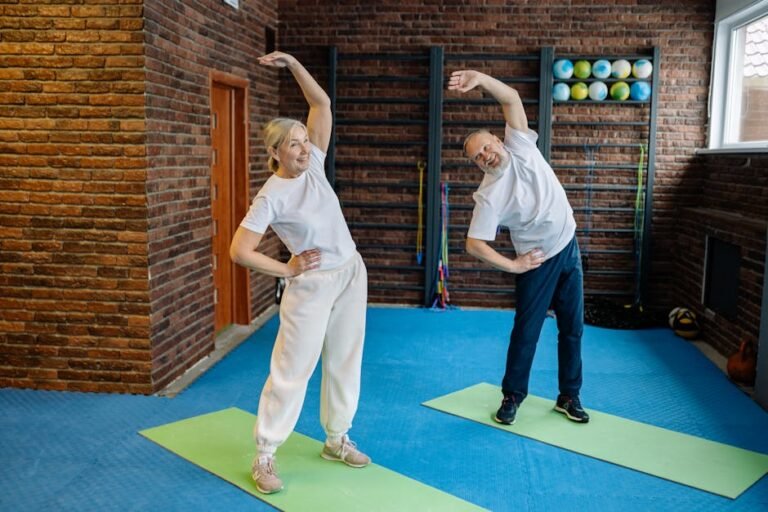
- Move your body gently every day. Aim for 20–30 minutes of movement most days — or break it into two shorter sessions if that feels more manageable. Good options for seniors include brisk walks, light gardening, chair exercises, gentle stretching, or water-based activities. If you have heart disease, arthritis, or balance concerns, talk with your doctor or a physiotherapist about a safe starting point.
- Protect your sleep. Try going to bed and waking at roughly the same times each day. Create a calming pre-sleep routine — dim lighting, a warm shower, soft music, or reading a book. Limit caffeine after midday and avoid heavy meals close to bedtime.
- Stay connected with people you care about. Regular contact with friends, family, or a faith community can ease stress and lift mood significantly. Even a weekly phone call with a friend or a short visit with a neighbour counts.
- Eat in a way that supports steady energy and mood. Focus on vegetables, fruit, whole grains, lean proteins, and heart-healthy fats like olive oil and oily fish. Limit heavily processed foods, excess salt, and added sugars. Sip water regularly throughout the day.
- Limit stimulants that can rattle your nerves. Reduce or avoid caffeine in the afternoons and evenings. If you smoke, speak with your doctor about support to quit. And if you notice that certain foods or drinks leave you feeling anxious or jittery, experiment with cutting back and notice whether you feel calmer.
- Find meaningful activity and purpose. Light volunteering, a creative hobby, or spending time in a garden can give you a sense of joy and purpose that acts as a genuine buffer against stress. These aren’t luxuries — they’re genuinely good for your heart.
- Start small and use reminders. Pick one stress-reducing habit — perhaps 5 minutes of deep breathing after breakfast — and do it consistently for a week before adding another. A phone alarm, a note on the fridge, or a friend checking in can all help keep you on track.
How to Work With Your Healthcare Team on Stress and Heart Health
Managing stress and heart circulation health doesn’t have to be something you figure out alone. Your doctor, nurse, or pharmacist can be genuinely helpful allies here — but only if they know what’s going on. Many older adults hesitate to bring up stress at medical appointments, worrying it sounds trivial compared to physical symptoms. In fact, it’s one of the most relevant things you can share.
Before starting a new exercise plan — especially if you have heart disease, high blood pressure, diabetes, or joint problems — check in with your doctor first. They can help you find a level of activity that’s both safe and effective for your specific situation. Likewise, if you’re planning to make dietary changes or try any new supplements, a quick conversation with your healthcare team ensures those choices work alongside any medications you’re already taking.
It’s also worth being prepared for unexpected moments. Keep an up-to-date list of your medications, known allergies, current health conditions, and emergency contacts somewhere easy to find. A medical alert bracelet or necklace is a wise safety measure for quick identification in an emergency. And if chest pain, new dizziness, fainting, or severe shortness of breath occurs at any point, don’t wait — seek urgent medical care immediately or call emergency services.
Building a Stress-Reduction Routine That Actually Lasts
One of the most common mistakes people make when trying to reduce stress is attempting to change everything at once. They vow to exercise every morning, meditate for 20 minutes, overhaul their diet, and get to bed an hour earlier — all starting Monday. By Wednesday, it’s fallen apart, and they feel worse for it. A far better approach is to choose one small, enjoyable change and do it consistently until it feels automatic. Then add another.
Think of it this way: five minutes of deep breathing after your morning tea is infinitely more valuable than a 30-minute meditation session you do once and abandon. A ten-minute walk around the block three times a week is far better for your heart than an ambitious plan that never happens. Sustainable wins over perfect, every time.
You might also find it helpful to involve someone else in your plan — a family member, a friend, or even a neighbour who would enjoy a daily walk with you. Social accountability is a surprisingly powerful motivator, and the social connection itself adds another layer of heart-health benefit. If anxiety or low mood feels like a significant barrier for you, don’t hesitate to mention it to your doctor; there’s real, effective help available, and addressing those underlying issues often makes every other healthy habit easier to maintain.
Your heart has carried you through decades of seasons — celebrations, challenges, losses, and joys. It deserves your care and attention, and it responds beautifully to even small kindnesses. With patience, consistency, and a little support, you really can nurture healthier circulation, clearer thinking, and a greater sense of wellbeing — one small step at a time.
The Bottom Line: Stress and senior heart health are closely linked — repeated stress responses can raise blood pressure, strain aging arteries, and disrupt the habits that keep circulation healthy. But the picture is far from hopeless. By learning to recognise stress symptoms, watching for warning signs that need medical attention, and building simple daily habits like gentle movement, deep breathing, quality sleep, and social connection, you can meaningfully support your heart and improve how you feel day to day. Start small, stay consistent, and don’t hesitate to bring your healthcare team along for the journey.
This is not medical advice. Consult your healthcare provider before starting any new health routine or using any product mentioned here.