When to See a Spine Specialist: A Senior’s Complete Checklist for Back and Neck Health
This post contains affiliate links. As an Amazon Associate, I earn from qualifying purchases at no extra cost to you.
Free resources — no credit card required for trial
🎧 Listen to health & wellness audiobooks free for 30 days
Start 30-Day Free Trial →
🛒 Recommended Products
As an Amazon Associate we earn from qualifying purchases at no extra cost to you.
TheraBand First Step to Active Health Kit — Senior Exercise Program for Balance and Fall P
$19.99
EZ Off Jar Opener for Seniors — Under Cabinet Jar Opener for Weak Hands and Arthritis
$9.99
Omron 5 Series Upper Arm Blood Pressure Monitor — 2-User 100-Reading Memory Wide-Range Cuf
$44.99
OMRON 7 Series Wireless Wrist Blood Pressure Monitor — Clinically Validated with Connect A
$69.99
Vitality 4 Life Senior Resistance Band with Instruction Guide — Specifically for Elderly F
$16.99
📚 Read unlimited health books free for 30 days
Try Kindle Unlimited Free →
Your spine does so much for you every single day — it helps you get out of bed in the morning, walk to the kitchen, sit comfortably at the table, and sleep soundly at night. But for many older adults, back or neck discomfort has a way of quietly creeping in and making those everyday moments harder than they need to be. The big question is: when is back or neck pain just a normal part of getting older, and when is it time to see a spine specialist? This practical checklist is designed specifically for seniors who want clear, trustworthy guidance — so you can make confident decisions about your spine health and keep living life on your own terms.
Why Spine Health Matters So Much as We Age
The spine is the central pillar of your body. It supports your posture, protects your spinal cord and nerves, and gives you the ability to move, twist, bend, and stand tall. As we get older, the discs between our vertebrae can lose some of their cushioning, the joints can become stiffer, and the muscles that support the back can weaken. This is all perfectly normal — but it does mean that seniors are more vulnerable to spine-related problems that can genuinely affect quality of life.
What’s important to understand is that not all back or neck pain is the same. Some discomfort after a long day, a new activity, or a bout of reduced movement is common and usually settles with rest and gentle care. But other types of pain — especially pain that is new, worsening, or paired with other symptoms — can signal something that needs professional evaluation. The good news is that spine specialists are trained to tell the difference, and early action can make a real difference in outcomes.
Staying proactive about spine health is one of the best things you can do for your independence and comfort. A spine specialist — which could be an orthopaedic doctor, a physiatrist (physical medicine specialist), or a neurosurgeon who focuses on spine care — can identify the root cause of your symptoms and guide you toward safe, effective treatment. You don’t have to just put up with pain.
Red Flags: When to Seek Urgent Spine Care Right Away
There are certain symptoms that should prompt you to call your doctor promptly or seek urgent care — don’t wait to see if these improve on their own. These are signs that something more serious may be going on with your spine or nervous system, and getting evaluated quickly can prevent the problem from getting worse.
Watch out for new or worsening back or neck pain that has lasted more than four to six weeks without improvement despite rest or simple home care. Pain that travels down your leg (often called sciatica) or down your arm, especially if it comes with numbness, tingling, or weakness, is another signal to take seriously. Trouble walking, frequent falls, or a noticeable change in your balance or coordination should also prompt a call to your healthcare provider sooner rather than later.
Some symptoms are true emergencies. New numbness or weakness around the buttocks or genitals, or any difficulty controlling your bladder or bowels, requires immediate medical attention — don’t wait for a regular appointment. Similarly, if you have fever alongside back or neck pain, unintended weight loss, or night sweats, these could indicate an infection or other serious underlying condition. If back pain appears together with chest pain or shortness of breath, please call emergency services straight away, as this combination can signal a heart or vascular emergency. And if you’ve had a fall or injury followed by increasing pain or new neurological symptoms — especially if you have osteoporosis — seek evaluation promptly.
Signs You Should Schedule a Spine Specialist Appointment Soon
Not every spine concern is an emergency, but there are plenty of situations that deserve professional attention within a reasonable timeframe — even if they don’t feel urgent. If your back or neck pain has been limiting your daily activities for several weeks, that’s a meaningful sign. By “limiting daily activities,” we mean things like getting in and out of bed, dressing yourself, cooking, walking around the house, or climbing stairs. Pain that consistently interferes with these basics is telling you something important.
Pain that regularly wakes you up at night is worth reporting to a doctor — nighttime pain can sometimes indicate a different type of spine problem than typical daytime activity-related discomfort. Similarly, if you’re noticing weakness, numbness, or tingling that makes it hard to stand up from a chair, step up onto a curb, or feel confident on your feet, don’t brush it off. These neurological symptoms deserve evaluation.
New stiffness, a noticeable change in your posture, or the feeling that you’ve gotten shorter can also signal a possible spine or bone issue such as a compression fracture — which is particularly common in older adults with osteoporosis and can sometimes happen without a dramatic injury. If something feels different or “off” about the way your spine feels or works, trust that instinct and speak with your doctor.
How to Prepare for Your Spine Specialist Appointment
A well-prepared appointment helps your specialist understand your situation quickly and get you onto the right track faster. One of the most helpful things you can do beforehand is keep a simple symptom log for a week or two. Write down your pain level on a scale of zero to ten, note what makes it better or worse, and pay attention to whether certain positions — like sitting, standing, or bending — change how you feel. This kind of information is genuinely valuable to a clinician.
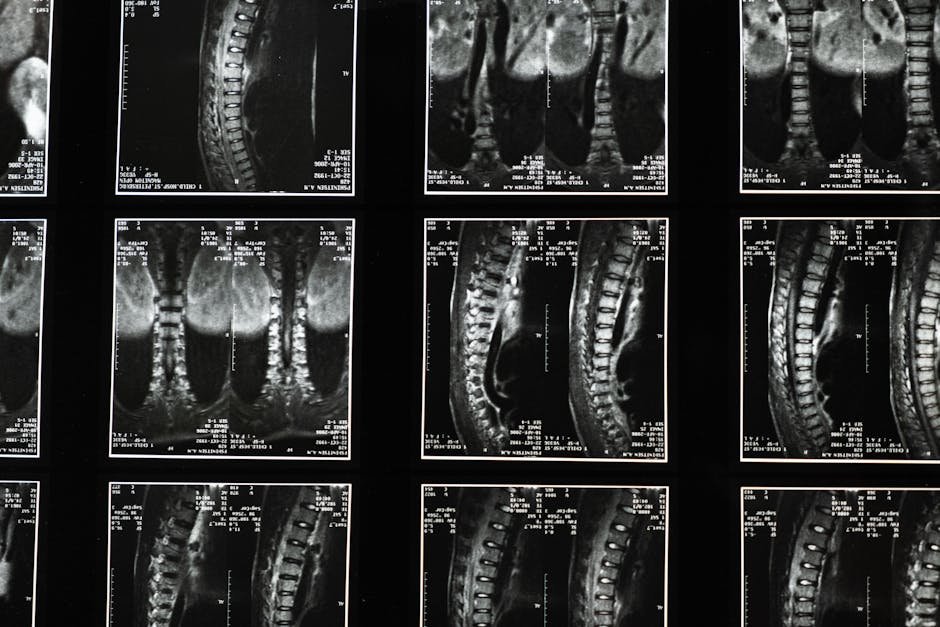
Make a written list of all the medications, vitamins, and supplements you take, including dosages. It’s also worth gathering any previous imaging you have — old X-rays, MRI scans, or CT scans — along with any notes or diagnoses from other doctors related to your spine. Bring these to your appointment, or ask your GP’s office to forward them ahead of time. If possible, bring a trusted family member or friend with you. A second set of ears can be incredibly helpful for remembering information and asking follow-up questions.
Come prepared with questions too. You might want to ask: What could be causing my symptoms given my age and health history? Do I need imaging, and if so, what kind? What are my treatment options, and can we start with conservative (non-surgical) approaches? If surgery is mentioned, what are the realistic benefits, risks, and recovery expectations? And importantly — what can I do at home to protect my spine and when should I call the office if something changes? Don’t feel shy about asking these questions. A good specialist will welcome them.
What You Can Do: Practical Tips to Protect Your Spine at Home
Between appointments — and as an ongoing part of senior self-care — there’s a great deal you can do to support your spine, reduce pain, and lower the risk of injury. Here are practical, everyday steps to build into your routine:
- Sit and stand with good posture. When seated, keep your feet flat on the floor, your back supported, and avoid slouching. A small lumbar support pillow can make a big difference — look for one designed for chair support.
- Lift safely. Bend at the hips and knees, keep items close to your body, and never twist while lifting. If something is heavy, ask for help — there is no shame in it.
- Take regular movement breaks. Change position every 30 to 60 minutes throughout the day. Short, gentle breaks from sitting or standing help prevent stiffness and reduce strain on the spine.
- Stay active with spine-friendly exercise. Aim for at least 150 minutes of moderate activity each week. Walking, swimming, and stationary cycling are excellent options. Talk to your doctor or a physical therapist about gentle core-strengthening exercises like pelvic tilts or bridges.
- Work on balance and fall prevention. Activities like tai chi or specific balance training can significantly reduce your risk of a fall — one of the most common causes of serious spine injury in seniors.
- Prioritise bone health. Ensure you’re getting enough calcium and vitamin D as recommended by your doctor. For many seniors, calcium of around 1200 mg per day and vitamin D of 800–1000 IU daily are common targets, but always follow your clinician’s specific guidance.
- Sleep with spine alignment in mind. A supportive mattress and pillow matter. Try sleeping on your back or side with a pillow between your knees to help keep your spine aligned overnight.
- Prevent falls at home. Remove loose rugs or secure them with non-slip backing. Install grab bars in the bathroom and handrails on both sides of stairways. Keep pathways well-lit and clutter-free. Wear non-slip footwear indoors.
- Use assistive devices confidently. If a cane or walker helps you move safely, use it without hesitation. These tools protect your spine by reducing your fall risk.
- Limit alcohol, avoid smoking, and maintain a healthy weight. Smoking weakens bones and worsens spine problems. Excess weight adds stress to spinal structures. These lifestyle factors genuinely matter for long-term spine health.
- Take medications as prescribed. Discuss pain management with your doctor, including the safe use of over-the-counter pain relievers. If you have osteoporosis, follow your prescribed plan to strengthen bones and prevent fractures.
- Keep a symptom log over time. Track how you feel after activities, therapies, or medication changes. This helps you and your healthcare provider monitor your progress and adjust your plan as needed.
Building an Ongoing Relationship with Your Spine Health Team
Spine health isn’t a one-time visit — it’s an ongoing conversation between you and your healthcare team. After your initial appointment, make sure you understand the follow-up plan. When should you come back? What symptoms should prompt you to call sooner? What are the goals of any treatment or therapy recommended? Having clear answers to these questions helps you feel in control rather than anxious.
If a spine specialist isn’t immediately available or you’re not sure where to start, your primary care doctor or a physical medicine and rehabilitation physician (physiatrist) is an excellent first contact. They can assess your symptoms, order initial imaging if needed, and refer you to the right specialist. Don’t feel like you need to figure it all out alone — the healthcare system is there to support you, and you deserve to navigate it with confidence.
It’s also worth remembering that seeking help is genuinely a sign of strength, not weakness. Many older adults downplay their symptoms out of a fear of being a burden or worry that nothing can be done. In reality, spine care has advanced enormously, and there are many safe, effective options — from physical therapy and targeted exercises to medications, injections, and minimally invasive procedures — that can significantly improve comfort and function. You owe it to yourself to find out what’s available.
The Bottom Line: Knowing when to see a spine specialist is one of the most empowering steps you can take for your long-term health and independence. By recognising the red flags that need urgent attention, noting the symptoms that deserve a timely appointment, preparing thoroughly for your visit, and putting practical spine-protective habits into your daily routine, you’re giving yourself the very best chance of staying active, comfortable, and in control. Your spine supports everything you do — give it the attention it deserves, and don’t hesitate to reach out for professional guidance when something doesn’t feel right. You don’t have to simply put up with pain.
This is not medical advice. Consult your healthcare provider before starting any new health routine or using any product mentioned here.