The Complete Senior Guide to Meditation and Mindfulness: Simple Steps to Calm, Clarity, and Better Sleep
This post contains affiliate links. As an Amazon Associate, I earn from qualifying purchases at no extra cost to you.
Free resources — no credit card required for trial
🎧 Listen to health & wellness audiobooks free for 30 days
Start 30-Day Free Trial →
🛒 Recommended Products
As an Amazon Associate we earn from qualifying purchases at no extra cost to you.
TheraBand First Step to Active Health Kit — Senior Exercise Program for Balance and Fall P
$19.99
EZ Off Jar Opener for Seniors — Under Cabinet Jar Opener for Weak Hands and Arthritis
$9.99
Omron 5 Series Upper Arm Blood Pressure Monitor — 2-User 100-Reading Memory Wide-Range Cuf
$44.99
OMRON 7 Series Wireless Wrist Blood Pressure Monitor — Clinically Validated with Connect A
$69.99
Vitality 4 Life Senior Resistance Band with Instruction Guide — Specifically for Elderly F
$16.99
📚 Read unlimited health books free for 30 days
Try Kindle Unlimited Free →
If the words “meditation and mindfulness” conjure up images of sitting cross-legged on the floor for hours in perfect silence, it’s time to let go of that idea entirely. For seniors, mindfulness is something far more gentle, practical, and genuinely life-changing — and you can start in just five minutes a day, right from your favourite chair. Whether you’re navigating sleep troubles, managing aches and pains, or simply looking for a little more calm in your daily life, meditation and mindfulness offer real, research-backed benefits that feel especially meaningful as we grow older. This guide is your warm, friendly companion to getting started — no experience necessary.
Why Meditation and Mindfulness Are Especially Powerful for Seniors
As we move through our later years, life brings its own unique set of joys and challenges — changes in health, shifting routines, quieter days, and sometimes a deeper desire for peace and meaning. This is exactly where a regular mindfulness practice can become one of your most treasured daily habits. The benefits aren’t just theoretical; they show up in real, everyday ways that make a genuine difference to how you feel.
Better sleep is one of the most commonly reported benefits. A calm, focused mind is far less likely to spin with racing thoughts the moment your head hits the pillow. Short, regular mindfulness sessions can help quiet that mental chatter and ease you into deeper, more restful sleep. For those living with anxiety or worry — something that often intensifies with age-related transitions — even a few minutes of mindful breathing can shift the nervous system into a calmer state.
For seniors managing chronic pain or fatigue, mindfulness offers a gentle but powerful tool. By bringing kind, curious attention to the body, you can actually change your relationship with discomfort — not eliminating it, but making it feel more manageable. Beyond pain, regular practice also supports mood, emotional resilience, focus, and memory. And perhaps most beautifully, mindful walking and gentle body awareness can help with balance and steadier movement, reducing the risk of trips and falls. It truly is a practice that looks after the whole person.
Four Beginner-Friendly Meditation Techniques for Seniors
The beauty of meditation and mindfulness is that there’s no single “right” way to do it. Below are four approachable techniques designed with seniors in mind — all done at your own pace, in your own space, with no special equipment required.
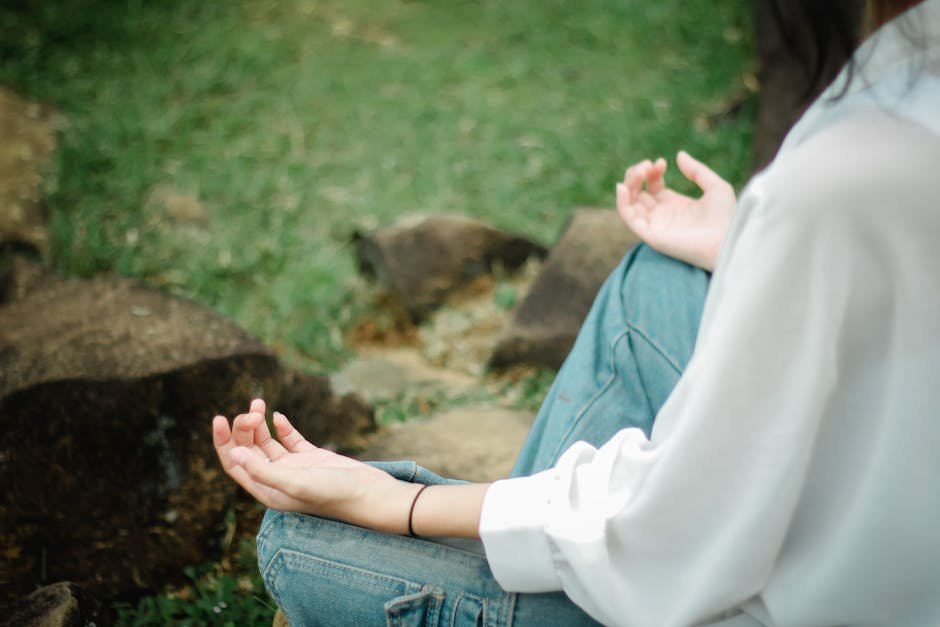
Gentle Breathing Awareness (5–7 minutes): Settle into a comfortable, supported chair and rest your hands in your lap. Softly close your eyes or let your gaze fall gently downward. Simply notice your breath — the feeling of air at your nostrils, or your chest and belly rising and falling. You don’t need to change your breathing; just observe it. When thoughts drift in (and they will — that’s completely normal!), gently guide your attention back to the breath without any self-criticism. End with one slow, deliberate breath before opening your eyes. This is the perfect starting point if you’ve never meditated before.
Body Scan to Release Tension (8–12 minutes): Sitting comfortably, slowly move your attention through your body from the top of your head down to your feet — forehead, jaw, neck, shoulders, arms, chest, abdomen, hips, legs, and feet. As you notice any tension or tightness, imagine breathing warmth directly into that area and letting the tension melt away on your exhale. This practice is wonderfully effective before bed or after a long day on your feet. Even a shorter version of 5 minutes can offer real relief.
Mindful Walking (5–10 minutes): Choose a safe, flat route — a hallway at home works perfectly. Walk slowly and deliberately, paying attention to the feeling of your feet on the floor, the shift of your weight, and the air on your skin. Coordinate your steps with your breath if it feels natural. This practice is a lovely addition after meals, supporting both digestion and a calmer mind. If you feel distracted, simply pause, take a couple of steady breaths, and carry on.
Loving-Kindness Practice (about 5 minutes): Sit quietly and silently offer yourself a gentle wish: “May I be safe. May I be peaceful. May I be well.” Then extend that same warm wish to someone you love, someone you feel neutral about, and even someone you find difficult. This practice nurtures compassion — for yourself and the people around you — and can be especially comforting on hard or lonely days. Finish by returning to your breath for a minute or two.
Safety First: What to Keep in Mind Before You Begin
Meditation and mindfulness are wonderfully safe for the vast majority of people, but it’s always wise to approach any new health routine thoughtfully — especially if you have existing health conditions. If you have serious heart concerns, severe dizziness, recent surgery, glaucoma, or chronic pain that tends to worsen with stillness, it’s worth having a quick conversation with your healthcare provider before starting a practice. In most cases they’ll give you the green light, but it’s always good to check in.
If balance is something you’re working with, stick to seated meditation rather than standing or walking practices until you feel confident. Sit near a sturdy wall or keep a solid chair within reach. Should you ever feel lightheaded, short of breath, or uncomfortable during practice, simply stop, sit quietly, and breathe slowly until you feel steady again. There’s never any rush — your comfort and safety always come first.
A few practical environment tips worth remembering: wear non-slip shoes or slippers if you’re moving around, ensure your space is well-lit, and keep a glass of water nearby, especially if you take medications that can cause drowsiness or dizziness. If you live with a caregiver, partner, or family member, loop them in on your new routine. Their encouragement can make a real difference, and they can be there to support you if needed. Meditation is even more enjoyable when it becomes a shared part of your household rhythm.
What You Can Do: Practical Tips for Building a Consistent Mindfulness Habit
Starting is the hardest part — but keeping going is where the real magic happens. Building mindfulness into your daily routine doesn’t require willpower or a perfectly clear schedule. It just requires a little structure, a lot of self-compassion, and the knowledge that every single minute of practice counts.
- Start very small: Aim for just 3–5 minutes a day to begin with. You can gradually build to 10 minutes or more as it feels comfortable and enjoyable.
- Choose a regular time: After waking up, after lunch, or before bed all work beautifully. A consistent time helps your mind recognise when it’s time to settle and soften.
- Create a welcoming space: A comfortable chair, a cosy blanket, and a calm view can transform a corner of your home into a little sanctuary for your practice.
- Set a gentle reminder: A soft alarm on your phone, a sticky note on the kettle, or a note on your bathroom mirror can nudge you kindly when life gets busy.
- Keep a simple journal: Jotting down a sentence or two about how your practice felt — or simply ticking a box on a habit tracker — builds a sense of progress and pride.
- Be kind to yourself on off days: There will be days when focus wavers or life gets in the way. That’s completely normal. Simply acknowledge it without judgment, and begin again tomorrow. There are no “failed” meditation sessions.
- Keep it simple: You truly don’t need any special tools or apps to meditate. Your breath, your body, and your gentle attention are entirely enough.
Weaving Mindfulness Into Everyday Senior Life
One of the most liberating things to know about mindfulness is that it doesn’t have to happen only during a dedicated sit-down session. Some of the most meaningful moments of mindful awareness can happen right in the middle of your ordinary day — no timer required. The goal is simply to bring a little more presence and kindness into whatever you’re already doing.
Try eating your meals more mindfully — slow down, notice the colours and textures on your plate, savour each bite, and pause between mouthfuls. You might be surprised how satisfying food becomes when you’re truly paying attention to it. Mindful listening is another powerful practice: the next time you’re in conversation with a friend, family member, or caregiver, give them your full, unhurried attention. Listen with curiosity rather than waiting for your turn to speak. It deepens connection in a genuinely beautiful way.
You can also pair mindfulness with daily tasks you already do. Brushing your teeth, folding laundry, washing dishes — any of these can become a gentle meditation if you simply bring your full attention to the sensations involved. How does the warm water feel on your hands? What does the fabric feel like as you fold it? These small moments of awareness add up to a meaningful sense of calm and grounded presence throughout the day. Think of them as “micro-meditations” — bite-sized doses of mindfulness that are easy to fit into any schedule.
Getting Started This Week: Your Simple First Steps
If you’re feeling a little unsure about where to begin, here’s a friendly suggestion: try just one technique for the next seven days. The gentle breathing awareness practice is an ideal starting point — it takes only five to seven minutes, requires nothing but a comfortable chair, and is suitable for almost everyone. Do it at the same time each morning or evening and notice, without judgment, how you feel before and after.
After a week or two, you might find that you naturally want to add a short body scan or a loving-kindness practice. Let your instincts guide you. Meditation and mindfulness are not about achieving anything or reaching a particular destination. They’re about showing up for yourself, with warmth and patience, one breath at a time. The benefits — better sleep, a steadier mood, improved focus, and a quieter, more peaceful mind — tend to unfold gently over time, often surprising you with just how much difference a few minutes each day can make.
And if ever you feel uncertain, overwhelmed, or want a little extra support, don’t hesitate to reach out to a trusted friend, family member, caregiver, or your healthcare provider. You’re not on this journey alone, and there is no shortage of people who would love to support you in finding a little more ease and joy in your daily life.
The Bottom Line: Meditation and mindfulness for seniors isn’t about achieving perfect stillness or clearing your mind completely — it’s about showing up for yourself with kindness, one gentle breath at a time. Whether you spend five minutes focusing on your breathing, take a slow mindful walk down the hallway, or simply pause to really taste your morning cup of tea, each small moment of awareness is a genuine act of self-care. The benefits — from better sleep and reduced anxiety to steadier movement and a warmer sense of connection — build quietly and consistently over time. Start small, be patient with yourself, and trust that your practice, however modest it may seem, is already doing you good.
This is not medical advice. Consult your healthcare provider before starting any new health routine or using any product mentioned here.