Arthritis Types Explained Simply: What Every Senior Needs to Know About Joint Health
This post contains affiliate links. As an Amazon Associate, I earn from qualifying purchases at no extra cost to you.
Free resources — no credit card required for trial
🎧 Listen to health & wellness audiobooks free for 30 days
Start 30-Day Free Trial →
🛒 Recommended Products
As an Amazon Associate we earn from qualifying purchases at no extra cost to you.
TheraBand First Step to Active Health Kit — Senior Exercise Program for Balance and Fall P
$19.99
EZ Off Jar Opener for Seniors — Under Cabinet Jar Opener for Weak Hands and Arthritis
$9.99
Omron 5 Series Upper Arm Blood Pressure Monitor — 2-User 100-Reading Memory Wide-Range Cuf
$44.99
OMRON 7 Series Wireless Wrist Blood Pressure Monitor — Clinically Validated with Connect A
$69.99
Vitality 4 Life Senior Resistance Band with Instruction Guide — Specifically for Elderly F
$16.99
📚 Read unlimited health books free for 30 days
Try Kindle Unlimited Free →
If your knees ache after a walk, your hands feel stiff first thing in the morning, or your joints seem to have developed a mind of their own, you are far from alone. Arthritis affects millions of adults — and for many seniors, it quietly shapes the way they move, sleep, and enjoy everyday life. But here is something worth knowing right away: understanding the differences between arthritis types is one of the most empowering things you can do for your joint health. When you know what is actually happening inside your joints, you can take smarter, gentler steps to feel better — and that is exactly what this guide is here to help you do.
Why Understanding Arthritis Types Matters for Your Joint Health
Arthritis is not a single condition. It is actually an umbrella term covering more than 100 different joint-related problems — though a handful of types are by far the most common among older adults. Each type has its own causes, its own patterns of pain, and its own best approach to management. Lumping them all together can lead to confusion, the wrong self-care choices, or simply feeling overwhelmed without knowing where to start.
The three arthritis types you are most likely to encounter — or to be living with right now — are osteoarthritis, rheumatoid arthritis, and gout. They look different, feel different, and respond to different strategies. Once you can tell them apart, you are in a much better position to work with your healthcare team, ask the right questions, and make daily choices that genuinely protect your joints rather than accidentally making things worse.
Think of this guide as a friendly, plain-language map. No complicated medical jargon, no alarming statistics — just clear, practical information to help you feel steadier, stronger, and more in control of your own comfort and mobility.
Osteoarthritis: The Wear-and-Tear Arthritis Type Most Seniors Know
Osteoarthritis, often called OA, is the most common arthritis type among people over 60. It happens when the protective cartilage inside your joints — think of it as a natural shock absorber — gradually wears down over time. When that cushioning thins or disappears, bone starts to rub against bone, and that is where the pain and stiffness come from.
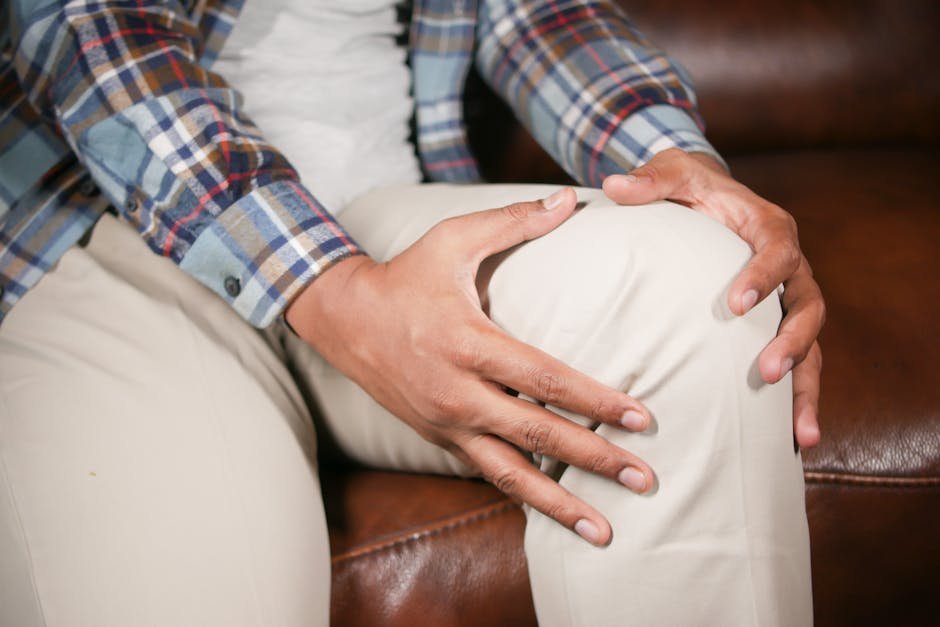
OA tends to show up most in the joints that work the hardest: your knees, hips, spine, and the small joints of your hands. If you notice pain that gets worse during or after activity but eases when you rest, stiffness that lingers for a short time after you get up from a chair or bed, or a grating, creaky sensation when you bend a joint, those are classic signs of OA. You might also find that bending your knee fully, reaching overhead, or stepping up a kerb becomes harder than it used to be.
Factors that raise the risk of OA include age, previous joint injuries, carrying extra weight, years of repetitive joint use, and family history. The encouraging news is that while OA cannot be reversed, its symptoms can absolutely be managed. Gentle, regular movement, maintaining a healthy weight, and protecting your joints during daily tasks can all make a meaningful difference to how you feel day to day.
Rheumatoid Arthritis and Gout: Two Very Different Arthritis Types
Rheumatoid arthritis — RA for short — is a very different animal from OA. It is an autoimmune condition, which means the body’s own defence system mistakenly attacks the lining of the joints, causing inflammation. Over time, if left untreated, that inflammation can damage the joint itself. Unlike OA, RA is not about wear and tear; it is about an immune system that has gone a little off-course.
RA often starts in the smaller joints — your hands and wrists are typical early targets — and it usually affects both sides of the body at the same time (so both hands rather than just one). The hallmark feeling is prolonged morning stiffness that lasts 30 minutes or more but actually improves once you get moving. Joints may look puffy or swollen, feel warm to the touch, and you might notice a general tiredness or sense of being unwell alongside the joint symptoms. RA can begin at any age in adulthood, though it most commonly starts between ages 30 and 60, and it is more common in women.
Gout is something else entirely. It is caused by high levels of uric acid in the blood, which can form sharp crystals that settle in a joint and trigger sudden, intense pain — often at night, often without much warning. The big toe is the classic gout target, but it can also strike ankles, knees, wrists, and fingers. The pain during a gout flare is frequently described as severe burning or stabbing, and the joint may look red, swollen, and shiny. Gout attacks can come and go, with symptom-free periods in between. Diet, hydration, certain medications, and genetics all play a role in gout risk — and importantly, it is one of the most treatable arthritis types when properly managed.
Recognising Symptoms and Knowing When to See a Doctor
One of the most important things you can do for your joint health is to trust your instincts. If something in your body feels off — a joint suddenly swells, becomes hot and intensely painful, or you develop a fever alongside joint symptoms — do not wait. Seek medical care promptly. These can be signs of a serious flare or infection that needs attention right away.
Outside of emergencies, it is worth booking in with your doctor if joint stiffness or pain persists for more than a few weeks, if swelling or warmth in a joint lasts several days, or if you notice fatigue, unexplained weight loss, or just a general sense of being unwell alongside your joint symptoms. New numbness, weakness, difficulty gripping, or trouble walking are also important signs to get checked out sooner rather than later.
A healthcare professional — whether your GP, a rheumatologist, or a physiotherapist — can work out which arthritis type you have, assess how it is affecting your joints and daily life, and put together a plan tailored to you. You do not have to guess, and you do not have to manage this alone. Getting a clear diagnosis is genuinely the first step toward feeling better.
What You Can Do: Practical Tips for Managing Arthritis Types at Home
Managing arthritis well is not about drastic overhauls or pushing through pain. It is about small, steady, sensible steps that add up over time. Here are gentle, practical actions you can weave into your everyday routine to protect your joints and support your comfort and mobility.
- Move regularly, but smartly. Short, gentle sessions most days beat long, occasional workouts. Try walking, swimming, water aerobics, stationary cycling, tai chi, or chair-based exercises — all are kind to joints while keeping you active.
- Include range-of-motion exercises. Daily gentle stretches for your hands, wrists, ankles, and shoulders help maintain flexibility and reduce stiffness.
- Build muscle strength gently. Resistance bands or light weights two to three times a week strengthen the muscles around joints, giving them better support and reducing pain over time.
- Protect your joints during daily tasks. Use larger, stronger joints when lifting or carrying. Avoid repetitive pinching or twisting of the fingers. Break big tasks into smaller steps and take rest breaks.
- Use helpful tools and assistive devices. A cane or walking frame for balance, a jar opener, a reaching tool, or a dressing stick are not signs of giving up — they are smart joint protection.
- Wear supportive, comfortable shoes. Good cushioning and grip underfoot reduce the load on your knees, hips, and spine with every step you take.
- Mind your weight. Even modest weight loss can significantly reduce the load on knees, hips, and the spine. Talk with your doctor about a safe, sustainable approach if this is relevant for you.
- Eat for joint health. Fill your plate with fruits, vegetables, whole grains, lean proteins, and healthy fats like olive oil and oily fish. For gout specifically, limit red meat, organ meats, shellfish, and alcohol, and drink plenty of water daily.
- Use heat and cold wisely. A warm shower or heating pad before activity can ease stiffness. A cold pack applied for 10–15 minutes (always with a cloth between it and your skin) can reduce swelling and pain during a flare.
- Prioritise sleep. A supportive mattress and a comfortable pillow arrangement can meaningfully reduce morning stiffness and help you start each day with less pain.
- Support your bone health too. Make sure you are getting enough calcium and vitamin D — from food or supplements if your doctor recommends them — and include regular light weight-bearing activity like walking.
- Keep a symptom diary. Jot down which joints hurt, what you were doing, how long the stiffness lasted, and any changes you notice. This simple habit gives your healthcare team the information they need to fine-tune your treatment plan.
Working With Your Healthcare Team and Staying Safe With Medications
Self-care is powerful, but it works best as a partnership with your healthcare team, not a replacement for it. A physiotherapist can design a movement programme that is safe and effective for your specific arthritis type and fitness level. An occupational therapist can help you adapt your home and daily routines to protect your joints. A nutritionist can guide you on dietary changes, particularly if gout is part of the picture. Do not hesitate to ask your doctor about all of these options — a tailored, team-based plan genuinely makes a bigger difference than going it alone.
When it comes to medication, safety is paramount. For osteoarthritis pain, paracetamol (acetaminophen) can be gentle and effective when used within recommended limits. Anti-inflammatory medicines like ibuprofen or naproxen can also help, but they carry risks — particularly for those with heart, kidney, or stomach conditions. Topical versions in gel or cream form may be easier on the stomach and worth discussing with your pharmacist. For gout, your doctor may prescribe medicines to lower uric acid levels and prevent future attacks — take them exactly as directed and report any side effects promptly.
One practical step that is easy to overlook: if you are taking multiple medications, ask your pharmacist to review them together. Drug interactions are more common than many people realise, and your pharmacist is an expert at spotting them. And always, always check with your healthcare provider before starting or stopping any medication, including supplements — even the ones labelled “natural.”
Finally, remember that living with arthritis is not a fixed sentence. Many seniors with all three of these arthritis types find real improvements in comfort, mobility, and independence through consistent, gentle effort. Celebrate every small win — getting out of a chair more easily, walking a little further, or simply enjoying a pain-lighter day. Each of those moments matters, and each one is progress worth acknowledging.
The Bottom Line: Understanding the differences between arthritis types — osteoarthritis, rheumatoid arthritis, and gout — puts you firmly in the driver’s seat of your own joint health. Each type has its own patterns and its own best strategies, but all three respond well to gentle movement, smart joint protection, healthy daily habits, and good medical support. You do not have to feel overwhelmed or powerless. With the right information, a few practical changes at home, and a supportive healthcare team in your corner, it is entirely possible to protect your joints, manage pain, and keep enjoying the activities and people that matter most to you. Start with one small step today — your joints will thank you for it.
This is not medical advice. Consult your healthcare provider before starting any new health routine or using any product mentioned here.