Daily Habits That Prevent Tooth Decay: A Senior’s Guide to a Healthier, Happier Smile
This post contains affiliate links. As an Amazon Associate, I earn from qualifying purchases at no extra cost to you.
Free resources — no credit card required for trial
🎧 Listen to health & wellness audiobooks free for 30 days
Start 30-Day Free Trial →
🛒 Recommended Products
As an Amazon Associate we earn from qualifying purchases at no extra cost to you.
TheraBand First Step to Active Health Kit — Senior Exercise Program for Balance and Fall P
$19.99
EZ Off Jar Opener for Seniors — Under Cabinet Jar Opener for Weak Hands and Arthritis
$9.99
Omron 5 Series Upper Arm Blood Pressure Monitor — 2-User 100-Reading Memory Wide-Range Cuf
$44.99
OMRON 7 Series Wireless Wrist Blood Pressure Monitor — Clinically Validated with Connect A
$69.99
Vitality 4 Life Senior Resistance Band with Instruction Guide — Specifically for Elderly F
$16.99
📚 Read unlimited health books free for 30 days
Try Kindle Unlimited Free →
Your smile is one of your greatest assets — and taking care of it doesn’t have to be complicated. For seniors especially, the daily habits that prevent tooth decay can make an enormous difference, not just for your teeth, but for your confidence, your nutrition, and your overall wellbeing. The good news? You don’t need a complicated routine or expensive products. With a few consistent, gentle steps woven into your everyday life, you can protect your teeth and gums for years to come — even if you’re managing dry mouth, arthritis, or a handful of medications.
Why Preventing Tooth Decay Matters More As You Age
As we get older, our mouths go through some real changes. Medications — and most seniors take at least one or two — can dry out your mouth. Your gums may recede slightly over time, exposing more of the tooth surface to bacteria. Changes in diet, nutrition, and even dexterity can make it harder to keep up with thorough cleaning. All of these factors raise your risk of tooth decay, even if you’ve had great teeth your whole life.
But here’s the thing: tooth decay isn’t just a dental inconvenience. When decay goes untreated, it can make chewing painful, affect how well you absorb nutrition, impact your speech, and even knock your confidence in social situations. Your oral health is genuinely connected to your overall health — and that makes daily prevention worth every minute you invest in it.
The goal isn’t perfection. It’s consistency. A simple, manageable routine done every day will protect your teeth far better than an occasional deep clean. Think of it as a small, steady gift you give yourself — one that pays off in comfort, confidence, and independence.
Brushing Right: The Foundation of Preventing Tooth Decay
Brushing is the cornerstone of any good oral care routine, and a few simple adjustments can make it much more effective. Always use a fluoride toothpaste — fluoride helps harden tooth enamel and actively slows the progression of decay. A pea-sized amount is all you need. Brush twice a day, ideally once in the morning and once before bed, aiming for about two minutes each session. If counting feels tedious, try humming a short song in your head or setting a gentle timer on your phone.
The brush itself matters too. Choose a soft-bristled toothbrush — hard bristles can actually irritate your gums and wear down enamel over time. If gripping a standard brush is tricky due to arthritis or limited hand strength, look for brushes with larger, cushioned handles, or consider switching to an electric toothbrush. Electric models do a lot of the work for you and can be especially helpful if you find circular scrubbing motions difficult.
Make sure you’re covering all surfaces — the outer faces of your teeth, the inner sides, and the chewing surfaces. And don’t skip your tongue and the roof of your mouth. A quick brush over these areas removes bacteria and freshens breath noticeably. Use gentle, small circular motions rather than hard back-and-forth scrubbing. If your gums bleed when you brush, don’t ignore it — mention it to your dentist, as it can be an early sign of gum irritation or gum disease that’s worth addressing sooner rather than later.
Finally, swap out your toothbrush every three to four months, or sooner if the bristles start looking frayed. Worn bristles just don’t clean as effectively, and a fresh brush makes a bigger difference than you might expect. If you wear dentures, clean them daily as directed and use a soft brush on your gums and tongue to keep things comfortable and plaque-free.
Flossing and Cleaning Between Teeth: Don’t Skip the Gaps
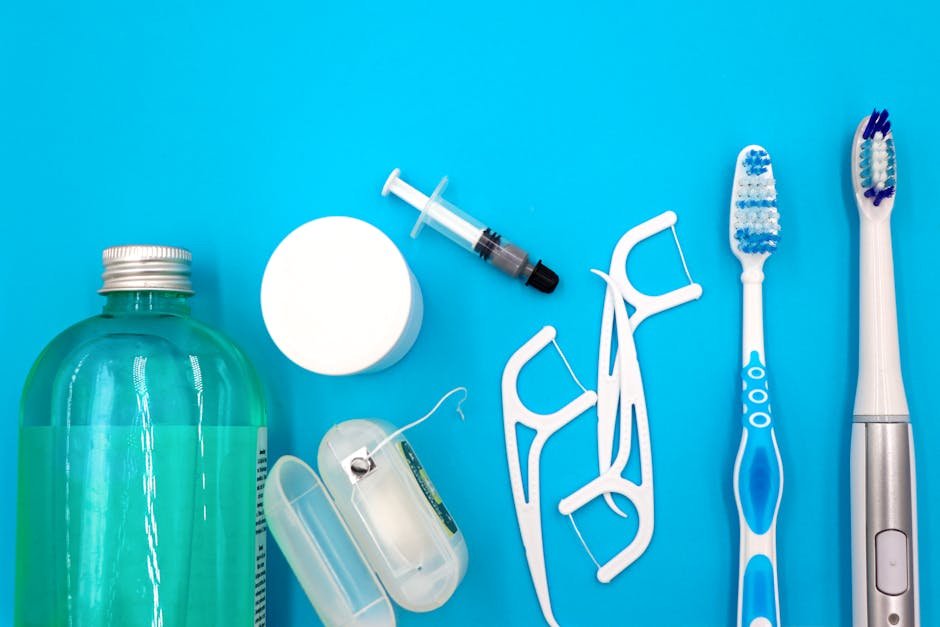
Your toothbrush, no matter how good, simply cannot reach the spaces between your teeth. That’s where plaque hides and where decay often starts — so daily cleaning between your teeth is non-negotiable for anyone serious about preventing tooth decay. Traditional floss works brilliantly when used correctly, but it’s not the only option, and it certainly doesn’t have to be a struggle.
If winding floss around your fingers is painful or awkward, try floss picks — small plastic tools with a short stretch of floss ready to go. Interdental brushes (tiny brushes designed to fit between teeth) are another excellent alternative, available in different sizes for different gaps. These can be particularly effective if you have bridges, implants, or wider spaces between teeth. Ask your dental hygienist to recommend the right size for you and to show you how to use them comfortably — a quick in-chair demonstration can transform your technique and your confidence.
Flossing before bed is ideal, so you’re going to sleep with cleaner teeth rather than letting food particles sit overnight. If you’re unsure whether you’re doing it right, or if dental work has made cleaning between teeth more complicated, bring it up at your next appointment. Your dental team genuinely wants to help you find what works best for your particular mouth.
Diet Tips That Support Healthy Teeth and Reduce Decay Risk
What you eat and drink has a direct impact on tooth decay, and the good news is that small, manageable changes to your diet can make a real difference. The bacteria in your mouth feed on sugar and produce acid that eats away at enamel — so limiting added sugars is one of the most effective things you can do. Sweets, pastries, sticky candies, and sugary snacks tend to cling to teeth and keep that acid bath going longer than a quick treat might suggest. Enjoying something sweet is absolutely fine — just try to have it with a meal rather than grazing on it slowly throughout the day.
When you’re looking for snacks, reach for tooth-friendly options. Fresh vegetables, fruit, cheese, yogurt, and nuts are all great choices that support your nutrition without feeding decay-causing bacteria. Cheese in particular is worth a mention — it’s calcium-rich and can actually help neutralise acid in your mouth.
Be mindful of acidic drinks like fruit juice, soda, and energy drinks. These can temporarily soften enamel, making it more vulnerable. Try to have them with meals rather than sipping them all day, and rinse your mouth with plain water afterwards. Speaking of water — sipping it regularly between meals is one of the simplest and most effective things you can do for your oral health. It rinses away food particles and bacteria and helps keep saliva flowing, which is your mouth’s own natural defence system.
Foods rich in calcium and vitamin D — fortified dairy or non-dairy alternatives, leafy greens, and small portions of fish — support bone and tooth strength from the inside out. If you drink alcohol or use tobacco, it’s worth knowing that both can significantly affect your mouth’s health, and reducing or stopping these habits benefits your teeth and gums over time.
Tackling Dry Mouth: Keeping Saliva Working for You
Saliva might not be something you think about often, but it’s genuinely one of your mouth’s best defences against tooth decay. It neutralises acids, washes away food particles, and delivers minerals that help repair early damage to enamel. Unfortunately, many seniors experience dry mouth as a side effect of common medications — antihistamines, blood pressure medications, antidepressants, and others can all reduce saliva flow. When saliva dries up, decay risk goes up.
The simplest fix is to sip water consistently throughout the day. Keep a water bottle nearby as a gentle reminder, especially if you tend to forget. Chewing sugar-free gum or sucking on sugar-free sweets (genuinely sugar-free, not just “reduced sugar”) can also stimulate saliva production between meals. If your bedroom air is dry, a humidifier can help prevent that parched-mouth feeling you might wake up with.
If dry mouth is a persistent issue for you, it’s absolutely worth raising with your dentist. They can suggest saliva substitutes, alcohol-free mouth rinses, or fluoride rinses that offer extra protection to teeth that aren’t getting the full benefit of natural saliva. Don’t be shy about bringing up your medication list either — your dentist can factor that into your care plan and work alongside your doctor if adjustments are possible.
What You Can Do: Practical Daily Habits to Prevent Tooth Decay
Building a routine that works for your lifestyle is the real key to long-term oral health. Here’s a clear, practical breakdown of habits you can start right now:
- Brush twice a day with fluoride toothpaste for a full two minutes each time — morning and before bed.
- Use a soft-bristled brush with a comfortable grip. Consider an electric toothbrush if manual brushing is difficult.
- Floss or use interdental brushes daily, ideally before you go to sleep, to remove plaque from between teeth.
- Sip water throughout the day to support saliva production and rinse away food particles and bacteria.
- Choose tooth-friendly snacks like vegetables, cheese, yogurt, and nuts rather than sugary or sticky options.
- Limit sugary and acidic drinks — have them with meals, not throughout the day, and rinse with water afterwards.
- Manage dry mouth by staying hydrated, using sugar-free gum, and talking to your dentist about protective rinses or saliva substitutes.
- Keep dental appointments every six months (or as often as your dentist recommends) for professional cleanings and early detection.
- Bring a medication list to every dental visit so your dentist can factor in any dry mouth or interaction risks.
- Replace your toothbrush every 3–4 months, or when bristles become frayed.
- If you wear dentures, clean them daily with a denture brush and soak them as directed — and continue brushing your gums and tongue gently.
- If arthritis makes brushing hard, try a brush with a larger handle or wrap the handle with a rubber band or foam grip for easier holding.
- Set gentle daily reminders — a posted checklist in the bathroom or a phone alarm can make all the difference in keeping the routine going.
Don’t feel you need to overhaul everything at once. Pick two or three of these habits to start with, get comfortable, then add the next one. Small, steady steps are what create lasting change.
Regular Dental Visits: Your Partnership in Prevention
Home care is essential, but it works best alongside regular professional support. Most adults do well with a check-up and clean every six months, though your dentist may suggest more or less frequent visits based on your individual needs and risk level. These appointments aren’t just about cleaning — they’re an opportunity to catch early signs of decay, gum disease, or changes in your dentures before they become bigger problems.
Come prepared to your appointments. Bring a current list of all your medications and supplements, including any over-the-counter ones, since many of these can affect your oral health or interact with dental treatments. And don’t hold back with your concerns — mention any new sensitivity, bleeding gums, changes in taste, or discomfort with dentures. Your dentist would much rather hear about something early than deal with a more complicated issue later.
Ask about preventive treatments too. Fluoride varnish applied during a dental visit can provide extra protection for teeth at higher risk of decay. If cost or transport to dental appointments is a barrier, it’s worth asking the practice about senior discounts, payment plans, or community programmes in your area. Some dental schools offer supervised, lower-cost care, and mobile dentistry services are growing in many regions for people with mobility challenges.
The Bottom Line: Preventing tooth decay as a senior comes down to a handful of simple, consistent habits — brushing twice daily with fluoride toothpaste, cleaning between your teeth, eating mindfully, staying hydrated, managing dry mouth, and keeping up with regular dental visits. None of these steps requires huge effort or expense, but together they make a remarkable difference to your oral health, your nutrition, your confidence, and your quality of life. Start where you are, make one small improvement at a time, and know that every step you take is a genuine investment in your comfort, independence, and wellbeing. Your smile is worth it.
This is not medical advice. Consult your healthcare provider before starting any new health routine or using any product mentioned here.