Sensitive Teeth in Seniors: Practical Tips for a Comfortable, Confident Smile
This post contains affiliate links. As an Amazon Associate, I earn from qualifying purchases at no extra cost to you.
Free resources — no credit card required for trial
🎧 Listen to health & wellness audiobooks free for 30 days
Start 30-Day Free Trial →
🛒 Recommended Products
As an Amazon Associate we earn from qualifying purchases at no extra cost to you.
TheraBand First Step to Active Health Kit — Senior Exercise Program for Balance and Fall P
$19.99
EZ Off Jar Opener for Seniors — Under Cabinet Jar Opener for Weak Hands and Arthritis
$9.99
Omron 5 Series Upper Arm Blood Pressure Monitor — 2-User 100-Reading Memory Wide-Range Cuf
$44.99
OMRON 7 Series Wireless Wrist Blood Pressure Monitor — Clinically Validated with Connect A
$69.99
Vitality 4 Life Senior Resistance Band with Instruction Guide — Specifically for Elderly F
$16.99
📚 Read unlimited health books free for 30 days
Try Kindle Unlimited Free →
If sipping a hot cup of tea or biting into something cold sends a sharp twinge through your teeth, you’re in very good company. Sensitive teeth in seniors are incredibly common — and the discomfort can quietly chip away at the joy of everyday eating, drinking, and even smiling. The encouraging news? You don’t have to just put up with it. With the right products, a few gentle habits, and a little know-how, managing tooth sensitivity is absolutely within reach. Whether you’ve dealt with this for years or it’s crept up on you recently, this guide is here to help you feel more comfortable and confident every single day.
Why Do Seniors Experience Tooth Sensitivity? Understanding the Causes
Tooth sensitivity doesn’t just appear out of nowhere — there are real, understandable reasons why it becomes more common as we get older. As we age, our mouths go through natural changes that can leave teeth feeling more tender and reactive. Understanding what’s going on is the first step toward doing something about it.
One of the most common culprits is gum recession. Over time, gums can slowly pull back from the teeth, exposing the roots underneath. Unlike the crown of a tooth, which is protected by a hard layer of enamel, roots have no such shield. When exposed, they can react strongly to temperature changes and even gentle brushing. Similarly, enamel wear — caused by years of grinding, aggressive brushing, or frequent consumption of acidic foods and drinks — can thin out that protective outer layer, leaving the more sensitive inner layer (called dentin) vulnerable.
Medications are another factor that’s often overlooked. Many common medicines taken by older adults — for blood pressure, allergies, depression, and other conditions — list dry mouth as a side effect. Saliva is actually a natural defence for your teeth; it helps neutralise acids and wash away bacteria. When saliva production drops, teeth become more susceptible to sensitivity and decay. Dental work like new fillings, crowns, or whitening treatments can also cause temporary sensitivity, as can conditions like cavities or gum disease. Knowing the cause helps you and your dentist find the right approach.
Building a Gentle Daily Oral Care Routine for Sensitive Teeth
The good news about sensitive teeth is that a consistent, thoughtful daily routine can make a remarkable difference. It doesn’t need to be complicated — in fact, simplicity is your best friend here. A steady, gentle approach morning and evening is far more effective than sporadic, intense cleaning sessions.
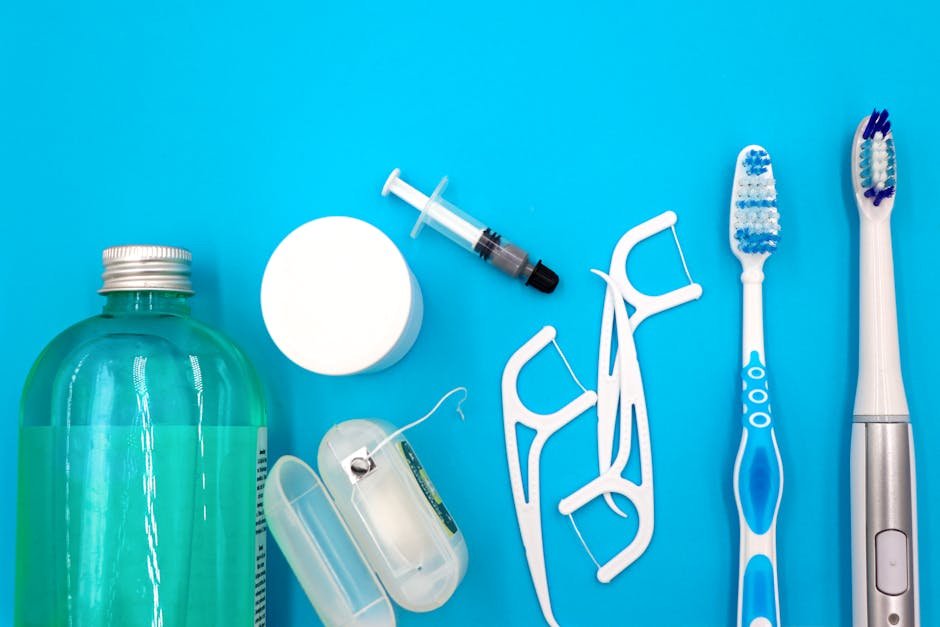
In the morning, start by brushing with a soft-bristled toothbrush and a toothpaste specifically formulated for sensitive teeth. Use gentle, small circular motions for about two minutes, paying attention to the gumline without scrubbing into it. Aggressive brushing is one of the most common ways people accidentally make sensitivity worse, so a lighter touch really pays off. After brushing, floss between your teeth — if traditional flossing is tricky due to dexterity issues, floss picks, floss holders, or a water flosser can be wonderful alternatives.
In the evening, repeat the process. If your dentist has recommended a fluoride rinse, use it gently and avoid eating or drinking straight afterwards unless the product instructions say otherwise. If alcohol-based mouthwashes sting or dry out your mouth, switch to an alcohol-free formula — there are many excellent options designed specifically for dry mouth and sensitivity. A consistent routine like this, done calmly and gently each day, builds real protection over time and can noticeably reduce discomfort within a few weeks.
During the day, a simple but effective habit is rinsing your mouth with plain water after meals, especially if you’ve had anything acidic or sugary. This helps protect enamel without the abrasion of brushing immediately after eating.
Choosing the Right Products for Sensitive Teeth in Seniors
Walking down the oral care aisle can feel overwhelming, but once you know what to look for, the choices get much simpler. The right products can genuinely transform your daily experience and reduce sensitivity over time.
The cornerstone of your routine should be a desensitising toothpaste. Look for formulas that contain potassium nitrate or similar active ingredients — these work by calming the nerve signals inside the teeth. It usually takes a few weeks of consistent use to notice the full benefit, so don’t give up if you don’t feel instant relief. Use it every time you brush and ask your dentist which brand they’d recommend for your specific situation.
Your choice of toothbrush matters just as much. A soft-bristled brush — whether manual or electric — is essential. If you use an electric toothbrush, choose one with a gentle or sensitive setting and a smaller brush head for better control around the gumline. For those who find gripping a toothbrush handle challenging, look for brushes with larger, ergonomic handles, or add a simple foam grip extender to your existing brush.
For dry mouth, consider products specifically labelled for this purpose — there are moisturising sprays, gels, and saliva substitutes that can provide real comfort throughout the day. Sugar-free gum or lozenges can also help stimulate saliva production (check with your dentist first). And if teeth grinding at night is an issue, ask your dentist about a custom-fitted night guard — this can protect your teeth from additional wear while you sleep.
What You Can Do: Practical Tips for Managing Tooth Sensitivity Day to Day
Beyond your brushing routine, there are plenty of small, practical steps you can take to reduce sensitivity and protect your teeth in everyday life. Here’s a handy summary to keep in mind:
- Use a soft-bristled toothbrush every time and brush with gentle, short circular strokes — never scrub back and forth aggressively.
- Switch to a desensitising toothpaste with potassium nitrate and use it consistently for several weeks before judging the results.
- Rinse with plain water after acidic foods and drinks (citrus juice, soda, lemon water) and wait at least 30 minutes before brushing.
- Stay well hydrated throughout the day — sipping water regularly helps maintain saliva production, which naturally protects your teeth.
- Choose an alcohol-free mouthwash if your mouth feels dry or if alcohol-based products cause stinging or irritation.
- Talk to your dentist about a night guard if you grind your teeth during sleep — it’s one of the most effective ways to prevent further enamel wear.
- Try room-temperature food and drinks if extremes of hot or cold are triggering sensitivity — small temperature adjustments can make meals much more comfortable.
- Involve a caregiver or family member if dexterity or memory makes self-care challenging — having support with product selection and routine reminders is nothing to shy away from.
- Keep up with regular dental appointments even when things feel manageable — your dentist can catch issues early and tailor advice to your specific needs.
Eating Well to Support Dental Health and Reduce Sensitivity
What you eat and drink has a surprisingly significant impact on tooth sensitivity. Making a few thoughtful dietary adjustments can go a long way toward protecting your teeth and reducing discomfort at mealtimes.
Limiting acidic foods and drinks is one of the most impactful changes you can make. Fizzy drinks, citrus juices, and certain fruit beverages can gradually erode enamel and aggravate sensitivity. That doesn’t mean you have to give them up entirely — just try to consume them less frequently, drink them quickly rather than sipping slowly over a long period, and always rinse with water afterwards. Reducing sugar intake is equally important, as sugar feeds the bacteria responsible for tooth decay, which can worsen sensitivity around vulnerable areas.
On the positive side, focus on foods that actively support strong teeth and healthy gums. Calcium-rich foods like dairy products, leafy greens, and fortified non-dairy alternatives help maintain tooth strength. Foods rich in vitamin D — such as oily fish, eggs, and fortified cereals — support the absorption of calcium and contribute to overall bone and dental health. Crunchy, water-rich vegetables like celery and cucumber can also help clean teeth naturally and stimulate saliva flow.
Finally, don’t underestimate the power of plain water. Drinking water throughout the day is one of the simplest and most effective things you can do for your oral health. It keeps saliva flowing, rinses away food particles and acids, and helps counteract the effects of dry mouth.
When to See Your Dentist About Sensitive Teeth
While many cases of tooth sensitivity in seniors can be managed well at home, there are certain signs that mean it’s time to pick up the phone and book a dental appointment. Knowing when to seek professional help is just as important as maintaining your daily routine.
If sensitivity persists or gets worse after several weeks of using a desensitising toothpaste and brushing gently, don’t wait it out — see your dentist. Equally, if you experience sharp or spontaneous pain, pain when biting, or pain that wakes you up at night, these are signs that something more significant may be going on, such as a cavity, a cracked tooth, or an infection. These issues won’t resolve on their own and need professional attention.
Keep an eye out for visible changes in your mouth too. Noticeably receding gums, swelling, bleeding that doesn’t settle down, dark spots on the teeth, or any unusual lumps or changes should all be checked promptly. If dry mouth is severe or persistent — especially if you suspect a medication may be contributing — mention it to both your dentist and your doctor. There may be alternative medications or specific treatments that can significantly improve your comfort and protect your oral health.
Regular dental checkups — even when everything feels fine — are invaluable for seniors. Your dentist and hygienist can spot early signs of problems, provide professional cleaning, and offer personalised recommendations based on your unique situation. Think of it as an investment in your long-term comfort and confidence.
The Bottom Line: Sensitive teeth in seniors are common, but they don’t have to control your life or dampen your enjoyment of food and drink. By understanding what causes sensitivity, building a gentle and consistent daily oral care routine, choosing the right products, eating with your dental health in mind, and keeping up with regular dental visits, you can manage discomfort and protect your smile for the long haul. Small, steady changes add up to a real difference — and you absolutely deserve to feel comfortable and confident in your own mouth every single day. If you’re not sure where to start, your dentist is your greatest ally. Reach out, ask questions, and take this one gentle brush stroke at a time.
This is not medical advice. Consult your healthcare provider before starting any new health routine or using any product mentioned here.