Building Endurance After 60: Your Practical Guide to Boosting Stamina Safely
This post contains affiliate links. As an Amazon Associate, I earn from qualifying purchases at no extra cost to you.
Free resources — no credit card required for trial
🎧 Listen to health & wellness audiobooks free for 30 days
Start 30-Day Free Trial →
🛒 Recommended Products
As an Amazon Associate we earn from qualifying purchases at no extra cost to you.
TheraBand First Step to Active Health Kit — Senior Exercise Program for Balance and Fall P
$19.99
EZ Off Jar Opener for Seniors — Under Cabinet Jar Opener for Weak Hands and Arthritis
$9.99
Omron 5 Series Upper Arm Blood Pressure Monitor — 2-User 100-Reading Memory Wide-Range Cuf
$44.99
OMRON 7 Series Wireless Wrist Blood Pressure Monitor — Clinically Validated with Connect A
$69.99
Vitality 4 Life Senior Resistance Band with Instruction Guide — Specifically for Elderly F
$16.99
📚 Read unlimited health books free for 30 days
Try Kindle Unlimited Free →
If you’ve noticed that activities you once breezed through now leave you a little more breathless or tired, you’re not alone — and you’re certainly not stuck. Building endurance after 60 is absolutely possible, and it doesn’t require a gym membership, intense workouts, or pushing through pain. What it does require is a little patience, some smart planning, and a willingness to take small, consistent steps. Whether your goal is to walk further without fatigue, keep up with the grandkids, or simply feel more energetic through your day, improving your stamina can transform your quality of life in ways that go far beyond just fitness.
Why Endurance Matters More Than Ever After 60
Endurance — the ability to keep moving for longer periods without becoming overly tired — is one of those things we tend to take for granted when we’re younger. But as we age, muscle mass naturally declines and our heart and lung function can change, which means stamina can decrease if we don’t actively work to maintain it. The good news is that the body remains wonderfully adaptable at any age, and even modest improvements in endurance can have a big impact on everyday life.
When you improve your stamina, daily tasks like walking to the shop, gardening, climbing stairs, or playing with grandchildren become noticeably easier and more enjoyable. Your heart and blood vessels work more efficiently, which can help reduce fatigue and support steadier blood pressure. Sleep often improves too, and many people find their mood lifts as their fitness grows. Perhaps most importantly for safety, better endurance means better balance and coordination throughout the day — which can help reduce the risk of falls.
Building endurance after 60 isn’t about competing or hitting some arbitrary target. It’s about giving yourself more energy, more independence, and more confidence to live your life the way you want to. That’s a goal well worth working towards.
Common Challenges Seniors Face When Building Stamina
Understanding the obstacles that come with building endurance in later life isn’t meant to discourage you — it’s meant to help you plan smartly and stay safe. Joint pain or arthritis is one of the most common concerns, and it’s a very real one. The key here is choosing low-impact activities that keep stress off sensitive joints while still getting your heart rate up gently. Water walking, stationary cycling, and chair-based exercises are all excellent options.
Chronic health conditions such as diabetes, high blood pressure, or heart disease are also important considerations. These conditions don’t mean exercise is off the table — quite the opposite — but they do mean you should check with your doctor before starting a new programme, and that you should listen carefully to your body as you go. Deconditioning, which is what happens when you’ve had a period of inactivity (perhaps due to illness, recovery, or simply a disrupted routine), can make even gentle activity feel surprisingly tough at first. Don’t let that discourage you. Starting slowly and progressing gradually is exactly right in this situation.
Fear of injury is another common barrier, and it’s one worth acknowledging. That caution isn’t a weakness — it’s wisdom. The trick is channelling it into careful, steady progress rather than letting it stop you altogether. External factors like unpredictable weather, medication-related fatigue, or a busy schedule can also disrupt your routine. Building flexibility and backup plans into your approach from the beginning can help you stay consistent even when life gets in the way.
A Gentle, Practical Plan for Building Endurance After 60
The best endurance plan for someone over 60 is one that feels manageable from day one — not one that leaves you exhausted or sore. You don’t need fancy equipment to get started. A comfortable pair of supportive shoes, a sturdy chair, and a little space to move is genuinely all you need. The plan below blends walking, light strength work, balance practice, and flexibility to build stamina from multiple angles.
Start by establishing a gentle baseline. Choose a consistent time of day to move, and begin with just 10 to 15 minutes of easy activity — a relaxed walk or a gentle session on a stationary bike. Use the “talk test” to gauge your effort: you should be able to speak in full sentences without gasping. Your breathing will be a little heavier than at rest, but you should never feel faint or dizzy. From there, aim for three sessions per week with at least one rest day in between, and structure each session with a 5–10 minute warm-up, your main movement block, and a 5-minute cool-down of slower movement and gentle stretches.
Progression should be gradual. In weeks one and two, keep total session time at 10–15 minutes at an easy pace. By weeks three and four, you can aim for 20–25 minutes and try adding one short burst of a slightly brisker pace (just 30 to 60 seconds) if you feel ready. By weeks five and six, target 25–30 minutes with a couple of short intervals, and by weeks seven and eight, you could be comfortably moving for 30 to 40 minutes. There’s no rush — the schedule is a guide, not a rule. Progress at the pace that feels right for your body.
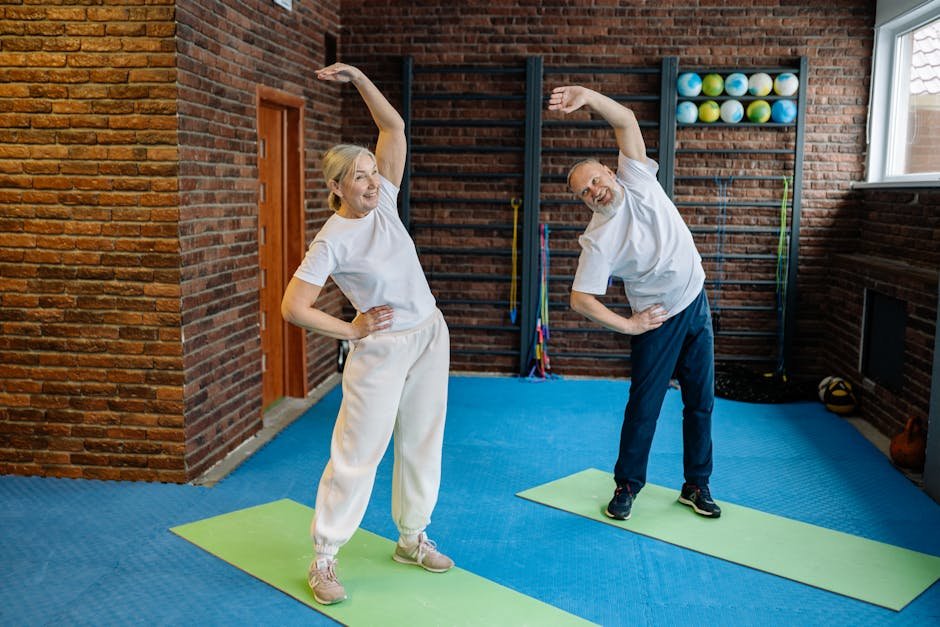
Once you’ve built a base, consider adding light strength and balance work two days a week. Simple exercises like chair squats, wall push-ups, and seated leg extensions support endurance by protecting your joints and improving your overall stability. Balance drills — standing on one foot while holding a chair, or walking heel-to-toe down a hallway — are particularly valuable for fall prevention. Finish every session with 5–10 minutes of gentle stretching targeting the calves, hamstrings, hip flexors, chest, and back.
What You Can Do: Practical Tips for Safe and Steady Progress
Small habits and smart precautions make a big difference when you’re building endurance at any age, but especially after 60. Here are some of the most important things to keep in mind as you get started and progress:
- Check with your healthcare provider first — especially if you have heart disease, uncontrolled blood pressure, diabetes, arthritis affecting your spine or joints, or if you’ve had recent surgery.
- Start slow and increase gradually — if you feel pain that lasts more than a few minutes after exercise, ease back and reassess before continuing.
- Stay hydrated — drink water before, during, and after exercise. This is especially important in warmer weather.
- Wear proper footwear — well-fitting, supportive shoes with good cushioning protect your joints and reduce injury risk significantly.
- Choose safe surfaces — flat, even ground reduces joint stress. If balance is a concern, exercise near a wall, railing, or sturdy chair.
- Be weather-wise — in heat, exercise during the cooler parts of the day and wear light clothing. In cold weather, warm up for longer and dress in layers.
- Know your warning signs — normal exercise tiredness is fine, but sharp pain, chest pain, dizziness, or feeling faint are signals to stop immediately and seek help if needed.
- Be aware of your medications — some medications can affect heart rate or balance. If you notice unusual symptoms after starting a new medication, speak with your pharmacist or doctor.
- Sleep well and eat for energy — aim for 7–9 hours of sleep per night. A light snack like fruit and yoghurt before a longer session can help fuel your movement.
- Look for everyday movement opportunities — short strolls after meals, taking the stairs, or active hobbies like gardening and dancing all count towards your overall stamina.
Lifestyle Habits That Support Your Endurance Goals
Building endurance isn’t just about what happens during your exercise sessions — it’s also shaped by how you live the rest of your day. Sleep is one of the most powerful recovery tools available to you. Aiming for 7 to 9 hours of quality sleep gives your muscles and cardiovascular system time to repair and strengthen, which means your next session will feel a little better than the last. If sleep is a struggle, even small improvements — like a regular bedtime, limiting screen time in the evening, or a short relaxation routine — can help over time.
Nutrition plays a supporting role too. Balanced meals that include complex carbohydrates for sustained energy, lean protein to support muscle maintenance, and healthy fats for overall wellbeing will keep you fuelled and feeling strong. You don’t need to follow a complicated diet plan — simply eating regular, balanced meals and staying hydrated goes a long way. If you tend to exercise in the morning, a small snack beforehand can make a real difference to how you feel during your session.
One of the most powerful motivators for staying active is tying your exercise to things that already matter to you. A longer walk to the market, playing actively with grandchildren, or picking up a hobby like dancing or gentle yoga all build endurance in ways that feel meaningful rather than obligatory. Finding a walking buddy can add a social element that makes showing up feel less like a chore and more like something to look forward to.
Tracking Your Progress and Staying Motivated
Progress in endurance-building can sometimes feel slow, especially at the beginning. That’s why keeping a simple exercise log can be so helpful. Jot down the date, what you did, how long you moved for, and how you felt before and after. Over time, this record becomes a powerful reminder of how far you’ve come — and on days when motivation is low, looking back at your progress can be genuinely encouraging.
Set small, specific milestones for yourself and celebrate them. The first time you complete a 15-minute walk without stopping. The day you hit 20 minutes. Your first 30-minute session. These markers matter. They remind you that endurance is being built, even when it doesn’t always feel dramatic from the inside. A favourite walking route, a playlist of songs you love, or a regular walking partner can all make the experience more enjoyable and help you stay consistent through the weeks and months ahead.
Remember, consistency matters far more than intensity. Ten minutes of gentle movement three times a week, done reliably over months, will do far more for your stamina than an ambitious session that leaves you too sore to move the next day. Be kind to yourself, celebrate every win — however small — and trust that each step forward is doing something good for your health and independence.
The Bottom Line: Building endurance after 60 is not about pushing your limits or chasing perfection — it’s about choosing small, steady steps that fit your life and help you feel stronger, more energetic, and more confident every day. By starting with a gentle baseline, progressing gradually, and supporting your stamina work with light strength training, balance practice, good sleep, and nourishing food, you can genuinely transform how you feel and function. Your body is more capable than you might think, and every single minute you spend moving is a victory worth celebrating. Start where you are, go at your own pace, and know that the effort you put in today is building a healthier, more vibrant tomorrow.
This is not medical advice. Consult your healthcare provider before starting any new health routine or using any product mentioned here.