How to Improve Hearing Focus in Conversations: A Practical Guide for Seniors
This post contains affiliate links. As an Amazon Associate, I earn from qualifying purchases at no extra cost to you.
Free resources — no credit card required for trial
🎧 Listen to health & wellness audiobooks free for 30 days
Start 30-Day Free Trial →
🛒 Recommended Products
As an Amazon Associate we earn from qualifying purchases at no extra cost to you.
TheraBand First Step to Active Health Kit — Senior Exercise Program for Balance and Fall P
$19.99
EZ Off Jar Opener for Seniors — Under Cabinet Jar Opener for Weak Hands and Arthritis
$9.99
Omron 5 Series Upper Arm Blood Pressure Monitor — 2-User 100-Reading Memory Wide-Range Cuf
$44.99
OMRON 7 Series Wireless Wrist Blood Pressure Monitor — Clinically Validated with Connect A
$69.99
Vitality 4 Life Senior Resistance Band with Instruction Guide — Specifically for Elderly F
$16.99
📚 Read unlimited health books free for 30 days
Try Kindle Unlimited Free →
There’s nothing quite like the joy of a good conversation — swapping stories with a grandchild, chatting over coffee with a friend, or simply staying in the loop with family. But if you’ve found yourself asking “What was that?” a little more often lately, or feeling like words are blurring together in a busy room, you’re in very good company. Learning how to improve hearing focus in conversations is one of the most meaningful things you can do for your connection with the people you love — and the good news is, there are plenty of warm, practical steps you can start taking today.
Why Hearing Focus in Conversations Gets Harder as We Age
First, let’s take a breath and normalise what’s happening. Age-related hearing changes are incredibly common, and they don’t mean something has gone terribly wrong. One of the most well-known patterns is called presbycusis — a gradual difficulty hearing higher-pitched sounds and understanding speech, especially when there’s background noise. You might notice that voices start to blur together when more than one person is talking, or that a lively restaurant makes it nearly impossible to follow your dinner companion.
It’s not just about the ears themselves, either. Processing what we hear can naturally take a little longer as we get older. You might have heard the words perfectly well, but still feel like you’re a sentence behind while your brain catches up. Add in everyday factors like fatigue, certain medications, or even a stuffy room, and staying focused in a conversation can start to feel like quite the workout.
Understanding this is the first step to feeling better about it. These changes are not a sign that you’re losing your sharpness — they’re a sign that you’re human, and that a few thoughtful adjustments could make a world of difference. Once you understand why hearing focus can be challenging, you can start building strategies that genuinely help.
Start with Your Hearing Health: Devices, Check-Ups, and Ear Care
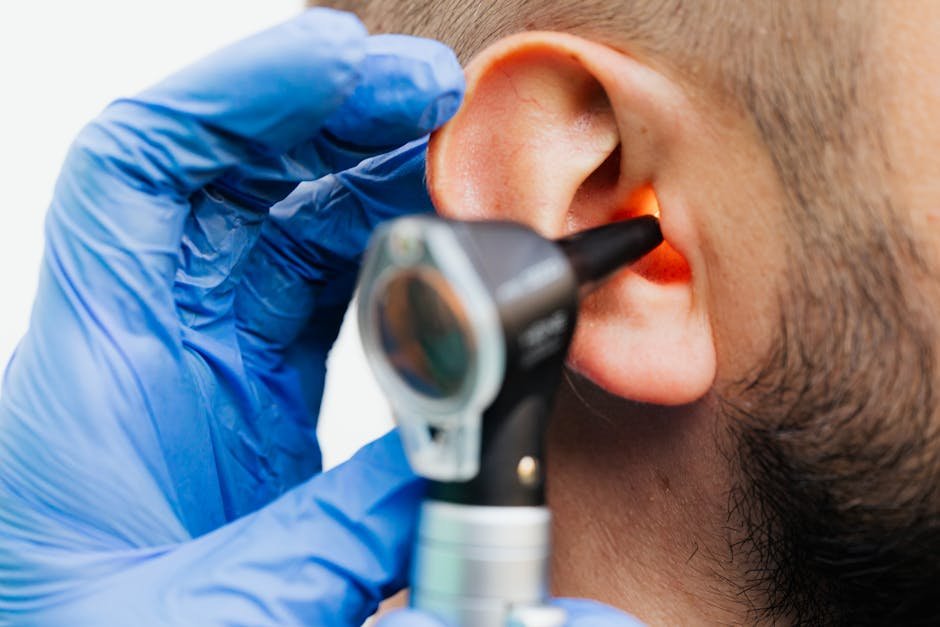
Before diving into communication strategies, it’s worth making sure the basics are covered. If you’ve noticed changes in your hearing, even subtle ones, a visit to an audiologist or your primary care doctor is a brilliant first step. A proper hearing check can tell you exactly what’s going on and open the door to solutions you might not have considered. You can even bring a trusted friend or family member along for moral support and to help you remember what was discussed.
If you already wear hearing aids, regular maintenance is more important than many people realise. Clean your devices regularly, keep batteries fresh or charging ports clear, and don’t put off having them adjusted if something feels off. A hearing aid that isn’t properly fitted or maintained can actually make listening harder, not easier.
Earwax is also worth mentioning — it’s a surprisingly common culprit behind muffled hearing. Resist the urge to poke around with cotton swabs, which can push wax deeper. Instead, ask a healthcare professional to check and safely clear any buildup if needed. And don’t overlook the assistive tools that are increasingly available — personal sound amplifiers, TV captioning features, and hearing-compatible phone settings can all make a meaningful difference in specific situations. There’s no shame in using every tool available to you.
How to Improve Hearing Focus in Conversations by Shaping Your Environment
One of the most powerful (and often overlooked) ways to improve your hearing focus in conversations is to take charge of your surroundings. We can’t always control where we are, but more often than we think, we can make small adjustments that dramatically change how well we hear and follow along.
Whenever possible, choose quieter spaces for important conversations. A living room with the TV off is far easier to navigate than a busy kitchen. If you’re out somewhere noisy, find a calmer corner of the room. Soft furnishings like curtains, cushions, and rugs can help dampen echo and background noise in ways you might not expect — they’re worth considering when you’re setting up a space at home.
Positioning matters enormously too. Try to sit directly facing the person you’re speaking with, at a comfortable distance — close enough to see their face clearly. Good lighting is your friend here, because being able to read lips and pick up on facial expressions adds a whole extra layer of understanding to what you’re hearing. If you know you’ll be in a noisy environment for an event or family gathering, plan for shorter bursts of conversation rather than trying to push through a long chat when you’re already exhausted.
Communication Techniques That Make Conversations Easier for Everyone
Here’s a gentle truth: good communication is a two-way street, and making adjustments doesn’t mean putting all the responsibility on yourself. There are simple, natural techniques that can make conversations flow more smoothly for both you and the person you’re talking with — and most people are more than happy to make small changes once they know what helps.
If you miss something, don’t guess or nod along hoping it will make sense later. Instead, try phrases like “Could you repeat that for me, please?” or “Would you mind saying that a different way?” These are completely natural requests that any thoughtful person will appreciate. You can also use paraphrasing to check your understanding — something like “So what I’m hearing is… is that right?” goes a long way toward keeping everyone on the same page and avoiding misunderstandings.
Using “I” statements is another wonderful tool. Saying “I didn’t catch that — could you tell me again?” feels warm and collaborative rather than placing blame on anyone. If background noise is making things really difficult, it’s perfectly reasonable to say “Let’s finish this conversation after we move to a quieter spot.” Setting those small ground rules with kindness keeps the conversation comfortable for everyone involved.
And if you’re the one speaking? Slowing down your pace slightly, enunciating a touch more clearly, and sharing one idea at a time — with a small pause in between — makes it so much easier for everyone, not just those with hearing changes. These are simply good communication habits that benefit all of us.
What You Can Do: Practical Tips to Start This Week
You don’t need to overhaul your life overnight. In fact, picking just one or two of these ideas and trying them consistently will take you much further than attempting everything at once and feeling overwhelmed. Here’s a collection of practical, manageable actions you can begin right away:
- Face your conversation partner — position yourself so you can see their face, and make gentle eye contact to stay tuned in.
- Turn off background noise — before an important conversation, switch off the TV or radio and reduce competing sounds wherever possible.
- Ask for one repetition — practice saying “Could you repeat that?” at least once in a conversation this week, without apologising for it.
- Paraphrase what you heard — after a key point, try summarising it back: “So you’re saying… is that right?” It keeps you engaged and clarifies understanding.
- Try a short listening exercise at home — listen to a two-to-five minute podcast or audio clip, then write down or say aloud three things you heard. It’s a gentle workout for your listening brain.
- Turn on captions — enable subtitles on your TV or video calls to give yourself an extra layer of support without any effort.
- Plan conversations for your best time of day — if mornings are when you feel sharpest and most rested, that’s when to schedule longer or more important chats.
- Stay hydrated and well-rested — good sleep and regular hydration genuinely support sound processing and mental clarity.
- Tell trusted people what helps — let family and friends know that you may occasionally need a moment to process or a quick repeat. Most people are glad to adjust once they know.
- Consider a hearing training app — gentle listening exercises designed for everyday conversations are available on many smartphones and tablets. Start with short sessions and build gradually.
If you’d like a simple structure, try a seven-day plan: Day 1, sit facing your conversation partner in a quiet space. Day 2, ask for one repetition and paraphrase a point you heard. Day 3, try a two-minute listening exercise at home. Day 4, turn on captions during a TV show. Day 5, check in with your audiologist or doctor about your hearing. Day 6, practice sharing one idea at a time in a real conversation. Day 7, reflect on what helped most and carry it forward. Small and steady wins the race.
When to Seek Professional Guidance for Hearing Focus Challenges
While many of the strategies in this guide can make a significant difference on their own, there are times when it’s important to seek professional support. If you’re finding that conversations remain persistently difficult despite trying these tips, or if you’re regularly missing important sounds like doorbells, phone rings, or alarms, it’s a good idea to book a proper hearing assessment. A qualified audiologist can take a thorough look at what’s happening and tailor recommendations specifically to your lifestyle and daily routine.
Hearing aids have come a long way in recent years — they’re smaller, smarter, and more discreet than many people expect — and they can genuinely transform quality of life for those who need them. An audiologist can also point you toward other assistive technologies that might suit your particular situation.
One important note: if you ever experience a sudden change in your hearing, dizziness, or muffled sounds that come on quickly, please contact a healthcare professional promptly. Sudden hearing changes can sometimes indicate something that needs urgent attention, and it’s always better to check. Trust your instincts — you know your body.
The Emotional Side of Hearing Changes: You’re Not Alone
It would feel incomplete to talk about hearing focus without acknowledging how emotionally layered this experience can be. Struggling to follow conversations can quietly chip away at confidence. You might start declining invitations because social events feel exhausting, or feel a creeping worry that people will lose patience with you. These feelings are real and valid — and they’re experienced by many, many people.
Here’s what’s worth holding onto: asking for a repeat or taking a moment to process is not a burden to others — it’s a sign of thoughtful, engaged listening. The people who love you want to include you, and giving them a little guidance about what helps is a gift, not a problem. Your stories, wisdom, and presence in conversations matter deeply. These changes don’t take that away.
Improving hearing focus is a gradual journey, not a destination you arrive at all at once. Celebrate the small wins — the conversation where you followed every thread, the moment you confidently asked for a clarification and it worked perfectly. Each step forward, however small, is worth acknowledging.
The Bottom Line: Knowing how to improve hearing focus in conversations can genuinely change the quality of your daily connections and your confidence in social settings. From creating a better listening environment and maintaining hearing devices, to using simple communication techniques and practising gentle listening exercises at home, there are many practical, manageable ways to feel more present and engaged. Start small, be kind to yourself, and remember that you don’t have to do this alone — the people around you, along with the right professional support, are ready to help you stay connected to the conversations that matter most.
This is not medical advice. Consult your healthcare provider before starting any new health routine or using any product mentioned here.