How Humidity Levels Affect Breathing: A Practical Guide to Breathing Easier at Home
This post contains affiliate links. As an Amazon Associate, I earn from qualifying purchases at no extra cost to you.
Free resources — no credit card required for trial
🎧 Listen to health & wellness audiobooks free for 30 days
Start 30-Day Free Trial →
🛒 Recommended Products
As an Amazon Associate we earn from qualifying purchases at no extra cost to you.
TheraBand First Step to Active Health Kit — Senior Exercise Program for Balance and Fall P
$19.99
EZ Off Jar Opener for Seniors — Under Cabinet Jar Opener for Weak Hands and Arthritis
$9.99
Omron 5 Series Upper Arm Blood Pressure Monitor — 2-User 100-Reading Memory Wide-Range Cuf
$44.99
OMRON 7 Series Wireless Wrist Blood Pressure Monitor — Clinically Validated with Connect A
$69.99
Vitality 4 Life Senior Resistance Band with Instruction Guide — Specifically for Elderly F
$16.99
📚 Read unlimited health books free for 30 days
Try Kindle Unlimited Free →
Have you ever noticed that on some days, your throat feels scratchy and dry, while on others the air feels thick and heavy? The invisible culprit behind a lot of that discomfort is humidity — the amount of moisture floating in the air around you. For many of us, especially as we get older, how humidity levels affect breathing is something we might not think about until symptoms start adding up: a nagging dry cough, waking up with a parched throat, or feeling strangely breathless on a muggy afternoon. The good news is that with a little knowledge and some simple adjustments, you can create a home environment that genuinely supports your lungs, your comfort, and your quality of life.
What Is Humidity and Why Does It Matter for Breathing?
Humidity simply refers to how much moisture is present in the air. When we talk about indoor air quality, we usually focus on something called relative humidity — a percentage that tells us how damp or dry the air actually feels. Think of it as a dial that goes from bone-dry desert air on one end to a steamy tropical rainforest on the other. Somewhere comfortably in the middle is where most people breathe best.
When the humidity level is just right, your nose and throat stay naturally moist and well-lubricated, which is exactly what they need to do their job. Your airways act as the body’s first line of defence against dust, bacteria, and other irritants — and they work far better when they’re not dried out or waterlogged. For seniors in particular, paying attention to indoor humidity can mean the difference between sleeping soundly and waking up every hour with a dry, tickly cough.
Most health guidelines suggest aiming for an indoor humidity level somewhere between 30% and 50%. This isn’t a one-size-fits-all number, but it’s a reliable target for the majority of homes. Measuring it is easier than you might think — a small, inexpensive device called a hygrometer will give you a reading in seconds, and many modern thermostats and humidifiers have one built right in.
How Dry Air Affects Breathing and Your Overall Comfort
When indoor air drops below that comfortable 30% threshold — which happens frequently during winter months when heating systems run constantly — your body starts to feel it. Dry air irritates the delicate lining of your nose and throat, leading to that familiar scratchy, uncomfortable feeling. Nasal passages can become dry and fragile, making nosebleeds more likely, and your eyes may feel gritty or sore. If you wear contact lenses, you may notice this even more acutely.
One of the lesser-known effects of dry air is what it does to mucus. Your airways naturally produce mucus to trap dust, pollen, and other particles before they travel deeper into your lungs. But when the air is too dry, that mucus thickens and becomes less effective — leaving you feeling stuffy and congested even when you don’t have a cold. For people living with chronic lung conditions like COPD or asthma, this can push symptoms into noticeably worse territory, triggering coughing, wheezing, or shortness of breath.
There’s also a sleep angle worth mentioning. Many people find that dry bedroom air disturbs their rest — waking up repeatedly because of throat dryness, snoring, or nasal congestion that makes it harder to breathe easily through the night. Improving bedroom humidity during dry seasons can sometimes be one of the most impactful changes you can make for better, more restful sleep.
How High Humidity Affects Breathing and Home Health
On the other side of the dial, air that’s consistently too moist — above 50% — creates a whole different set of challenges. When humidity climbs too high, your home becomes an inviting environment for mold, mildew, and dust mites. Dust mites in particular are a very common trigger for nasal congestion, sneezing, and asthma-like symptoms, and they absolutely thrive in warm, damp conditions. Mold spores released into the air can irritate the lungs and trigger allergic reactions, even in people who’ve never had allergies before.
You might also simply feel more breathless or wheezy when the air is very humid, particularly if you already have a lung condition. Very hot, humid air can make breathing feel laboured and tiring — your body has to work harder to cool itself down, which puts extra strain on your respiratory system. For older adults, who are often less able to regulate body temperature efficiently, this can be especially noticeable during summer heatwaves.
Warning signs that your home might be too humid include condensation forming on windows, musty smells lingering in certain rooms, damp spots appearing on walls or ceilings, and visible mold growth. If you notice any of these, it’s important to act promptly — both for the health of your home and your lungs.
Symptoms to Watch For: When Humidity Might Be the Problem
Sometimes it’s hard to know whether what you’re experiencing is down to indoor air quality or something else entirely. Here are some symptoms that can be related to humidity levels in your home — though it’s always worth checking with your doctor if anything concerns you or persists:
- Frequent nosebleeds or persistent nasal dryness
- A dry, annoying cough that lingers, or a sore throat that keeps coming back
- Eye irritation, burning, redness, or unusual dryness
- Waking up with a dry mouth or parched throat
- Restless sleep due to nasal congestion or throat discomfort
- Wheezing, shortness of breath, or chest tightness (especially in those with lung conditions)
- A musty smell in the house, visible mold, or condensation on windows
- Headaches that seem to coincide with being indoors for long periods
If you experience sudden severe breathlessness, chest pain, blue lips or fingertips, confusion, or are unable to speak in full sentences — please seek emergency medical help immediately. These are not humidity-related symptoms and need urgent attention.
Practical Tips: What You Can Do to Manage Humidity and Support Your Breathing
The good news is that managing indoor humidity doesn’t have to be complicated or expensive. A few consistent habits can make a genuinely meaningful difference to how you feel day to day. Here’s a practical starting point:
- Get a hygrometer: Place one in the rooms where you spend the most time — your bedroom and living room are good places to start. Aim to keep readings between 30% and 50%.
- Choose a safe humidifier: Cool-mist humidifiers are generally the safer and more practical choice for everyday home use. Keep it in a central, open area rather than right next to your bed so moisture doesn’t pool in one spot.
- Clean your humidifier regularly: This is non-negotiable. Clean and dry it according to the manufacturer’s instructions every day, use fresh water each time, and do a deeper clean at least once a week. A dirty humidifier can circulate mold and bacteria — the opposite of what you want.
- Use distilled water in your humidifier: This reduces mineral buildup and keeps the device running cleanly for longer.
- Improve ventilation: Use exhaust fans in kitchens and bathrooms, and briefly open a window or door to refresh the air — especially after cooking or showering. A ceiling fan can help circulate air and prevent moisture from settling in one area.
- Try a saline nasal spray: If nasal dryness is your main issue, a simple saline nasal spray or nasal gel can help keep your passages moist without needing to change your room’s humidity at all.
- Fix leaks promptly: Even small drips can lead to mold growth over time. Address any damp spots quickly, and wipe up spills and condensation as soon as you notice them.
- Consider an air purifier with a HEPA filter: While these won’t change humidity levels, they can significantly reduce dust mites, mold spores, and other particles that irritate the airways — a great complement to managing humidity.
- Stay hydrated: Drinking water regularly helps your body cope with dry air from the inside out. Dry air can make you feel thirstier, and dehydration in turn affects how well your airways function.
- Avoid smoke and strong chemical fragrances: These irritate and dry out airways regardless of humidity levels, and can make breathing more difficult. Choose mild, fragrance-free cleaning products where possible.
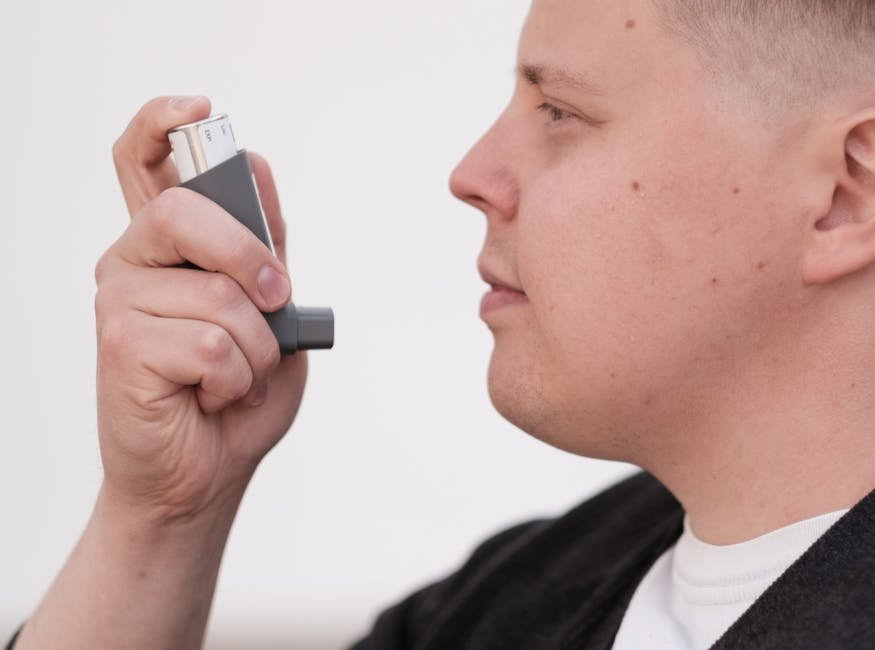
One extra tip worth mentioning for those with established breathing conditions: if you use an inhaler, oxygen therapy, or any respiratory device, always follow your healthcare provider’s specific guidance about air quality and humidity. Your needs may differ from general recommendations, and your doctor can help you dial in the right environment for your particular situation.
When to Talk to Your Doctor About Humidity and Breathing
Most of the time, making thoughtful adjustments to your indoor humidity will bring noticeable relief. But there are situations where it’s important to loop in a healthcare professional rather than trying to manage everything on your own. If you have a chronic lung condition such as COPD, asthma, or pulmonary fibrosis, your ideal humidity range might be different from the general recommendation, and your doctor is the right person to help you figure that out.
You should also reach out to your healthcare provider if adjusting humidity doesn’t improve your breathing symptoms, or if you develop new or worsening shortness of breath, chest tightness, wheezing, or a persistent cough. A fever, coughing up blood, or signs of mold in the home that don’t resolve after cleaning and ventilation are also good reasons to seek professional advice. Dry air-related nosebleeds that are frequent or severe, or eye irritation that doesn’t settle, deserve attention too.
Your doctor or a trusted healthcare professional can help you set a humidity goal that genuinely fits your health history, lifestyle, and the specific conditions in your home — giving you the confidence that the changes you’re making are right for you.
The Bottom Line: How humidity levels affect breathing is one of those topics that doesn’t always get the attention it deserves — but the impact on daily comfort and respiratory health can be significant, especially for older adults. Keeping your indoor humidity between 30% and 50%, monitoring it with a simple hygrometer, using and cleaning a humidifier correctly, and improving ventilation in your home are all practical, achievable steps that can reduce coughing, ease nasal dryness, and help you breathe more comfortably every day. Small, consistent changes really do add up — and with a little attention to the air around you, every breath can feel a little easier.
This is not medical advice. Consult your healthcare provider before starting any new health routine or using any product mentioned here.