
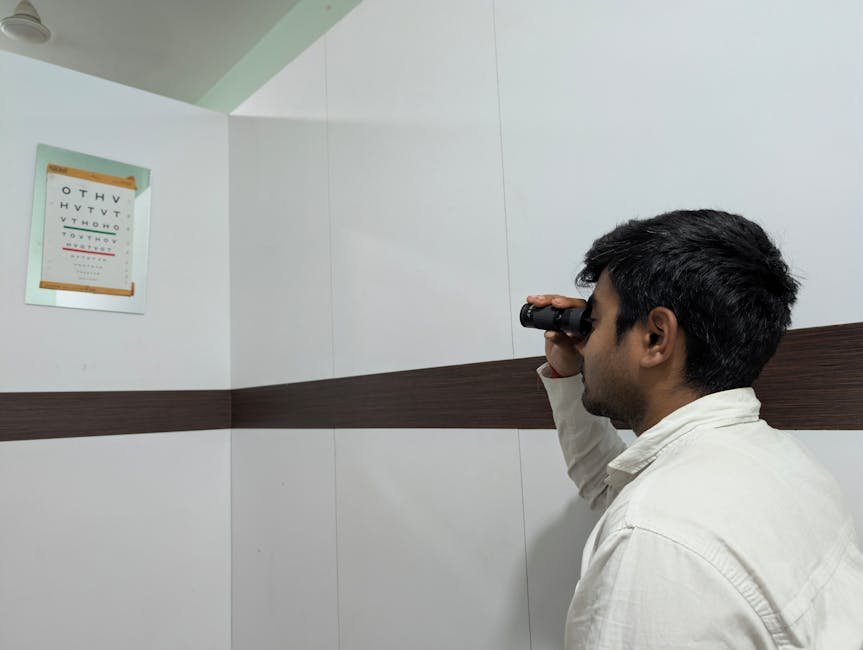
Supplements for Aging Eyes: What Really Works and How to Use Them Safely
This post contains affiliate links. As an Amazon Associate, I earn from qualifying purchases at no extra cost to you.
Free resources — no credit card required for trial
🎧 Listen to health & wellness audiobooks free for 30 days
Start 30-Day Free Trial →
🛒 Recommended Products
As an Amazon Associate we earn from qualifying purchases at no extra cost to you.
TheraBand First Step to Active Health Kit — Senior Exercise Program for Balance and Fall P
$19.99
EZ Off Jar Opener for Seniors — Under Cabinet Jar Opener for Weak Hands and Arthritis
$9.99
Omron 5 Series Upper Arm Blood Pressure Monitor — 2-User 100-Reading Memory Wide-Range Cuf
$44.99
OMRON 7 Series Wireless Wrist Blood Pressure Monitor — Clinically Validated with Connect A
$69.99
Vitality 4 Life Senior Resistance Band with Instruction Guide — Specifically for Elderly F
$16.99
📚 Read unlimited health books free for 30 days
Try Kindle Unlimited Free →
If you’ve noticed that reading the menu in a dimly lit restaurant has become trickier, or that glare from oncoming headlights bothers you more than it used to, you’re not imagining things. Our eyes change as we get older — it’s one of the most universal parts of aging. But here’s the encouraging news: there are well-researched supplements for aging eyes that can play a meaningful role in protecting your vision, particularly when combined with regular eye checkups and a healthy lifestyle. In this post, we’ll break down exactly which nutrients matter most, how much to take, and how to do it safely — all in plain, everyday language.
Why Your Eyes Need Extra Support as You Age
Our eyes are remarkable organs, and for most of our lives they quietly do their job without much complaint. But somewhere in our fifties, sixties, and beyond, the natural wear and tear starts to show. The lens can become cloudier, the macula — the small central area of the retina responsible for sharp, detailed vision — can begin to thin and degrade, and the tear glands may not produce quite enough moisture to keep things comfortable. These changes can gradually affect the everyday activities that matter most: reading a book, driving safely, or simply recognising a friend’s face across a room.
The most common age-related eye conditions include age-related macular degeneration (AMD), cataracts, glaucoma, and dry eye syndrome. AMD is particularly important to understand in the context of supplements, because targeted nutritional research has specifically focused on slowing its progression in people who are at higher risk. Cataracts can cause cloudiness and glare, and while no supplement reverses them, antioxidants may help protect against further oxidative damage. Glaucoma involves pressure that damages the optic nerve, and while there is no proven supplement to replace medication for glaucoma, overall nutritional support still matters. Dry eye is perhaps the most common complaint of all — that scratchy, irritated, gritty feeling — and certain nutrients have shown real promise here.
Understanding which conditions you may be at risk for is the best starting point. A conversation with your eye doctor is essential, and everything you read here should feed into that conversation rather than replace it.
The Star Nutrients: Lutein, Zeaxanthin, and Why They Matter
If you only remember two words from this entire post, make them lutein and zeaxanthin. These two nutrients — known as macular carotenoids — concentrate naturally in the macula of the eye, where they act like a kind of internal sunscreen. They help filter blue light and reduce the oxidative stress that contributes to macular damage over time. They’re the nutrients most associated with AMD prevention and support, and the science behind them is genuinely solid.
The landmark AREDS2 clinical trial (Age-Related Eye Disease Study 2) found that lutein and zeaxanthin were not only safe and effective for people at higher risk of AMD, but they were actually a better choice than beta-carotene, which had been used in the original AREDS formula. Most high-quality eye supplements now include 10 mg of lutein and 2 mg of zeaxanthin daily, which reflects what the research supports. If you eat plenty of dark leafy greens like kale and spinach — both excellent natural sources — you may already be getting some of these nutrients through food, which is always the preferred approach. But for many people, a targeted supplement helps fill the gap.
It’s also worth knowing that beta-carotene — which was used in older eye supplement formulas — is no longer recommended for many people. If you are a current or recent smoker, beta-carotene carries an increased risk of lung cancer based on some studies. The safer, equally effective option is lutein and zeaxanthin. Always check the ingredients label on any eye supplement and look for products that use lutein and zeaxanthin rather than beta-carotene.
The AREDS2 Formula: A Science-Backed Combination for AMD Risk
For people who have intermediate AMD or AMD affecting one eye, the AREDS2 formula represents one of the most well-studied nutritional interventions in all of eye care. Research found that this specific combination of nutrients reduced the risk of progressing to advanced AMD. It’s not a cure, and it doesn’t work for everyone — but for the right person, it’s a meaningful tool. The daily amounts used in the study are: Vitamin C (500 mg), Vitamin E (400 IU), Zinc (80 mg as zinc oxide), Copper (2 mg, included specifically to prevent copper deficiency caused by high zinc intake), Lutein (10 mg), and Zeaxanthin (2 mg).
These nutrients work as a team. The vitamins C and E act as antioxidants, helping to neutralise the free radicals that can damage eye cells. Zinc supports normal cell function in the retina, and copper is included at a careful dose to counterbalance the effect of high zinc on copper absorption. It’s a thoughtfully designed formula, and several reputable supplement brands offer AREDS2-compliant products that are widely available.
However — and this is important — the AREDS2 formula is not meant to be taken by everyone. It was studied in a specific group of people with existing, moderate AMD. If you don’t have AMD or are at low risk, this high-dose combination may not be appropriate for you. Please talk with your eye doctor before starting it. They’ll be able to tell you whether your situation matches the profile of people who benefited from the research.
Omega-3 Fatty Acids and Dry Eye Relief
Omega-3 fatty acids — specifically EPA and DHA, the forms found in fish oil and algae-based supplements — have been researched for their role in eye health, particularly for dry eye syndrome. These healthy fats support the tear film, the thin layer of moisture that coats the surface of the eye and keeps it comfortable and clear. Many people with dry eye report improved comfort when they increase their omega-3 intake, and these supplements have a good general safety profile for most adults.
A common daily target is around 1,000 mg of combined EPA and DHA, though your doctor may suggest a different amount based on your diet and overall health. It’s worth noting that large clinical trials have not consistently shown omega-3s to slow AMD progression, so they’re not a replacement for the AREDS2 approach if that’s what your eye doctor has recommended. But for day-to-day comfort, particularly if dry eye is bothering you, they’re a reasonable, evidence-informed choice. If you prefer a plant-based option, algae-derived omega-3 supplements are a good alternative to fish oil and avoid the fishy aftertaste that some people find off-putting.
One caution: omega-3s may interact with blood-thinning medications in some people. If you take anticoagulants like warfarin, or if you have a bleeding disorder, check with your doctor before starting fish oil supplements.
What You Can Do: Practical Tips for Using Eye Supplements Safely
The best supplement routine is one you can stick to consistently and one that’s tailored to your specific health needs. Here are some practical, straightforward tips to help you get started on the right foot:
- Talk to your eye doctor first. Before buying anything, have a conversation about your eye health history, your risk factors, and any other medications you take. This one step can save you money and keep you safe.
- Choose quality-tested products. Look for supplements that carry a USP Verified mark or have been independently tested for purity and potency. This helps ensure you’re actually getting what the label promises.
- Take supplements with a meal that contains fat. Lutein, zeaxanthin, and vitamin E are fat-soluble, meaning they’re absorbed much better when taken with food. A handful of nuts, avocado toast, or a cooked meal are all good companions.
- Build a simple routine. Take your supplement at the same time each day — with breakfast or dinner tends to work well for most people. A pill organiser or a phone reminder can help you stay consistent.
- Check labels for beta-carotene if you smoke or have smoked recently. Opt for formulas that use lutein and zeaxanthin instead.
- Don’t exceed recommended doses. More is not better with supplements. High-dose zinc can cause nausea and stomach upset; very high vitamin E may affect bleeding risk; excessive vitamin C can cause digestive upset.
- Store your supplements properly. Keep them in a cool, dry place away from direct sunlight, and always out of reach of children.
- Monitor how you feel and report changes. If you notice stomach upset, unusual bruising, or any change in your vision, mention it to your healthcare provider promptly.
- Complement supplements with healthy habits. Wear sunglasses with UV protection outdoors, eat a colourful diet rich in leafy greens and oily fish, stay well hydrated, manage blood pressure and blood sugar, and don’t smoke. Supplements work best as part of this bigger picture.
- Keep regular eye appointments. Even with the best supplement routine, conditions like AMD can progress. Early detection gives you and your doctor the best options for managing any changes.
Supplements for Aging Eyes: Putting It All in Perspective
It can be tempting to walk into a pharmacy or scroll through an online shop and load up on every supplement that promises to protect your eyes. But more products don’t mean more protection — in fact, taking too many supplements without medical guidance can sometimes do more harm than good. The most important thing to know is that a small number of well-chosen, evidence-based nutrients can make a real difference, particularly for people at higher risk of AMD.
Supplements are not a cure, and they are not a substitute for the care of a qualified eye doctor. What they can do is complement a healthy lifestyle and a proactive approach to your eye health. Think of them as one piece of a larger puzzle that includes regular check-ups, a nutritious diet, protective eyewear, not smoking, and managing any underlying health conditions like diabetes or high blood pressure that can affect vision.
If you’re feeling overwhelmed, start simple: ask your eye doctor at your next appointment whether lutein and zeaxanthin would be appropriate for you, and whether your dry eye symptoms might benefit from omega-3 support. From there, you can build a plan that makes sense for your individual needs and your budget. Your eyes have served you well for decades — a little targeted care can help them keep doing so for years to come.
The Bottom Line: Caring for your eyes as you age doesn’t have to be complicated or expensive. Supplements for aging eyes — particularly lutein and zeaxanthin, omega-3 fatty acids for dry eye comfort, and the physician-guided AREDS2 formula for those at higher risk of AMD — offer genuine, research-backed support when used thoughtfully. Start with a conversation with your eye doctor, choose quality products, take them consistently with meals, and pair them with a healthy lifestyle and regular eye exams. Small, consistent steps can make a meaningful difference in protecting the vision you depend on every single day.
This is not medical advice. Consult your healthcare provider before starting any new health routine or using any product mentioned here.