Spinal Muscle Degeneration and Chronic Back Pain: The Hidden Link You Need to Know About
This post contains affiliate links. As an Amazon Associate, I earn from qualifying purchases at no extra cost to you.
Free resources — no credit card required for trial
🎧 Listen to health & wellness audiobooks free for 30 days
Start 30-Day Free Trial →
🛒 Recommended Products
As an Amazon Associate we earn from qualifying purchases at no extra cost to you.
Back Gel Ice Pack Wrap — Microwaveable Pain Relief Heat Pad for Upper and Lower Back Thera
$22.99
BODYPROX Pain Relief Ice Pack with Strap for Hot and Cold Therapy — Microwave Heat Pad for
$14.99
iReliev Hot and Cold Therapy Gel Pack — Reusable Freezable Microwaveable Compression Pack
$16.99
Magic Gel Ice Pack for Back Pain Relief — 2 Pack Reusable Lower Back Wrap for Hot or Cold
$19.99
Relief Expert Reusable Ice Pack for Back — Lower Back Ice Pack Wrap with Cold Compress
$17.99
📚 Read unlimited health books free for 30 days
Try Kindle Unlimited Free →
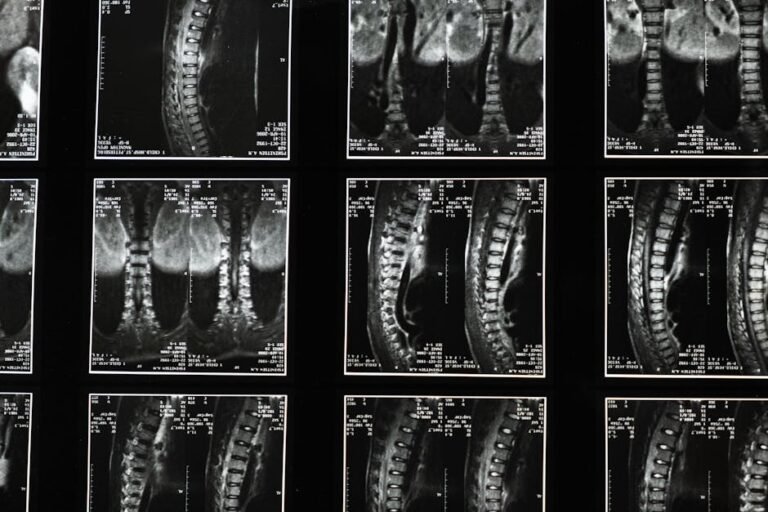
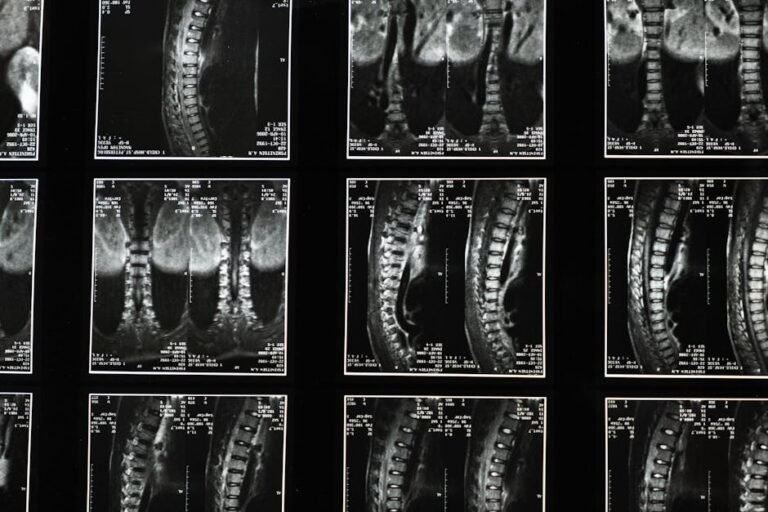
That nagging ache in your lower back, the stiffness that greets you every morning, the sharp twinge when you lean over to pick something up — sound familiar? If you’re one of the millions of adults dealing with persistent back pain, you might have been told it’s your discs, your posture, or simply “wear and tear.” But there’s a crucial piece of the puzzle that often gets overlooked: your spinal muscles. Understanding the connection between spinal muscle degeneration and chronic pain could be the missing key to finally making sense of why your back pain just won’t quit — and what you can actually do about it.
Your Spine Is Only as Strong as the Muscles That Support It
It’s easy to think of the spine as a stack of bones and discs, doing all the heavy lifting on its own. But the truth is, your spine is more like a tent than a tower. Without the right ropes holding it in place, even the most well-engineered structure will wobble and fall. Those “ropes” are your spinal muscles — a layered, intricate network of tissues that work around the clock to keep everything stable, balanced, and moving smoothly.
Your spinal muscles come in two broad varieties. Deep, small muscles work close to the spine, providing fine-tuned control and stability with every tiny movement. Larger, more superficial muscles handle the bigger, more powerful motions like bending, twisting, and lifting. Together, they maintain your posture, guide your movements, and act as a living, dynamic shield around the nerves and structures housed within your vertebral column. When this team is working well, your back feels capable and resilient. When it isn’t, things start to go wrong in ways that aren’t always obvious.
What makes the spinal muscular system so fascinating — and so important — is how much we tend to underestimate it. Most people, when they think about back pain, focus on the discs or the bones. But the muscles are the active managers of all that structure. Without their ongoing support, even a perfectly healthy disc can be subjected to harmful stresses. Your muscular system isn’t a passive passenger; it’s the driver of your spinal health.
What Does Spinal Muscle Degeneration Actually Mean?
The word “degeneration” sounds scary, but it simply describes a progressive decline in the quality and function of your spinal muscles over time. This isn’t just about being a bit weak or out of shape — it’s a more nuanced process involving your nervous system, your movement habits, and your body’s metabolic functioning. And it can affect people of all ages, not just older adults.
Spinal muscle degeneration can show up in several different ways. Muscles may lose their raw strength, making everyday activities feel more effortful than they used to. They may tire out more quickly, meaning that sustained activities like standing, walking, or sitting at a desk become uncomfortable sooner. Flexibility decreases, leading to that familiar stiffness and reduced range of motion. Perhaps most significantly, there can be changes in what’s called neuromuscular control — the precision communication between your brain and your muscles. When this communication breaks down, the right muscles don’t fire at the right time, and your movements become less coordinated and more strain-inducing than they should be.
When these changes take hold, your spine loses its natural stability. To compensate, your body begins shifting load onto structures — vertebrae, discs, ligaments — that aren’t designed to handle it without proper muscular backup. This is where the foundation for chronic pain begins to be laid, not necessarily through a single dramatic injury, but through a slow, cumulative accumulation of stress on vulnerable structures.
The Vicious Cycle: How Your Body’s Protection Becomes Part of the Problem
Here’s where the science of chronic pain gets genuinely fascinating — and a little counterintuitive. When your spinal muscles start to degenerate and your spine becomes less stable, your body doesn’t simply give up and accept the situation. It responds with protective mechanisms, instinctive strategies designed to keep you safe. Muscles may spasm and tighten around painful areas. You might unconsciously begin holding yourself more rigidly, avoiding movements that feel uncomfortable or precarious. These responses are your body acting like a built-in emergency brace.
In the short term, this protective response is genuinely helpful. It prevents you from making a bad situation worse. But when these patterns persist for weeks, months, or even years, they become what’s known as maladaptive — meaning they begin causing more problems than they’re solving. Constantly overworking certain muscles while underusing others creates significant imbalances throughout the back. The chronic stiffness that was once protective now prevents the healthy, fluid movement your spine depends on to stay nourished and pain-free. Abnormal movement patterns become ingrained habits, placing new and unnatural stresses on different parts of your spine.
The result is a self-perpetuating cycle that can be genuinely difficult to break. The original muscle degeneration triggers pain. The pain triggers protective compensations. Those compensations, over time, lead to further muscle imbalance, more abnormal stress, and potentially more degeneration. Chronic pain stops being just about the initial injury and starts being about the way your body learned to cope with that injury — coping strategies that may now be working against your recovery. This is why so many people find that back pain that started with a seemingly minor incident never fully goes away: the cycle keeps feeding itself.
Why Chronic Pain Perpetuation Is More Than “All in Your Head”
One of the most frustrating things people with chronic back pain hear is that their pain must have a psychological cause, because the scans look fine or the original injury should have healed by now. While psychological factors certainly play a role in how we experience and process pain, the physical reality of spinal muscle degeneration and its downstream effects offers a very tangible explanation for why pain persists long after the initial trigger has resolved.
When muscles remain weakened, imbalanced, or poorly coordinated, they continue to place abnormal mechanical loads on spinal structures with every single movement you make. Every step, every sit-down, every reach across the table involves your spine being managed less efficiently than it should be. That constant, low-level mechanical stress is a real, ongoing physical input that the nervous system continues to interpret as a threat signal. The pain isn’t imaginary — it has a legitimate physical basis rooted in the ongoing dysfunction of your muscular support system.
Understanding this can actually be liberating. If your chronic pain has a physical, mechanical explanation in the form of ongoing spinal muscle dysfunction, it means there are real, physical strategies that can address it. It also means that simply waiting for pain to “go away on its own” — without addressing the underlying muscular issues driving it — is unlikely to lead to lasting relief.
What You Can Do: Practical Steps to Support Your Spinal Muscles and Break the Pain Cycle
The good news is that you have more agency here than you might think. While spinal muscle degeneration and its effects can be complex, there are meaningful, practical steps you can take to support your spinal health and begin interrupting those unhelpful pain cycles. Here’s where to start:
- Get a professional assessment first. Before diving into any exercise programme, consult a physiotherapist, chiropractor, osteopath, or your GP. A qualified professional can identify your specific muscle weaknesses, imbalances, and movement issues — and build a plan tailored to you. Generic advice may not address your unique pattern of dysfunction and could, in some cases, make things worse.
- Focus on deep core and stabilising muscles. Not all back exercises are equal. The most important muscles for spinal health are often the deep stabilisers — muscles like the multifidus and transversus abdominis. Targeted exercises that train these muscles, improve coordination, and restore proper neuromuscular control are generally more beneficial than exercises focused purely on building surface-level strength.
- Prioritise consistent, gentle movement over sporadic intense sessions. When it comes to rebuilding spinal muscle health and breaking long-standing pain cycles, regularity matters more than intensity. Daily, moderate movement — whether that’s walking, gentle yoga, swimming, or prescribed exercises — is far more effective than pushing hard once in a while and resting for days in between.
- Become more aware of your posture and movement habits. Pay attention to how you sit, stand, lift, and carry yourself throughout the day. Small, consistent improvements in how you move can meaningfully reduce the abnormal stresses accumulating in your spine over time. Learning to engage your core gently and naturally as part of everyday movement is particularly valuable.
- Listen carefully to your body’s feedback. Some muscle fatigue or mild discomfort during rehabilitation exercise is normal and expected. However, sharp, increasing, or unusual pain during or after exercise is a signal to stop and check in with your healthcare provider. Your body’s pain signals are important data — treat them as such.
- Support your overall health and recovery. Good nutrition, quality sleep, and effective stress management all play supporting roles in your body’s ability to maintain and rebuild muscular health. While these factors aren’t a substitute for targeted treatment, they create the best possible internal environment for healing and recovery.
- Be patient with the process. Breaking a cycle of spinal muscle degeneration and chronic pain that may have been building for months or years takes time. Sustainable improvement is measured in weeks and months, not days. Consistency and patience, guided by professional support, are your greatest allies.
If you’re looking for tools to support your home rehabilitation — such as foam rollers, resistance bands, lumbar support cushions, or posture aids — always choose options recommended or approved by your healthcare provider. Many well-regarded products are available through Amazon, and buying through affiliate links on this page helps support the creation of free, helpful content like this at no additional cost to you.
Taking the First Step Toward a Stronger, Healthier Spine
Living with chronic back pain can feel isolating and discouraging, especially when it seems like there’s no clear explanation or end in sight. But understanding that spinal muscle degeneration plays a real, physical role in perpetuating that pain is genuinely empowering. It shifts the conversation from “why won’t this go away?” to “here’s what’s actually happening, and here’s how I can address it.”
The path forward isn’t about finding a single miracle solution or the perfect exercise. It’s about understanding your body’s remarkable — but sometimes counterproductive — protective responses, working with qualified professionals to address the root causes of muscular dysfunction, and committing to consistent habits that support your spine for the long term. Your back has been working hard for you your whole life. With the right knowledge and support, you can return the favour.
Recovery from chronic spinal pain is rarely linear — there will be better days and harder days. But each step toward restoring muscular function, improving coordination, and moving more efficiently is a step toward interrupting the cycle that’s been keeping you in pain. You deserve to feel strong, stable, and comfortable in your own body. That goal is achievable with patience, the right guidance, and a genuine understanding of what’s happening beneath the surface.
The Bottom Line: Spinal muscle degeneration is a real and often overlooked driver of chronic back pain. When spinal muscles lose strength, endurance, flexibility, and coordination, the spine becomes vulnerable to harmful stresses — and the body’s own protective responses can inadvertently create a self-perpetuating cycle of pain and dysfunction. The encouraging news is that this cycle can be interrupted. By seeking professional guidance, committing to targeted exercise, practising mindful movement, and supporting your overall health, you can take meaningful steps toward breaking free from chronic spinal pain and building a stronger, more resilient back for the long term.
This is not medical advice. Consult your healthcare provider before starting any new health routine or using any product mentioned here.
Watch the Full Video
Recommended Products
As an Amazon Associate we earn from qualifying purchases at no extra cost to you.
- Back Gel Ice Pack Wrap — Microwaveable Pain Relief Heat Pad for Upper and Lower — $22.99
- BODYPROX Pain Relief Ice Pack with Strap for Hot and Cold Therapy — Microwave He — $14.99
- iReliev Hot and Cold Therapy Gel Pack — Reusable Freezable Microwaveable Compres — $16.99
- Magic Gel Ice Pack for Back Pain Relief — 2 Pack Reusable Lower Back Wrap for Ho — $19.99
- Relief Expert Reusable Ice Pack for Back — Lower Back Ice Pack Wrap with Cold Co — $17.99
Watch the Full Video
Recommended Products
As an Amazon Associate we earn from qualifying purchases at no extra cost to you.
- Back Gel Ice Pack Wrap — Microwaveable Pain Relief Heat Pad for Upper and Lower — $22.99
- BODYPROX Pain Relief Ice Pack with Strap for Hot and Cold Therapy — Microwave He — $14.99
- iReliev Hot and Cold Therapy Gel Pack — Reusable Freezable Microwaveable Compres — $16.99
- Magic Gel Ice Pack for Back Pain Relief — 2 Pack Reusable Lower Back Wrap for Ho — $19.99
- Relief Expert Reusable Ice Pack for Back — Lower Back Ice Pack Wrap with Cold Co — $17.99