Your Back’s Built-In Shock Absorbers: How the Erector Spinae Protect Your Spine Every Day
This post contains affiliate links. As an Amazon Associate, I earn from qualifying purchases at no extra cost to you.
Free resources — no credit card required for trial
🎧 Listen to health & wellness audiobooks free for 30 days
Start 30-Day Free Trial →
📚 Read unlimited health books free for 30 days
Try Kindle Unlimited Free →
Free resources — no credit card required for trial
🎧 Listen to health & wellness audiobooks free for 30 days
Start 30-Day Free Trial →
🛒 Recommended Products
As an Amazon Associate we earn from qualifying purchases at no extra cost to you.
Back Gel Ice Pack Wrap — Microwaveable Pain Relief Heat Pad for Upper and Lower Back Thera
$22.99
BODYPROX Pain Relief Ice Pack with Strap for Hot and Cold Therapy — Microwave Heat Pad for
$14.99
iReliev Hot and Cold Therapy Gel Pack — Reusable Freezable Microwaveable Compression Pack
$16.99
Magic Gel Ice Pack for Back Pain Relief — 2 Pack Reusable Lower Back Wrap for Hot or Cold
$19.99
Relief Expert Reusable Ice Pack for Back — Lower Back Ice Pack Wrap with Cold Compress
$17.99
📚 Read unlimited health books free for 30 days
Try Kindle Unlimited Free →
Have you ever woken up one morning feeling like your back is a solid, unstoppable pillar — and then the very next day, it groans in protest at the smallest movement? Or maybe you’ve spent a long day hunched over a laptop, only to stand up and feel like your spine has aged about twenty years in eight hours. You’re not imagining things, and you’re definitely not alone. Our backs work harder than we ever give them credit for, and at the heart of all that behind-the-scenes effort is a group of muscles called the erector spinae. These remarkable muscles are your body’s natural load distribution and shock absorption system — and understanding what they do (and how to look after them) could genuinely change how you feel every single day.
What Are the Erector Spinae? Meet Your Spine’s Powerhouse Muscles
Before we dive into how these muscles protect your back, let’s get familiar with who they actually are. The erector spinae — sometimes called the “sacrospinalis group” — aren’t just one muscle. They’re a sophisticated trio: the iliocostalis, the longissimus, and the spinalis. Think of them as three closely coordinated columns of muscle that run almost the entire length of your back, stretching from the sacrum (the triangular bone just above your tailbone) all the way up to the base of your skull.
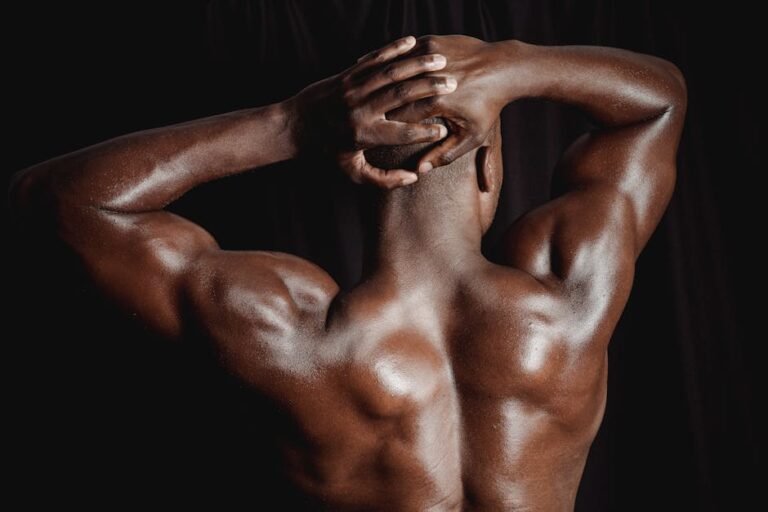
Picture two thick, rope-like bands running vertically on either side of your spinal column. That’s essentially what the erector spinae look like in action. Their most fundamental job is to act as your body’s primary antigravity mechanism — constantly working against the downward pull of gravity to keep you upright. Without them, you’d quite literally fold forward like a ragdoll. They’re the reason you can stand tall, sit straight, and walk without collapsing.
But holding you upright is just the beginning. These muscles are also the principal coordinators of trunk movement. Every time you bend to pick something up off the floor, twist to reach for something behind you, or lean sideways to grab your bag, your erector spinae are right there, managing the movement and keeping everything controlled and balanced. They make both big, sweeping motions and tiny, precise postural adjustments possible — often without you even noticing.
Load Distribution and Shock Absorption: The Erector Spinae’s Hidden Superpower
Here’s where things get really impressive. While most people associate back muscles with posture, the erector spinae have two other critical roles that are arguably even more important for your long-term spinal health: load distribution and shock absorption.
Consider the sheer volume of forces your spine has to handle every single day. Every step you take sends a ripple of impact through your body. Every time you jump, run, lift, or even just sit for a long time, your spine is under stress. The erector spinae act like powerful biological springs — their strong, vertically oriented muscle fibres absorb those impacts before they can damage the vertebrae and the soft, spongy discs that sit between them. Think of it like a car’s suspension system smoothing out a bumpy road. Without that shock absorption, every footfall would send a jarring jolt straight to your spine.
When it comes to load distribution, these muscles are nothing short of ingenious. When you lift a heavy shopping bag or a box of books, the erector spinae engage to spread that force across a wider area — your back, your pelvis, your surrounding musculature — rather than letting it concentrate on one vulnerable spot. This intelligent distribution dramatically reduces the stress placed on individual vertebrae, discs, and ligaments, which is exactly what prevents those structures from being overloaded and injured. Without this system working properly, even relatively light lifting could put you at risk of a serious back injury.
There’s another layer to this too. The erector spinae play a key role in maintaining your spine’s natural, healthy curves — the gentle inward curve of your lower back (called lumbar lordosis) and the outward curve of your upper back (thoracic kyphosis). These curves aren’t just an aesthetic feature of good posture; they’re functional architecture. They enhance your spine’s ability to absorb shock and distribute load efficiently. When the erector spinae are strong and well-balanced, they help preserve these curves, keeping your entire spinal system working the way it was designed to.
Why Your Erector Spinae Affect More Than Just Your Back
It might be tempting to think of your erector spinae as purely a “back problem” concern — something to worry about only when you’ve already got back pain. But the truth is, these muscles are deeply connected to your whole body’s movement system. They don’t operate in isolation; they work in constant communication with your abdominal muscles, glutes, hip flexors, and leg muscles to create smooth, efficient, full-body movement.
This interconnectedness is important because when the erector spinae aren’t doing their job properly — whether they’re weak, overly tight, or imbalanced — it creates a ripple effect throughout your entire body. Other muscles are forced to compensate, picking up slack they weren’t designed to handle. This “compensatory cascade” can lead to tension, pain, and dysfunction not just in your back, but in your hips, knees, neck, and shoulders too. You might find yourself dealing with unexplained hip tightness or recurring headaches that actually trace back to how your back muscles are functioning (or struggling).
On the flip side, when your erector spinae are healthy and strong, your spine can do its job beautifully — acting as both a stable foundation for your upper body and a flexible, dynamic axis for all your movements. Whether you’re lifting groceries, playing with your kids, dancing, or simply walking to the end of the street, a well-functioning erector spinae complex makes everything easier, safer, and more comfortable. It’s one of those things you never notice when it’s working well — and desperately miss when it isn’t.
What You Can Do: Practical Tips to Support Your Erector Spinae
The good news is that looking after your erector spinae doesn’t require a gym membership, fancy equipment, or complicated routines. A lot of it comes down to building small, smart habits into your everyday life. Here are some of the most effective things you can do to keep these vital muscles healthy and strong:
- Break up long periods of sitting or standing. Your erector spinae don’t love being stuck in one position for hours. Set a reminder to get up, walk around, or do a gentle stretch every 30 to 60 minutes. Even a two-minute walk around the room makes a meaningful difference.
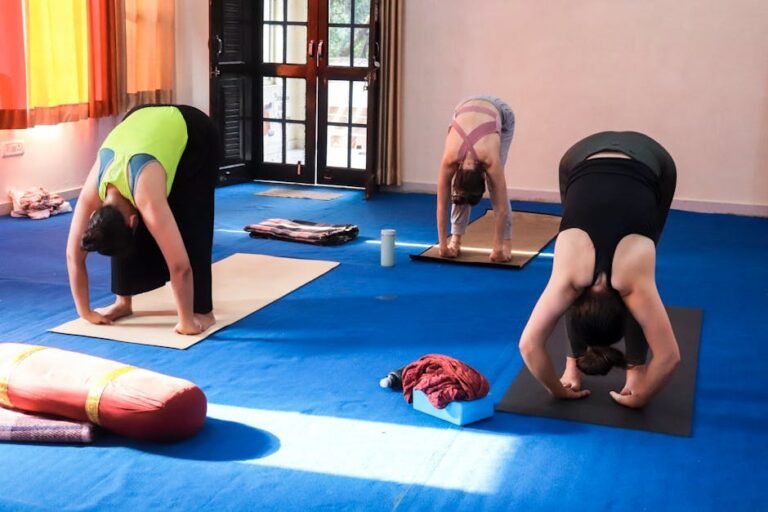
- Build a balanced core — not just your back. The erector spinae work best when they’re supported by strong abdominal and pelvic floor muscles. Exercises like planks, bird-dogs, and gentle Pilates or yoga movements help create a well-rounded core that takes pressure off your back.
- Practice mindful posture throughout the day. You don’t need to sit ramrod straight, but try to maintain your spine’s natural curves when sitting, standing, and moving. A helpful mental cue: imagine a gentle string pulling upward from the top of your head, lengthening your spine without stiffening it.
- Learn to lift properly — every single time. This one matters more than most people realise. Bend at your knees and hips (not your back), keep whatever you’re lifting close to your body, engage your core, and avoid twisting your spine while you’re mid-lift. It becomes second nature with practice.
- Stay hydrated and eat well for muscle health. Muscles — including your erector spinae — need adequate hydration and nutrition to function and recover properly. Aim to drink enough water throughout the day and eat a balanced diet with plenty of lean protein, vegetables, and fruits.
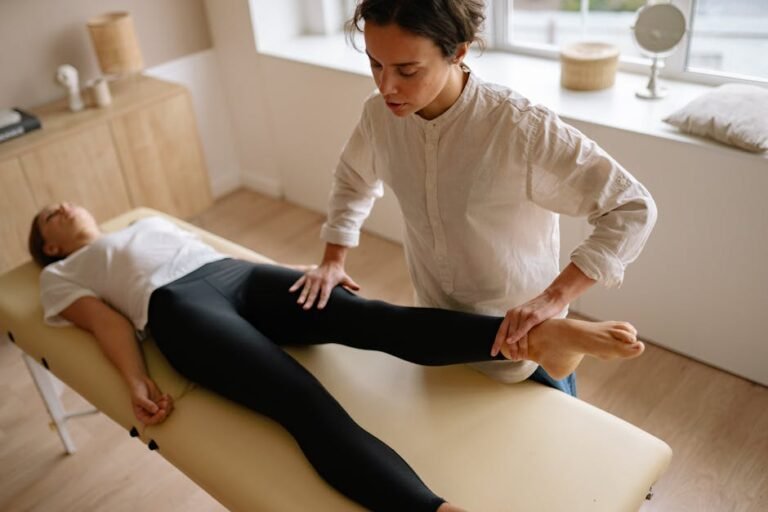
- Don’t ignore persistent back pain or stiffness. Your body sends signals for a reason. If you’re consistently experiencing aches, tightness, or pain in your back, take it seriously. Early attention from a physiotherapist, chiropractor, or your GP can prevent small issues from becoming big ones.
- Consider supportive products thoughtfully. Ergonomic chairs, lumbar support cushions, and foam rollers can all be useful tools for supporting your back during long work days or aiding muscle recovery — just make sure any product you use complements good habits rather than replacing them.
Small, consistent efforts truly add up. You don’t need to overhaul your entire lifestyle overnight. Simply becoming more aware of how you sit, lift, and move — and making gradual improvements — can have a profound impact on the health and resilience of your erector spinae over time.
Recognising When Your Erector Spinae Might Need Extra Attention
Most of us only think about our back muscles when they’re already causing us trouble. But there are some common signs that your erector spinae might be under strain or not working as well as they could be. Persistent lower back stiffness, especially in the morning or after long periods of sitting, is one of the most common signals. So is a feeling of muscular fatigue or achiness along either side of your spine after relatively light activity.
You might also notice that your posture has shifted — perhaps you’re rounding forward more than you used to, or you find it harder to stand up straight for any length of time without effort. These aren’t just signs of getting older or being “out of shape.” They’re often signs that your erector spinae are fatigued, weakened, or imbalanced, and that they’d benefit from some targeted support.
It’s also worth paying attention to whether your back pain is accompanied by any symptoms that extend into your legs, such as tingling, numbness, or weakness. While the erector spinae themselves are unlikely to cause these symptoms directly, they can be a sign that surrounding spinal structures need professional assessment. When in doubt, always get checked out — your back is too important to guess about.
The Long Game: Keeping Your Spine Strong for Life
Here’s a perspective shift worth sitting with: your erector spinae aren’t just relevant when you’re in pain. They’re relevant right now, today, in everything you do. Every time you stand up from a chair, carry a bag, take a walk, or simply breathe, these muscles are quietly doing their job. The investment you make in their health now — through movement, good posture, smart lifting, and proper nutrition — pays dividends in how you feel and function for decades to come.
Spinal health isn’t a destination you arrive at after an injury — it’s a daily practice. And the erector spinae are central to that practice. When these muscles are strong, balanced, and well-supported, your spine can do what it does best: absorb life’s inevitable knocks and bumps, distribute physical demands intelligently, and keep you moving freely through all the activities that make your life rich and meaningful.
It’s never too late to start paying more attention to these remarkable muscles. Whether you’re in your thirties and trying to prevent future problems, in your fifties and managing existing back discomfort, or anywhere in between, building better habits around your erector spinae is always time well spent.
The Bottom Line: Your erector spinae are the unsung heroes of your back — a sophisticated, hardworking system of muscles that keeps you upright, absorbs the physical shocks of daily life, and intelligently distributes load to protect your spine from damage. They don’t work in isolation; they’re part of a whole-body movement system that affects everything from your hips to your shoulders. The great news is that with regular movement, core-strengthening exercises, mindful posture, smart lifting habits, and a little attention to how your body feels day to day, you can support these vital muscles and enjoy a stronger, more comfortable back for years to come. Your spine does so much for you — it’s time to return the favour.
This is not medical advice. Consult your healthcare provider before starting any new health routine or using any product mentioned here.