Why Your Back Hurts: Understanding the Biomechanical and Degenerative Origins of Spinal Pain
This post contains affiliate links. As an Amazon Associate, I earn from qualifying purchases at no extra cost to you.
Free resources — no credit card required for trial
🎧 Listen to health & wellness audiobooks free for 30 days
Start 30-Day Free Trial →
🛒 Recommended Products
As an Amazon Associate we earn from qualifying purchases at no extra cost to you.
TruContour Lumbar Pillow for Sleeping — Adjustable Height Lower Back Support
$39.99
Back Gel Ice Pack Wrap — Microwaveable Pain Relief Heat Pad for Upper and Lower Back Thera
$22.99
Branfit Shoulder and Back Brace Posture Corrector — Breathable Posture Trainer for Upper B
$24.99
BODYPROX Pain Relief Ice Pack with Strap for Hot and Cold Therapy — Microwave Heat Pad for
$14.99
Posture Corrector for Women and Men — Comfortable Effective Brace for Shoulder and Back Pa
$22.99
📚 Read unlimited health books free for 30 days
Try Kindle Unlimited Free →
Imagine waking up one morning and not being able to tie your shoes, lift a bag of groceries, or even sit comfortably at your desk without a nagging ache radiating through your back. For an estimated 80% of adults, that scenario isn’t just imaginable — it’s reality. Spinal pain is one of the most common health complaints in the world, and lower back pain holds the sobering distinction of being the leading cause of disability globally. Yet despite how widespread it is, most of us don’t fully understand why our spine hurts in the first place. Here’s the good news: once you understand the biomechanical and degenerative origins of spinal pain, you’re already one step closer to doing something about it. Let’s break it all down in plain language — and more importantly, talk about what you can actually do to feel better and protect your spine for the long haul.
Your Spine Is More Amazing Than You Think
Before we talk about what goes wrong, it helps to appreciate just how extraordinary your spine actually is. Made up of 33 individual bones called vertebrae, cushioned by soft gel-like discs, and supported by an intricate web of ligaments and muscles, your spine is essentially a biomechanical masterpiece. It’s doing three incredibly demanding jobs at once, every single day of your life.
First, it acts as a protective shield for your spinal cord — the main nerve highway that connects your brain to your entire body. Second, it functions as a weight-bearing column, absorbing the shocks of daily life and holding up your entire upper body. Think of it as the central support beam of a building — everything else depends on it. Third, it’s a flexible movement framework, allowing you to bend, twist, reach, and rotate in ways that would be the envy of any engineer. The fact that it manages all three jobs simultaneously is a testament to millions of years of evolutionary design. When this system is working well, you barely notice it. When it’s not, you notice it constantly.
The Biomechanical and Degenerative Origins of Spinal Pain Explained
So what goes wrong? The origins of spinal pain generally fall into three overlapping categories: injury, degenerative changes, and biomechanical dysfunction. Understanding each one can help you make sense of what your body might be telling you.
Injury is often the most obvious cause. A sudden twist, a heavy lift done the wrong way, a fall, or even repetitive strain from sports or work can damage the muscles, ligaments, or discs in your spine. Disc herniations — where the soft inner material of a spinal disc pushes outward and presses on nearby nerves — are one of the most common injury-related sources of back and leg pain.
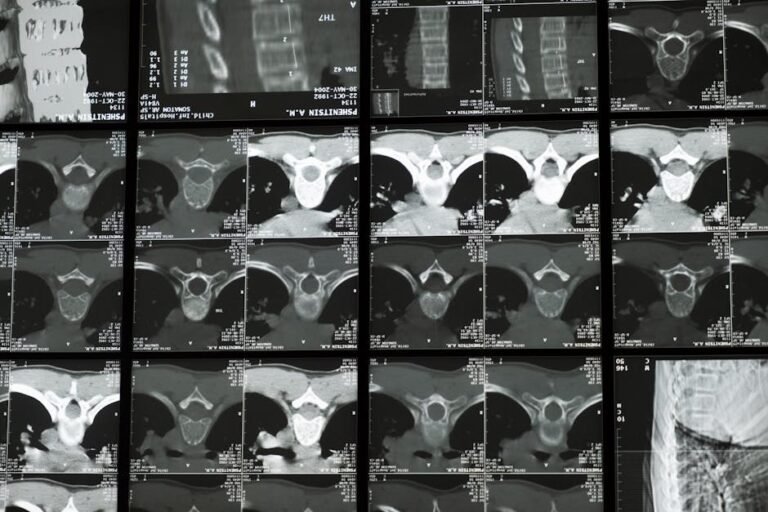
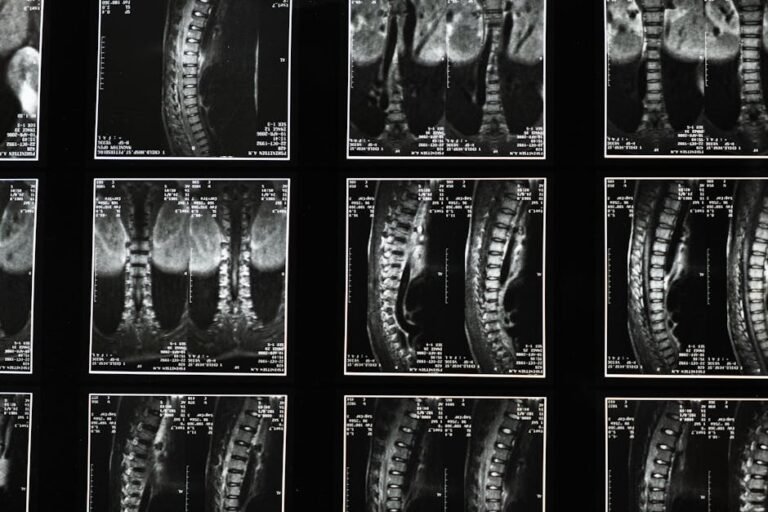
Degenerative changes are subtler but just as significant. Like any complex machine, the spine naturally shows wear and tear over time. The intervertebral discs that cushion your vertebrae can lose water content and elasticity as you age, becoming flatter and less effective at absorbing shock. The small facet joints that allow your spine to move can develop osteoarthritis, where cartilage wears away and bone spurs form, sometimes irritating nearby nerves. In some cases, a combination of these changes causes the spinal canal to narrow — a condition known as spinal stenosis — which can compress the spinal cord or nerve roots and cause pain, numbness, or weakness that travels into the arms or legs.
Biomechanical dysfunction is perhaps the most preventable origin of spinal pain, and it doesn’t necessarily require an injury or significant aging to develop. Poor posture, muscle imbalances, weak core muscles, tight hamstrings, and a sedentary lifestyle can all alter the way your spine functions — placing uneven stress on structures that aren’t designed to handle it. Repetitive stress from certain jobs or activities can cause micro-traumas over time, even without a single dramatic incident. What makes this category particularly important is that these factors often compound each other: a disc that’s slightly degenerated might cause no pain at all on its own, but combined with weak core muscles and hours of slouching at a desk, it can become a serious source of discomfort.
How Spinal Pain Is Typically Treated
Here’s something reassuring: because spinal pain has so many possible origins, there are also many paths to relief. The most effective approach is usually a personalised, multi-pronged strategy — not a one-size-fits-all fix. Most healthcare providers start with what are called conservative treatments, meaning non-surgical options that address pain and underlying dysfunction together.
Physical therapy is widely considered the cornerstone of spinal pain management. A skilled physiotherapist will assess your movement patterns, strength, and flexibility, then design a tailored programme to rebuild core stability, correct posture, and teach you to move more safely. This isn’t just about short-term pain relief — it’s about changing the underlying mechanics that contributed to your pain in the first place. Alongside physical therapy, over-the-counter pain relievers like ibuprofen or acetaminophen can help manage acute flare-ups, while heat and cold therapy, massage, and stress management techniques can all play supporting roles.
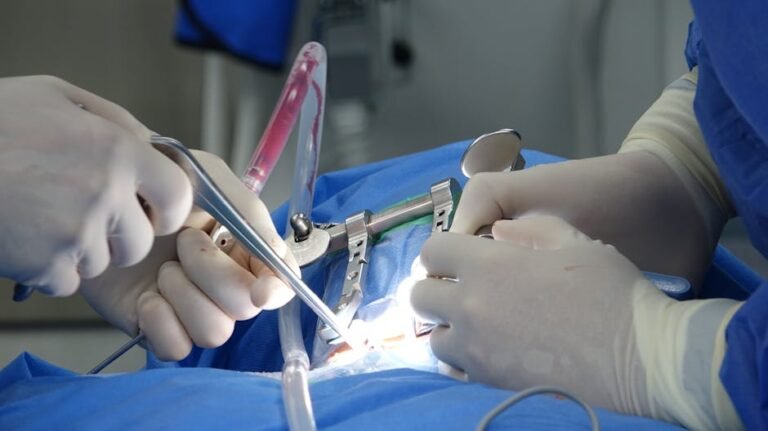
When conservative approaches aren’t delivering enough relief, doctors may recommend interventional procedures — minimally invasive treatments performed by pain specialists. These include epidural steroid injections (which deliver anti-inflammatory medication directly to the area around inflamed nerves), facet joint injections, nerve blocks, and radiofrequency ablation (a procedure that uses heat to interrupt pain signals along specific nerves for an extended period). Surgery, on the other hand, is generally considered a last resort — reserved for cases where other treatments have failed or where there’s serious nerve compression causing progressive weakness or loss of function. The decision is always a careful, collaborative one between you and your medical team.
What You Can Do Right Now: Practical Tips for Spinal Health
Whether you’re currently dealing with back pain or simply want to protect yourself from developing it, there is a great deal within your control. Small, consistent habits can make a profound difference to how your spine feels today and how resilient it remains in the years to come. Here are the most impactful things you can start doing:
- Improve your posture: Keep your ears, shoulders, and hips aligned whether you’re sitting, standing, or walking. If you have a desk job, consider an ergonomic chair and position your screen at eye level to avoid neck strain. Set a reminder to check your posture every hour.
- Strengthen your core: Your core muscles — including your abdominals and the muscles along your back — act like a natural corset for your spine. Exercises like planks, bird-dogs, and glute bridges are particularly effective and gentle enough for most people to start with.
- Move more, sit less: Regular low-impact exercise like walking, swimming, cycling, or yoga keeps your spine mobile and your supporting muscles strong. Aim for at least 30 minutes of movement most days. If you sit for long periods, take brief standing or walking breaks every 30 to 60 minutes.
- Lift with your legs, not your back: When picking up anything heavy, bend at the knees, keep your back straight, and bring the object close to your body before rising. Avoid twisting while lifting.
- Maintain a healthy weight: Carrying extra weight — especially around the abdomen — adds significant strain to your lower back and accelerates degenerative changes in your discs and joints.
- Invest in your sleep setup: A supportive mattress that respects the natural curves of your spine can make a real difference. If you sleep on your side, place a pillow between your knees. If you sleep on your back, try a pillow under your knees to reduce lower back pressure.
- Manage your stress: Chronic stress causes muscle tension — especially in the neck and shoulders — which feeds into spinal pain. Regular relaxation practices like deep breathing, meditation, or gentle stretching can help break this cycle.
- Stay hydrated: Your intervertebral discs are largely made up of water. Staying well-hydrated supports disc health and overall spinal function.
When to See a Doctor About Your Back Pain
Most episodes of back pain — even quite severe ones — do improve with time and conservative self-care. However, there are certain warning signs that warrant prompt medical attention. If your back pain is accompanied by numbness, tingling, or weakness in your legs or arms, difficulty controlling your bladder or bowel, unexplained weight loss, or if the pain is constant and severe and doesn’t change with position or movement, please see a healthcare professional as soon as possible. These symptoms could indicate more serious nerve involvement or an underlying condition that needs proper evaluation.
It’s also worth seeing a doctor if your back pain has persisted for more than a few weeks despite rest and over-the-counter treatments, or if it’s significantly affecting your ability to work, sleep, or carry out daily activities. Early intervention — whether that’s physical therapy, imaging, or specialist input — can prevent a short-term problem from becoming a long-term one. Don’t fall into the trap of just pushing through pain and hoping it resolves on its own, especially if it keeps returning.
Building a Long-Term Relationship With Your Spine
One of the most important shifts in thinking about spinal pain is moving away from the idea that pain is something to simply endure or temporarily suppress. Modern understanding of the biomechanical and degenerative origins of spinal pain tells us that back health is something you actively build and maintain — not something that just happens to you. Your spine responds to the way you move, the way you sit, the way you sleep, the strength of your muscles, and even your stress levels. Every positive habit you adopt is an investment that pays dividends over time.
The encouraging reality is that most people who experience spinal pain — even chronic pain — can achieve significant improvement with the right combination of movement, lifestyle changes, and professional support. The goal isn’t just to get out of pain; it’s to build a stronger, more resilient spine that supports you through everything life asks of it. That starts with understanding what’s causing the problem, which you now have a much clearer picture of.
The Bottom Line: Spinal pain is incredibly common, but it’s far from inevitable — and it’s rarely hopeless. The biomechanical and degenerative origins of spinal pain are well understood, and that understanding gives us real power to act. Whether your pain stems from an injury, natural age-related changes, or the cumulative effects of poor posture and a sedentary lifestyle, there are effective strategies available to you. By strengthening your core, moving more mindfully, managing your weight and stress, and working with healthcare professionals when needed, you can take meaningful control of your spinal health and protect one of the most important structures in your body for many active, comfortable years to come.
This is not medical advice. Consult your healthcare provider before starting any new health routine or using any product mentioned here.