Multifidus Atrophy and Chronic Low Back Pain: Why Your Deepest Back Muscles Matter More Than You Think
This post contains affiliate links. As an Amazon Associate, I earn from qualifying purchases at no extra cost to you.
Free resources — no credit card required for trial
🎧 Listen to health & wellness audiobooks free for 30 days
Start 30-Day Free Trial →
🛒 Recommended Products
As an Amazon Associate we earn from qualifying purchases at no extra cost to you.
TruContour Lumbar Pillow for Sleeping — Adjustable Height Lower Back Support
$39.99
Branfit Shoulder and Back Brace Posture Corrector — Breathable Posture Trainer for Upper B
$24.99
Posture Corrector for Women and Men — Comfortable Effective Brace for Shoulder and Back Pa
$22.99
Bodywellness Posture Corrector for Men and Women — Adjustable Back Straightener with Clavi
$19.99
ComfiLife Lumbar Support Pillow for Sleeping — Memory Foam Triangle Wedge Pillow
$34.99
📚 Read unlimited health books free for 30 days
Try Kindle Unlimited Free →
Ever felt that relentless, nagging ache in your lower back that just refuses to go away no matter what you try? You’re in very good company. Low back pain is one of the most common health complaints on the planet, affecting millions of people and quietly disrupting sleep, work, mood, and the simple joy of everyday movement. Most of us think of back pain as a “bone and disc” problem — something to do with wear and tear on the spine’s hard structures. But here’s what might surprise you: one of the most important contributors to chronic low back pain (LBP) has nothing to do with your bones at all. It’s about a small but mighty deep muscle called the multifidus, and when it weakens or wastes away — a condition known as multifidus atrophy — the consequences for your back health can be significant. Understanding this connection could genuinely change how you approach your back pain and your recovery.
Your Spine Is More Than Bones and Discs — Meet the Muscular Support System
Think of your spine like a suspension bridge. The steel beams (your vertebrae and discs) get all the attention, but without the cables holding everything in precise tension, the whole structure would collapse. Your spinal muscles are those cables, and they form one of the most sophisticated support networks in the entire human body. Without them, even the healthiest vertebrae wouldn’t be able to keep you upright, let alone allow you to bend, twist, lift, and move through your day.
This muscular support system works in layers, each with a distinct and important role. The outermost, superficial layer includes the big, powerful muscles you can actually see and feel — your latissimus dorsi (the broad muscles across your back) and trapezius. These generate the large movements and serious force needed for activities like lifting, carrying, and sport. Below that sits an intermediate layer, including parts of the erector spinae group, which provides broader regional stability and helps coordinate movement across multiple spinal segments.
But it’s the deepest layer — the intrinsic muscles — where the real magic of spinal stability happens. These small but incredibly important muscles include the rotatores, intertransversarii, and most critically, the multifidus. Tucked right up against your vertebrae, these muscles act like precise, finely tuned guy wires. Their job isn’t to generate big, powerful movements. Instead, they provide what’s called segmental stability — meaning they stabilise each individual vertebra in your spine, one joint at a time. They also provide vital proprioceptive feedback, which is your body’s sense of where it is in space. Think of them as the constant, subtle fine-tuning that keeps your spine perfectly balanced with every micro-movement you make. When they’re working properly, you barely notice them. When they’re not, the consequences can be far-reaching.
What Is Multifidus Atrophy — and Why Does It Happen?
Atrophy simply means the wasting or shrinking of muscle tissue. When a muscle isn’t being used adequately, or when it’s subjected to injury, chronic inflammation, or prolonged inactivity, it can lose both bulk and functional strength. Multifidus atrophy specifically refers to this wasting process in the multifidus muscle — and it’s remarkably common in people who suffer from chronic low back pain.
The relationship between multifidus atrophy and chronic LBP is unfortunately cyclical, and that’s what makes it so problematic. Pain leads to reduced movement. Reduced movement causes the deep stabilising muscles to become less active and gradually weaker. As the multifidus atrophies, it provides less precise control over individual vertebrae, which leads to subtle instability at spinal joints. This instability irritates pain-sensitive structures — including discs, ligaments, and nerves — which generates more pain. More pain leads to more guarding and reduced movement, and the cycle continues.
To make things more complicated, when the multifidus stops doing its job properly, the body doesn’t just give up — it compensates. The larger, more superficial muscles try to take over the stabilising role they were never designed to fill. It’s a bit like asking a few thick ropes to do the precise work of dozens of fine wires. Things might hold together, but not with the same accuracy or efficiency, and new stresses are created in the process. This is why chronic low back pain so often comes with muscle tightness, spasms, and stiffness layered on top of the original problem — it’s the body’s imperfect attempt to manage instability.
Why the Multifidus Plays Such a Unique Role in Chronic Low Back Pain
Of all the muscles involved in spinal health, the multifidus earns a special mention because of its location, structure, and function. Unlike the global mover muscles that work across your entire trunk, the multifidus is designed to provide precise, joint-by-joint control along the full length of your spine. It spans multiple vertebrae and is densely packed with sensory nerve endings, which means it not only stabilises the spine physically but also constantly feeds your brain with real-time information about your spinal position and movement.
This rich sensory role is crucial. When the multifidus is healthy, your nervous system receives accurate, up-to-the-moment feedback about where your spine is and how it’s moving. This allows for smooth, coordinated, protective movement. When multifidus atrophy sets in and this feedback becomes impaired, your body essentially loses some of its ability to “sense” what your spine is doing. Micro-movements between vertebrae can go unchecked, irritating discs, nerves, and ligaments without your body catching them in time.
This is why researchers and physiotherapists increasingly focus on the multifidus as a key target in the treatment and prevention of chronic low back pain. Addressing multifidus atrophy isn’t simply about building muscle bulk — it’s about restoring a fundamental stabilising mechanism and re-educating the nervous system to regain proper, refined control over the spine. It’s the difference between patching a leaking pipe and actually fixing the pressure problem causing the leak in the first place.
Recognising the Signs That Your Deep Spinal Muscles May Be Struggling
Because the multifidus sits deep in your back and doesn’t produce the obvious, visible movement that your larger muscles do, it can be difficult to know when it’s not functioning well. You won’t necessarily feel a sharp, sudden pain in this muscle the way you might with a pulled hamstring. Instead, the signs of multifidus atrophy and deep spinal muscle dysfunction tend to be more subtle and persistent.
Common indicators that your deep spinal stabilisers may not be pulling their weight include persistent, dull low back pain that is present most of the time rather than in sharp episodes; a sense of your back feeling “unstable” or like it could “go” at any moment; difficulty maintaining good posture for extended periods without discomfort; back pain that is aggravated by prolonged sitting or standing; and recurring back pain episodes that keep coming back even after the initial injury seems to have healed. If any of these sound familiar, it’s worth exploring whether your deep core muscles — particularly the multifidus — might be part of the story.
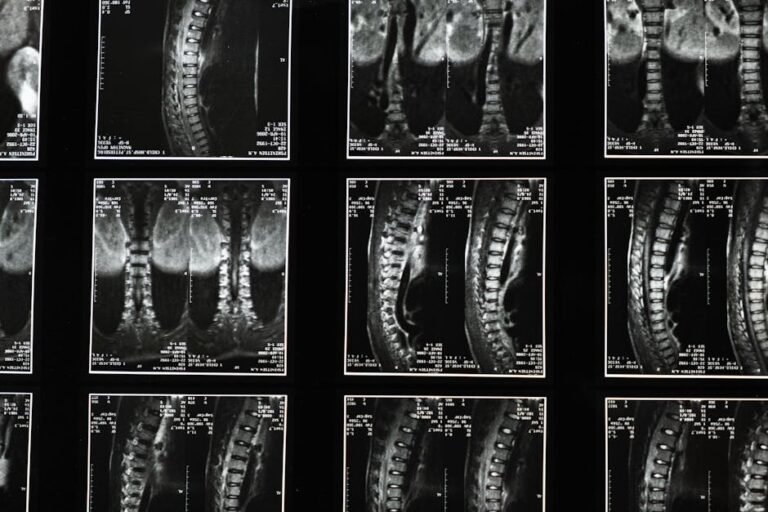
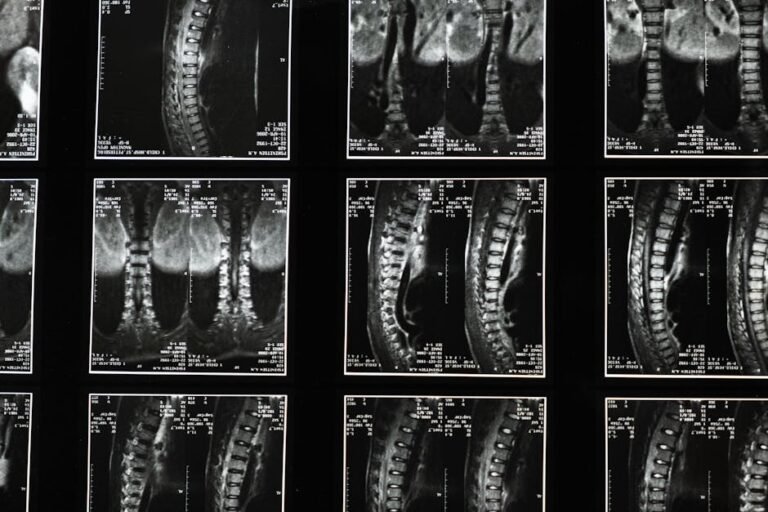
It’s important to note that a proper assessment by a qualified physiotherapist or healthcare professional is the best way to identify multifidus atrophy or dysfunction. Advanced imaging techniques and hands-on clinical testing can help pinpoint where the problem lies, allowing for a targeted, effective recovery plan.
What You Can Do: Practical Steps to Support Your Multifidus and Ease Chronic Low Back Pain
The genuinely encouraging news here is that muscle atrophy — including multifidus atrophy — can be addressed and often reversed with the right approach. These muscles respond well to mindful, targeted movement. You don’t need an extreme fitness regime or expensive equipment. What you need is consistency, awareness, and ideally some professional guidance to make sure you’re working in the right direction.
Here are practical, evidence-aligned steps you can take to nurture your deep spinal muscles and support your back health:
- Move gently and often: Prolonged sitting is one of the biggest enemies of deep spinal muscle activity. Set reminders to stand, stretch, and walk for a few minutes every 30–60 minutes. Activities like walking, swimming, and gentle cycling are excellent for keeping the spine mobile and the deep muscles engaged without overloading them.
- Explore yoga or Pilates: Both disciplines emphasise deep core engagement, spinal awareness, and controlled movement — all of which are directly beneficial for the multifidus and related stabilising muscles. Look for beginner or back-care specific classes to start safely.
- Learn to gently engage your deep core: This isn’t about “sucking in” your stomach aggressively. It’s about a subtle, gentle drawing inward of the deep abdominal muscles and a light engagement of the pelvic floor. A physiotherapist can help you feel this correctly — it’s surprisingly hard to access these muscles at first if they’ve been “switched off” for a while.
- Try specific stability exercises: Once you understand how to engage your deep core, exercises like the bird-dog, pelvic tilts, dead bugs, and modified planks challenge spinal stability without loading the spine excessively. Always prioritise quality of movement over quantity or intensity.
- Work on your posture and body awareness: Good alignment allows your spinal muscles to work efficiently. Consider ergonomic adjustments to your workspace — a supportive chair, a screen at eye level, and regular movement breaks all make a difference over time.
- Seek physiotherapy assessment and guidance: If you’re dealing with chronic low back pain, this is the single most valuable step you can take. A physiotherapist can assess your specific movement patterns, identify whether multifidus atrophy or dysfunction is contributing to your pain, and create a personalised programme to address it properly.
- Manage stress: Chronic stress increases muscle tension and lowers pain tolerance. Simple practices like diaphragmatic breathing, mindfulness, or even regular time outdoors can help calm your nervous system and reduce the muscle guarding that often accompanies persistent back pain.
- Be patient and consistent: Deep muscle rehabilitation takes time. The multifidus doesn’t rebuild overnight, but with regular, mindful practice, meaningful improvements in stability and pain reduction are very achievable.
Building a Resilient Back for the Long Term
Understanding the role of multifidus atrophy in chronic low back pain shifts the focus from simply managing symptoms to actually addressing one of the root causes. It moves the conversation from “what’s wrong with my discs?” to “how well is my whole spinal support system functioning?” — and that’s a much more empowering question to be asking.
Your spine is a remarkable, intelligent structure that your body genuinely wants to protect and support. When you give it the right kind of movement, attention, and care, it has an impressive capacity to adapt and recover. The deep intrinsic muscles — especially the multifidus — are the quiet guardians of that system. They don’t make headlines the way your visible abs or back muscles do, but they are absolutely central to a healthy, pain-free spine. Investing in their health, through mindful movement, professional guidance, and consistent daily habits, is one of the most impactful things you can do for your long-term back health.
Whether you’re currently living with chronic low back pain or simply want to protect your back for the years ahead, this is a conversation worth having with your healthcare team. Knowledge is power, and understanding the multifidus is a genuinely important piece of the back health puzzle.
The Bottom Line: Multifidus atrophy — the wasting of one of your spine’s most important deep stabilising muscles — is closely linked to chronic low back pain and can create a frustrating cycle of instability, compensation, and persistent discomfort. The good news is that with the right awareness, targeted movement, and professional support, you can work to rebuild this crucial muscle, restore spinal stability, and break the pain cycle. Your back’s deepest muscles are small, but their impact on your health is enormous. Start paying attention to them, and they will reward you.
This is not medical advice. Consult your healthcare provider before starting any new health routine or using any product mentioned here.