A Wellness-Oriented Lifestyle for Senior Men: Your Practical Guide to Feeling Strong, Sharp, and Connected
This post contains affiliate links. As an Amazon Associate, I earn from qualifying purchases at no extra cost to you.
Free resources — no credit card required for trial
🎧 Listen to health & wellness audiobooks free for 30 days
Start 30-Day Free Trial →
🛒 Recommended Products
As an Amazon Associate we earn from qualifying purchases at no extra cost to you.
TheraBand First Step to Active Health Kit — Senior Exercise Program for Balance and Fall P
$19.99
EZ Off Jar Opener for Seniors — Under Cabinet Jar Opener for Weak Hands and Arthritis
$9.99
Omron 5 Series Upper Arm Blood Pressure Monitor — 2-User 100-Reading Memory Wide-Range Cuf
$44.99
OMRON 7 Series Wireless Wrist Blood Pressure Monitor — Clinically Validated with Connect A
$69.99
Vitality 4 Life Senior Resistance Band with Instruction Guide — Specifically for Elderly F
$16.99
📚 Read unlimited health books free for 30 days
Try Kindle Unlimited Free →
If you’ve noticed that your joints feel a little stiffer in the morning, your energy isn’t quite what it used to be, or life simply moves at a different pace these days — you’re not imagining things, and you’re certainly not alone. The good news? A wellness-oriented lifestyle for senior men isn’t about chasing your younger self or following some extreme health plan. It’s about making small, meaningful choices every single day that help you feel strong, stay independent, and truly enjoy the life you’ve built. Whether you’re 60, 70, or well beyond, the habits you build right now can have a real and lasting impact on your heart, your bones, your mood, and your mind. This guide is here to help you do exactly that — practically, realistically, and without the overwhelm.
Fuelling Your Body Right: Nutrition Tips for Senior Men
Good nutrition doesn’t have to be complicated. One of the simplest frameworks you can use is the plate method: fill half your plate with non-starchy vegetables and fruit, a quarter with lean protein, and the remaining quarter with whole grains or starchy vegetables. Think grilled chicken, steamed broccoli, a small serving of brown rice, and a piece of fruit on the side. It’s straightforward, satisfying, and gives your body what it needs.
Protein deserves special attention as you age, because it plays a central role in maintaining muscle mass and physical strength. If your appetite has decreased, try spreading protein across two or three meals rather than relying on one big serving. Eggs, fish, poultry, beans, lentils, low-fat dairy, and tofu are all excellent options that are easy to prepare and gentle on the digestive system.
Bone health is another priority. Calcium and vitamin D work together to keep your skeleton strong. You can get these from dairy products, fortified plant milks, leafy greens, and canned fish with bones. A little daily sunshine also helps your body produce vitamin D naturally. If you’re unsure whether you’re getting enough, have a chat with your doctor about whether a supplement might be appropriate for your situation.
Finally, don’t underestimate the importance of staying hydrated. As we age, the thirst sensation can become less noticeable, which means dehydration can sneak up on you. Keep a water bottle close by and sip regularly throughout the day. Cut back on high-sodium processed foods and sugary drinks, and if you do enjoy the occasional alcoholic drink, keep it moderate and talk to your doctor if you’re on any medications that could interact with alcohol.
Staying Active: Safe and Sustainable Movement for Strength and Stamina
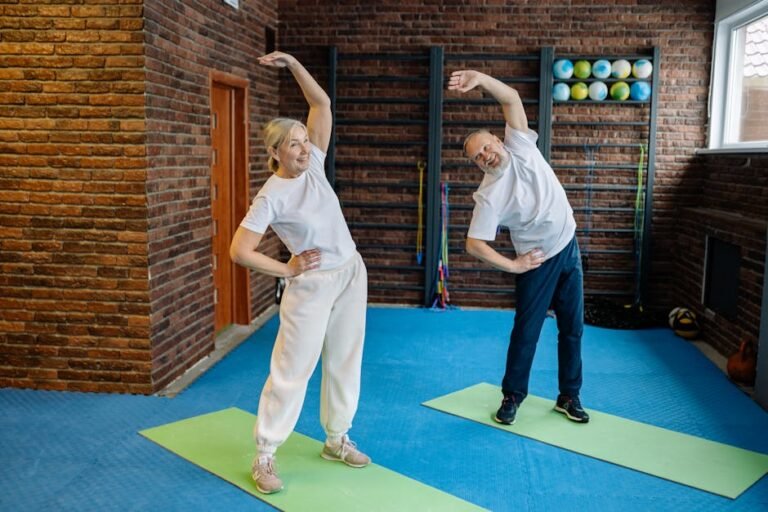
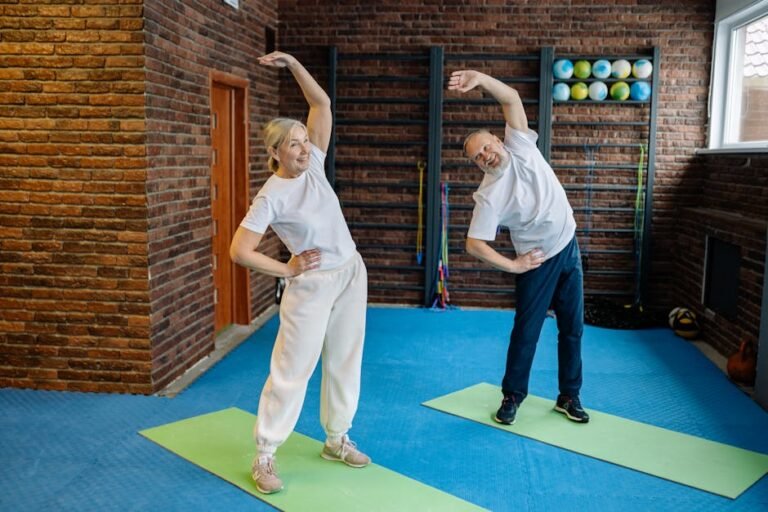
Physical activity is one of the most powerful things you can do for your overall health — and it doesn’t require a gym membership or gruelling workouts. The general guideline for older adults is around 150 minutes of moderate activity per week, along with two days of strength-focused exercise. If that sounds like a lot right now, start much smaller. Even five to ten minutes of gentle movement each day is a meaningful beginning, and you can build from there.
Balance and flexibility exercises are just as important as cardio and strength work, particularly when it comes to reducing the risk of falls. Simple practices like standing on one leg for 30 seconds, heel-to-toe walking, or gentle stretching can make a real difference over time. Activities like walking, swimming, water aerobics, or cycling on level ground are all excellent low-impact choices that are easy on the joints while still giving your heart and muscles a solid workout.
Building and maintaining muscle is crucial for senior men. You don’t need heavy weights to do it. Chair-assisted squats, wall push-ups, and light resistance band exercises are highly effective. Start with one set of eight to twelve repetitions twice a week and gradually increase as your strength improves. The goal is consistency, not intensity.
Safety always comes first. Before starting a new exercise programme — especially if you have heart disease, high blood pressure, diabetes, or recent injuries — check in with your doctor. Wear supportive footwear, stay hydrated, and pay attention to how your body feels. If you ever experience chest pain, dizziness, or significant shortness of breath, stop immediately and seek medical attention.
Mental Wellbeing: Looking After Your Mood, Mind, and Sleep
Mental health is just as important as physical health, and it’s a topic that doesn’t get nearly enough attention among men. Emotional wellbeing directly influences your energy levels, memory, motivation, and your ability to enjoy daily life. It’s completely normal to feel low or stressed from time to time, but if you’re experiencing persistent sadness, hopelessness, or thoughts of harming yourself, please reach out to a healthcare professional. You deserve support, and asking for it is a sign of strength, not weakness.
Sleep is foundational. Most adults feel their best with seven to eight hours of quality sleep per night. If you’re struggling to get enough rest, try establishing a calming bedtime routine — dim the lights an hour before bed, limit caffeine in the afternoon and evening, and stick to a consistent wake-up time even on weekends. These small adjustments can make a surprisingly big difference to how you feel during the day.
Stress management doesn’t have to be elaborate. Deep breathing, a short mindfulness practice, or even a quiet ten-minute walk can help take the edge off a difficult day. If stress or anxiety feels persistent and hard to manage on your own, speaking with a counsellor or therapist is a genuinely worthwhile option — they can tailor strategies specifically to you and your circumstances.
Keeping your brain engaged is also part of the wellness picture. Hobbies, reading, puzzles, learning a new skill, or participating in social activities all help maintain cognitive sharpness. A brief daily habit like journalling or a moment of quiet reflection can support both memory and mood over time. Small, consistent rituals often carry more weight than we realise.
The Power of Social Connection for Senior Men’s Wellness
Here’s something that often surprises people: your social life may be one of the biggest factors influencing your health and longevity. Regular connection with friends, family, or community groups has been shown to reduce feelings of loneliness, support mental health, and even encourage healthier physical habits. For senior men especially, who can sometimes find themselves more isolated after retirement or other life changes, staying socially connected is genuinely vital.
Your social network doesn’t need to look a particular way. It might be family dinners, a weekly poker night, a church group, a veterans’ association, a book club, or a volunteer role in your community. Even brief daily contact — a quick phone call, a text message, or a video chat — can significantly lift your mood and sense of belonging. The key is regularity, not grandeur.
If technology feels a bit daunting, there’s no pressure to dive into the deep end. A simple phone call or an in-person meet-up is just as meaningful as a video chat. If you are comfortable with technology, a video call with a grandchild or an old friend can be a real antidote to isolation. Start at whatever pace feels right for you, and build from there. The connection itself is what matters most.
Preventive Care: What Senior Men Should Be Doing Proactively
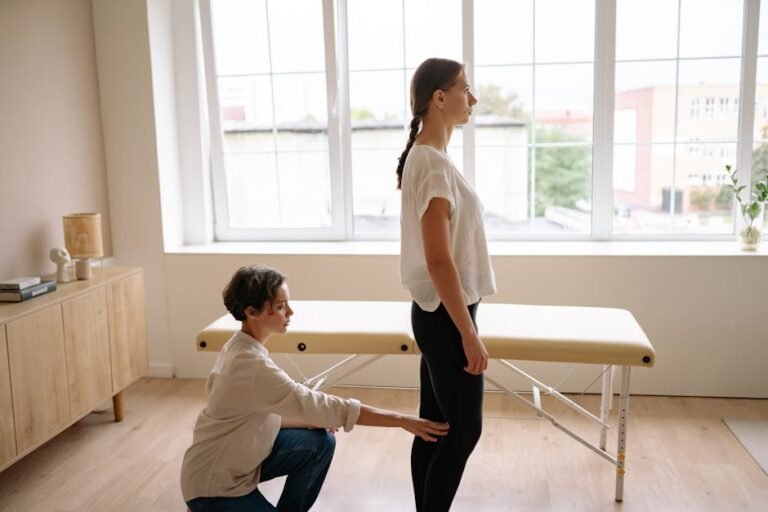
One of the smartest investments you can make in your long-term wellness is staying on top of preventive healthcare. Regular check-ins with your doctor allow you to catch potential issues early, when they’re most manageable. It helps to keep a simple health log where you record your medications, blood pressure readings, any symptoms you’ve noticed, and questions you want to ask at your next appointment. This kind of proactive approach puts you in the driver’s seat of your own health.
Vaccinations are an important part of wellness that many people overlook after childhood. As a senior man, staying up to date with your flu shot, COVID-19 boosters as recommended, pneumococcal vaccines, and the shingles vaccine (Shingrix) is genuinely worthwhile. These vaccines protect not just you, but the people around you too.
Regular screenings are equally important. Depending on your age and personal risk factors, your doctor may recommend checks for blood pressure, cholesterol, blood sugar levels, colorectal cancer, and more. Eye exams, dental check-ups, and hearing tests also play an often-underestimated role in your overall quality of life and independence. Don’t put these off — schedule them in advance and set reminders on your calendar so they don’t slip through the cracks.
Fall prevention at home is another area worth attention. Clear any clutter from walkways, make sure your home is well-lit, consider installing grab bars in the bathroom, secure loose rugs, and always wear supportive footwear indoors and out. A simple home safety review can prevent the kinds of injuries that disrupt your independence and take weeks to recover from. Also, review all your medications — including over-the-counter drugs and supplements — with your healthcare provider to check for any potential interactions.
What You Can Do Starting Today: Practical Tips for a Wellness-Oriented Lifestyle
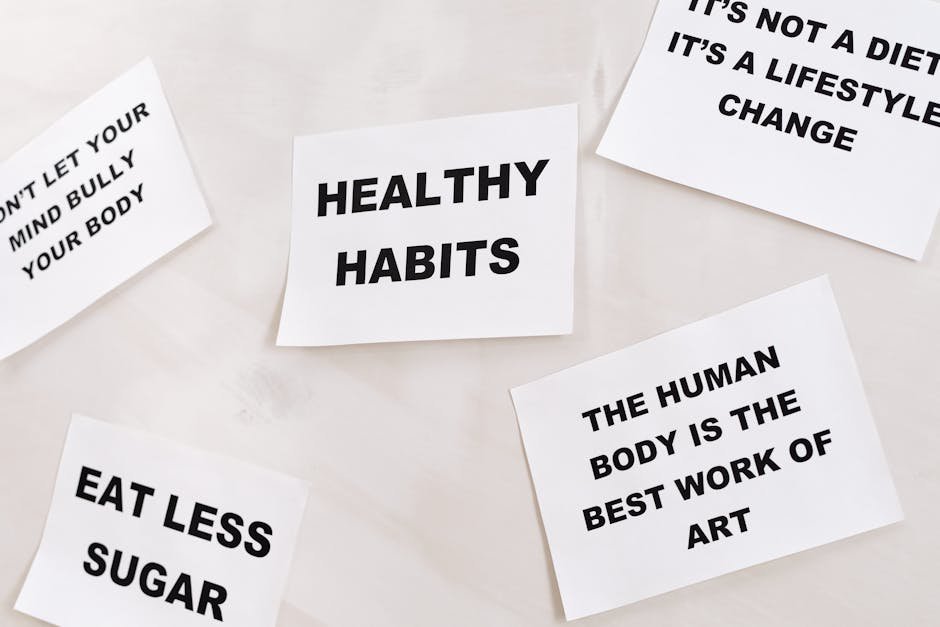
Here’s the thing about building a healthier lifestyle: you don’t have to change everything at once. In fact, trying to overhaul everything simultaneously is one of the fastest routes to burnout. Instead, pick one small habit, get comfortable with it, and then add another. Over weeks and months, those individual steps accumulate into something genuinely powerful. Here are some practical starting points across each area of your wellness:
- Nutrition: Add one extra serving of vegetables to a meal today. Plan a simple weekly meal list so you’re not making tired, last-minute food choices.
- Hydration: Keep a water bottle on your kitchen counter or beside your favourite chair as a visual reminder to sip throughout the day.
- Movement: Schedule a 10-minute walk after lunch or dinner and treat it as a non-negotiable appointment — because it is.
- Strength training: Try two sets of wall push-ups and chair-assisted squats twice this week. Start slow and build gradually over the coming weeks.
- Sleep: Pick one consistent bedtime and wake-up time this week and stick to it — even on weekends.
- Mental wellbeing: Spend five minutes on deep breathing or quiet reflection each evening before bed.
- Social connection: Reach out to one friend or family member this week — a phone call, a text, or an invitation for a short walk together.
- Preventive care: Check when you last had a routine health check-up and book one if you’re overdue. Write down any questions or concerns to bring with you.
- Home safety: Walk through your home and identify one or two trip hazards you can fix today — a loose rug, a cluttered hallway, or a dimly lit staircase.
- Progress tracking: Start a simple health diary — just a few lines a day noting what you ate, how you moved, how you slept, and how you felt. Seeing your progress in writing is genuinely motivating.
Remember, the goal isn’t perfection. It’s progress. Every small, doable change you make adds up to something bigger than you might expect. Celebrate the wins — a better night’s sleep, a firmer step on your morning walk, a good conversation with a friend, or a meal that left you feeling genuinely energised.
The Bottom Line: A wellness-oriented lifestyle for senior men is built on small, sustainable habits across five key areas: nutrition, physical activity, mental wellbeing, social connection, and preventive care. You don’t need to overhaul your entire life overnight. Start with one change that feels manageable, build it into your routine, and then add another. Whether it’s a daily walk, an extra serving of vegetables, a phone call to a friend, or finally booking that overdue check-up — every single step counts. You have the experience, the wisdom, and the capacity to shape a healthier, happier future for yourself. The journey starts today, one small, confident step at a time.
This is not medical advice. Consult your healthcare provider before starting any new health routine or using any product mentioned here.