Daily 5-Minute Posture Reset for Seniors: Feel Taller, Steadier, and More Confident Every Day
This post contains affiliate links. As an Amazon Associate, I earn from qualifying purchases at no extra cost to you.
Free resources — no credit card required for trial
🎧 Listen to health & wellness audiobooks free for 30 days
Start 30-Day Free Trial →
🛒 Recommended Products
As an Amazon Associate we earn from qualifying purchases at no extra cost to you.
TheraBand First Step to Active Health Kit — Senior Exercise Program for Balance and Fall P
$19.99
EZ Off Jar Opener for Seniors — Under Cabinet Jar Opener for Weak Hands and Arthritis
$9.99
Omron 5 Series Upper Arm Blood Pressure Monitor — 2-User 100-Reading Memory Wide-Range Cuf
$44.99
OMRON 7 Series Wireless Wrist Blood Pressure Monitor — Clinically Validated with Connect A
$69.99
Vitality 4 Life Senior Resistance Band with Instruction Guide — Specifically for Elderly F
$16.99
📚 Read unlimited health books free for 30 days
Try Kindle Unlimited Free →
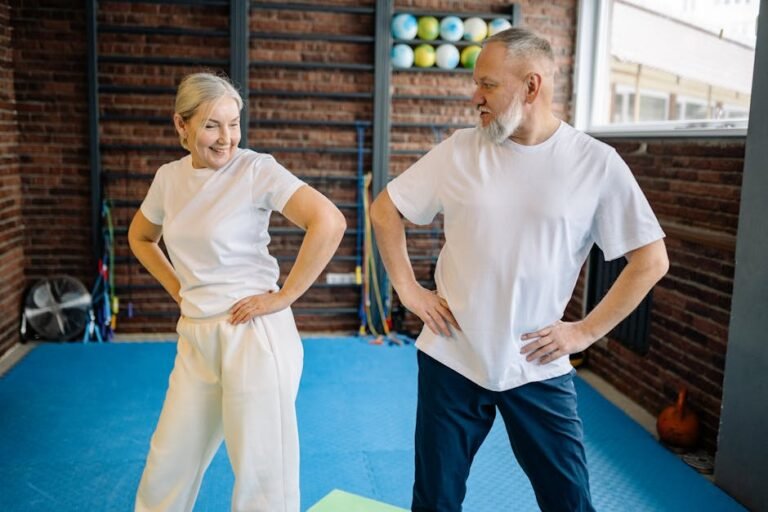
Have you noticed yourself slumping forward when you sit, or feeling a little stiff and unsteady when you stand up after a rest? You’re not alone — and the good news is that a simple daily 5-minute posture reset for seniors can genuinely make a difference. Good posture isn’t just about looking tall and confident (though that’s a lovely bonus!). For older adults, it plays a real role in helping you breathe more freely, move with greater ease, and keep your balance steady during everyday tasks. And the best part? You don’t need a gym, a trainer, or fancy equipment. Just five minutes, a sturdy chair, and a willingness to take care of yourself.
Why Posture Matters More As We Age
As the years go by, our muscles naturally become a little stiffer, and the habits of everyday life — sitting for long stretches, looking down at phones or books, resting in soft armchairs — can quietly encourage a forward-rounded posture. Over time, this can make breathing feel more effortful, put strain on the neck and lower back, and affect your sense of balance when walking or reaching for things.
The encouraging truth is that the body is remarkably adaptable at any age. Gentle, consistent movement can help counteract these patterns. You don’t need to dramatically overhaul your lifestyle or push through discomfort. Small, steady improvements made every single day add up to meaningful changes over weeks and months — more energy, less stiffness, and a greater sense of physical confidence.
This 5-minute posture reset is designed with exactly that in mind. Each step takes about 60 seconds, uses slow and controlled movements, and can be done seated if standing feels uncomfortable or unsafe. Think of it as a daily gift to your body — a gentle check-in that honours where you are right now.
Your Step-by-Step Daily 5-Minute Posture Reset
Work through each of these five steps at your own comfortable pace. You’ll spend roughly 60 seconds on each. If any step doesn’t feel right for your body today, simply skip it or modify it — there are no rules here except to listen to yourself.
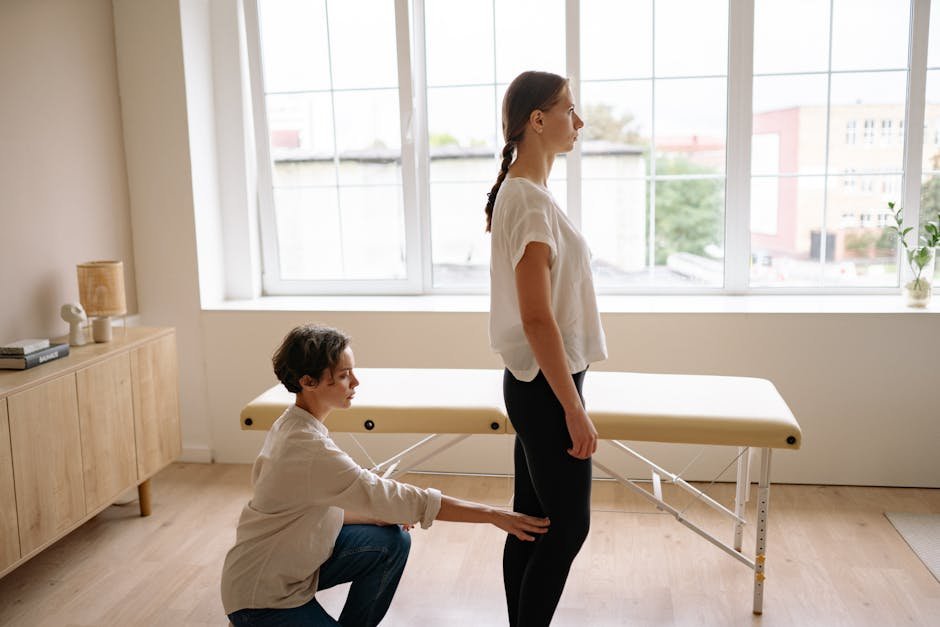
Step 1 — Posture Check and Neck/Shoulder Alignment: Sit comfortably in a sturdy chair with your feet flat on the floor. Sit up tall, letting your back rest lightly against the chair. Gently tuck your chin toward your chest to lengthen the back of your neck, then level your head so your ears are directly over your shoulders. Next, slowly roll your shoulders up toward your ears, then back and down in smooth, gentle circles. Finish with your shoulders resting softly away from your ears. This simple movement helps reduce forward head posture and eases tension in the neck and upper back, making it easier to breathe freely.
Step 2 — Chest Opener and Upper Back: Place your hands behind you on the edges of your chair, or gently clasp your fingers behind your lower back. Slowly lift your chest and roll your shoulder blades together, opening up the front of your chest. If clasping your hands is uncomfortable, simply press your elbows back a little and feel a gentle lift through the chest. This counteracts the rounding that builds up from daily sitting and supports deeper, more relaxed breathing.
Step 3 — Pelvic Tilts and Core Activation: Sit tall with your feet flat and hands resting on your thighs. Inhale gently, and as you do, tilt your pelvis slightly forward so your lower back lengthens. Exhale and tuck your pelvis slightly under, pressing your lower back gently into the chair. Repeat these small, slow tilts several times in rhythm with your breath. This encourages a neutral spine, reduces lower-back stiffness, and helps build the gentle core awareness that supports better balance when you stand.
Step 4 — Hip and Leg Mobility: Start with gentle ankle circles — 10 in each direction — then do slow heel-to-toe taps on the floor. Next, extend one leg straight out in front of you, hold for a moment, then lower it back down. Alternate sides. If you feel comfortable, try lifting one knee gently toward your chest for a light hip-flexor stretch. These movements keep the hips and knees flexible, support circulation in the legs, and gently strengthen the muscles you use every time you get up from a chair.
Step 5 — Spine Lengthening and Gentle Twist: Sit tall and imagine the top of your head reaching toward the ceiling to lengthen your spine. Gently lean to one side, keeping your hips facing forward, then return to centre and repeat on the other side. For the twist, place one hand on the opposite knee and slowly rotate your upper body to one side as far as is comfortable — keeping your hips stable — then return to centre and switch sides. Move slowly, breathe steadily, and never force the twist. This step releases stiffness in the back and hips and improves the spinal mobility you need for everyday movements like reaching or turning to look behind you.
What You Can Do: Practical Tips for Making This Routine Stick
The most effective routine is the one you actually do. Here are some simple, practical ideas to help this 5-minute posture reset become a reliable part of your day:
- Pick a consistent time. Whether it’s first thing in the morning, before bed, or after a meal, anchoring your routine to an existing habit makes it much easier to remember.
- Set up a safe, clear space. Move any trip hazards, wear supportive non-slip footwear, and keep a sturdy chair or wall within easy reach.
- Move with your breath. Inhale to prepare, then exhale as you gently move into each stretch or tilt. This keeps your movements controlled and your nervous system calm.
- Start smaller than you think you need to. A tiny, well-controlled movement is far more beneficial — and safer — than pushing too hard. You can always build gradually over time.
- Use a visible reminder. A sticky note on your bathroom mirror, a phone alarm, or a note on the kettle can be surprisingly effective at keeping new habits alive.
- Pair it with something enjoyable. A favourite morning playlist, a cup of tea, or five minutes of quiet before the day begins can make your posture reset feel like a treat rather than a chore.
- Listen to your body every single time. If you feel pain, tingling, or dizziness at any point, stop and rest. If discomfort persists, check in with your doctor or physiotherapist before continuing.
Remember: consistency matters far more than perfection. Even if you only do three of the five steps some days, you’re still doing something wonderful for your body.
Adapting the Posture Reset for Limited Mobility
This routine is designed to be flexible and accessible, but every body is different. If you use a walker or cane, keep it within easy reach throughout. If standing feels uncertain or uncomfortable, there’s absolutely no need — every single step in this routine can be done from a seated position, and you’ll still receive all the key benefits.
If you have osteoporosis, it’s worth being extra gentle with twists and avoiding any deep back bends. Stick to smaller ranges of motion and focus more on breathing deeply and sitting with good alignment. The goal is always comfort and safety, never strain. If you have a history of falls or balance difficulties, consider doing this routine close to a sturdy wall, railing, or firmly planted chair — and always on a non-slip floor surface.
If you’re recovering from surgery, managing a chronic condition, or experiencing new pain, please check with your healthcare provider before starting any new movement routine — even a gentle one like this. They can help you personalise these steps to suit your needs perfectly.
Building a Lasting Habit: How Small Movements Add Up
Five minutes might not sound like much, but don’t underestimate what that adds up to over time. Five minutes daily is over 30 hours of gentle, supportive movement across a year. That’s a significant investment in your wellbeing — and one that costs nothing but a little consistency and self-compassion.
Many people who commit to a short daily posture reset begin to notice changes within just a few weeks. They find it easier to take a full, deep breath. They feel less stiff when they get out of bed in the morning. They notice they’re standing a little taller, or that getting up from a chair feels smoother and less effortful. These aren’t dramatic overnight transformations — they’re the quiet, cumulative rewards of showing up for yourself every day.
If you’d like to build on this routine, consider pairing it with a short daily walk, a few minutes of mindful breathing, or even a warm shower stretch to further support comfort and circulation. But don’t feel pressured to do more than you’re ready for. The posture reset on its own is a complete, meaningful act of self-care.
Supporting Your Posture Beyond the Routine
Your five-minute routine is a powerful foundation, but there are a few everyday habits that can help support good posture around the clock. Be mindful of how you sit during the day — try to avoid slumping deeply into soft sofas for extended periods, and if you read or use a phone or tablet regularly, try to bring the device up to eye level rather than looking down for long stretches.
If you spend a lot of time in one chair, consider whether it offers good support. A small lumbar cushion placed behind your lower back can make a noticeable difference to how supported and comfortable your spine feels during the day. Look for chairs that allow your feet to rest flat on the floor with your knees roughly at hip level — this naturally encourages a more upright, comfortable posture.
Staying hydrated and eating well also supports muscle health and flexibility, so your daily posture work has the best possible environment to take effect. And don’t overlook sleep position — sleeping with a supportive pillow that keeps your neck in alignment can help reduce the morning stiffness that makes posture work feel harder than it needs to.
The Bottom Line: A daily 5-minute posture reset for seniors is one of the simplest, most accessible things you can do to support your body, your balance, and your independence. By spending just five minutes each day on gentle, mindful movement — checking in with your neck and shoulders, opening the chest, activating the core, moving the hips, and lengthening the spine — you’re investing in your comfort and confidence for the long term. You don’t need to be perfect, and you don’t need to push hard. You just need to show up, move gently, and listen to your body. Every small motion truly does count.
This is not medical advice. Consult your healthcare provider before starting any new health routine or using any product mentioned here.